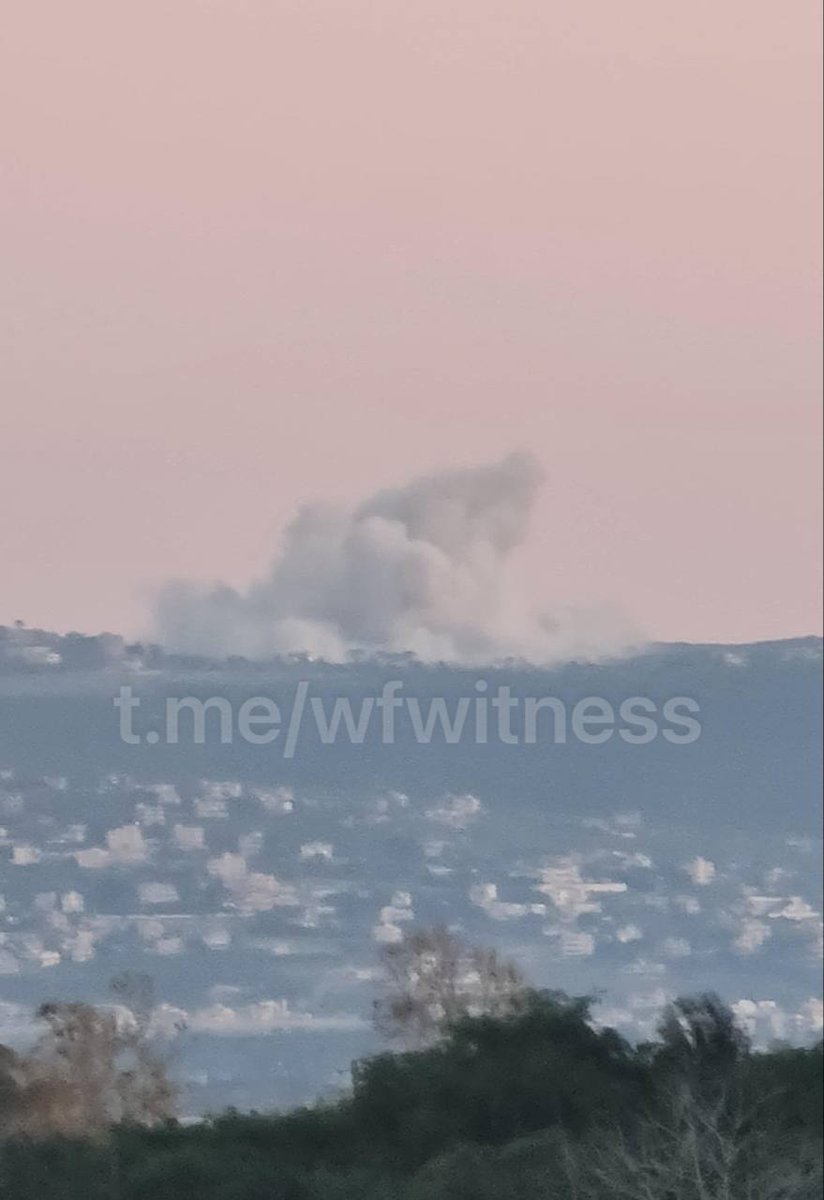
On 23 April 2026, the southern Lebanese town of Shoukin became the focal point of the day’s most lethal incident when an Israeli strike killed three civilians, according to the Lebanese Health Ministry. The attack, reported by the Telegram channel monitor_the_situation, underscores the heightened volatility along the Israel‑Lebanon border following the recent cease‑fire declaration.
"Three Killed in Israeli Attack in Shoukin, Southern Lebanon" – Lebanese Health Ministry (https://t.me/monitor_the_situation/12479)
UN Convoy Ambush in Southern Lebanon
Just minutes earlier, at 16:31, Hezbollah militants ambushed a United Nations convoy traveling through southern Lebanon, resulting in the death of a French soldier. The incident, also documented by monitor_the_situation, marks the second French casualty in the ongoing UN peacekeeping mission and highlights the persistent risk to international personnel operating in the buffer zone.
"Hezbollah militants ambushed a UN convoy in southern Lebanon, resulting in the death of a second French soldier" – monitor_the_situation (https://t.me/monitor_the_situation/12477)
Israeli Air and Ground Operations Post‑Ceasefire
At 17:56, the Israeli Air Force, coordinated with ground forces, conducted a series of 50 strikes across southern Lebanon, reportedly eliminating more than 25 militants. The operation, described as “significant” by the same source, targeted both combatants and infrastructure deemed to support Hezbollah’s capabilities.
"Israeli Air Force Kills 25+ Militants in Southern Lebanon Since Ceasefire" – monitor_the_situation (https://t.me/monitor_the_situation/12496)
The strikes employed precision‑guided munitions, though specific weapon systems were not disclosed. The scale of the campaign suggests a strategic intent to degrade Hezbollah’s operational depth ahead of any potential escalation.
Demolition of Residential Neighborhoods
Concurrent with aerial attacks, Israeli ground units demolished residential neighborhoods in multiple southern Lebanese villages, including Chamaa and other undisclosed locations. Video evidence posted by monitor_the_situation shows structures being razed with explosives, a tactic aimed at denying Hezbollah cover and logistical support.
"Israeli Forces Demolish Residential Neighborhoods in Southern Lebanon" – monitor_the_situation (https://t.me/monitor_the_situation/12422)
"Israeli Forces Demolish Structures in Chamaa, Southern Lebanon" – monitor_the_situation (https://t.me/monitor_the_situation/12476)
These actions raise concerns under international humanitarian law, as civilian infrastructure is being targeted without clear distinction between combatants and non‑combatants.
Hezbollah Counter‑Attacks
Hezbollah responded with a series of kinetic actions. At 16:30, an FPV drone struck the command hatch of an Israeli Merkava tank in Bayada, a development confirmed by footage released on the GeoPWatch channel. While the tank survived, the attack demonstrates Hezbollah’s growing proficiency with low‑cost, high‑impact unmanned systems.
"Hezbollah released footage showing an FPV drone striking the command hatch of an Israeli Merkava tank in Bayada" – GeoPWatch (https://t.me/GeoPWatch/31701)
Later, at 11:28, Hezbollah fired an anti‑tank guided missile (ATGM) at an Israeli Defense Forces (IDF) infantry gathering in the same region. The missile missed its target, and no casualties were reported.
"Hezbollah fired an ATGM towards an IDF Infantry gathering in southern Lebanon this morning, but missed" – GeoPWatch (https://t.me/GeoPWatch/31696)
In addition, Hezbollah launched multiple terror attacks against IDF forces throughout the day, as reported by monitor_the_situation. These attacks, though not quantified in casualty terms, contributed to the overall intensity of the conflict environment.
"Hezbollah carried out multiple terror attacks targeting IDF forces operating freely in southern Lebanon" – monitor_the_situation (https://t.me/monitor_the_situation/12497)
Israeli Commando Action in Ayanta
At 16:49, Israeli commando unit “Otzefet” engaged two armed Hezbollah militants in the Ayanta area, killing both after they approached the forces in a manner deemed an immediate threat. The engagement, reported by the Israeli‑focused channel idkunim_il, illustrates the use of elite infantry units to conduct targeted eliminations of high‑value combatants.
"The Commando unit 'Otzefet' forces eliminated today two armed Hezbollah militants in the Ayanta area" – idkunim_il (https://t.me/idkunim_il/58576)
Operational Context and Implications
The cluster of events on 23 April reflects a rapid escalation in kinetic activity across southern Lebanon. Israeli forces employed a combination of airpower, ground demolition, and special‑operations tactics, while Hezbollah leveraged drones, ATGMs, and guerrilla ambushes. The death of a French UN soldier underscores the heightened risk to third‑party actors and may prompt a reassessment of UN rules of engagement in the buffer zone.
Casualty figures for the day, limited to verified reports, include three Lebanese civilians in Shoukin, one French UN soldier, and an unspecified number of Hezbollah militants (over 25 reported killed). Infrastructure damage encompasses residential neighborhoods, suspected militant facilities, and at least one Israeli Merkava tank that sustained a drone‑strike‑induced damage to its command hatch.
From a strategic perspective, the Israeli campaign appears aimed at degrading Hezbollah’s command‑and‑control nodes and denying the group safe havens near the border. Conversely, Hezbollah’s use of low‑cost drones and ATGMs signals an adaptive approach that seeks to exploit Israeli vulnerabilities, particularly in armored formations.
International observers are likely to scrutinize the proportionality of Israeli demolition operations, especially given the civilian nature of many targeted structures. The UN’s response to the convoy ambush may also influence future peacekeeping mandates and the level of engagement permitted for multinational forces operating in the area.