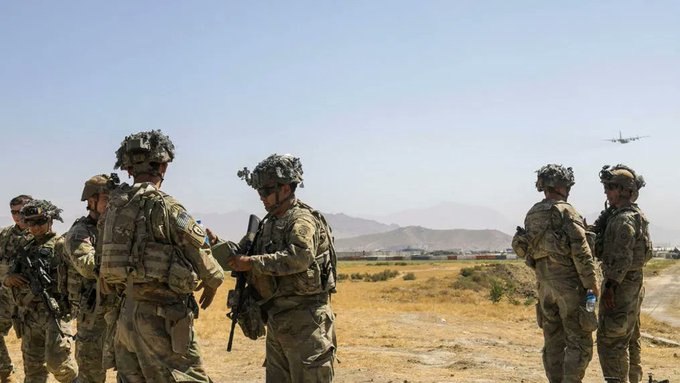
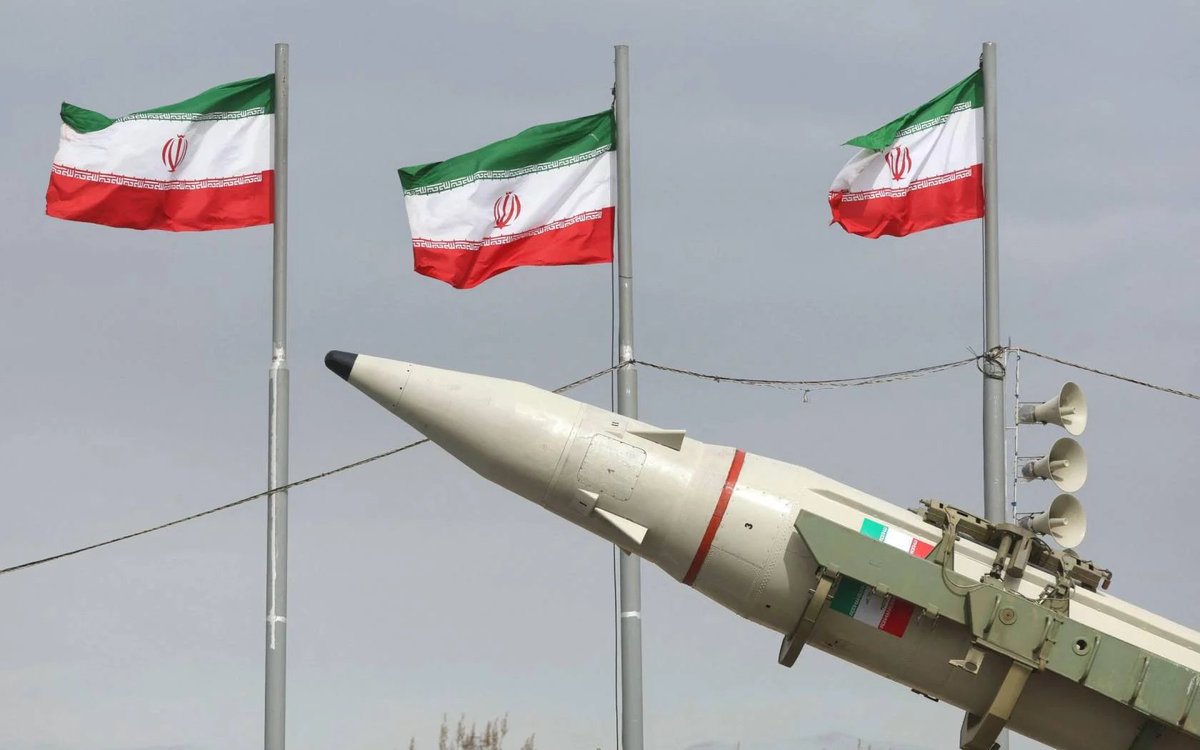
The U.S. Department of Defense confirmed on 22 April that 400 American service members have been wounded since the start of the ongoing conflict with Iran. The casualties include 271 Army, 64 Navy, 19 Marine Corps, and 46 Air Force personnel, according to a Pentagon briefing posted on the monitor_the_situation channel.
"400 US servicemembers wounded in Iran conflict," @sentdefender, 2026-04-22T17:52:43.
U.S. Casualties and Military Response
The reported injuries span a range of combat operations, from ground engagements in the Persian Gulf to support missions aboard naval vessels. While the Pentagon did not attribute the wounds to a single incident, the timing coincides with a surge in Iranian maritime activity and a series of drone strikes attributed to Iranian forces. The scale of the injuries underscores a shift from limited skirmishes to sustained kinetic exchanges, raising questions about the durability of U.S. force protection measures in the region.
IRGC Naval Operations in the Strait of Hormuz
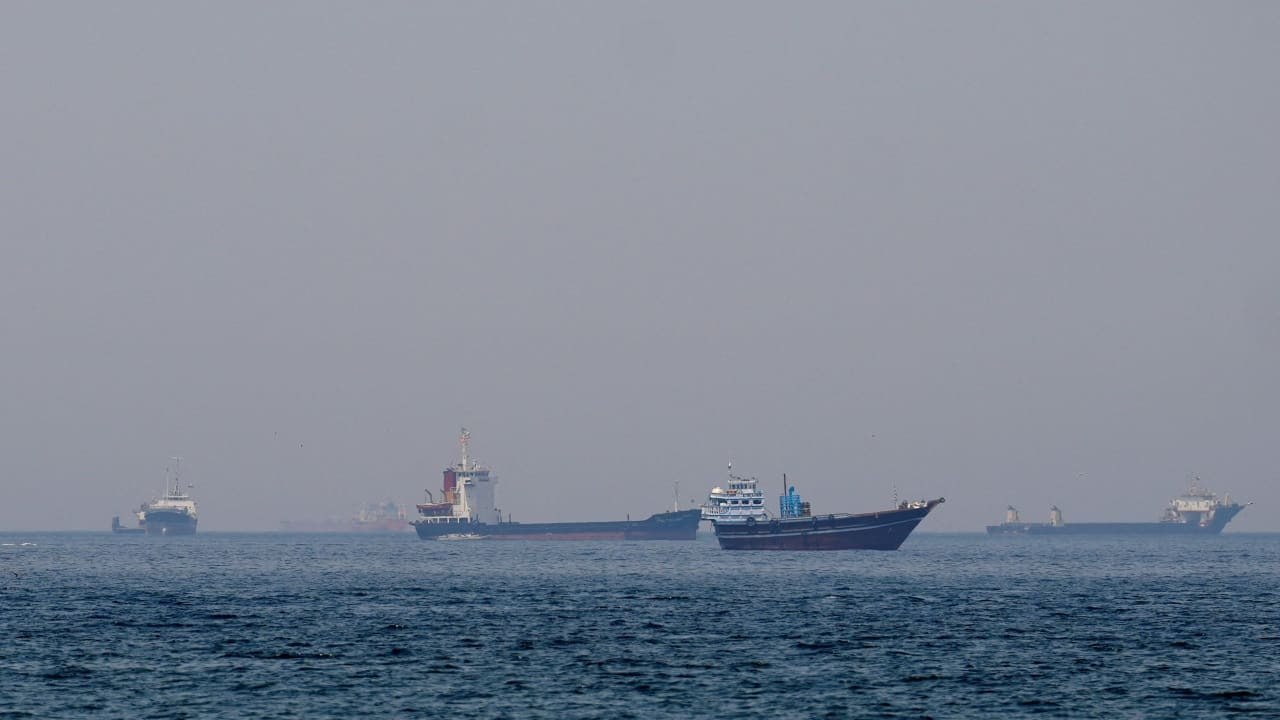
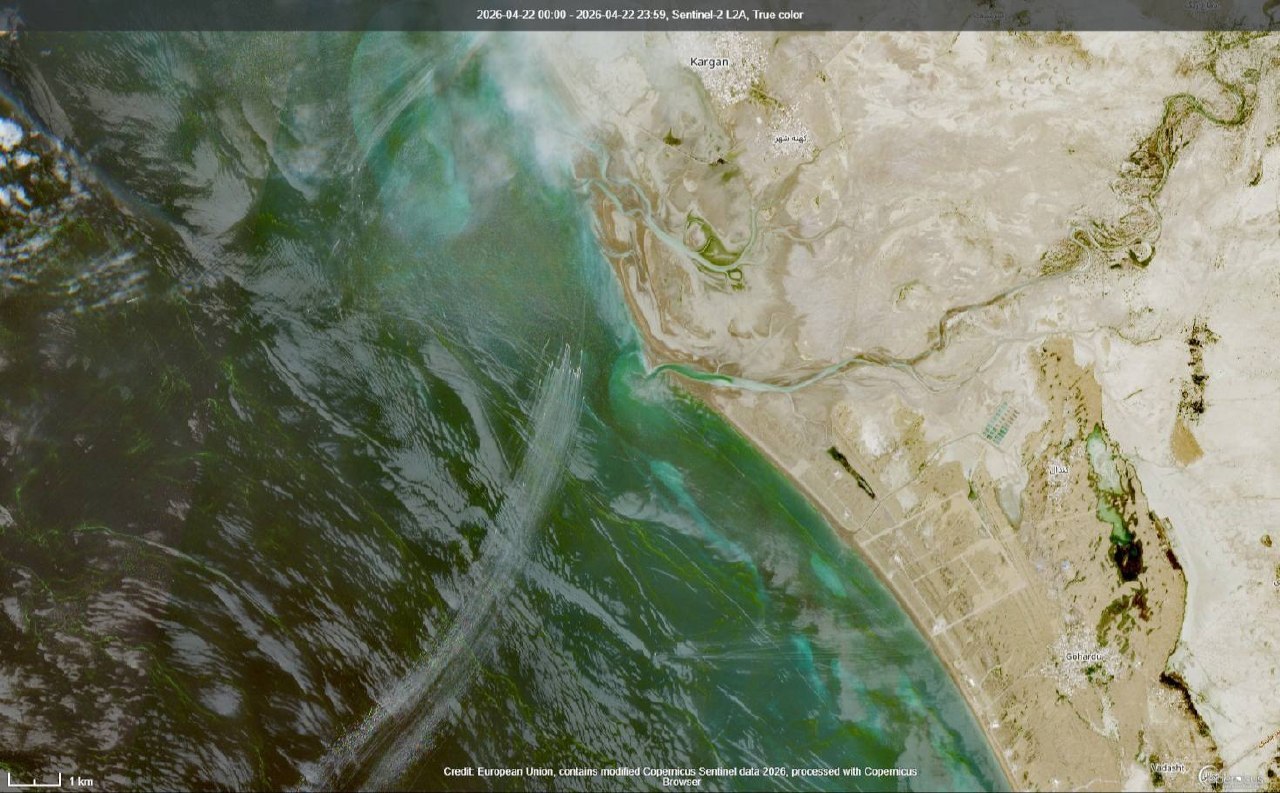
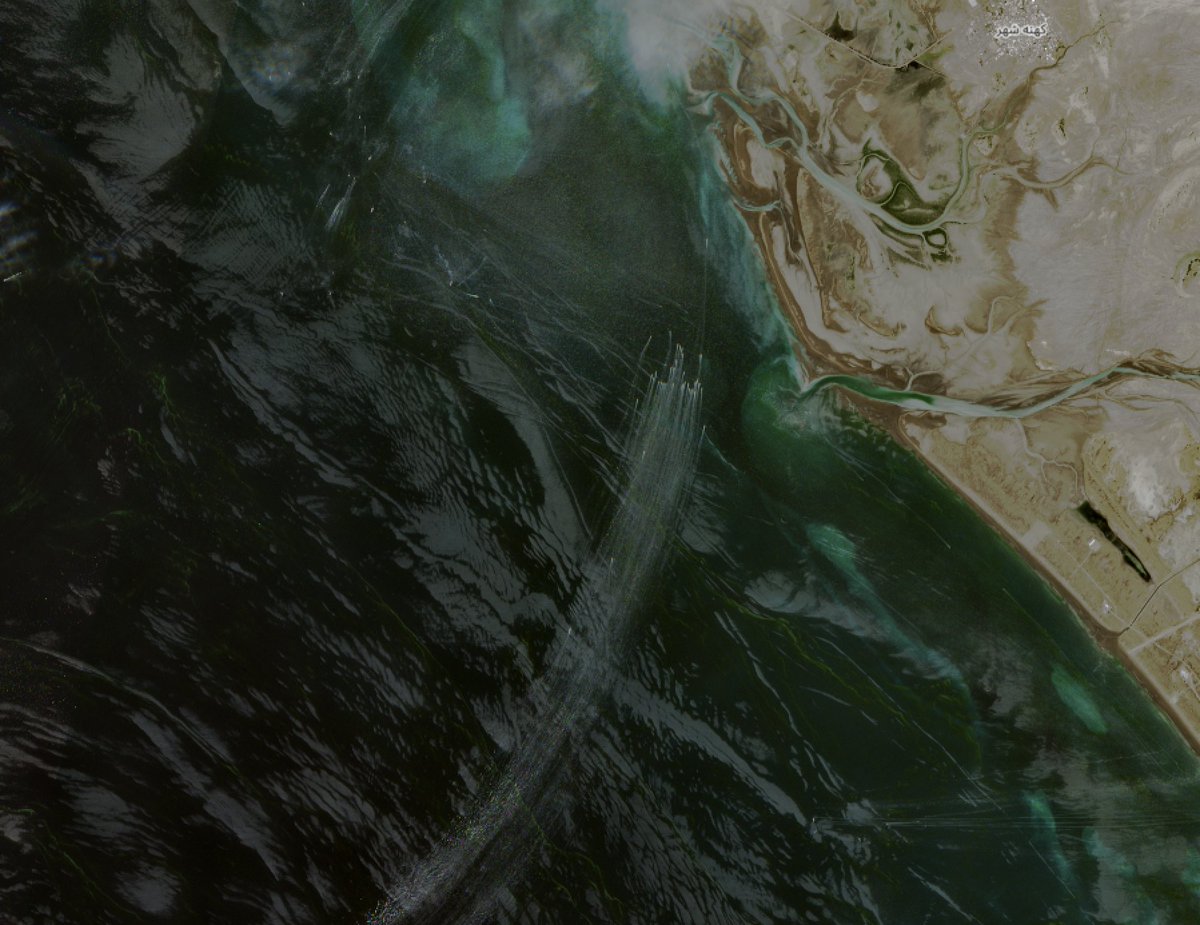
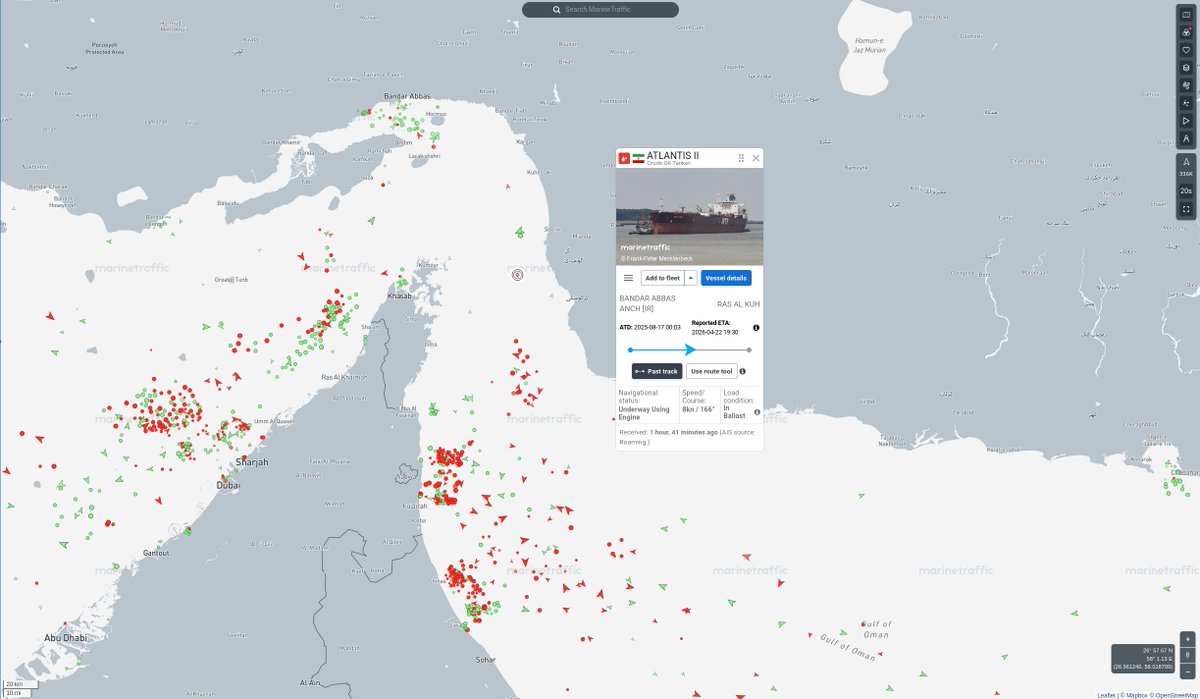
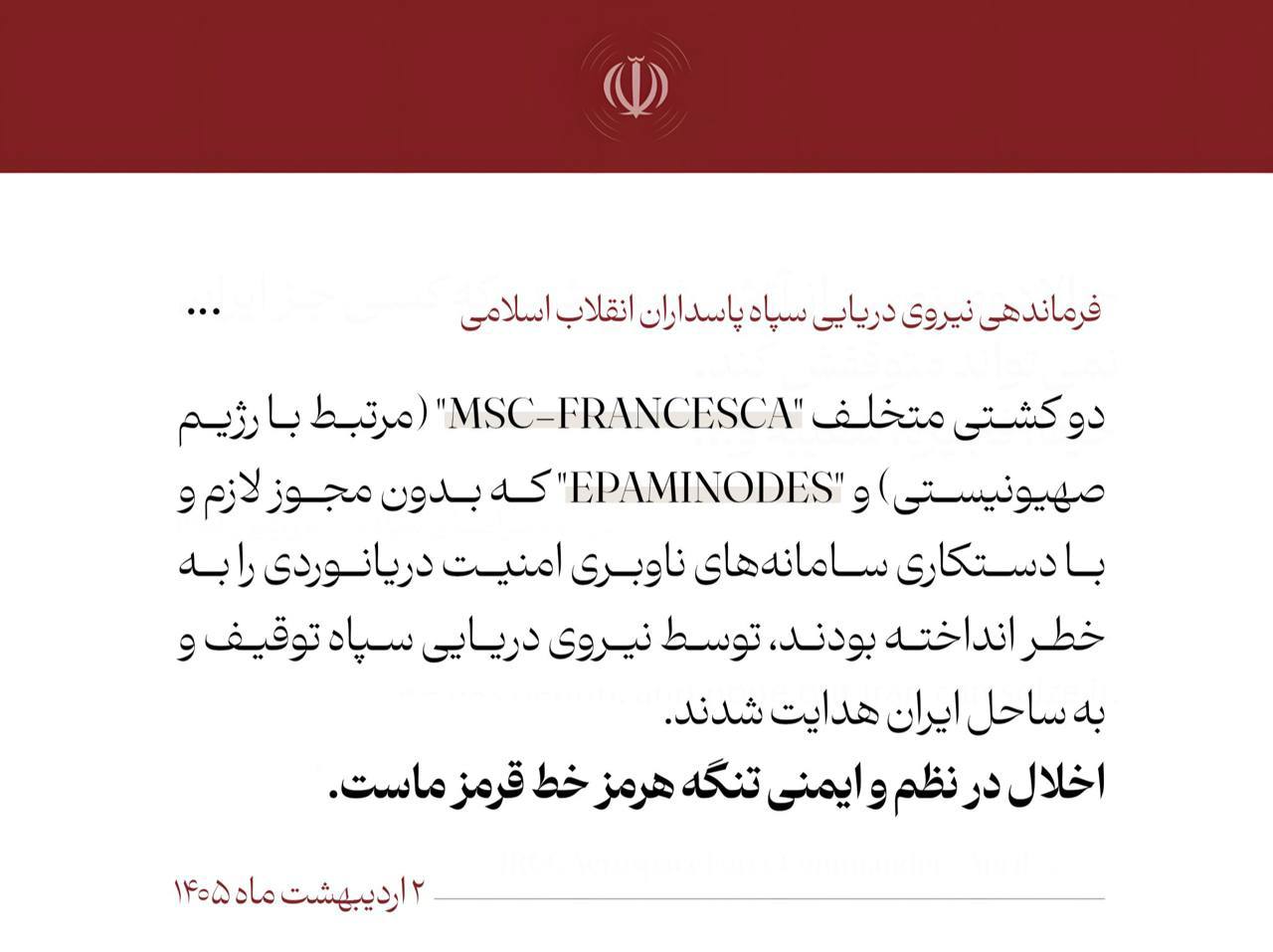
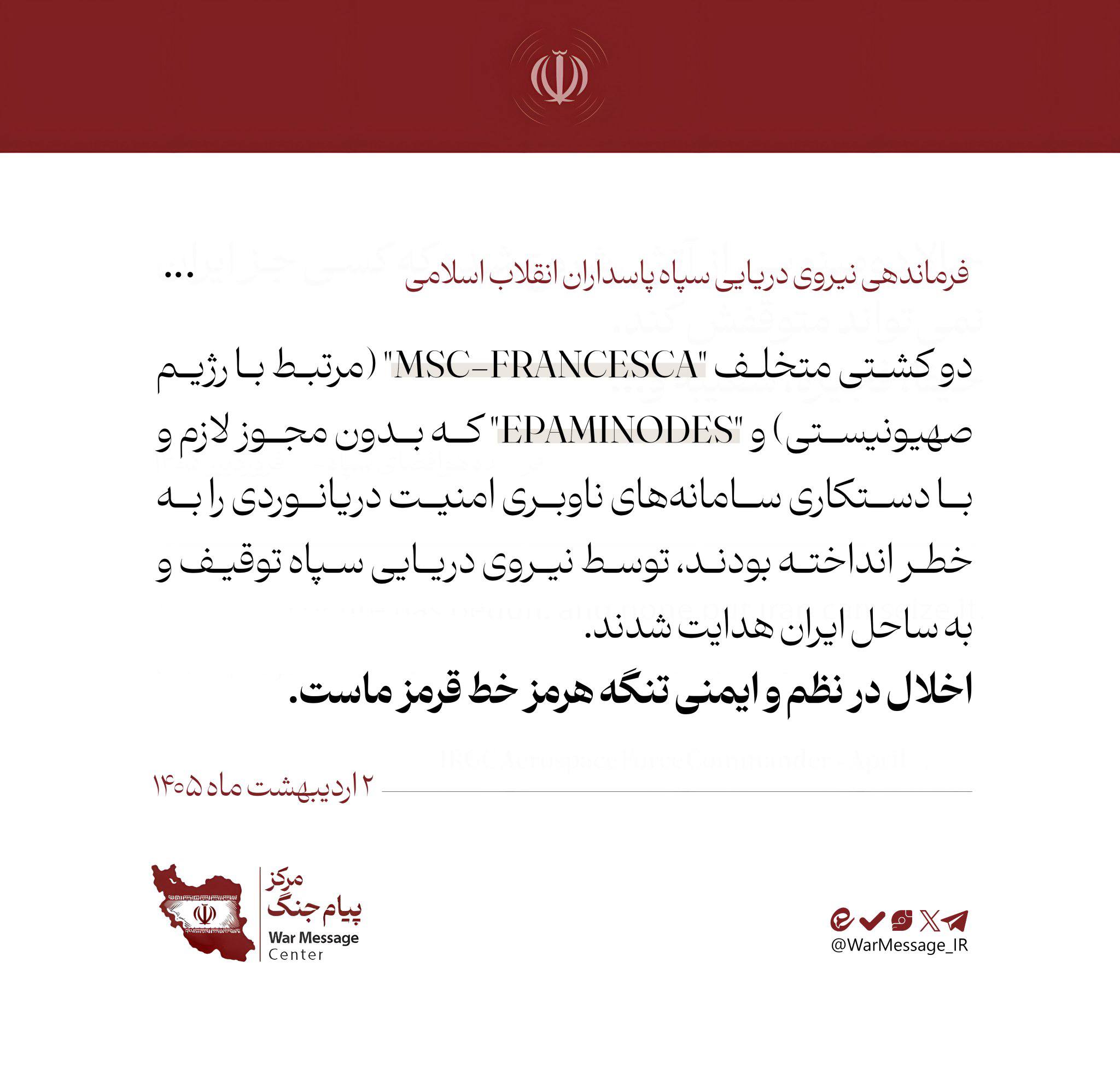
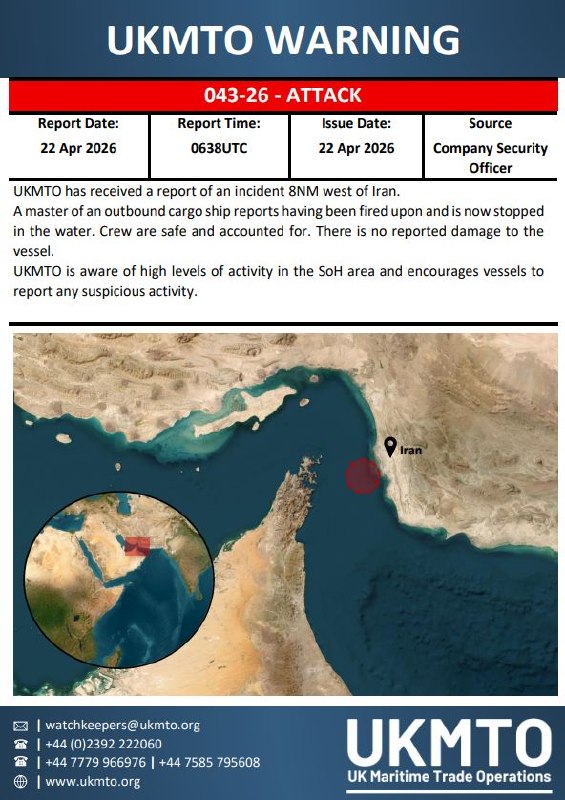
Iran’s Islamic Revolutionary Guard Corps (IRGC) intensified its naval posture throughout the day. At 10:00 UTC, Iranian naval forces seized two cargo ships—MSC Francesca and Epaminondas—citing lack of prior coordination. A third container vessel was later fired upon, though no damage was reported. Satellite imagery released by monitor_the_situation showed more than 20 Iranian gunboats moving from the mid‑Strait toward Iran’s coastline, likely laying naval mines in anticipation of a U.S. blockade.These actions represent a coordinated effort to control maritime traffic and challenge the U.S. naval presence.
Further evidence of IRGC aggression emerged from OSINTdefender, which documented the seizure of two additional cargo ships, MSC Francesca and Epaminondas, and an attempted capture of a third vessel, Euphoria. The IRGC also deployed a swarm of 33 fast‑attack boats, as captured by GeoPWatch, moving from the Strait into Iranian coastal waters. The boats returned later in the day after allegedly attacking and seizing three vessels, confirming the IRGC’s capacity for rapid, high‑intensity maritime operations.
Iranian Drone Activity in Iraq and Regional Targets
Iran extended its kinetic reach beyond its own waters. At 11:03 UTC, monitor_the_situation reported Iranian drone strikes on a Kurdish separatist training camp in Iraqi Kurdistan, marking a direct cross‑border use of unmanned aerial systems. Later, GeoPWatch identified Iranian one‑way attack drones striking the Khurmala Dome oil field in Iraq, a site linked to Israeli interests. These drone operations illustrate Tehran’s willingness to employ precision strike capabilities against perceived adversaries outside its borders, complicating the security calculus for neighboring states.
U.S. Carrier Strike Group Deployment
In response to the escalating maritime threats, the U.S. Navy moved the USS George H.W. Bush carrier strike group toward the Strait of Hormuz. The deployment, reported by monitor_the_situation at 17:18 UTC, aligns with the expiration of President Trump’s deadline for Iran, signaling a potential escalation in U.S. force posture. The carrier group’s presence is intended to deter further IRGC seizures and to protect commercial shipping, but it also raises the risk of direct confrontation between U.S. and Iranian naval assets.
Implications for Regional Security
The convergence of high‑casualty U.S. injuries, aggressive IRGC naval seizures, and cross‑border drone strikes marks a notable escalation in kinetic activity centered on Iran. The pattern suggests a coordinated Iranian strategy to leverage maritime denial and unmanned strike capabilities to pressure U.S. forces and regional allies. At the same time, the United States is reinforcing its deterrence through carrier deployment and heightened naval patrols, creating a volatile environment where miscalculation could trigger broader conflict.
Analysts note that the rapid succession of events—naval seizures, drone attacks, and the carrier group’s movement—reflects a narrowing window for diplomatic de‑escalation. The continued wounding of U.S. personnel without a clear single cause indicates that the conflict has entered a phase of dispersed, low‑intensity but cumulatively significant kinetic engagements.