On 22 April 2026, Ukraine experienced a surge of kinetic events spanning missile strikes, artillery bombardments, UAV engagements, and ground offensives. The day began with a high‑precision Russian airstrike on Zaporizhzhia City and concluded with renewed fighting in the Donbas and northeastern regions. The following analysis details each verified incident, outlines the weapons and units involved, and highlights emerging operational patterns.
Su‑57‑launched Kh‑59/69 cruise missile strikes Zaporizhzhia City
At 13:11 UTC, a Russian Su‑57 stealth fighter launched a Kh‑59/69 cruise missile targeting Zaporizhzhia City in Zaporizhzhia Oblast. The missile traversed the southern part of the oblast before impacting the urban area, as reported by the Telegram channel monitor_the_situation (source). No civilian casualties were confirmed in the immediate aftermath, but the strike demonstrates Russia’s continued use of advanced air‑launched cruise missiles against densely populated centers.
Russian attacks on Odesa port and railway worker casualty in Zaporizhzhia
Earlier in the day, at 09:16 UTC, Russian forces conducted a strike on the strategic Odesa port. The attack resulted in the death of a railway worker in nearby Zaporizhzhia, as documented by AlJazeera (source). Ukraine’s deputy prime minister condemned the operation, stating:
"These attacks on civilian infrastructure are another proof of terrorism."The incident underscores the targeting of logistics hubs and the collateral human cost of such strikes.
Ukrainian strike on Russian Black Sea Fleet traffic control hub in Sevastopol
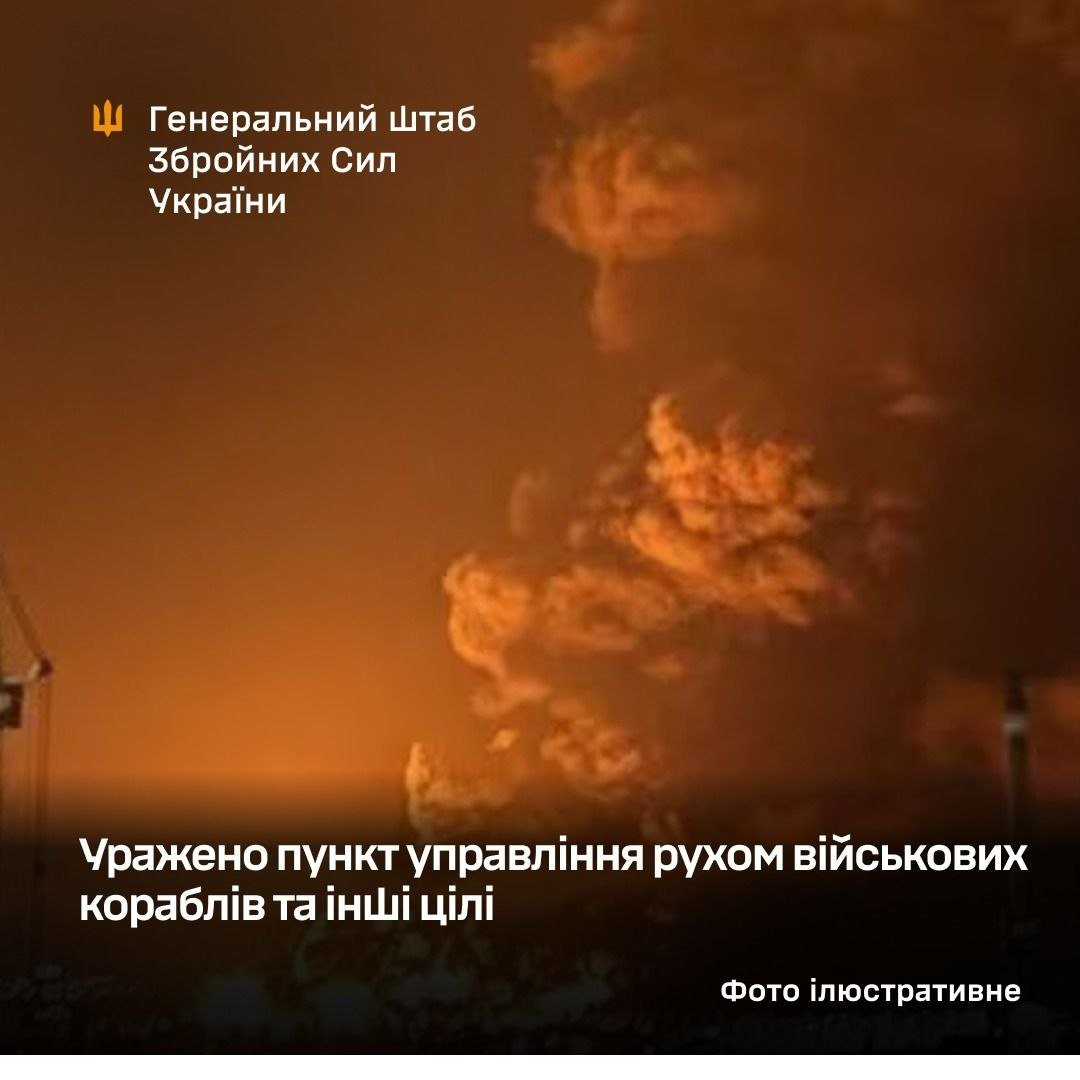
At 07:50 UTC, Ukrainian forces executed a coordinated operation against Russian command and control assets. The primary target was a vessel traffic control hub of the Black Sea Fleet in Sevastopol, Crimea. Simultaneously, UAV control centers in Kursk and command posts in Belgorod and occupied Donetsk were hit. The operation, reported by monitor_the_situation (source), included photographic evidence of the Sevastopol strike. While casualty figures were not disclosed, the attack represents a rare deep‑strike capability by Ukrainian forces against Russian maritime and air‑defense infrastructure.
Ground combat escalations in the east and north
Multiple ground movements were recorded throughout the day:
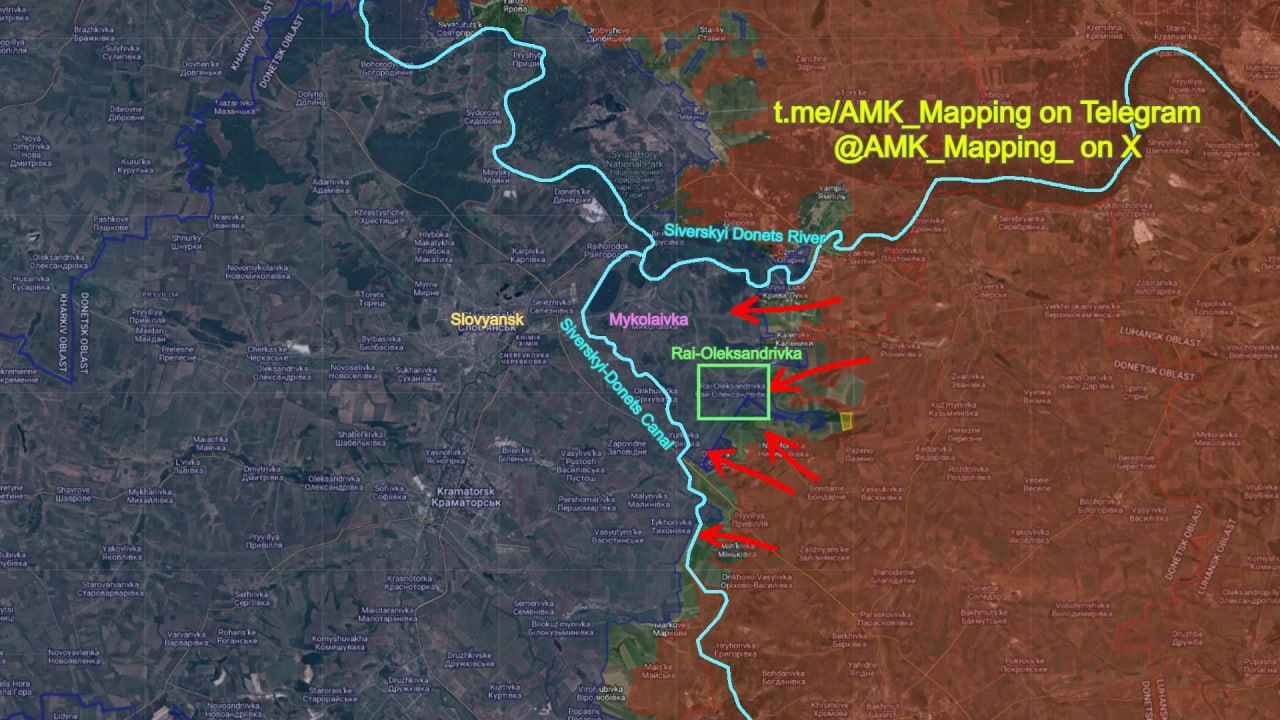
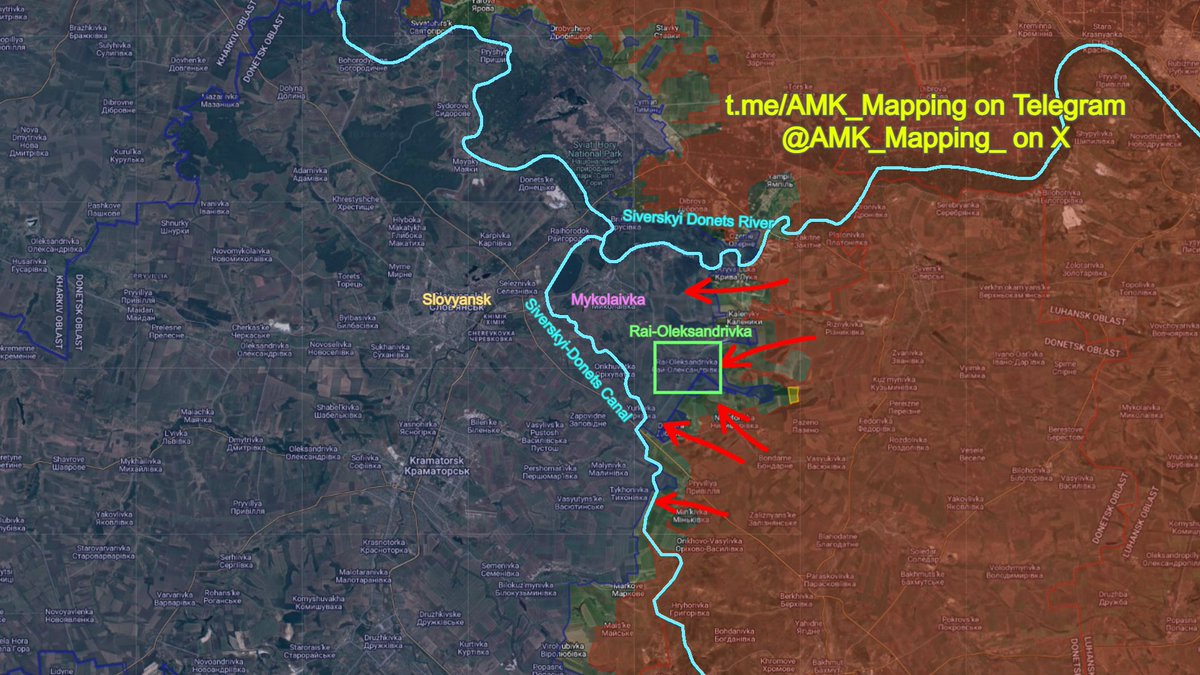
- Ray‑Alexandrovka (Nikiforovka area) – At 16:32 UTC, Russian troops entered the eastern houses of Ray‑Alexandrovka, prompting fierce Ukrainian counter‑attacks aimed at securing a corridor toward Nikolayevka and Slaviansk. The clash, reported by CIG_telegram (source), is described as a pivotal spring battle.
- Rai‑Oleksandrivka, Donetsk Oblast – At 07:26 UTC, Russian forces seized houses in the village, marking a key phase of the Donbas offensive (source).
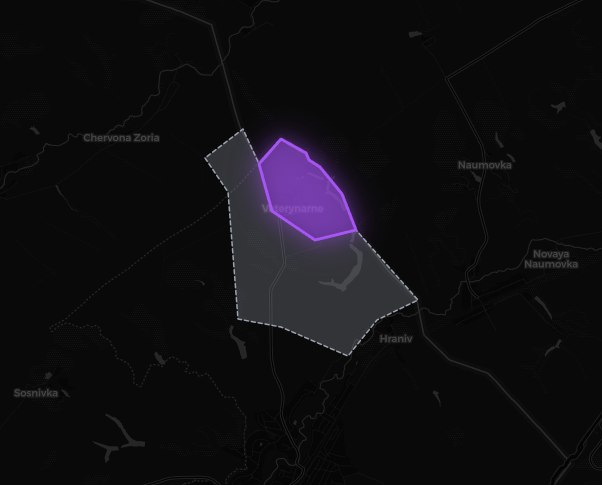
- Veterynarne, Sumy Oblast – At 06:13 UTC, Russian troops advanced into this border village, extending the front line in northeastern Ukraine (source).
These movements indicate a multi‑axis push by Russian forces, seeking to exploit gaps in Ukrainian defensive lines while Ukrainian units conduct localized counter‑offensives.
Rocket and missile engagements
Several rocket systems were employed against Ukrainian positions:
- Komsomolske, Zaporizhzhia Oblast – At 12:30 UTC, the 35th NBC Protection Regiment’s TOS‑1A “Solntsepyok” multiple rocket launcher fired on Ukrainian positions. The regiment belongs to the 35th Guards Combined Arms Army, highlighting the use of thermobaric munitions in support of advancing Russian units (source).
- Senkove, Kharkiv Oblast – At 12:20 UTC, a Ukrainian temporary deployment point was destroyed by a Russian Kh‑39 Light Multipurpose Guided Missile (LMUR). The strike was captured on video and posted by intelslava (source).
Both incidents demonstrate Russia’s reliance on short‑range, precision‑guided rockets to disrupt Ukrainian forward operating bases.
UAV and drone actions
Unmanned systems continued to shape the battlefield:
- FPV drone pursuit – At 12:56 UTC, a Ukrainian first‑person‑view (FPV) drone chased two Russian soldiers who fled into a water obstacle on the Donbas frontline. The footage, posted by monitor_the_situation, illustrates the use of low‑cost, high‑mobility drones for reconnaissance and harassment (source).
- Yolka interceptor – At 10:18 UTC, a Russian soldier employed a Yolka hand‑launched interceptor drone to down a Ukrainian one‑way attack drone over the Donbas frontline. The engagement, also reported by monitor_the_situation, underscores the growing sophistication of counter‑UAV tactics (source).
- Donetsk city drone strikes – At 06:34 UTC, drone attacks generated explosions in occupied Donetsk, with video evidence of multiple impacts. The strikes, attributed to Ukrainian forces, reflect ongoing aerial harassment of Russian‑held urban centers (source).
Operational trends and force posturing
Two additional observations provide context for the day's kinetic activity:
- Russian reserve regrouping – At 09:44 UTC, intelligence from intelslava indicated Russian forces were consolidating reserves on the front, suggesting preparation for a new offensive (source).
- Ukrainian strategic messaging – The coordinated strike on Sevastopol and the visible use of advanced weaponry signal Ukraine’s intent to degrade Russian command infrastructure while maintaining pressure on multiple fronts.
Collectively, the events of 22 April 2026 illustrate an escalation in both the intensity and the technological sophistication of kinetic operations across Ukraine. The simultaneous use of high‑value air‑launched missiles, thermobaric rocket systems, and UAVs points to a battlefield where conventional and asymmetric tools are increasingly interwoven.