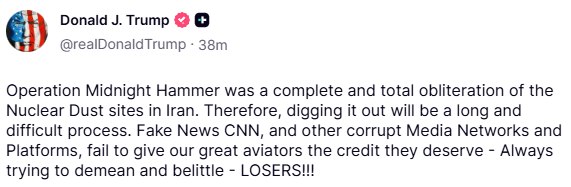
President Donald Trump announced on April 21 that U.S. forces have destroyed every Iranian nuclear facility, marking a dramatic escalation in the long‑standing U.S.–Iran confrontation. The claim, posted on the Telegram channel monitor_the_situation, was accompanied by a photo of a purported strike site, though no independent verification has yet emerged.
"American forces have obliterated all Iranian nuclear sites. Recovery of nuclear material is still required," the statement read.
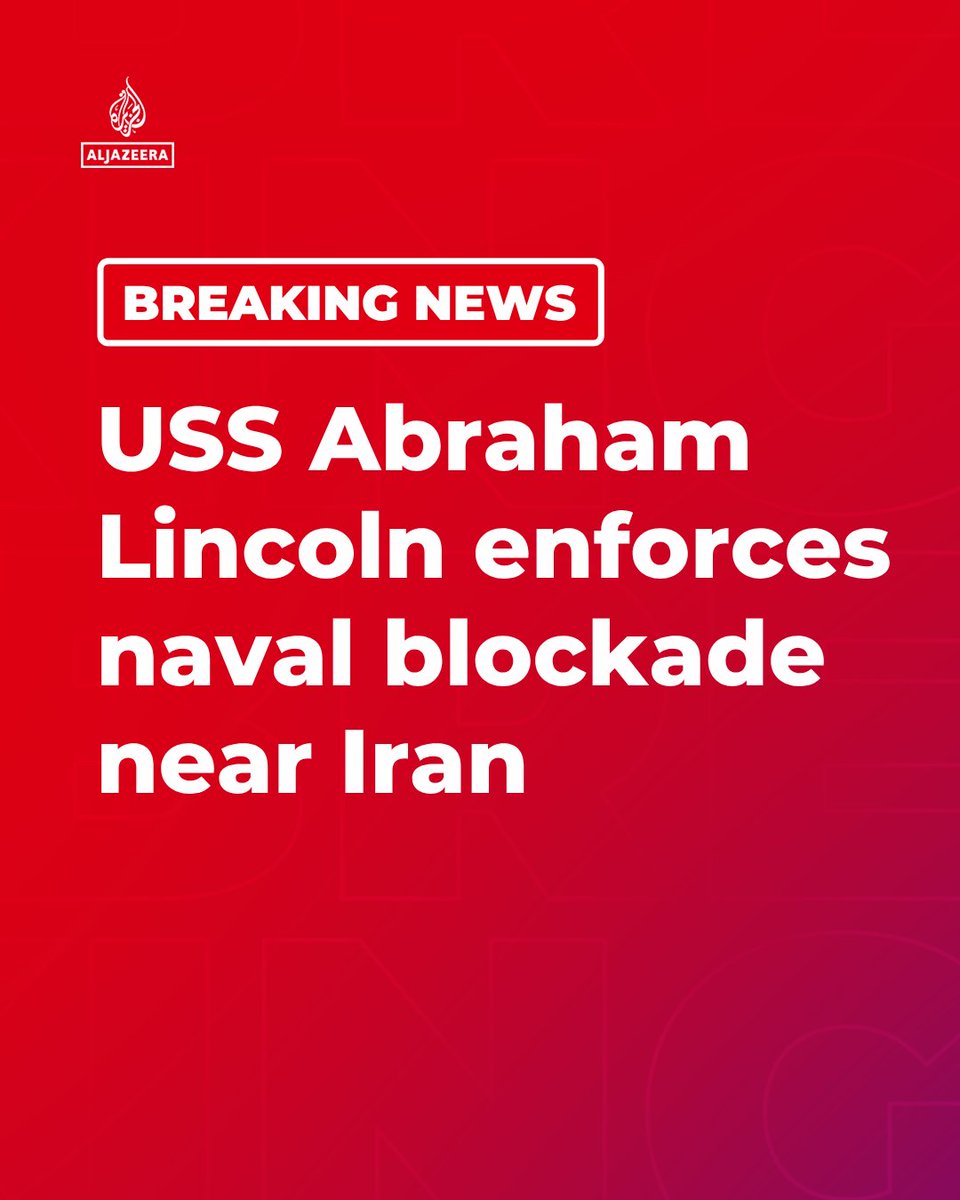
The announcement follows a series of coordinated U.S. naval operations in the Persian Gulf aimed at tightening a blockade around Iran’s ports. The U.S. Central Command confirmed that the aircraft carrier USS Abraham Lincoln is operating in the Strait of Hormuz to enforce the blockade, while the carrier USS George Bush is transiting from the Madagascar area toward the region to join the existing carrier pair, USS Abraham Lincoln near Oman and USS Gerald Ford in the Red Sea (source: idkunim_il).
Naval Enforcement Actions in the Strait of Hormuz
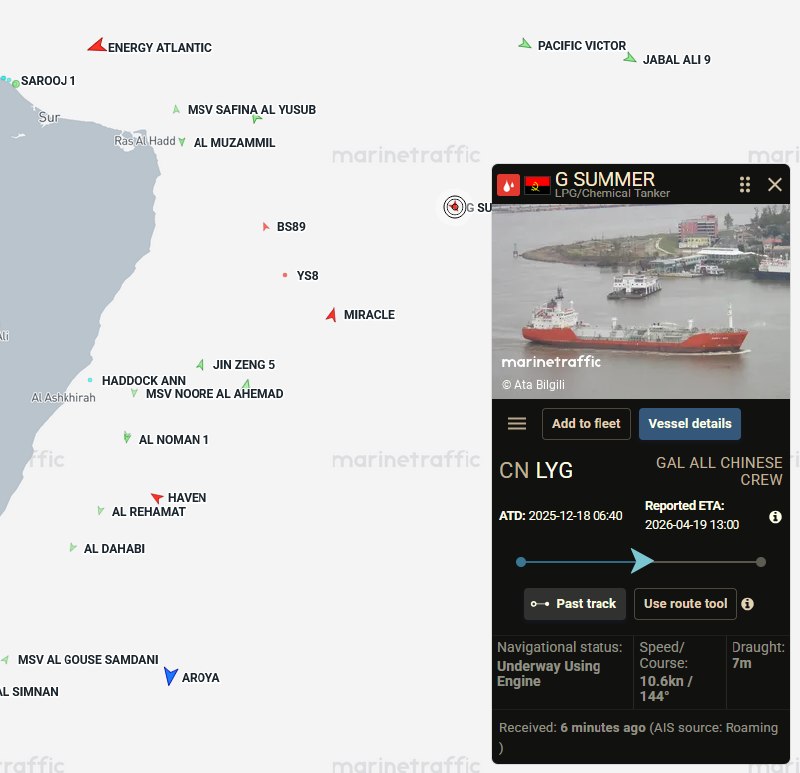
At 03:37:33 UTC, U.S. forces issued helicopter warnings and conducted Marine boardings that redirected 27 commercial vessels attempting to transit the Strait of Hormuz (source: monitor_the_situation). The operation underscores Washington’s intent to prevent Iranian‑linked shipments from reaching international markets. Later, the sanctioned vessel G Summer, listed by the Office of Foreign Assets Control (OFAC) and the United Nations‑sanctioned Iranian Network of Individuals (UANI), crossed the blockade line, highlighting the challenges of enforcing sanctions in busy international waters (source: monitor_the_situation).
Carrier Deployments and Regional Posturing
The deployment of three U.S. carriers—Abraham Lincoln, Gerald Ford, and the incoming George Bush—represents the most substantial surface‑fleet presence in the Gulf since the 2019 escalation. According to idkunim_il, the George Bush is expected to arrive within days, bolstering the blockade and providing additional air‑strike capability.
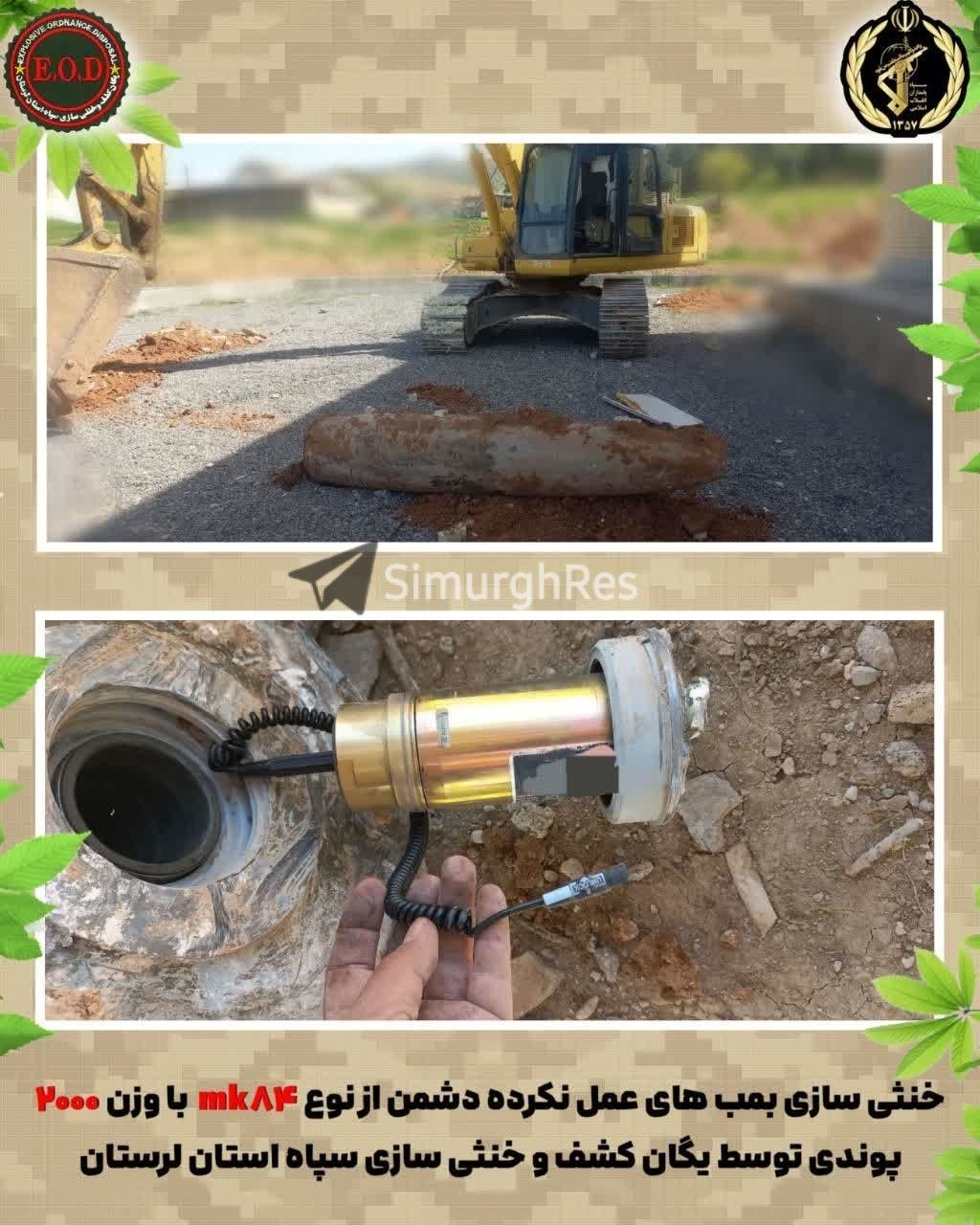
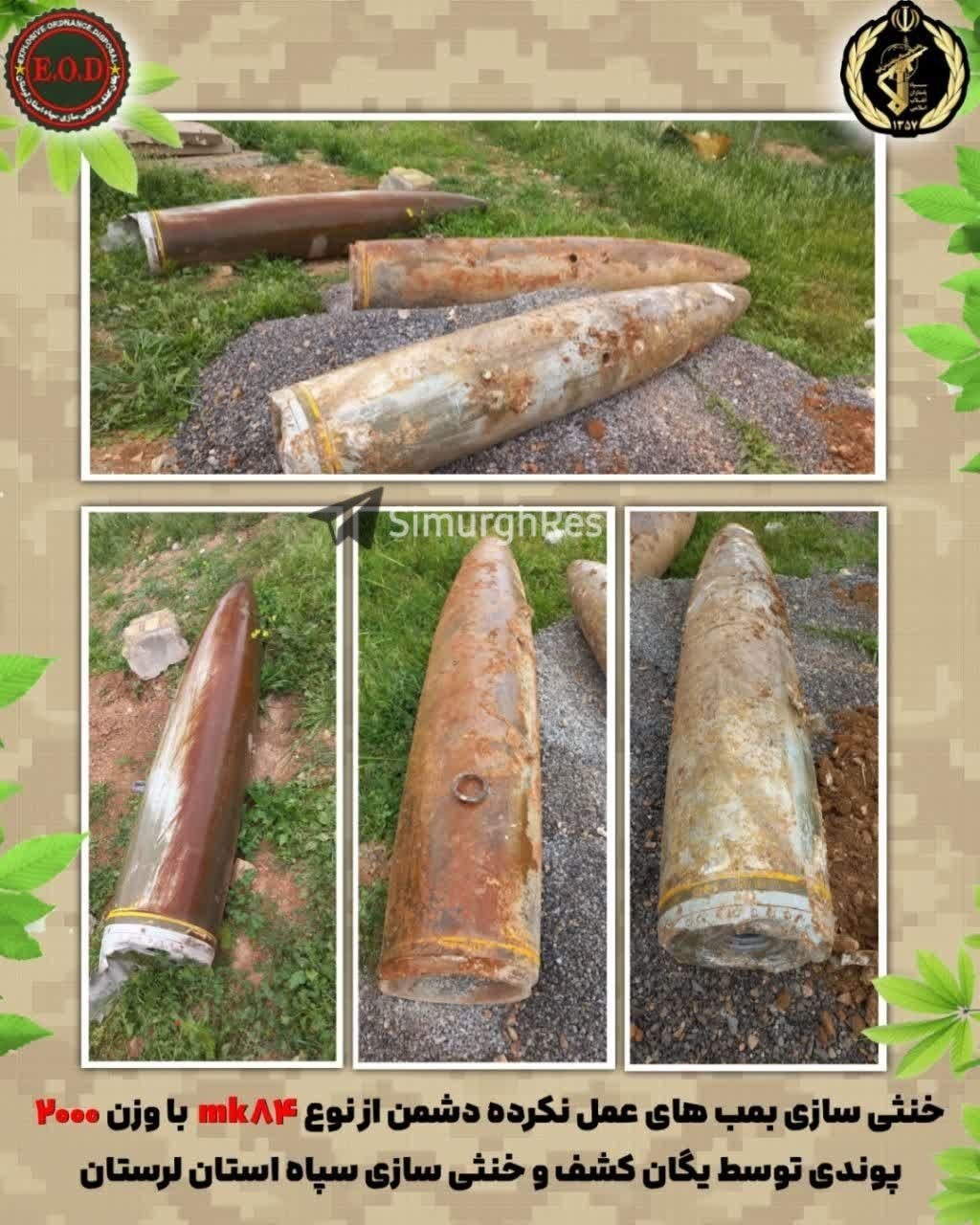
U.S. officials have not disclosed the specific weapons employed in the alleged strikes on Iranian nuclear facilities. However, the discovery of three unexploded U.S. MK‑84 2,000‑pound bombs in Iran’s Lorestan Province by the Islamic Revolutionary Guard Corps (IRGC) suggests that high‑yield, laser‑guided munitions have been deployed in the region (source: GeoPWatch). The IRGC’s disposal unit safely neutralized the bombs, noting their capability to penetrate 38 cm of steel and create craters up to 11 m deep.
Iranian and Allied Responses
Iran has not issued an official rebuttal to Trump’s claim, but the IRGC’s bomb‑neutralization effort indicates heightened vigilance against U.S. ordnance on Iranian soil. In parallel, Iranian‑aligned forces have intensified activities in adjacent conflict zones. Israeli‑backed Palestinian Popular Forces expanded patrols in Rafah and the Philadelphi Corridor, signaling coordinated security efforts among U.S. allies in the broader Middle East (source: monitor_the_situation).
In the Gaza Strip, Israeli naval forces opened fire off the coast, killing a Palestinian woman, an incident captured on video and disseminated by monitor_the_situation. While unrelated to the Gulf blockade, the event reflects the multi‑theater volatility surrounding the U.S.‑Iran standoff.
Peripheral Incidents Highlighting Regional Tension
Outside the immediate Gulf theater, a series of unrelated but noteworthy events occurred on April 21. In the West Bank, a vehicle from the convoy of Israeli politicians Ben Gvir or Orit Strook struck and killed a Palestinian teenager on Highway 60 near Jerusalem (source: idkunim_il). In Ukraine, Russian drones attacked Sumy, injuring six and damaging a medical facility (source: monitor_the_situation). In the United States, an explosion at oil infrastructure near Nacogdoches, Texas, was reported, though details remain limited (source: GeoPWatch).
Implications for International Security
The combination of a public U.S. claim of total nuclear facility destruction and an active maritime blockade raises several immediate concerns. First, the lack of independent verification of the strikes creates uncertainty about the actual status of Iran’s nuclear program. Second, the enforcement of a naval blockade in the Strait of Hormuz—through warnings, boardings, and the interception of sanctioned vessels—poses a risk of inadvertent escalation with commercial shipping and third‑party states.
Finally, the presence of high‑explosive MK‑84 bombs on Iranian territory underscores the potential for collateral damage and civilian casualties should further strikes occur. Monitoring agencies will need to track both the operational tempo of U.S. carrier groups and Iran’s retaliatory capabilities, including missile deployments and asymmetric naval tactics.