On 21 April 2026, Ukrainian forces faced the most intensive kinetic assault of the year as Russian forces deployed a coordinated swarm of unmanned aerial vehicles (UAVs) and conventional air‑strike assets across the eastern front. The operation resulted in six civilian deaths, 59 injuries and extensive material damage, underscoring the escalating intensity of the conflict.
Drone Swarm Over the Donbas
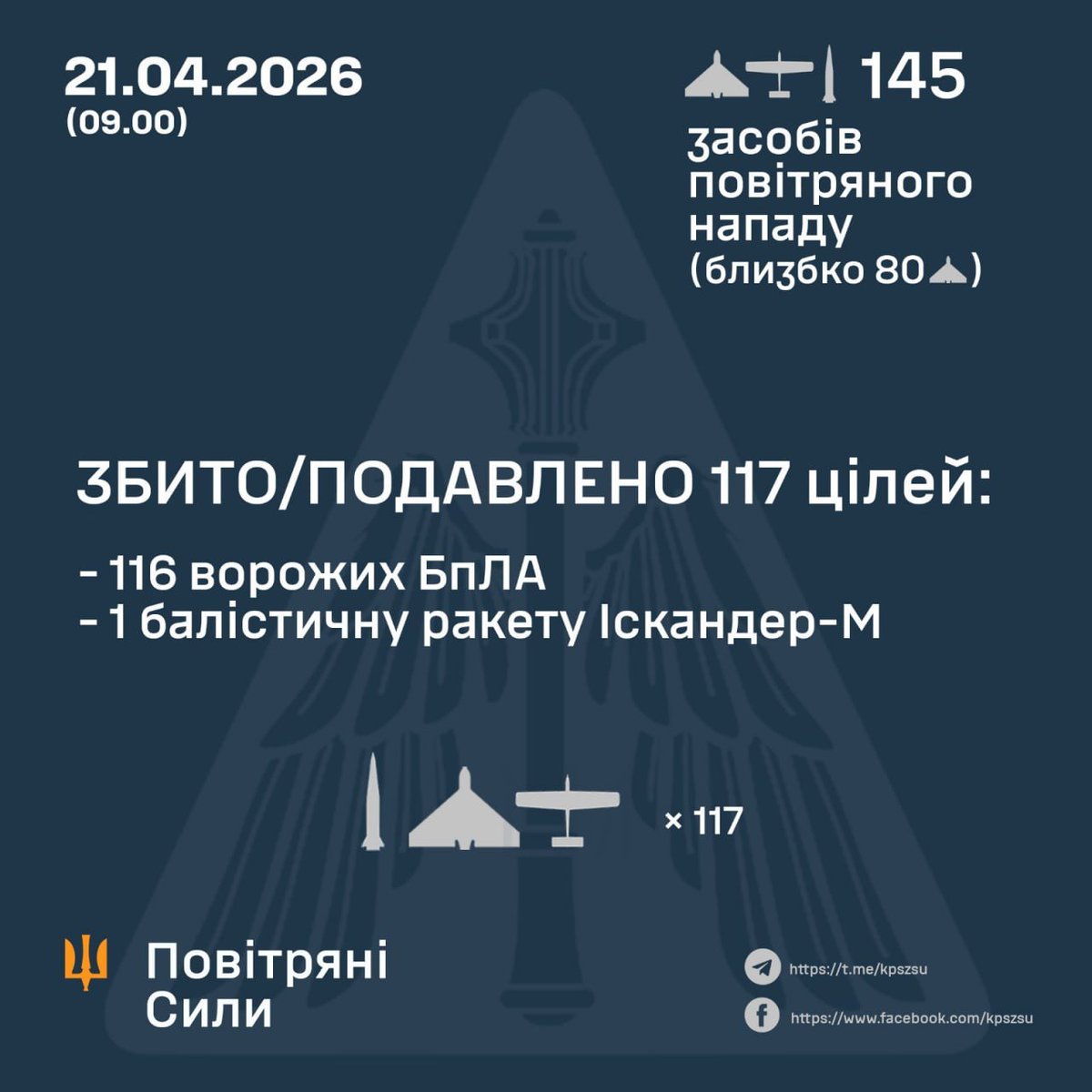
At 09:16 UTC, Russian forces launched 143 Shahed‑type drones targeting the Donbas region. Ukrainian air defenses engaged the swarm, downing or jamming 116 drones and intercepting an Iskander‑M ballistic missile launched simultaneously. Despite the high interception rate, six civilians were killed and 59 were wounded in residential areas, according to the monitoring channel monitor_the_situation and corroborated by KyivIndependent. The Ukrainian Air Force’s rapid response demonstrated the effectiveness of integrated radar‑guided air‑defence systems, yet the casualty figures highlight the persistent threat posed by low‑cost UAVs.
"Russian forces launched 143 drones overnight, with Ukrainian Air Force downing or jamming 116," – monitor_the_situation, 21 Apr 2026.
Aerial Bombardments in Donetsk Oblast
Within hours of the drone attack, Russian air units struck the city of Kostiantynivka in Donetsk Oblast using aerial bombs. Video released by the Ukrainian State Border Guard Service showed multiple explosions and smoke plumes over the industrial district. The strike caused civilian casualties and damaged critical infrastructure, though exact numbers remain unverified. The incident was reported by monitor_the_situation.
Missile Strikes in Sumy Oblast
Russian air power also targeted the Sumy region with precision‑guided munitions. At 10:31 UTC, a Su‑57 fighter jet launched a Kh‑59/69 cruise missile at Lypova Dolyna, while a separate Su‑57 fired an unidentified missile at Lebedyn at 10:25 UTC. Both attacks were captured on video and posted by the same monitoring channel. Later, at 09:17 UTC, a Kh‑31P anti‑radar missile struck the town of Buryn, demonstrating the use of specialized missiles to suppress Ukrainian air‑defence radars.
Ukrainian Counter‑Air Measures
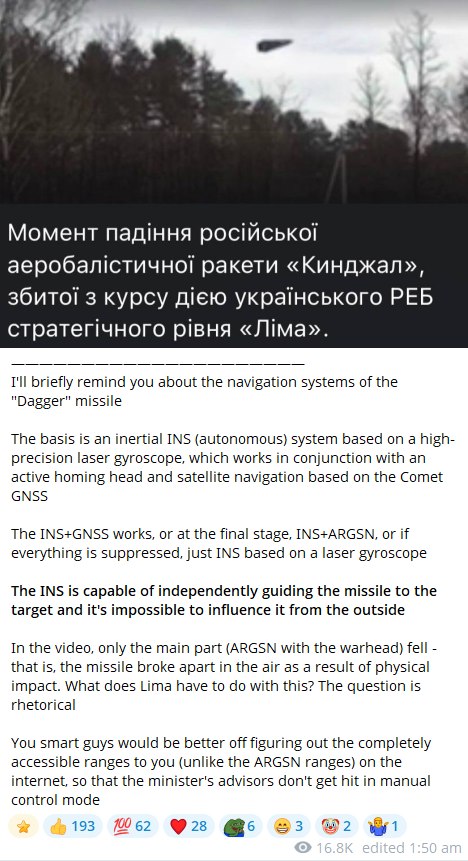
Ukrainian air‑defence units recorded a series of successful interceptions across the front. Notably, a Patriot PAC‑3 system downed a Russian Kinzhal hypersonic missile over the Donbas region at 06:12 UTC, marking one of the few confirmed defeats of this high‑speed weapon. Additionally, Ukrainian forces destroyed a Russian Msta‑B howitzer and associated ammunition depot near the Sumy‑Kursk border, as shown in video evidence from monitor_the_situation. These actions illustrate Ukraine’s growing proficiency in both aerial and ground‑based counter‑measures.
Cross‑Border Kinetic Operations
Beyond the immediate battlefield, the day featured several cross‑border kinetic events that compound the security environment. Ukrainian HIMARS rockets struck Belgorod City in Russia at 07:12 UTC, prompting activation of Russian S‑300 air‑defence batteries. Conversely, Russian forces employed Shahed and Gerbera drones remotely from Russian territory, as confirmed by the Ukrainian Air Force at 17:07 UTC, indicating a persistent capability to project UAV attacks from within Russia’s borders.
In the southern theatre, Russian forces employed a Su‑57 to launch a Kh‑59/69 cruise missile at Lypova Dolyna, while Ukrainian drone units targeted oil infrastructure deep inside Russian territory, including a fire‑inducing strike on the Samara oil processing station at 10:02 UTC and a blaze at the Tuapse refinery at 06:26 UTC. These actions reflect a widening of the kinetic envelope, with both sides striking strategic assets far beyond the front lines.
Implications and Outlook
The coordinated drone swarm, combined with conventional air strikes and missile attacks, signals a shift toward multi‑domain kinetic operations by Russian forces. While Ukrainian air‑defence systems successfully neutralised the majority of UAVs, the civilian toll and infrastructure damage underscore the limitations of current protective measures against saturated attacks. The successful interception of a Kinzhal missile demonstrates that high‑value threats can be mitigated, yet the continued use of such weapons may prompt further escalation.
For Ukrainian commanders, the imperative is to enhance early‑warning radar coverage, expand electronic‑warfare capabilities against UAV command‑and‑control links, and sustain the logistical flow of air‑defence ammunition. For analysts, the events of 21 April provide a clear data point on the evolving tactics of the Russian military: leveraging large UAV swarms to overwhelm defenses while simultaneously deploying precision strike aircraft to strike high‑value targets.