On 20 April 2026, Ukraine experienced a wave of kinetic events that heightened the intensity of the conflict. The most severe incident was a series of strikes on civilian infrastructure in the Chernihiv region, which killed twelve civilians and injured seventy-three, including a sixteen‑year‑old boy. The attacks, reported by monitor_the_situation, illustrate the growing risk to non‑combatants as both sides intensify targeting of logistical and energy assets.
Chernihiv Region Civilian Casualties
Between 17 and 19 April, coordinated strikes hit power and transport facilities in the Chernihiv region and adjacent areas. According to a volunteer summary posted on the monitor_the_situation channel, twelve civilians were killed and seventy‑three were wounded. The casualty list includes a sixteen‑year‑old male, underscoring the indiscriminate nature of the attacks. No specific weapons were identified, but the pattern suggests the use of precision‑guided munitions against infrastructure.
"Strikes Kill 12 Civilians in Chernihiv Region, Ukraine" – monitor_the_situation, 12:56 UTC, 20 April 2026.
Unexplained Explosions in Zaporizhzhia City
At 08:38 UTC, residents of Zaporizhzhia City reported a series of powerful explosions across the urban area. The source of the blasts remains unclear; no aerial targets were detected, and neither side claimed responsibility. The incident, documented by monitor_the_situation, adds to the mounting pressure on the city, which already endures regular artillery fire from Russian positions.
Ukrainian Special Forces Disrupt Russian Logistics
At 17:10 UTC, Ukrainian special forces conducted raids on Russian supply depots near Mariupol and Zaporizhzhia. The operation targeted ammunition stores, repair workshops, and fuel caches along the supply corridor linking Russian forces to Crimea. While casualty figures were not disclosed, the raids are believed to have temporarily hampered Russian rear‑area logistics, according to the same monitoring channel.
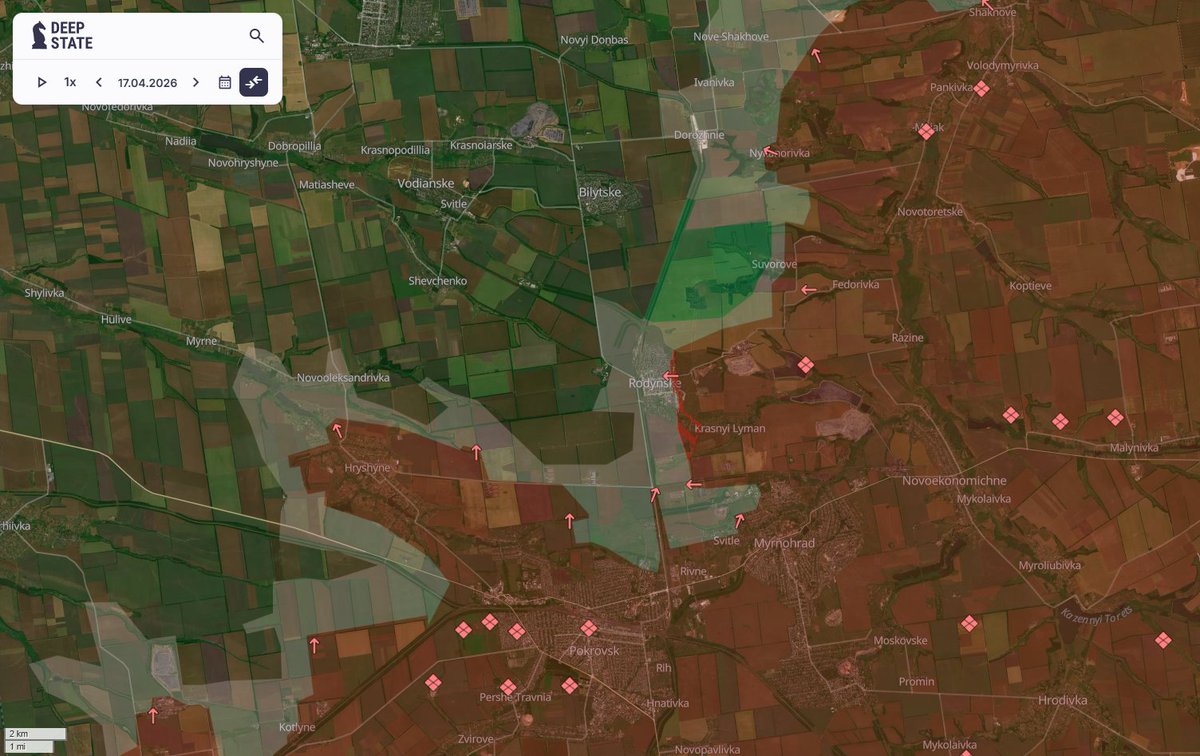
Russian Advance in Rodynske, Donetsk Oblast
At 16:11 UTC, open‑source mapping confirmed Russian forces advancing into the village of Rodynske in Donetsk Oblast. The move extends Russian control east of Slovyansk and threatens Ukrainian defensive lines along the Sumy border. No immediate counter‑offensive was reported, but the advance signals a continued effort by Moscow to consolidate gains in the Donbas.
Escalating Drone and Missile Activity
Throughout the day, both sides employed a variety of unmanned and missile systems:
- Russian Geran‑2 and Geran‑3 drones struck the Chernihiv Thermal Power Plant, a 35 kV substation in Shakhtarske, and a railway depot in Kharkiv, causing temporary outages and infrastructure damage.
- Ukrainian HIMARS rockets and FPV drones destroyed a heavily modified Russian T‑55 tank near Huliaipole.
- The Ukrainian 21st Mechanized Brigade used combat drones to repel a Russian assault on the Donbas frontline, destroying enemy vehicles and personnel.
- Ukraine’s Lima electronic warfare system intercepted 26 Kinzhal hypersonic missiles, 33 cruise missiles, and over 10,000 drones in the Donbas region, achieving a 98 % disruption rate, as reported by monitor_the_situation.
- French‑supplied Mistral surface‑to‑air missiles shot down a Russian cruise missile over Donbas, confirming the effectiveness of Western air‑defence aid.
Ukrainian Strikes on Russian Naval Assets
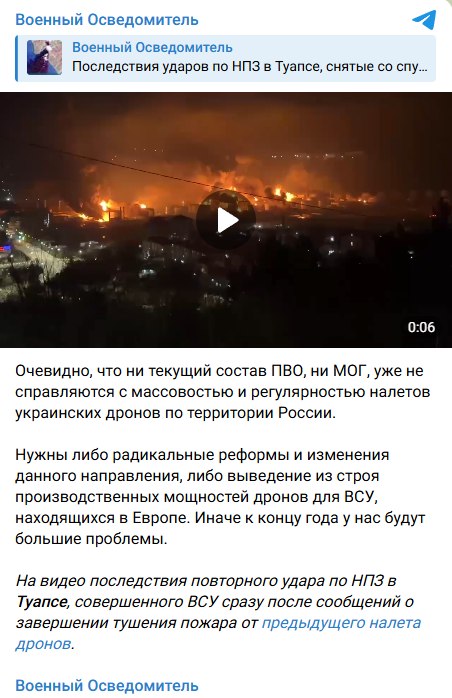
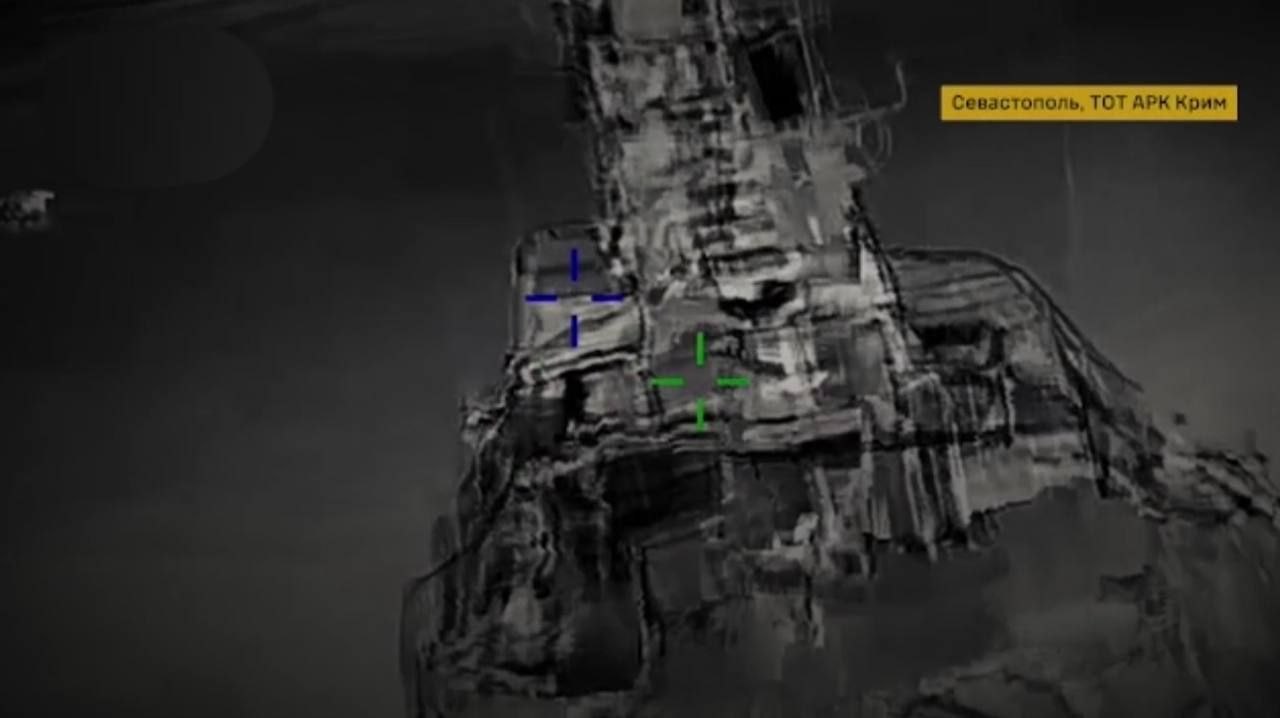
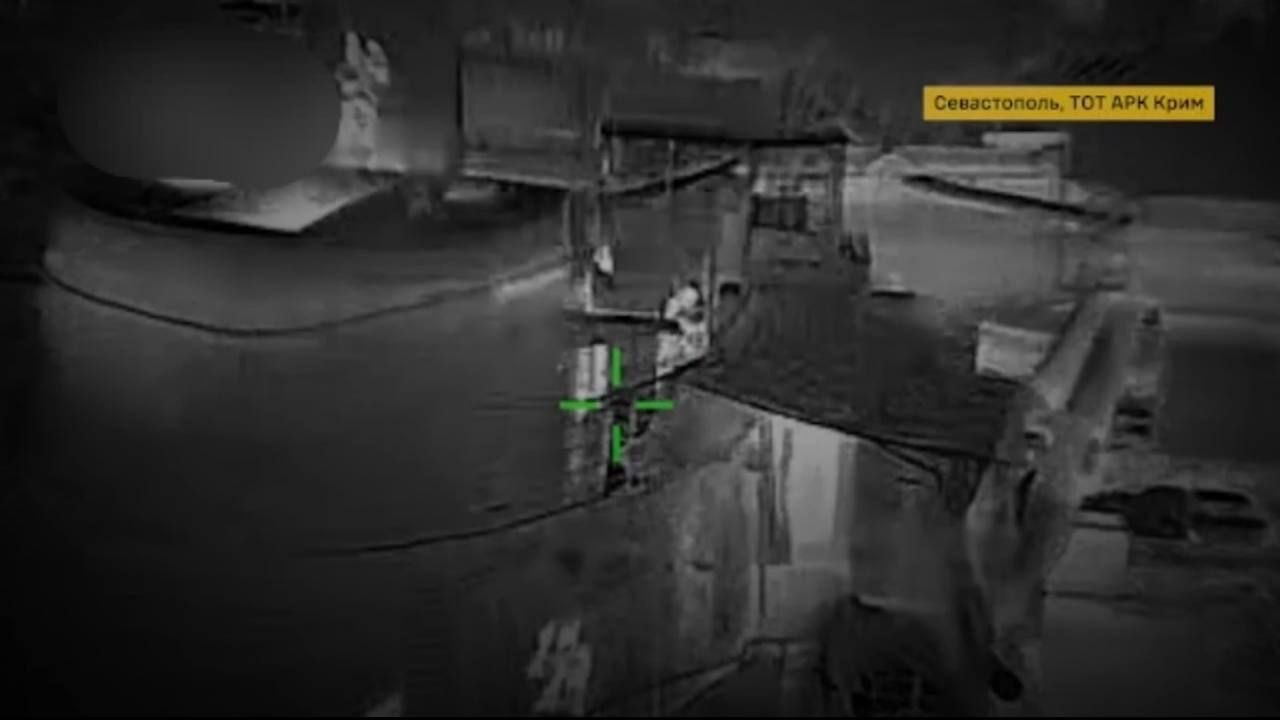
Earlier in the day, Ukrainian forces targeted Russian maritime infrastructure. Video evidence released by the Ukrainian General Staff showed strikes on the Tuapse oil refinery in Krasnodar and two Russian landing ships docked in Sevastopol. The attacks ignited fires at the refinery and a Crimea fuel base, demonstrating Ukraine’s expanding long‑range strike capability.
Regional Context and Implications
The kinetic surge in Ukraine occurs alongside heightened tensions elsewhere, including U.S. naval seizures of Iranian vessels in the Strait of Hormuz and Iranian missile and drone launches against Gaza and Israel. While these events lie outside the Ukrainian theater, they reflect a broader pattern of escalating kinetic engagements across multiple fronts.
Overall, the day's events underscore a shift toward intensified targeting of both military and civilian infrastructure, increased reliance on unmanned systems, and the growing impact of electronic warfare on the battlefield.