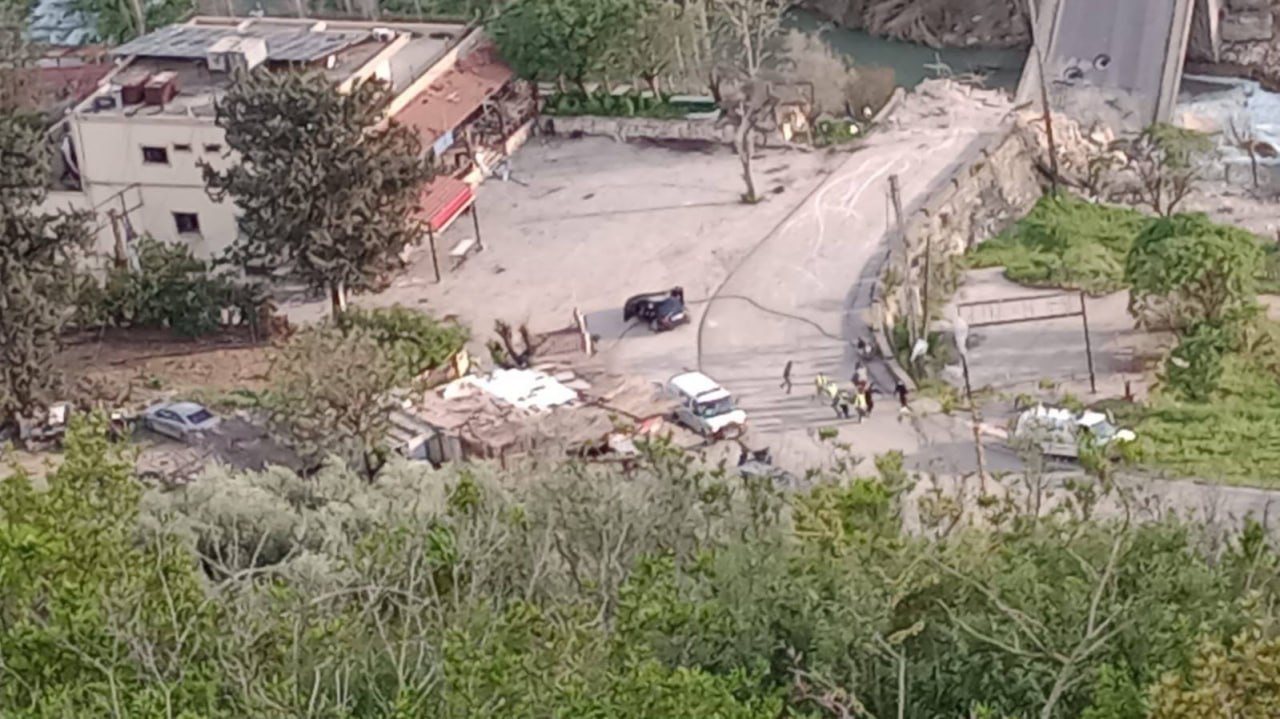
On April 20, 2026, the most lethal kinetic event recorded in Lebanon was an Israeli airstrike targeting the Qaquaiyet al‑Jisr area near Bint Jbeil and the Litani River. According to BellumActaNews, the strike killed three individuals and eliminated several Hezbollah operatives who were reportedly approaching Israeli troops in the vicinity. The Israeli Air Force, operating under the broader Israel Defense Forces (IDF) command, confirmed the operation, stating that the target was a Hezbollah position that posed an immediate threat to ground forces. The casualty figure of three, while modest, reflects the precision of the strike and its strategic intent to degrade Hezbollah’s operational capacity in the south (Source: BellumActaNews, https://t.me/BellumActaNews/171335).
Widespread Infrastructure Destruction Across Southern Lebanon
Earlier in the day, at 12:21 UTC, Israeli forces conducted a coordinated campaign that resulted in the demolition of critical infrastructure in 39 villages throughout southern Lebanon. The information, relayed by the monitoring channel monitor_the_situation, cites a Hezbollah official who confirmed the extensive damage. While specific structures were not enumerated, the scale of the operation suggests a systematic effort to disrupt civilian logistics, communications, and possibly supply routes used by Hezbollah fighters. No casualties were reported in this particular action, but the destruction of civilian infrastructure raises significant humanitarian concerns and may exacerbate displacement trends in the region.
"Israel destroys infrastructure in 39 South Lebanon villages," reported a Hezbollah spokesperson via monitor_the_situation.
Airstrike on Kfarkela Village
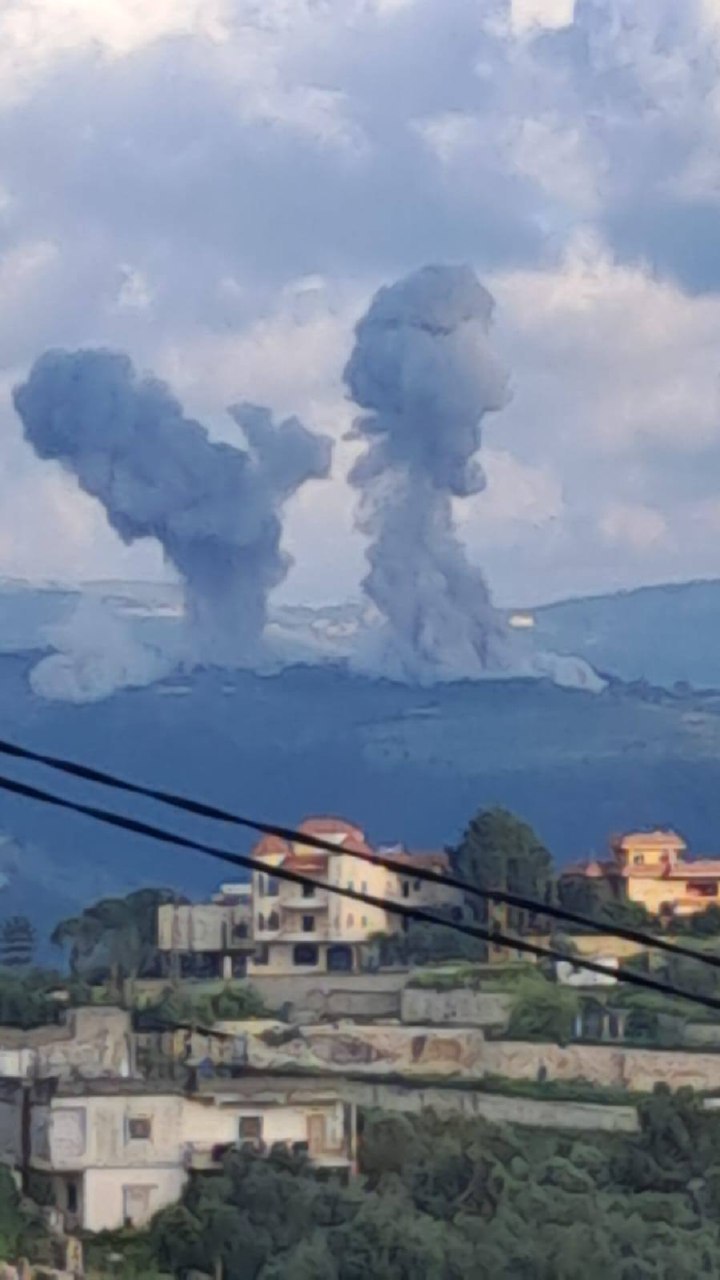
At 06:06 UTC, the Israeli military executed an airstrike on the village of Kfarkela, also located in southern Lebanon. The strike targeted what Israeli sources described as Hezbollah positions, though no casualty figures were released. The operation was documented in a video posted by monitor_the_situation, indicating the use of precision-guided munitions, though the specific weapon system was not disclosed. This action aligns with a broader pattern of aerial engagements aimed at neutralizing Hezbollah’s fire‑power assets ahead of potential ground incursions.
Hezbollah IED Attack on IDF Positions
At 15:40 UTC, Hezbollah claimed responsibility for an improvised explosive device (IED) attack directed at Israeli Defense Forces (IDF) positions in southern Lebanon. The incident, reported by monitor_the_situation, underscores the asymmetric tactics employed by Hezbollah in response to Israeli air and ground pressure. While the exact location within the southern theater was not specified, the use of an IED indicates a continued capability to inflict personnel losses and to challenge Israeli mobility. No casualty numbers were provided for either side, but the attack contributes to the escalating cycle of retaliation.
Large‑Scale Demolitions in Deir Seryan
At 15:18 UTC, the IDF carried out extensive demolition operations in the village of Deir Seryan. According to a photo release by GeoPWatch, the demolitions involved the removal of structures deemed to be of strategic value to Hezbollah, possibly including tunnels, storage facilities, or command posts. The operation was described as “large” by the source, suggesting a significant allocation of engineering units and explosives. No civilian casualties were reported, but the destruction of homes and community assets may have longer‑term socio‑economic impacts on the local population.
IDF Strikes Ready‑to‑Fire Hezbollah Launcher and Issues Civilian Warning
At 08:46 UTC, the Jerusalem Post reported that the IDF successfully struck a ready‑to‑fire Hezbollah rocket launcher in southern Lebanon. The strike was accompanied by a public warning urging civilians not to move south of certain villages, reflecting an operational emphasis on minimizing collateral damage while maintaining pressure on Hezbollah’s launch capabilities. The warning indicates a tactical approach that combines kinetic action with information operations aimed at influencing civilian movement patterns, thereby reducing the risk of unintended casualties.
Collectively, these events illustrate a multi‑dimensional Israeli campaign that integrates airpower, engineering demolition, and targeted strikes against both conventional and irregular threats. The simultaneous destruction of infrastructure across dozens of villages suggests a strategic objective to impair Hezbollah’s logistical networks and to exert pressure on the civilian population to limit support for militant activities. Hezbollah’s response, characterized by IED attacks and public claims of operational successes, demonstrates its resilience and capacity to adapt to Israeli tactics. The ongoing exchange of kinetic actions raises the risk of further escalation, particularly if either side expands the scope of operations beyond the current tactical focus.