On 19 April 2026, Russian forces launched an Iskander ballistic missile at Kramatorsk in Donetsk Oblast, delivering the day’s most severe kinetic event. The strike, reported by the monitoring channel monitor_the_situation, underscores the continued use of long‑range precision weapons in the conflict and follows a pattern of escalatory actions on both sides of the front.
"Russian Iskander Missile Strikes Kramatorsk, Ukraine" – monitor_the_situation
The missile impacted an industrial zone on the city’s outskirts. Initial assessments indicated no confirmed civilian casualties, though damage to infrastructure was reported. The Iskander system, capable of delivering conventional or nuclear payloads at ranges up to 500 km, remains a central element of Russia’s strategic strike capability.
Ukrainian Counter‑Rocket Operations from Kharkiv
At 11:51 UTC, Ukrainian forces employed multiple HIMARS rockets from positions in Kharkiv Oblast targeting military installations in Russia’s Belgorod region. The operation, also documented by monitor_the_situation, reflects Ukraine’s use of U.S‑supplied precision rocket artillery to strike cross‑border targets.
"Ukrainian HIMARS Rockets Fired from Kharkiv Toward Russia's Belgorod" – monitor_the_situation
According to the source, the rockets reached designated sites without reported Russian casualties. The engagement demonstrates the operational reach of HIMARS systems, which can deliver 300 mm rockets up to 70 km with high accuracy.
Air‑to‑Air Engagement Near Terny, Sumy Oblast
At 11:36 UTC, a Russian Su‑57 fifth‑generation fighter launched two R‑37/77 long‑range air‑to‑air missiles in an attempt to down Ukrainian tactical aircraft operating near the village of Terny, Sumy Oblast. The engagement, reported by the same monitoring channel, did not result in a confirmed shoot‑down.
"Russian Su‑57 fighter jet fires R‑37/77 air‑to‑air missiles" – monitor_the_situation
The R‑37/77 missile, designed for engagements beyond visual range, underscores the high‑intensity aerial contest over Ukraine’s northeastern front.
Ukrainian Ground Force Modernization in Central Ukraine
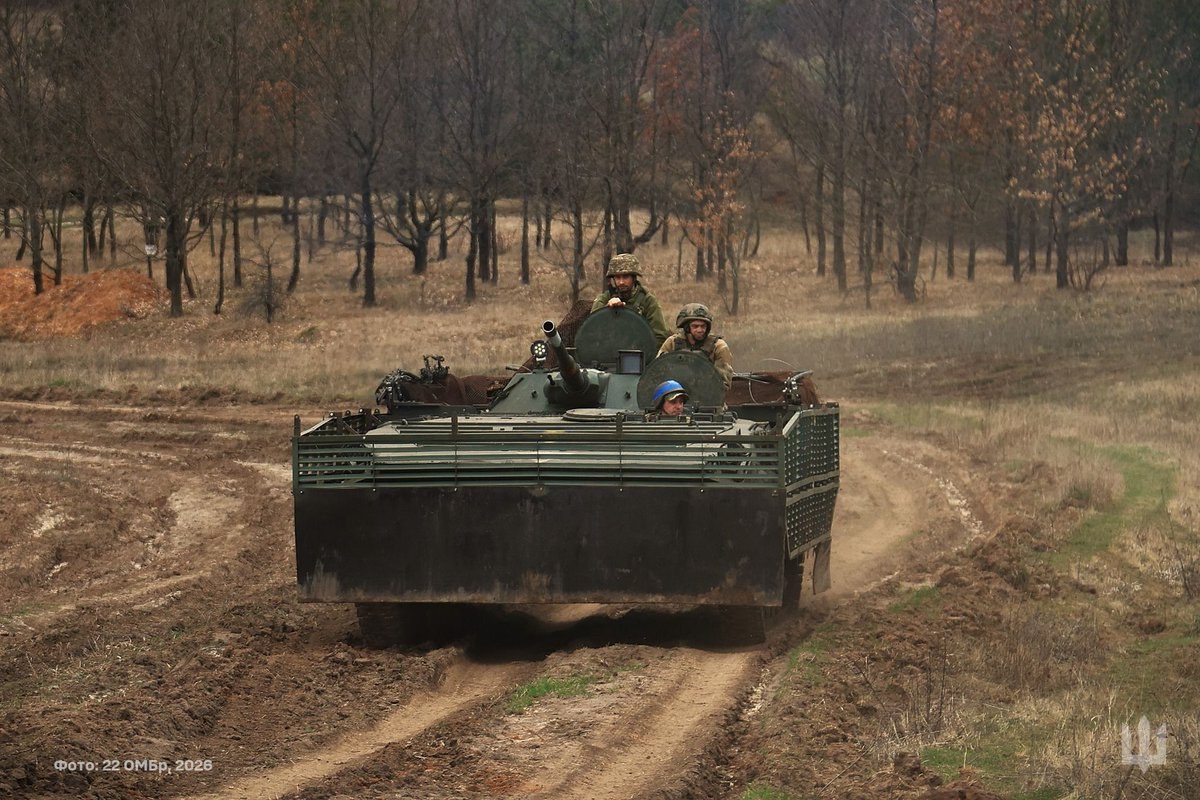
At 11:03 UTC, Ukraine’s 22nd Mechanized Brigade of the 14th Army Corps deployed upgraded BMP‑1 infantry fighting vehicles across central Ukraine. The modernization effort, highlighted by monitor_the_situation, aims to improve armor protection and firepower on the frontline.
"Ukraine's 22nd Mechanized Brigade Fields Modernized BMP‑1 Vehicles" – monitor_the_situation
The BMP‑1 upgrades include enhanced reactive armor and upgraded weapon stations, reflecting Ukraine’s ongoing effort to sustain combat effectiveness against Russian forces.
Ukrainian Strike on Sevastopol Oil Base
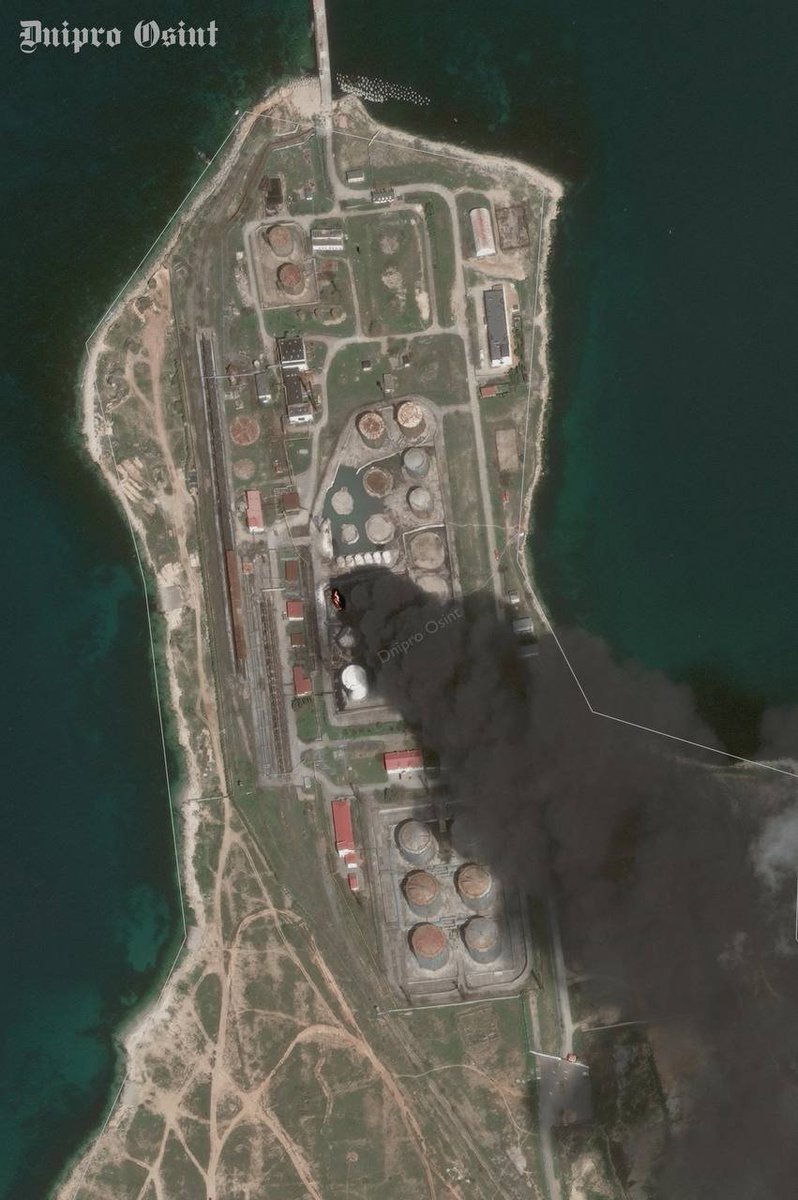
At 10:51 UTC, Ukrainian forces attacked an oil storage facility in the Russian‑occupied city of Sevastopol, Crimea. Satellite imagery confirmed the destruction of at least two fuel tanks, causing visible fires and temporarily disrupting fuel logistics at the strategic Black Sea port.
"Ukrainian forces targeted an oil base in Sevastopol, destroying fuel tanks" – monitor_the_situation
While the exact quantity of fuel lost was not disclosed, the strike illustrates Ukraine’s capability to project power into occupied territories using precision strikes.
Maritime Interception of a Shahed Drone Near Odesa
At 08:26 UTC, Ukrainian forces employed an unmanned maritime platform to launch an interceptor drone, successfully shooting down a Russian Shahed loitering munition approaching Odesa from Crimea. The operation, described as the first maritime‑based Shahed interception, was captured on video and disseminated by monitor_the_situation.
"Ukraine Downs Russian Shahed Drone from Maritime Platform Near Odesa" – monitor_the_situation
The Shahed drone, commonly used for reconnaissance and strike missions, was neutralized before it could reach its target, demonstrating the expanding Ukrainian anti‑drone capabilities.
Russian FPV Drone Attack on Passenger Train in Kherson
At 08:22 UTC, a Russian first‑person‑view (FPV) drone struck a passenger train in Kherson City, causing damage to the rolling stock and temporarily halting service. No passenger injuries were reported in the immediate aftermath.
"Russian FPV Drone Targets Passenger Train in Kherson City" – monitor_the_situation
The incident adds to a series of attacks on civilian transport infrastructure in southern Ukraine.
Geran‑2 Drone Strike on Chernihiv Oil Depot
At 08:06 UTC, Russian Geran‑2 loitering munitions attacked an oil depot in Chernihiv, igniting a large fire that required emergency response. The depot’s storage capacity and the extent of fuel loss were not disclosed.
"Russian Geran‑2 drones targeted an oil depot in Chernihiv City" – monitor_the_situation
The strike aligns with a broader Russian strategy of targeting energy infrastructure to degrade Ukraine’s logistical resilience.
Collectively, these events illustrate a multi‑domain escalation on 19 April 2026, with both sides employing a range of kinetic assets—from strategic ballistic missiles and precision rockets to advanced air‑to‑air missiles, modernized ground vehicles, and unmanned aerial systems. The pattern of cross‑border strikes, infrastructure attacks, and rapid defensive adaptations suggests a continued intensification of the conflict’s kinetic dimension.