Iranian missile strikes on Tel Aviv have caused unprecedented urban damage, with the city mayor reporting that more than 1,000 apartments are now uninhabitable. The attacks, documented in a video released by the monitoring channel monitor_the_situation, represent the most severe civilian impact of the ongoing conflict since the ceasefire between Iran and Israel began earlier this year.
"Over 1,000 Apartments in Tel Aviv Uninhabitable After Iranian Strikes" – monitor_the_situation, 2026-04-19T03:20:48, https://t.me/monitor_the_situation/11444
The missile barrage employed precision‑guided munitions, striking densely populated residential blocks in the city’s central districts. Preliminary assessments indicate extensive structural collapse, loss of utilities, and displacement of thousands of residents. No official casualty figures have been released yet, but local authorities have declared a state of emergency and are mobilising emergency services to address the humanitarian fallout.
Ground Clashes Intensify in Southern Lebanon
Simultaneously, the Israeli army confirmed a lethal engagement in southern Lebanon that resulted in the death of a senior officer and injuries to nine soldiers. According to the channel intelslava, the casualty was a major, underscoring the seriousness of the fighting on the northern front.
"The Israeli army announces the death of a soldier with the rank of major and the injury of 9 others during battles in southern Lebanon." – intelslava, 2026-04-19T04:21:38, https://t.me/intelslava/86725
The confrontation occurred amid ongoing Israeli Defense Forces (IDF) operations aimed at neutralising Hezbollah positions and preventing cross‑border infiltration. The lack of reported heavy weaponry suggests close‑quarters combat, likely involving small arms and mortar fire.
Hezbollah IED Attacks Inflict Further Losses
Hezbollah escalated the violence with two separate improvised explosive device (IED) attacks targeting Israeli forces. The first incident, reported by GeoPWatch, took place in southern Lebanon where an IED detonated, killing an Israeli Air Force sergeant and wounding nine others, one of them seriously.
"An explosive planted by Hezbollah detonated in southern Lebanon, killing an IAF sergeant and injuring nine others, including one seriously." – GeoPWatch, 2026-04-19T03:34:28, https://t.me/GeoPWatch/31445
The second IED explosion occurred in the Israeli village of Kfar Kila, near Metula, as detailed by the Israeli channel idkunim_il. The device killed reservist Lidor Porat and injured nine additional soldiers during a routine engineering vehicle operation.
"Details of the incident in which reservist Lidor Porat fell and nine other soldiers were injured..." – idkunim_il, 2026-04-19T03:12:43, https://t.me/idkunim_il/58409
Both attacks demonstrate Hezbollah’s continued capability to plant lethal devices within contested zones, complicating IDF operational planning and heightening the risk to personnel operating near the border.
Israeli High Alert Over Potential Ceasefire Collapse
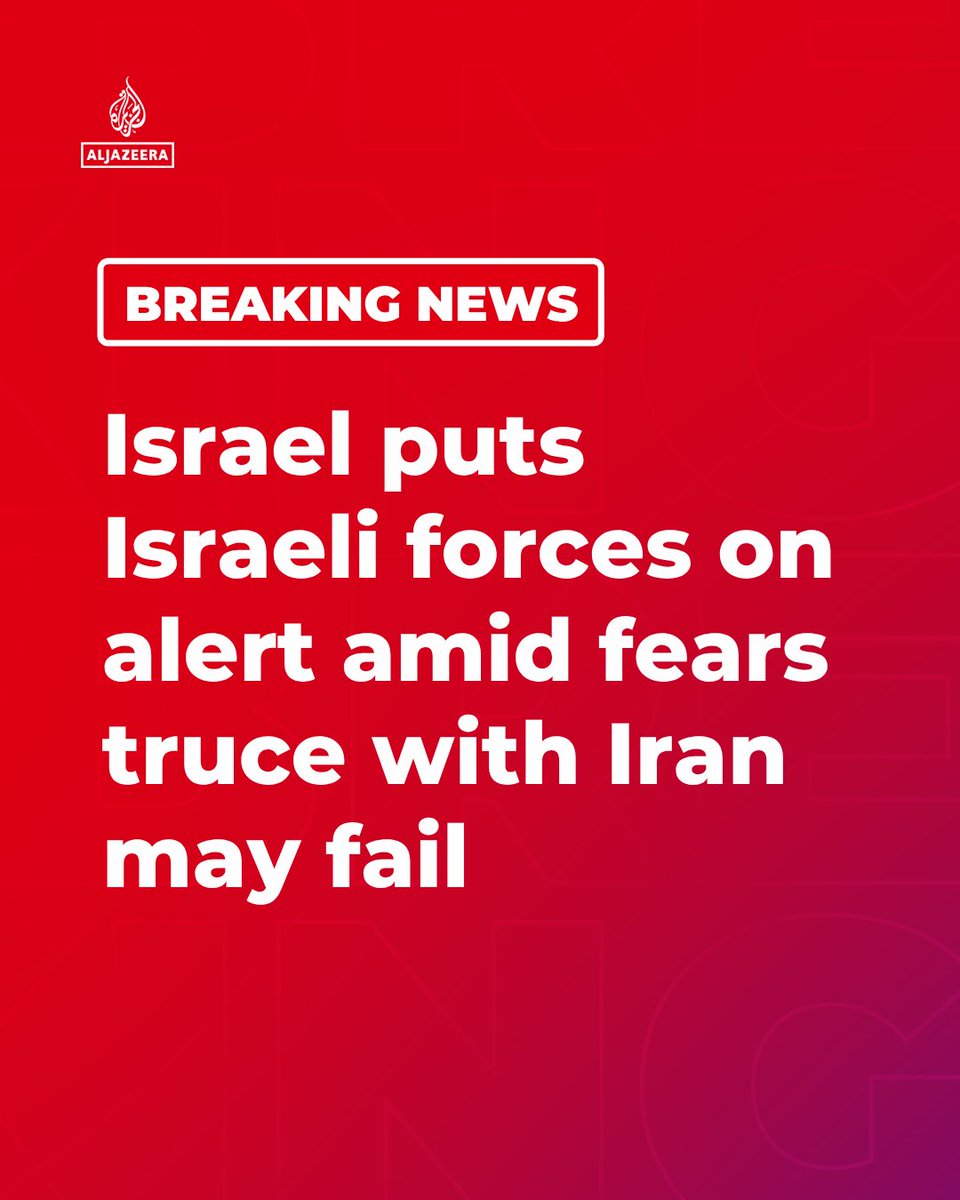
Amid the surge in kinetic actions, Israeli military and political leadership placed forces on high alert, citing fears that the Iran‑Israel ceasefire could collapse and trigger renewed large‑scale hostilities. The alert was announced by the channel monitor_the_situation, which highlighted coordinated preparations across the Israeli defence establishment.
"Israeli Forces Go on High Alert Over Iran Ceasefire Collapse Fears" – monitor_the_situation, 2026-04-19T03:57:39, https://t.me/monitor_the_situation/11447
Officials emphasized readiness to respond to any escalation, including potential aerial or missile attacks from Iran or its proxies, as well as ground incursions along the Lebanese border. The heightened state of readiness reflects a strategic shift from a post‑ceasefire de‑escalation posture to a defensive posture aimed at deterring further aggression.
Analysis of Conflict Dynamics
The convergence of high‑intensity missile strikes on civilian infrastructure, lethal ground engagements in southern Lebanon, and coordinated IED attacks by Hezbollah signals a multi‑dimensional escalation. While the Iranian missile campaign targets urban centres to exert political pressure, Hezbollah’s IED operations aim to inflict direct military casualties and maintain leverage on the northern front.
From an operational perspective, the Israeli army’s loss of a major officer and the death of an Air Force sergeant represent a notable degradation of command and morale, particularly given the seniority of the casualties. The simultaneous high‑alert posture suggests that Israeli command is preparing for a broader conflict scenario that could involve conventional air strikes, missile defence engagements, and expanded ground operations.
Diplomatically, the alert underscores the fragility of the Iran‑Israel ceasefire, which has held tenuously since early 2025. The lack of a clear diplomatic de‑escalation mechanism raises the risk of rapid escalation, especially if Iranian missile attacks continue unabated and Hezbollah intensifies cross‑border attacks.
Humanitarian implications are immediate and severe. The destruction of over 1,000 apartments in Tel Aviv will displace thousands, strain emergency shelters, and require substantial reconstruction resources. Meanwhile, the casualties on both sides add to the growing tally of military losses, potentially influencing public opinion and political calculations within Israel and Lebanon.
In summary, the events of 19 April 2026 illustrate a synchronized escalation across air, ground, and diplomatic domains, with Iran and Hezbollah employing asymmetric tactics while Israel responds with heightened readiness and defensive measures. The trajectory of the conflict will depend on the ability of regional actors to manage the ceasefire and on the international community’s response to the escalating humanitarian crisis.