On 19 April 2026, Hezbollah militants opened fire on United Nations Interim Force Lebanon (UNIFIL) personnel in the Nadoria area of southern Lebanon, killing a French peacekeeper and wounding three others. The incident, confirmed by the Israel Defense Forces (IDF), represents the most lethal attack on UN troops in the region since the 2006 war and highlights the volatility of the cease‑fire that has held since October 2023.
Details of the UNIFIL Attack
The engagement occurred at approximately 10:40 GMT while UNIFIL units were conducting a routine mine‑clearance operation. According to a Telegram post from the Israeli intelligence channel idkunim_il, a Hezbollah cell opened fire with small‑arms fire, striking the French contingent and causing one fatality and three injuries. The IDF spokesperson corroborated the report, stating that “Hezbollah fired at UNIFIL personnel in southern Lebanon during the cease‑fire.” The French Ministry of Defence later confirmed the death of Corporal Sébastien Dupont, a member of the 1st Parachute Regiment serving under the UN flag.
"France holds Hezbollah responsible for the attack, which killed a French UNIFIL soldier and injured three others," – JPost
The weaponry used was reported as standard small‑arms fire; no explosives or heavy weapons were documented. The incident prompted an immediate diplomatic response, with French President Emmanuel Macron publicly condemning Hezbollah and calling for a thorough investigation.
Parallel Infiltration Incidents
Earlier that morning, at 17:20 GMT, a separate but related infiltration event was reported by the Jerusalem Post. Hezbollah allegedly attacked UNIFIL soldiers again, resulting in the same casualty figures. While the two reports appear to describe the same engagement, the later timestamp suggests a possible second wave of hostilities or a delayed reporting of the initial attack.
Both incidents underscore a pattern of targeted aggression against UN peacekeepers, a development that threatens the operational integrity of UNIFIL and could destabilize the broader cease‑fire framework.
Broader Kinetic Activity Across the Region
Beyond Lebanon, several high‑intensity kinetic events unfolded on 19 April, reflecting heightened military activity throughout the Middle East and adjacent theaters.
Israeli Airstrike in Central Gaza
At 16:05 GMT, an Israeli airstrike struck central Gaza, killing one civilian and wounding multiple others. The strike was reported by the monitoring channel monitor_the_situation and corroborated by @AJENews on X. No specific weapons were disclosed, but the operation aligns with Israel’s ongoing campaign following the October 2023 cease‑fire.
Iranian Drone Strike in Iraqi Kurdistan
In Sulaymaniyah, Iraq, a 19‑year‑old Kurdish Peshmerga fighter, Ghazal Molan, was killed after being wounded by an Islamic Revolutionary Guard Corps (IRGC) drone. The Jerusalem Post reported that Molan allegedly received delayed medical care, contributing to her death. This incident marks a rare direct Iranian strike on Kurdish forces within Iraqi territory.
Naval Escalations in the Persian Gulf and Arabian Sea
The United States intensified its naval posture, deploying multiple carrier strike groups and support vessels to the region. Notable movements included:
- The USS George Bush carrier set to arrive in the Middle East by the end of April, reinforcing existing US carrier presence.
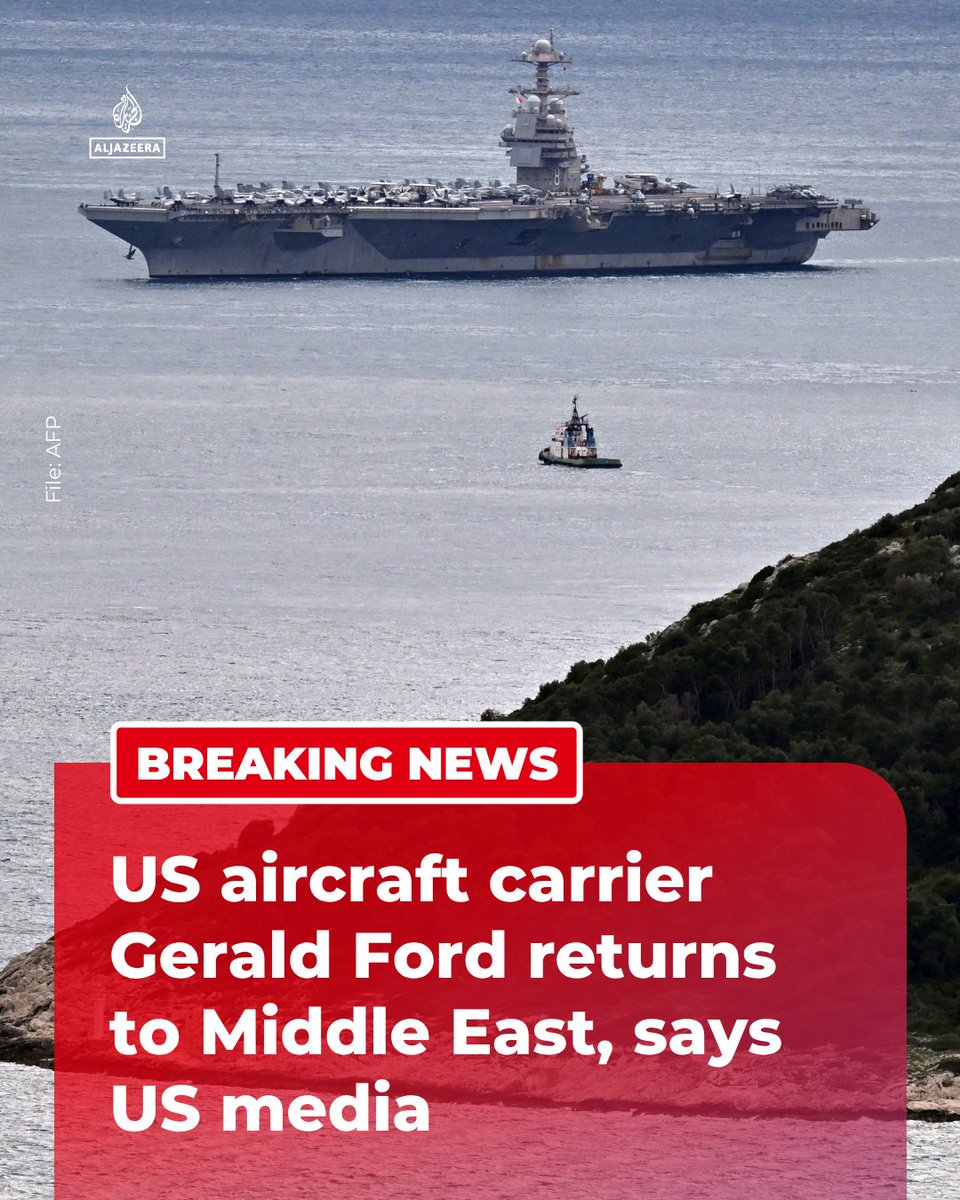
- The USS Gerald R. Ford redeployed to the Persian Gulf, signaling sustained pressure on Iranian maritime assets.
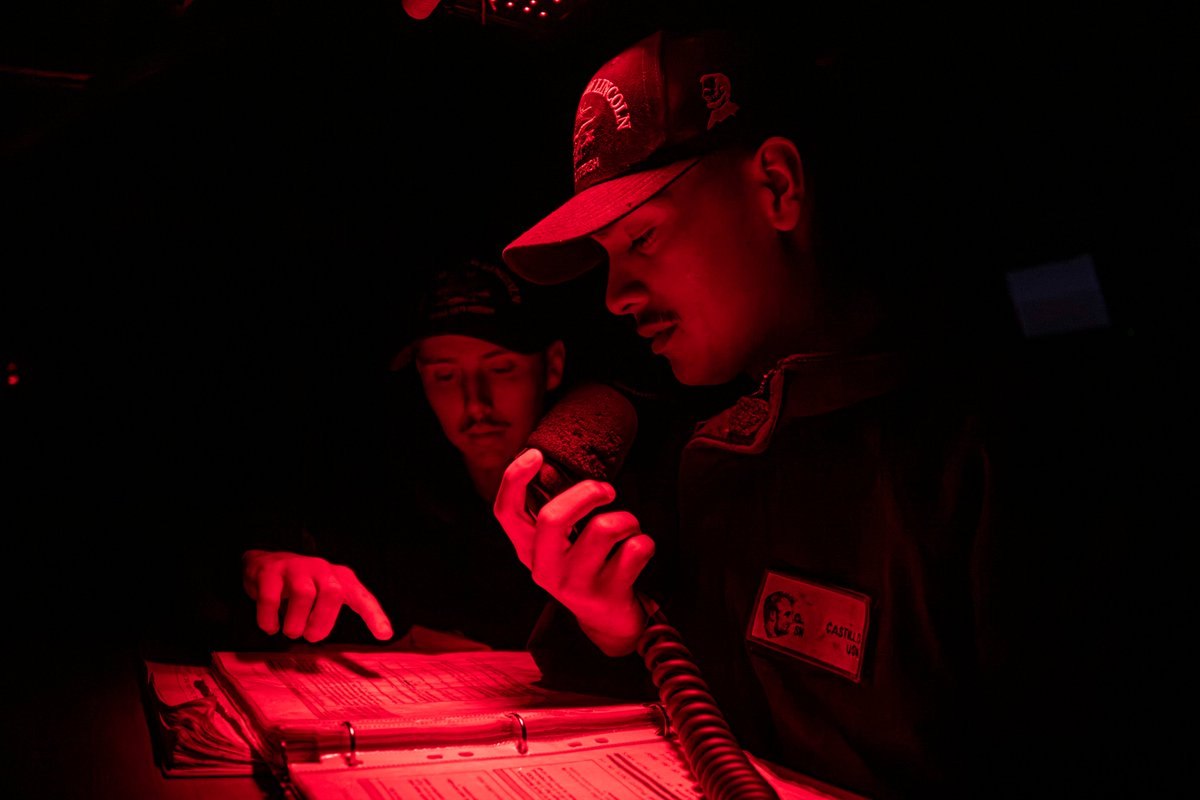
- The USS Abraham Lincoln began enforcing a naval blockade of Iranian ports in the Arabian Sea, as reported by CENTCOM.
- US Navy assets, including the USS Rushmore and USS Pinckney, conducted blockade and patrol operations in the Arabian Sea and Persian Gulf, respectively.
These deployments were accompanied by the use of underwater drones to clear Iranian mines in the Strait of Hormuz, a critical chokepoint for global oil shipments.
Ukrainian Drone Operations
Ukraine expanded its drone campaign beyond its borders, striking a Russian drone‑production facility in Taganrog, Rostov Oblast, and intercepting a Shahed naval drone for the first time. Additionally, Ukrainian drones attacked military positions in Sevastopol, Crimea, further pressuring Russian naval capabilities in the Black Sea.
Other Notable Hostile UAV Incidents
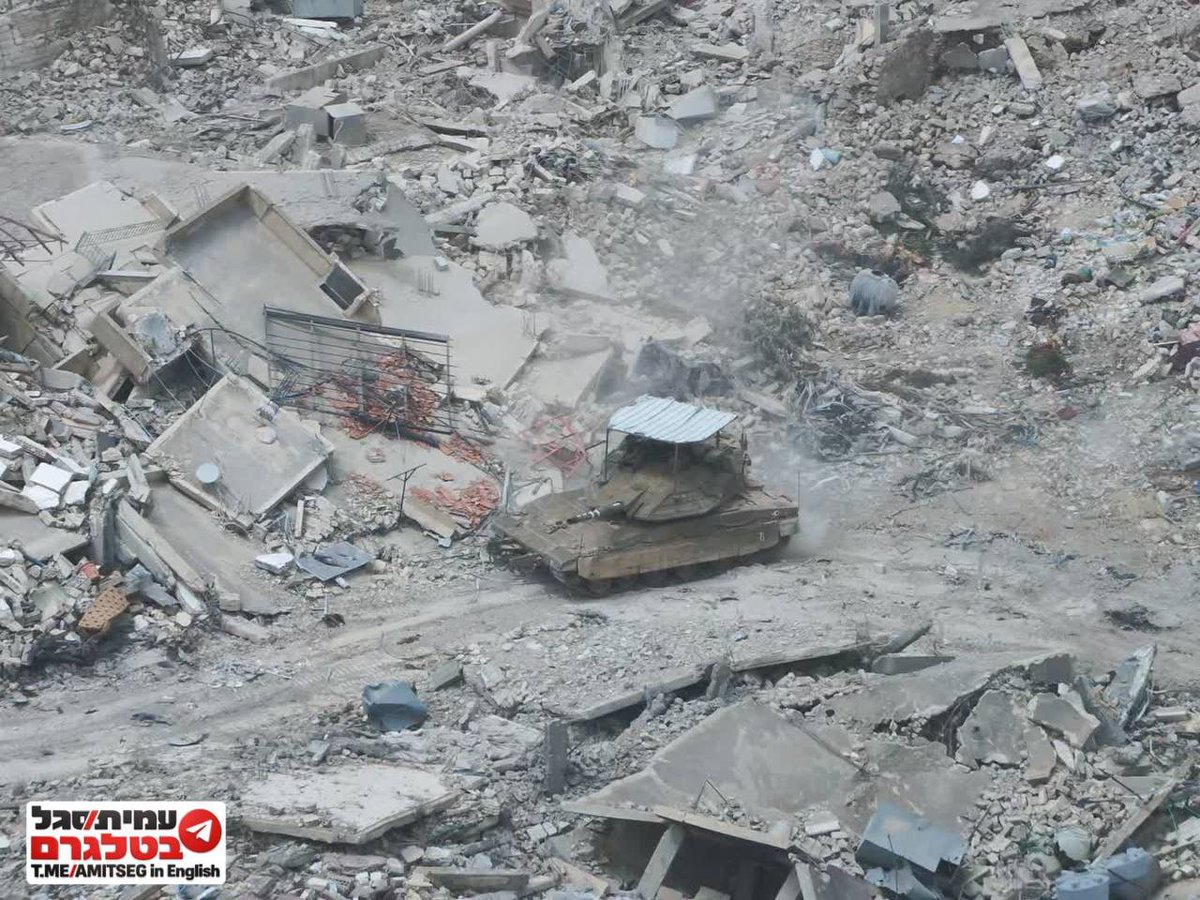
Hezbollah employed a first‑person‑view (FPV) drone to strike an Israeli Merkava tank in Beit Yahun, Lebanon, demonstrating the group’s adaptation of low‑cost UAV technology for anti‑armor purposes. In a separate incident, a Russian Lancet loitering munition targeted a British‑made Raven short‑range air‑defence system used by Ukrainian forces, illustrating the increasingly complex UAV battlefield.
Humanitarian Impact
The Gaza Ministry of Health released cumulative casualty figures for the ongoing conflict, reporting 775 deaths, 2,171 injuries, and 761 recovered bodies since the cease‑fire began on 11 October 2023. In Lebanon, at least 57 medical workers have been killed since early March, according to Al Jazeera, mirroring the humanitarian toll observed in Gaza.
Political and Diplomatic Context
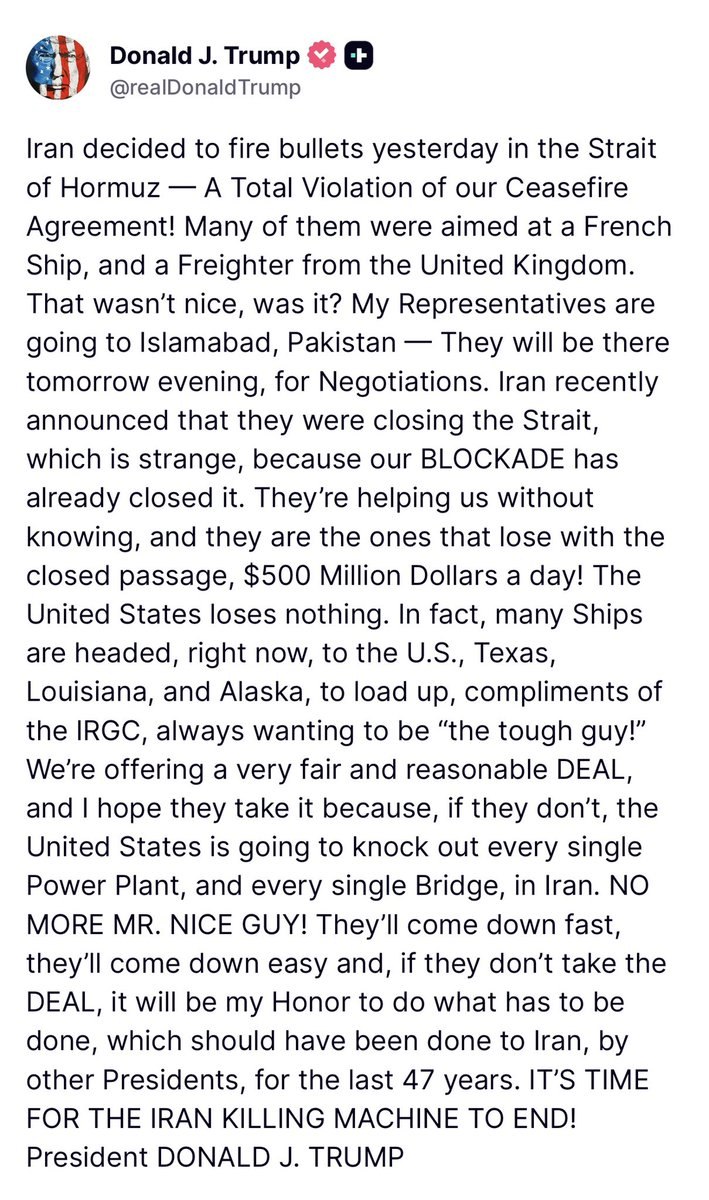
U.S. policy toward Iran intensified, with the United States launching its largest air campaign against Iran since the Iraq war, a development highlighted by OSINTdefender. Concurrently, former President Donald Trump warned on Fox News that a refusal by Iran to accept a proposed deal would result in “the entire country being blown up,” reflecting heightened rhetorical pressure.
These kinetic events, ranging from ground infiltrations to naval blockades, illustrate a multi‑dimensional escalation across the Middle East, with potential spill‑over effects for regional stability.