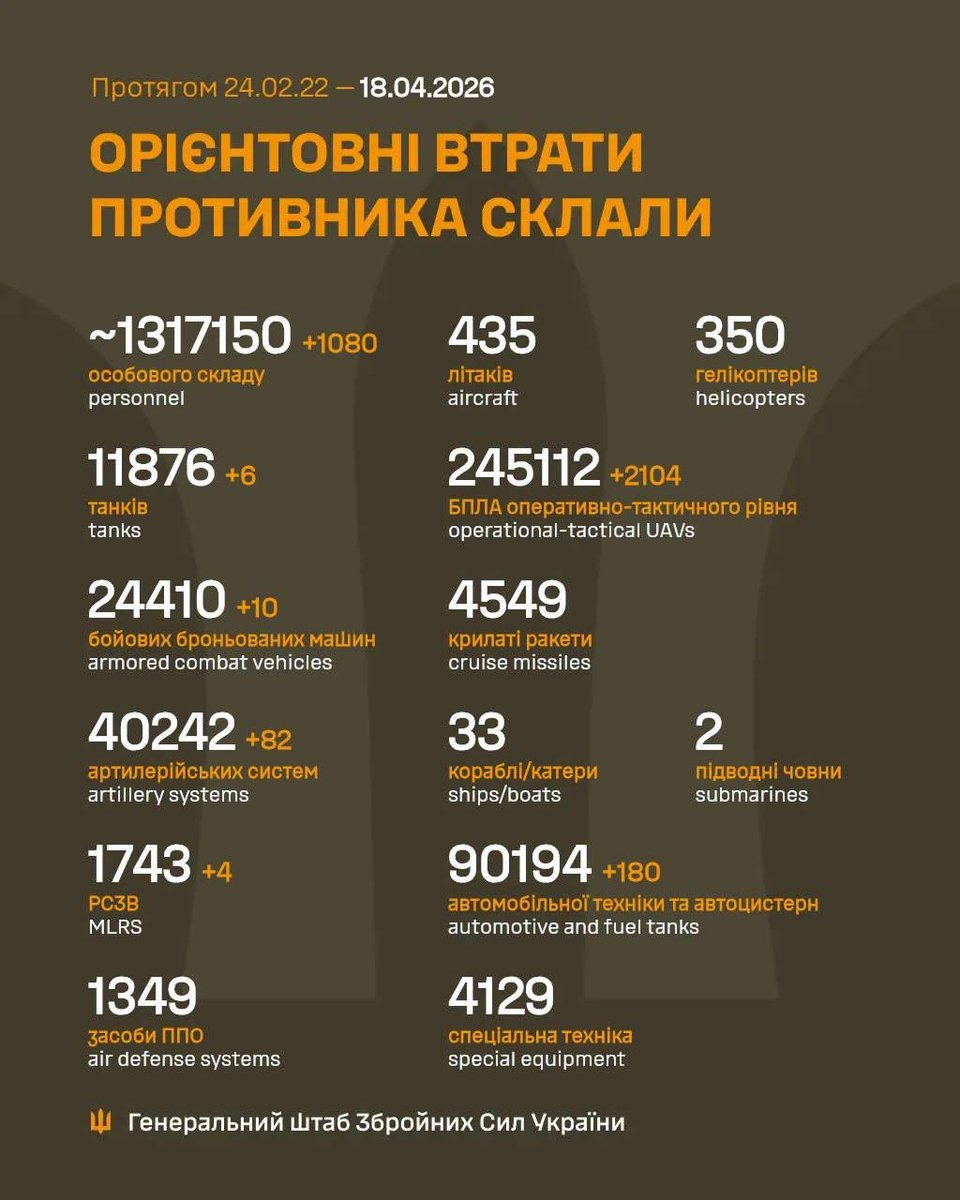
The Ukrainian General Staff announced on 18 April that Russian forces suffered unprecedented losses in the Donbas region, with 1,080 troops killed and the destruction of a wide array of equipment, including six tanks, ten armored combat vehicles, 82 artillery pieces, four multiple‑launch rocket systems, and more than 2,100 unmanned aerial vehicles. The report, posted on the Telegram channel monitor_the_situation, underscores a sharp escalation in combat intensity on the front lines.
"Our latest operational assessment confirms over a thousand Russian combatants eliminated and a significant degradation of their mechanised and aerial capabilities in Donbas today," the General Staff statement read.
These figures represent the most severe single‑day casualty count reported for Russian forces since the conflict began, indicating a decisive impact of Ukrainian combined arms operations, including coordinated artillery, anti‑tank guided missiles, and air‑defence assets.
Drone Strikes on Russian Energy Infrastructure
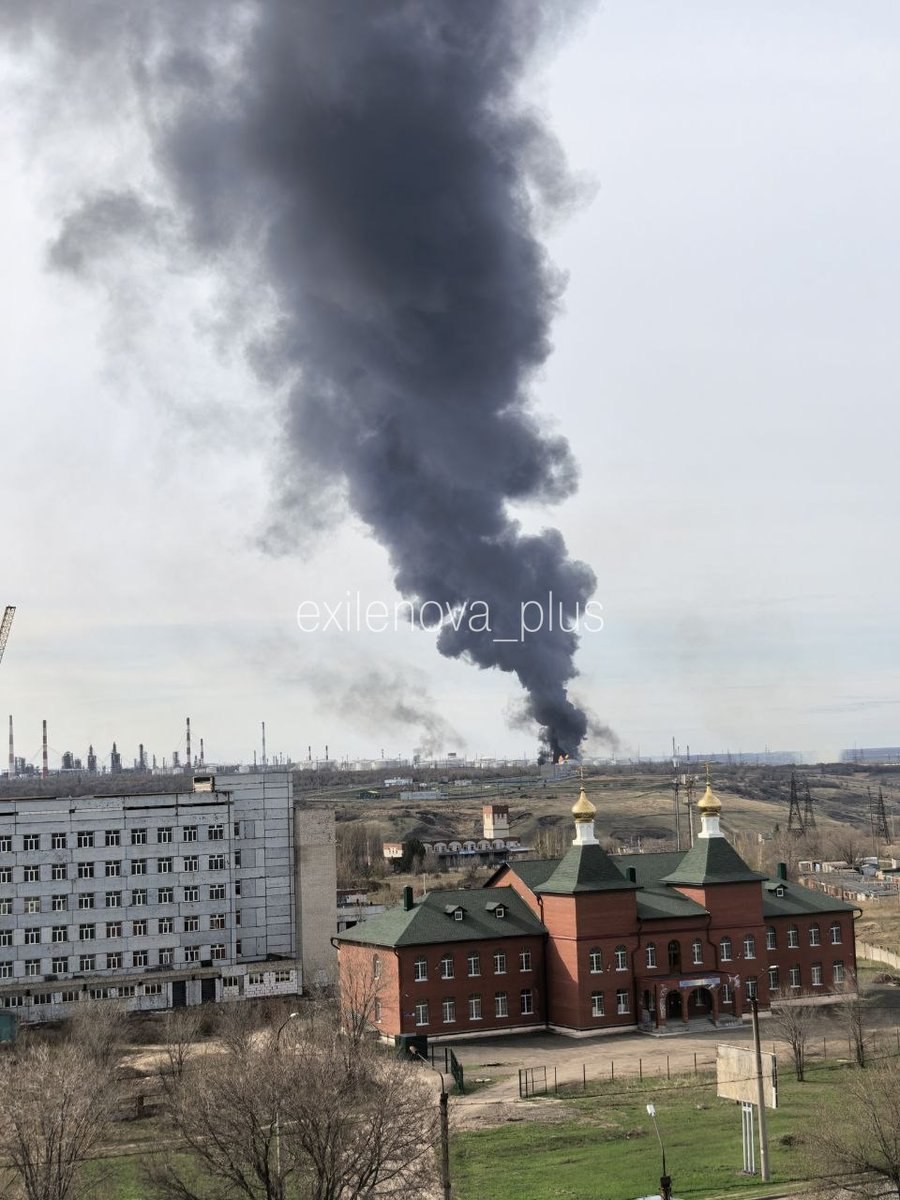
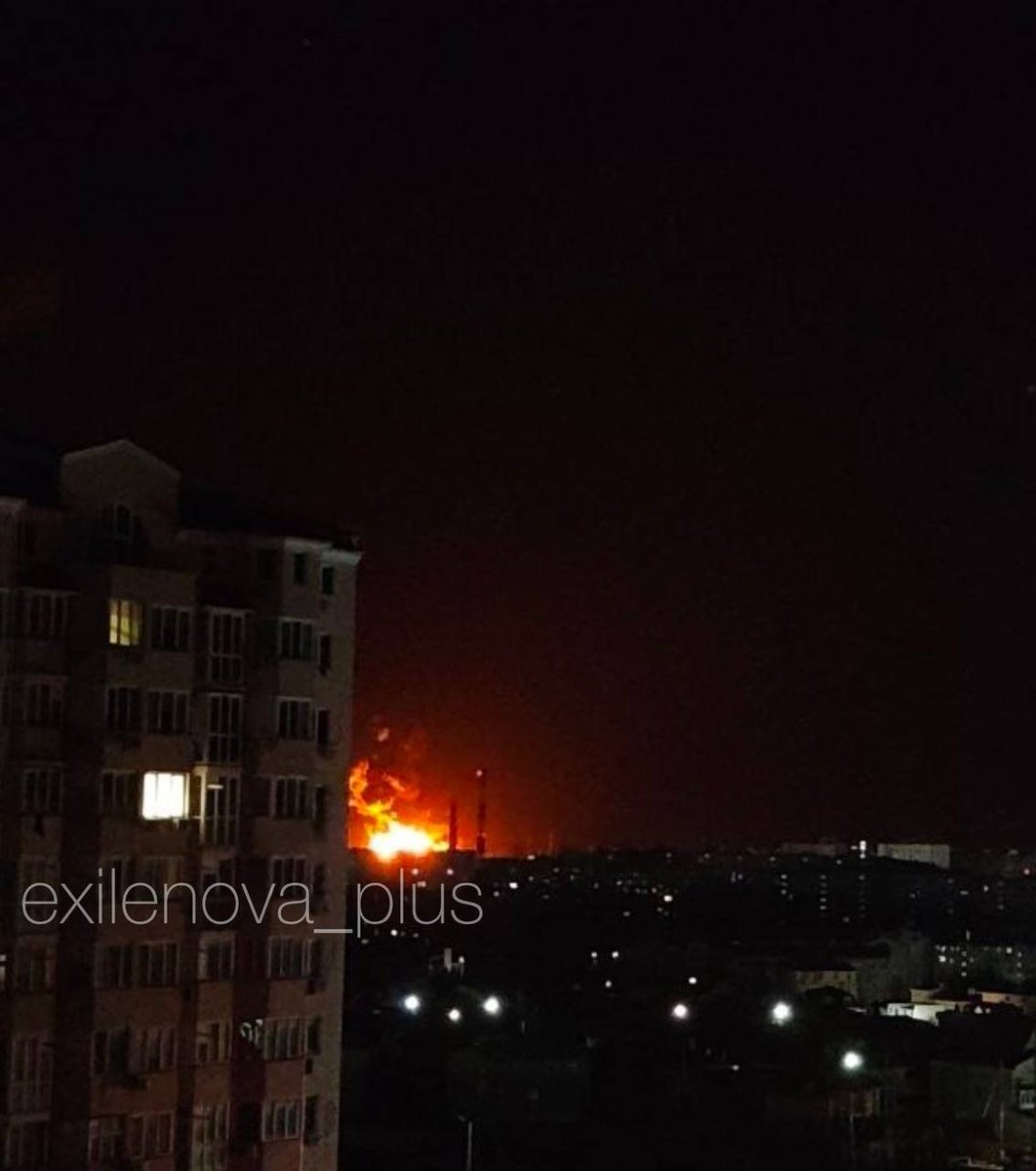
Simultaneously, Ukrainian drone units intensified attacks on Russian energy facilities. At approximately 05:40 local time, a swarm of loitering munitions targeted the Syzran oil refinery in Samara Oblast, striking the complex hours after a prior assault on the nearby Novokuibyshevsk refinery. Both incidents were documented by the same Telegram source, which included photographic evidence of fire and smoke plumes. The Syzran strike disrupted processing capacity and forced temporary shutdowns, while the Novokuibyshevsk facility suffered extensive damage to its crude distillation units.
Earlier, at 00:32, Ukrainian drones hit an oil depot in Sevastopol, Crimea, igniting storage tanks and prompting emergency response crews. A subsequent overnight operation on 05:36 targeted the Sevastopol port itself, causing a fire that threatened dockside infrastructure. These actions demonstrate a focused Ukrainian strategy to degrade Russian logistical and fuel‑supply chains across multiple fronts.
Russian Counter‑Infrastructure and Base Construction
Amid the heightened Ukrainian pressure, Russian forces announced the construction of new, concealed military bases along the Russia‑Ukraine border. According to the same monitoring channel, these installations are intended to bolster rapid deployment capabilities and reinforce defensive depth. While specific locations were not disclosed, satellite imagery corroborates increased activity in the Belgorod and Kursk oblasts, suggesting a strategic response to the expanding Ukrainian drone threat.
Air‑Defense Interceptions and UAV Losses
Ukrainian air‑defence units continued to engage Russian aerial threats. At 05:32, a Russian Shahed loitering drone was shot down over central Ukraine, preventing potential strikes on civilian infrastructure. In a separate engagement, Ukrainian forces destroyed a Russian Rubicon UAV unit operating in central Ukraine, eliminating a key component of Russia’s reconnaissance and strike capability.
Conversely, Russian drone operators from the 25th Combined Arms Army reported the destruction of a Ukrainian unmanned ground vehicle (UGV) using aerial assets, highlighting the ongoing contest for dominance in the unmanned domain.
In Kharkiv Oblast, Russian Geran drones conducted nighttime strikes against Ukrainian positions, as captured on video by the intelligence outlet intelslava. While the immediate tactical impact was limited, the persistence of such attacks underscores the continued use of low‑cost, expendable drones by both sides.
Overall, the day's events illustrate a pronounced shift toward high‑intensity, technology‑driven warfare. Ukrainian forces are leveraging drone swarms and precision strikes to inflict material and personnel losses deep within Russian territory, while Russia responds by expanding its forward‑deployed infrastructure and maintaining a steady flow of its own unmanned systems.