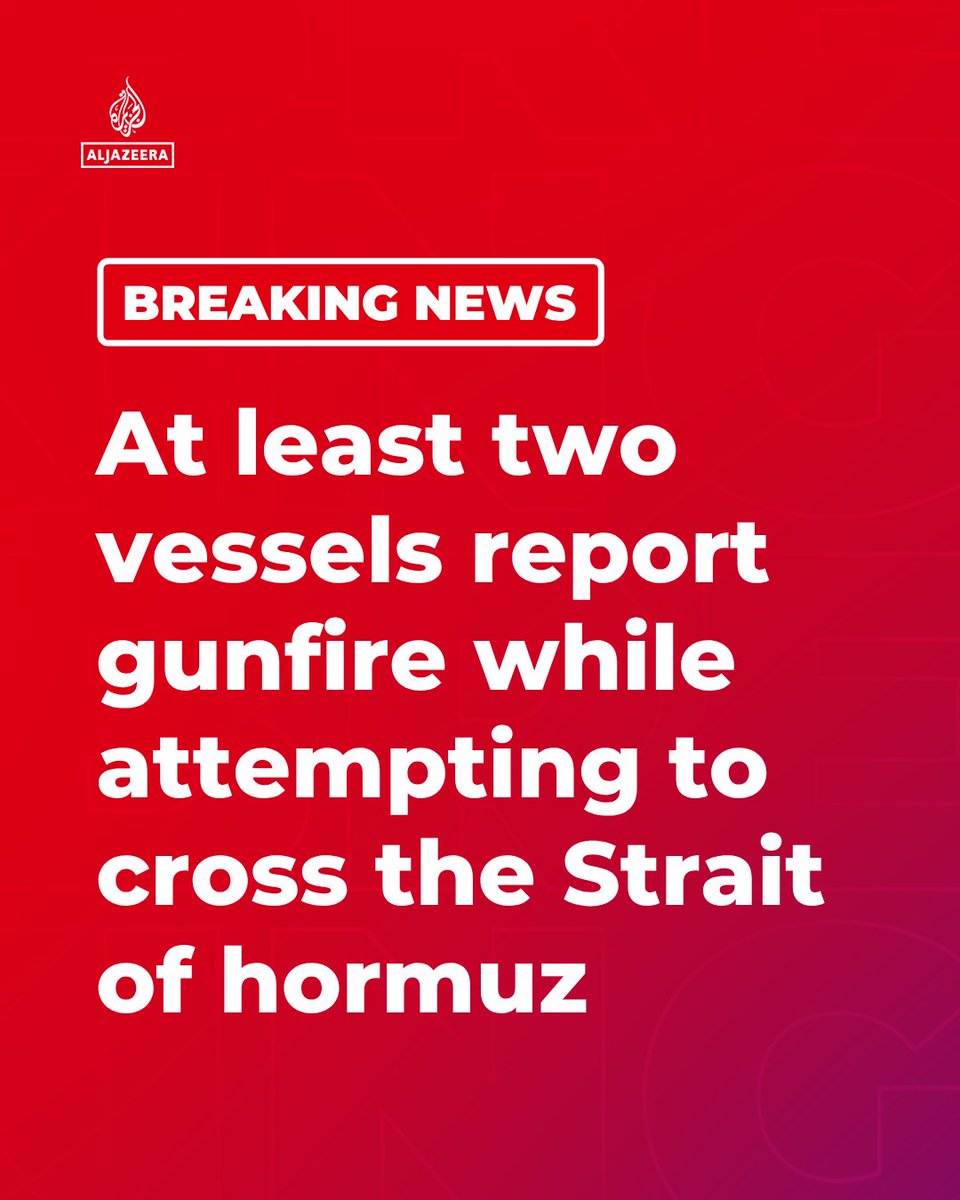
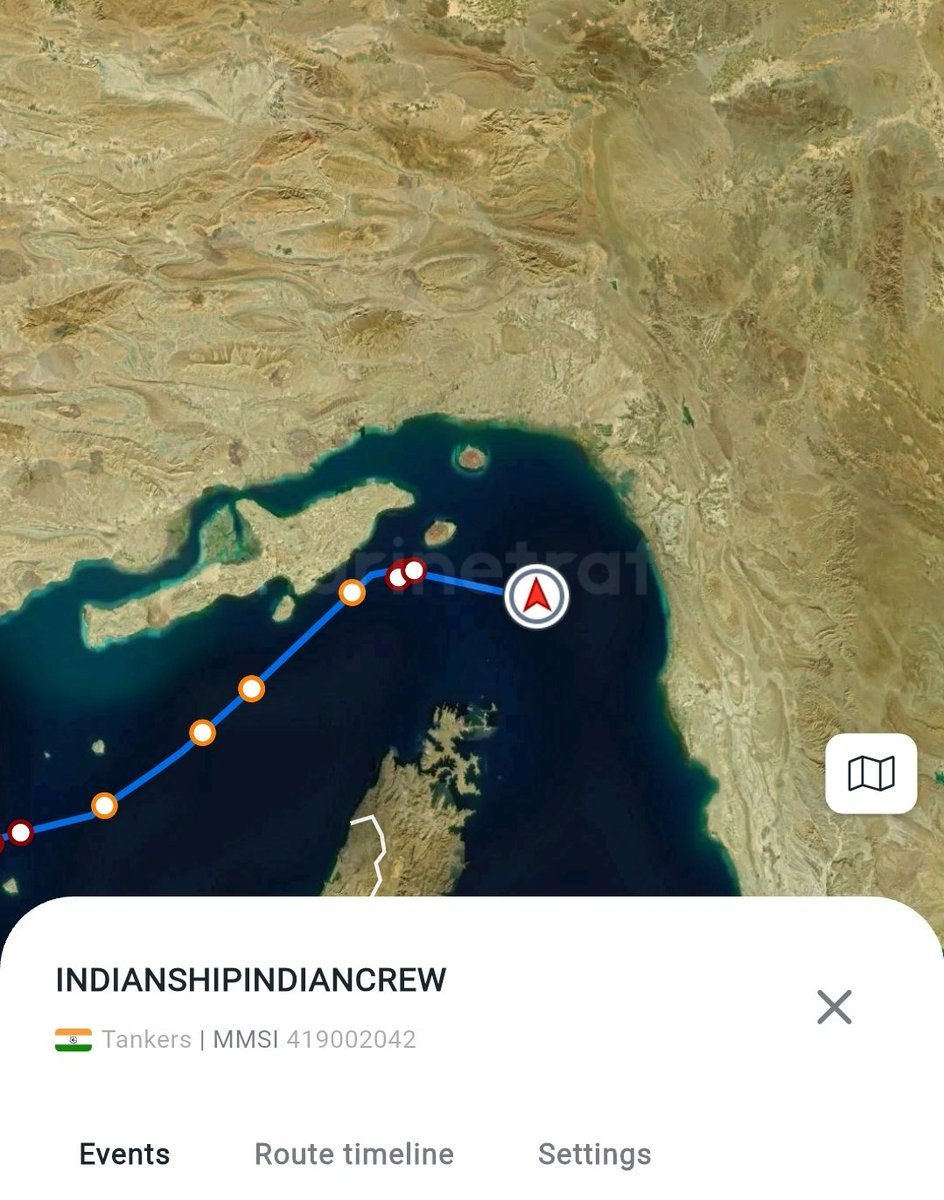
On 18 April 2026 Iran’s military announced the re‑closure of the Strait of Hormuz, warning that transit would remain blocked until the United States lifts its naval blockade. The announcement, made by the Iranian armed forces, was accompanied by reports of IRGC gunboats firing on an oil tanker 20 nautical miles northeast of Oman and forcing two Indian‑flagged vessels, including an oil tanker carrying two million barrels of Iraqi oil, to turn back outside the strait.
Source: AlJazeera (2026‑04‑18T12:03:33)
Sequence of Naval Incidents in the Hormuz Corridor
Between 10:14 and 16:34 UTC a series of kinetic events unfolded along the Hormuz corridor. At 10:14 Iran announced strict military control of the strait, prompting most outbound oil tankers to reverse course.
Source: monitor_the_situation (2026‑04‑18T10:06:00)
At 10:46 Iranian IRGC gunboats opened fire on an oil tanker 20 nm northeast of Oman; the vessel and crew were reported safe.
Source: monitor_the_situation (2026‑04‑18T10:46:09)
Two merchant vessels reported gunfire at 13:05, and a civilian container ship was struck 25 nm northeast of Oman, sustaining damage to several containers.
Source: GeoPWatch (2026‑04‑18T13:00:15)
Later, at 13:05 IRGC forces fired on two additional merchant vessels, prompting Iran’s Supreme Leader to warn of "new bitter defeats" for the United States and Israel.
Source: monitor_the_situation (2026‑04‑18T13:05:34)
At 15:26 US forces announced plans to board Iranian oil tankers in international waters near the strait, citing recent IRGC attacks on commercial shipping.
Source: monitor_the_situation (2026‑04‑18T15:26:48)
By 16:34 the Iranian military reiterated the closure, stating that gunboats had fired on a tanker and demanding the US lift its blockade.
Source: OSINTdefender (2026‑04‑18T16:34:16)
"We will keep the Strait closed until the United States ends its illegal blockade of Iranian ports," an Iranian military spokesperson said.
US Naval Posture and Regional Escalation
The United States responded with a visible increase in naval presence. The aircraft carrier USS Gerald R. Ford entered the Red Sea on 18 April, escorted by two destroyers, reinforcing US capabilities amid broader Middle‑East tensions.
Source: intelslava (2026‑04‑18T17:58:22)
Simultaneously, US officials reported that IRGC naval forces had attacked multiple vessels in the Persian Gulf, including a cruise ship, indicating a pattern of kinetic engagements beyond the Hormuz corridor.
Source: monitor_the_situation (2026‑04‑18T13:27:37)
US plans to seize Iran‑linked tankers in international waters were also disclosed, expanding the operational scope of US naval actions beyond the immediate strait.
Source: intelslava (2026‑04‑18T17:57:28)
Impact on Global Energy Markets
The rapid reopening and subsequent closure of the strait triggered a sharp decline in Brent crude prices, which fell more than 9 % to below $91 per barrel.
Source: AlJazeera (2026‑04‑18T10:29:06)
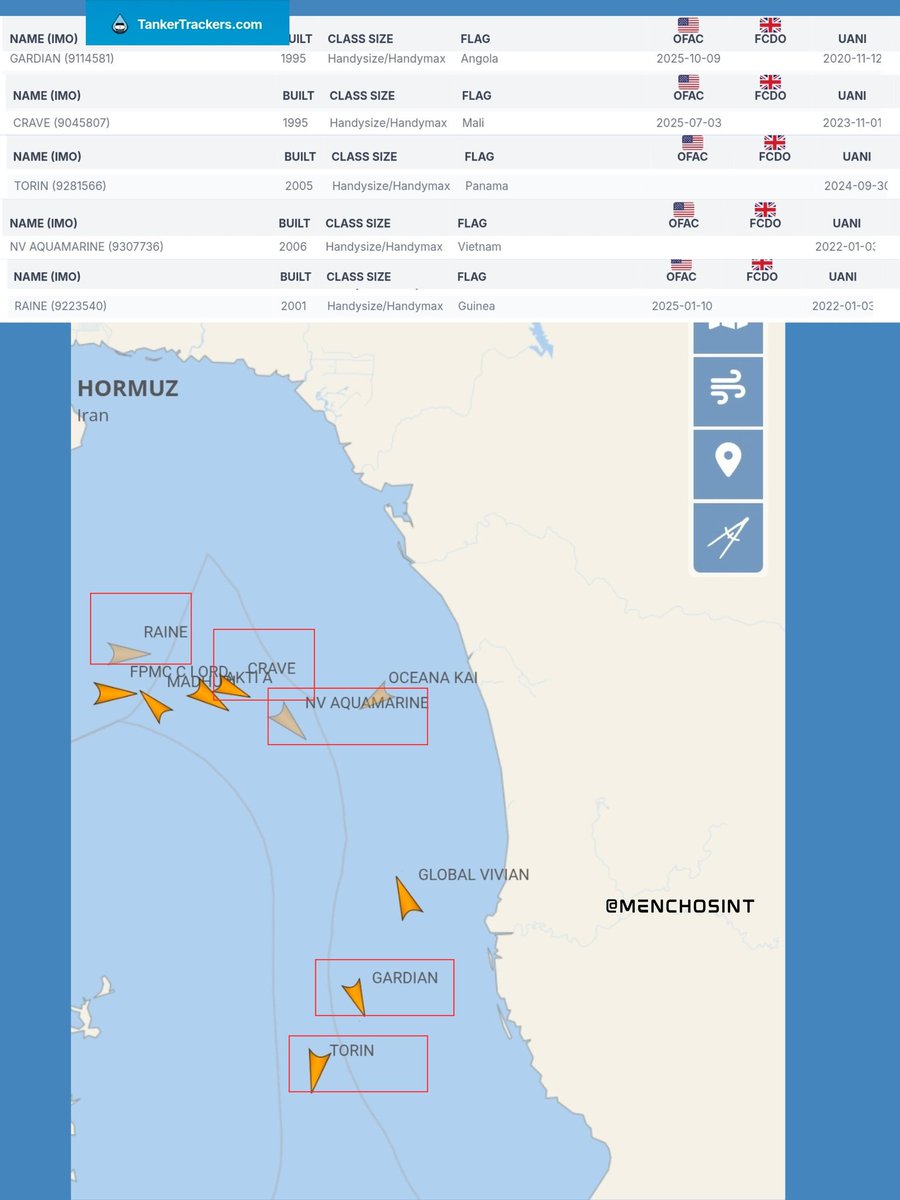
Five sanctioned oil tankers successfully transited the strait under US naval escort, highlighting the contested nature of maritime traffic in the region.
Source: monitor_the_situation (2026‑04‑18T08:02:28)
Broader Kinetic Context Within Iran
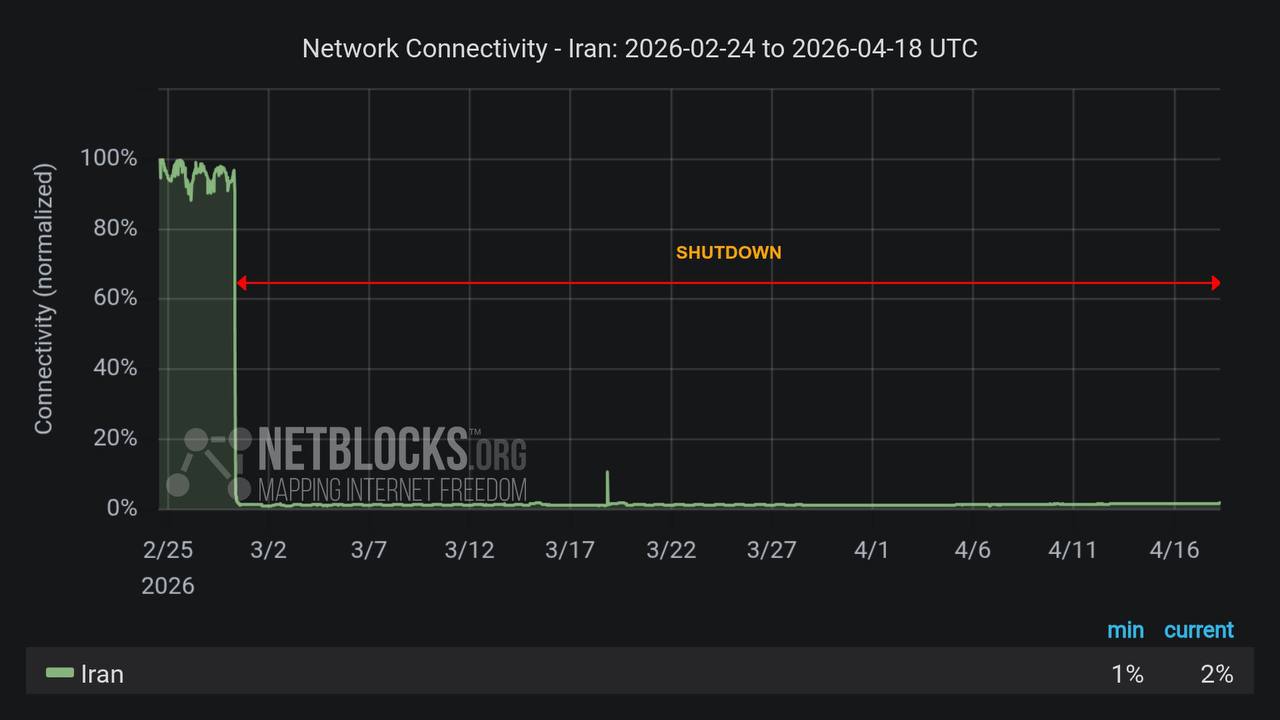
In addition to the maritime confrontations, Iran experienced a prolonged digital blackout, with the national internet cut off for 50 days, representing a non‑kinetic but strategically significant disruption to civilian communications.
Source: rnintel (2026‑04‑18T11:18:06)
These events occur against a backdrop of heightened regional hostilities, including Israeli strikes in southern Lebanon that killed four ambulance paramedics and the killing of UN peacekeepers in Lebanon, underscoring the multi‑theater nature of kinetic activity surrounding Iran.
Overall, the coordinated use of naval gunfire, vessel interdictions, and strategic closures by Iran, coupled with an assertive US naval response, marks a significant escalation in kinetic operations that could reshape maritime security dynamics in the Persian Gulf and beyond.