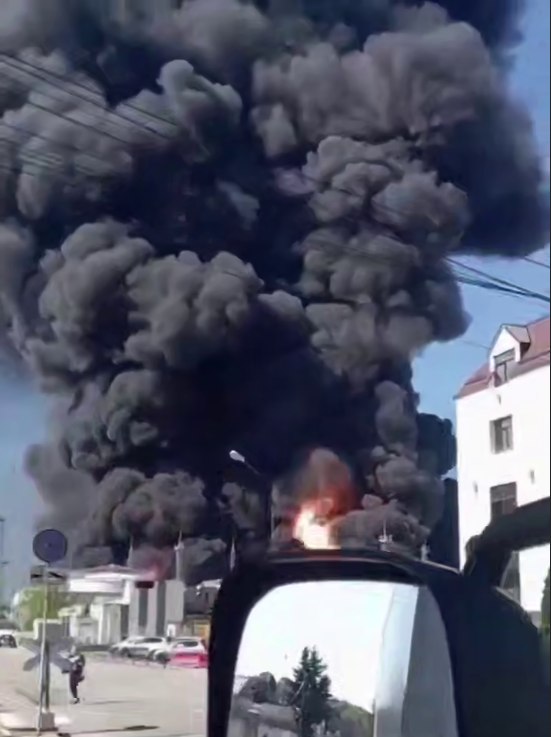
On April 17, 2026, Ukrainian‑operated drones struck the Sheskharis oil terminal in Novorossiysk, Krasnodar Krai, damaging two berths and forcing a temporary rerouting of oil flows. The attack, reported by the monitoring channel monitor_the_situation, did not produce any confirmed casualties, but it represents a direct strike on a key export node for Russian crude. The drones, identified only as unmanned aerial vehicles, penetrated the terminal’s perimeter and impacted storage and loading infrastructure, prompting immediate shutdown of the affected berths. Russian authorities began emergency response procedures, sealing off the damaged sections and deploying fire‑suppression teams. The incident underscores the expanding reach of Ukrainian long‑range UAV capabilities into Russian territory.
Ukrainian drones struck the Sheskharis oil terminal in Novorossiysk, Russia, damaging two berths and redirecting oil flows.
Tuapse Port: Drone‑Induced Fires and Ongoing Blazes
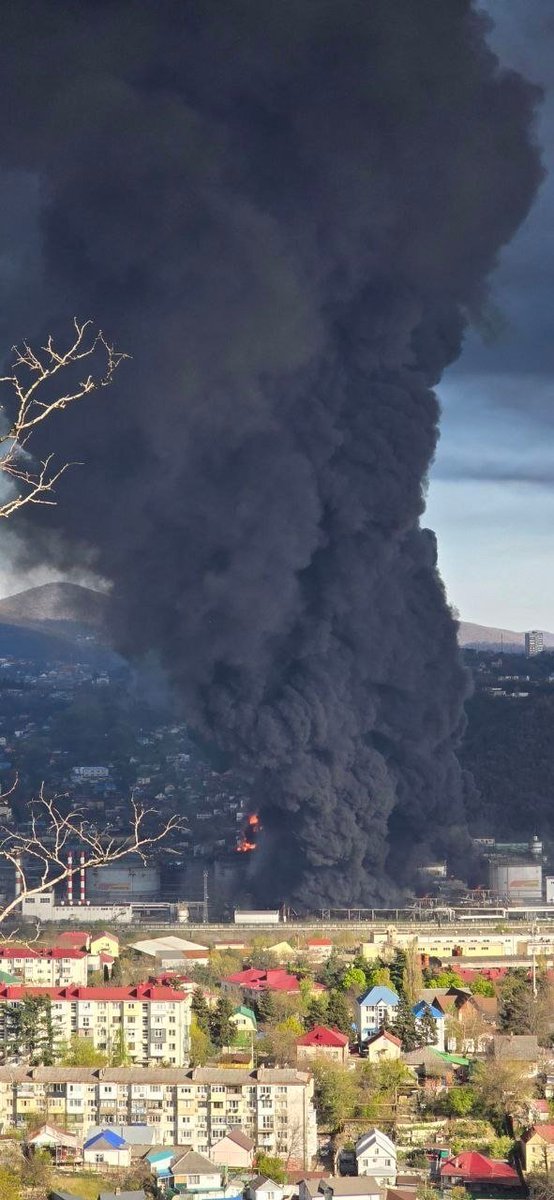
Earlier that morning, at approximately 06:14 UTC, a second wave of Ukrainian drones targeted the Russian port city of Tuapse, also in Krasnodar Krai. According to the same monitoring source (monitor_the_situation), the UAVs ignited oil tanks and adjacent infrastructure, creating a blaze that quickly spread to nearby storage facilities. By 11:36 UTC, video footage confirmed that fires continued to burn unabated at multiple port installations, with no clear indication of containment. The sustained nature of the flames suggests significant damage to fire‑suppression systems and possible secondary explosions, although official casualty figures remain unreported.
Fires continue to burn at port facilities in Tuapse, Russia, likely caused by recent strikes.
Crimean Oil Depots: Damage to Fuel Logistics
In the occupied Crimean peninsula, Ukrainian attacks on oil depots in Oktyabrskoye and Hlybokyi Yar were documented at 06:36 UTC. Satellite imagery, referenced by monitor_the_situation, showed damage to at least one fuel tank in Oktyabrskoye and five tanks in Hlybokyi Yar. The strikes disrupted Russian fuel logistics, potentially affecting both civilian distribution networks and military supply lines on the peninsula. No injuries were reported, but the loss of storage capacity could force a temporary reallocation of fuel reserves from other depots.
Ukrainian attacks have damaged fuel tanks at oil depots in Oktyabrskoye and Hlybokyi Yar in occupied Crimea, disrupting Russian fuel logistics.
Strategic Implications of the Coordinated Strikes
The sequence of attacks demonstrates a clear pattern: Ukrainian forces are employing long‑range UAVs to target Russian energy infrastructure located along the Black Sea coast and in the annexed Crimean region. By striking export terminals, port storage facilities, and fuel depots, the campaign aims to impair Russia’s ability to move crude oil and refined products, thereby exerting economic pressure and complicating military logistics. The choice of high‑value, low‑casualty targets reduces the risk of large‑scale loss of life while maximizing material disruption. The incidents also highlight gaps in Russian air‑defense coverage over coastal industrial zones, suggesting a need for reassessment of protective measures.
Operational Outlook and Monitoring
All four events were reported by the open‑source channel monitor_the_situation, which aggregates satellite imagery, on‑the‑ground footage, and eyewitness accounts. While casualty numbers remain low or unconfirmed, the material damage to oil handling capacity is evident. Continued observation will focus on the restoration timeline for the Novorossiysk berths, the containment status of the Tuapse fires, and any further UAV activity in the Black Sea corridor. The incidents reinforce the importance of real‑time intelligence in tracking kinetic actions that, while not resulting in mass casualties, have strategic significance for regional energy security.