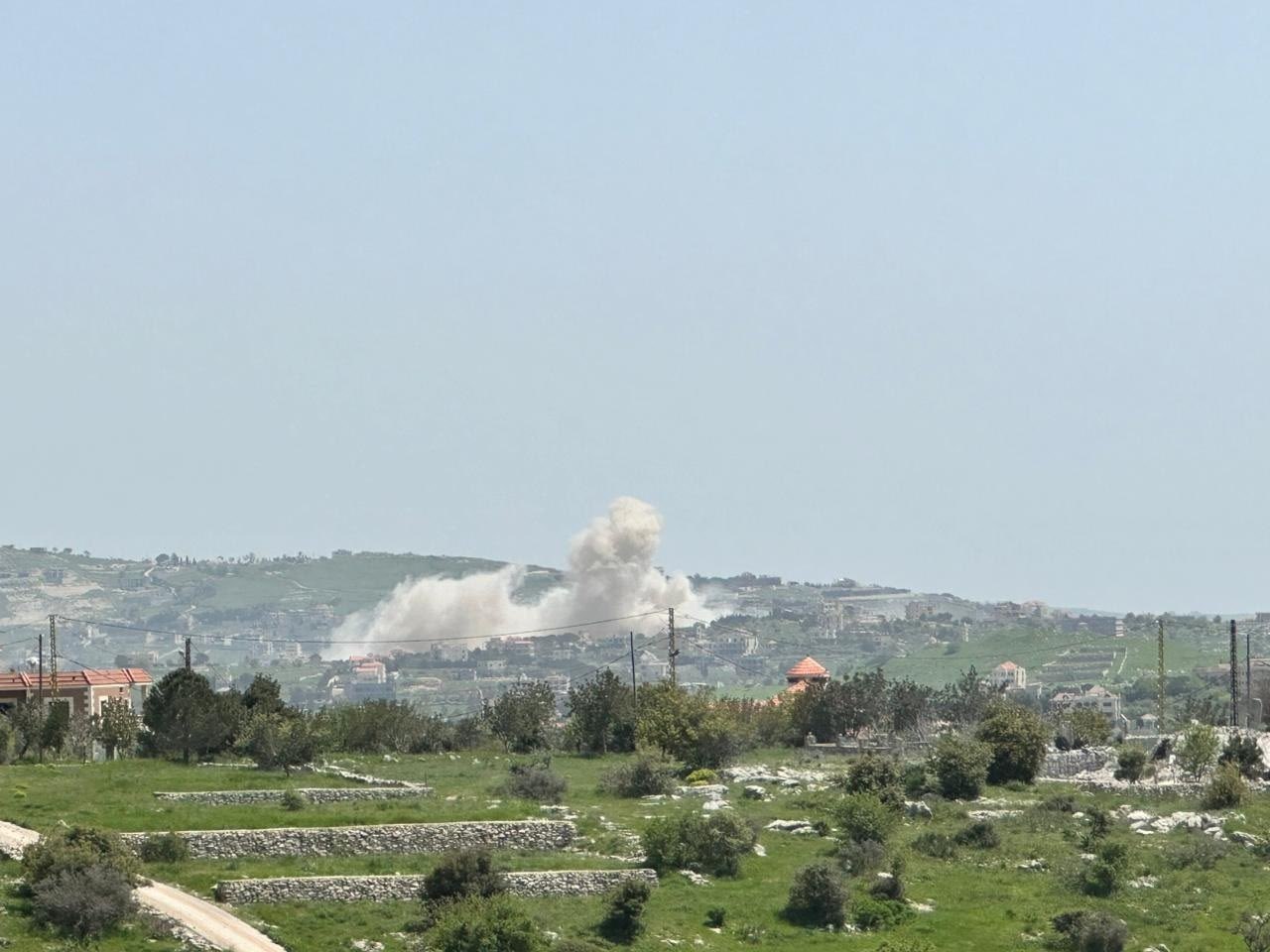
On 17 April 2026, Israeli forces carried out a high‑intensity demolition operation in the town of Bint Jbeil, southern Lebanon, using explosives to raze residential structures. The strike, reported by BellumActaNews at 13:11:33, was described as a deliberate effort to neutralize perceived militant infrastructure. No civilian casualties were immediately confirmed, but the destruction of housing underscores the operation’s scale.
“Israeli forces detonate and demolish residential buildings in Bint Jbeil in southern Lebanon.” – BellumActaNews
Hezbollah’s UAV Campaign Targets Israeli Positions
Within the same day, Hezbollah deployed multiple unmanned aerial systems (UAS) against Israeli military assets. At 15:39:52, a guided loitering‑munition strike was released on a newly established Israeli artillery position in the Iskandarouna area south of Bayyada. The footage, posted by rnintel, shows the munition descending onto the target, confirming Hezbollah’s capability to field precision‑guided loitering weapons.
Two hours later, at 15:59:58, GeoPWatch released video of a quadcopter drone dropping a PG‑7VL anti‑tank grenade onto an IDF camp site in Bayada, identified as belonging to the 213th “HaTkuma” Artillery brigade of the 146th Division. The use of a PG‑7VL, a Soviet‑designed shaped‑charge munition, indicates a tactical adaptation of older ordnance to modern drone platforms.
Earlier, on 15 April but reiterated on 17 April by monitor_the_situation, Hezbollah’s drone‑borne projectile attacked an Israeli artillery base in Iskanderouna. The strike, described as a “drone‑dropped projectile,” reflects a pattern of cross‑border violations that persist despite the fragile ceasefire.
Israeli Ground Deployments Expand Footprint
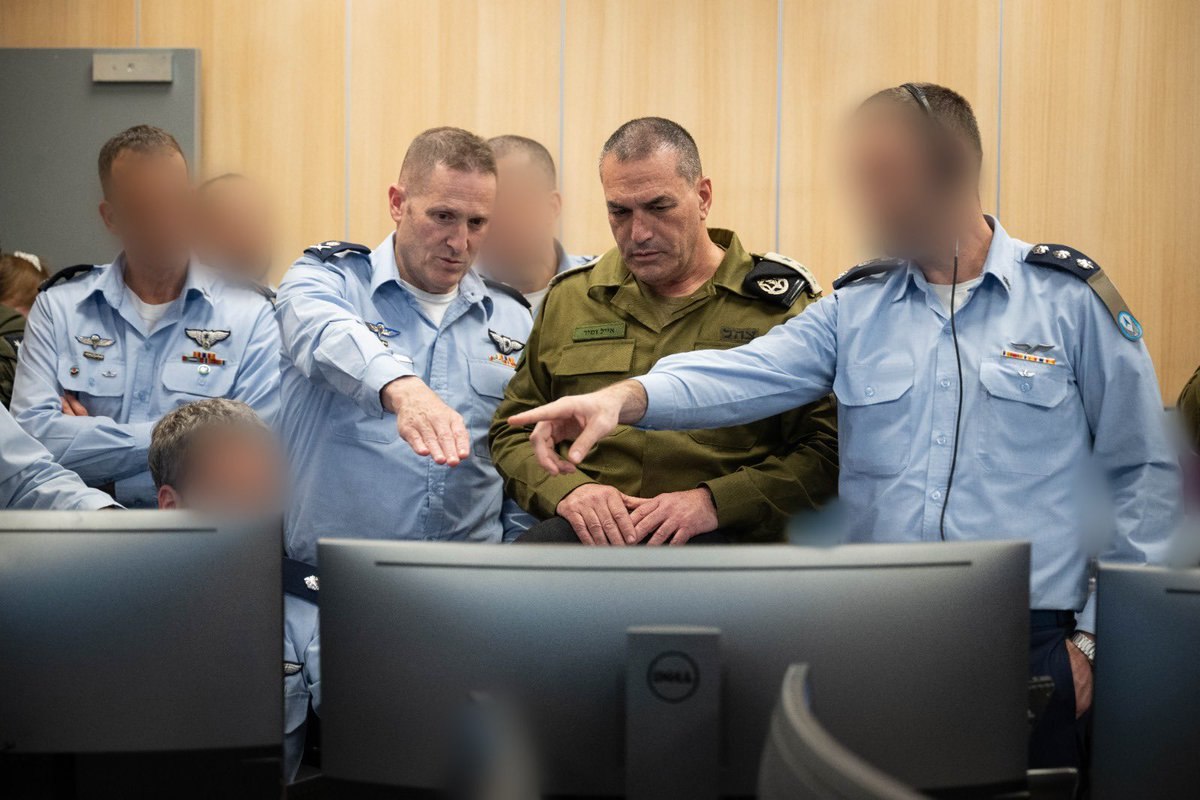
Israeli special forces executed “Operation Vulture” on Christopni Ridge at 17:22:29, landing troops to establish a foothold ahead of the ceasefire activation. The operation, reported by monitor_the_situation, was authorized by senior IDF leadership, including the Chief of Staff and Northern Command. No combat was reported, but the presence of elite units signals a strategic intent to control high ground.
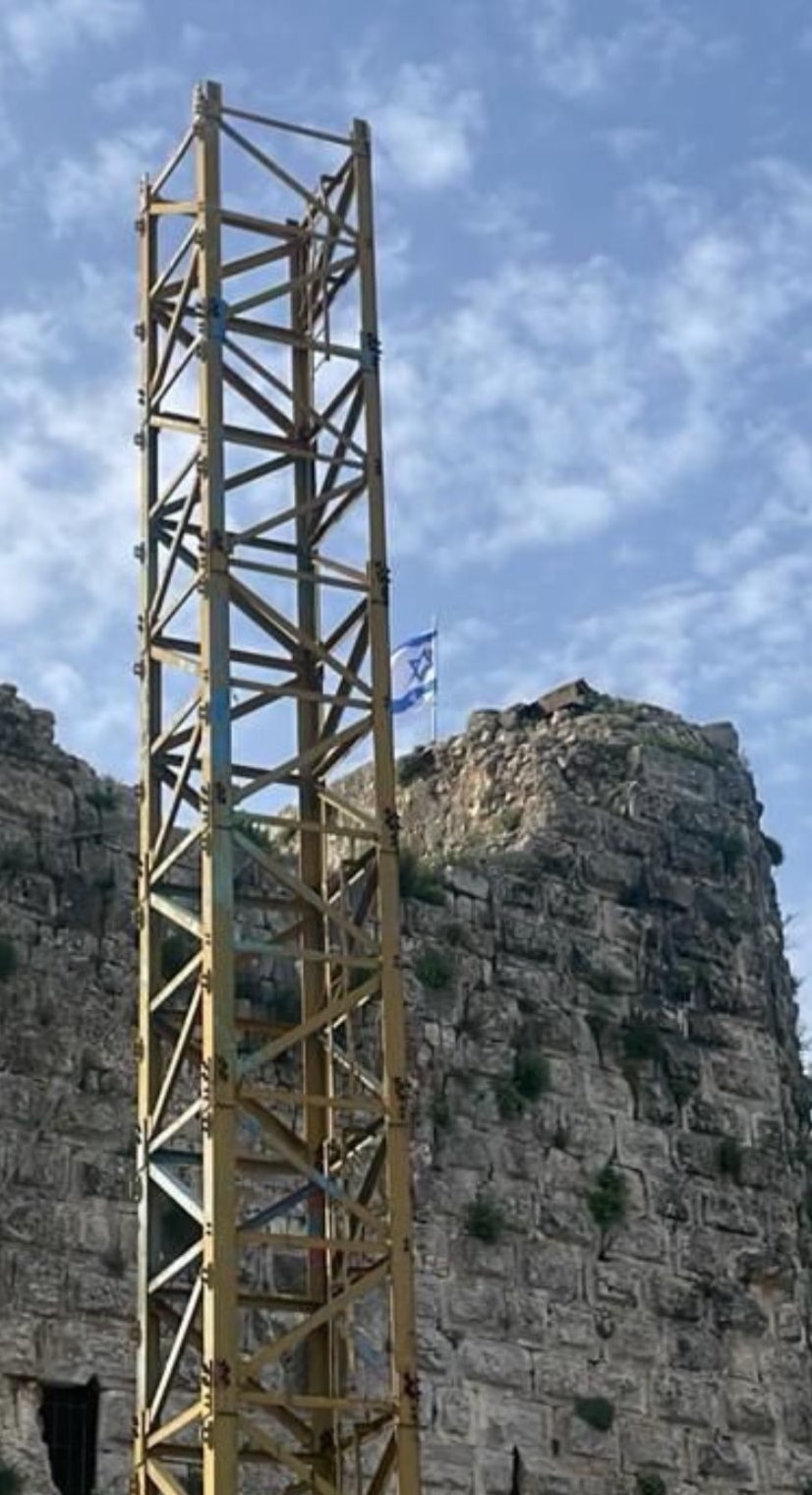
At 10:17:50, Israeli forces advanced to Beaufort Castle, a historic fortification overlooking the Litani River. BellumActaNews documented the movement, noting that the ceasefire was used as a window to secure the position. Control of Beaufort Castle provides a tactical advantage for surveillance and artillery coordination across the southern Lebanese corridor.
Later, at 17:15:04, Israeli Army Radio announced the establishment of a security belt encompassing 55 villages in southern Lebanon, effectively restricting civilian movement. The announcement, also covered by BellumActaNews, indicates a broadening of the operational perimeter, though no direct combat was reported in the belt’s immediate vicinity.
Ceasefire Violations and Casualties
Hezbollah’s use of an explosive device inside a building on 10:15:48 resulted in injuries to several Israeli soldiers, according to idkunim_il. The incident, classified as a ceasefire breach, forced the evacuation of the wounded to medical facilities. While exact casualty numbers were not disclosed, the event demonstrates the ongoing risk of escalation despite diplomatic efforts.
Analytical Assessment
The coordinated sequence of kinetic actions on 17 April illustrates a multi‑dimensional contest for territorial control and deterrence. Israeli demolition of civilian structures in Bint Jbeil, combined with the rapid establishment of a security belt, reflects a strategy of shaping the physical environment before a formal ceasefire takes effect. Simultaneously, Hezbollah’s deployment of drones—ranging from loitering munitions to quadcopter‑delivered PG‑7VL grenades—demonstrates an evolving asymmetric capability that can strike high‑value targets with limited risk to personnel.
From a conflict‑monitoring perspective, the events underscore three critical dynamics: (1) the use of engineering assets by Israel to alter the physical landscape; (2) Hezbollah’s adaptation of low‑cost UAV platforms to deliver conventional munitions; and (3) the expansion of Israeli ground presence into historically contested high‑ground positions such as Christopni Ridge and Beaufort Castle. These developments increase the probability of inadvertent engagements, especially as both sides operate in close proximity under a tenuous ceasefire framework.
Continued observation of the security belt’s impact on civilian displacement, as well as the frequency of UAV‑mediated strikes, will be essential for assessing the durability of the ceasefire and the potential for broader escalation.