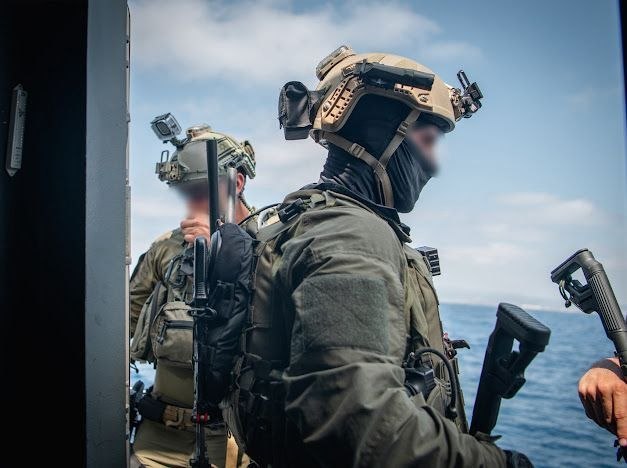
The Israel Defense Forces (IDF) announced on 2026-04-16 that its elite Shayetet 13 naval commando unit, supported by a submarine, executed an unprecedented operation deep within Iranian territorial waters. The mission, described by the IDF as "thousands of kilometres" from Israel and in an area where the navy had never operated before, underscores a significant escalation in the broader regional confrontation. No casualties were reported, and operational details remain classified.
"The IDF's Navy has announced that it's 'Shayetet 13' Special Operations Unit has conducted an 'unprecedented' operation 'thousands of kilometres' away from Israel, in an area 'it had never operated in before'. The IDF has also announced that it had deployed a Navy Submarine in the Iranian front amidst Operation 'Roar of the Lion'." – GeoPWatch, 2026-04-16, https://t.me/GeoPWatch/31289
Intensified Rocket Activity Along Israel's Northern Front
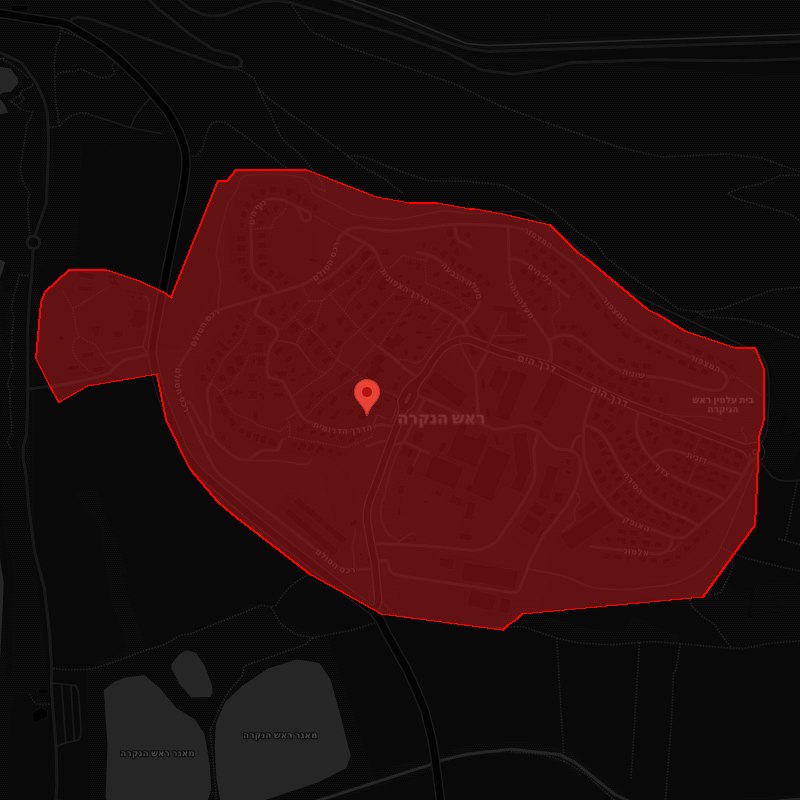
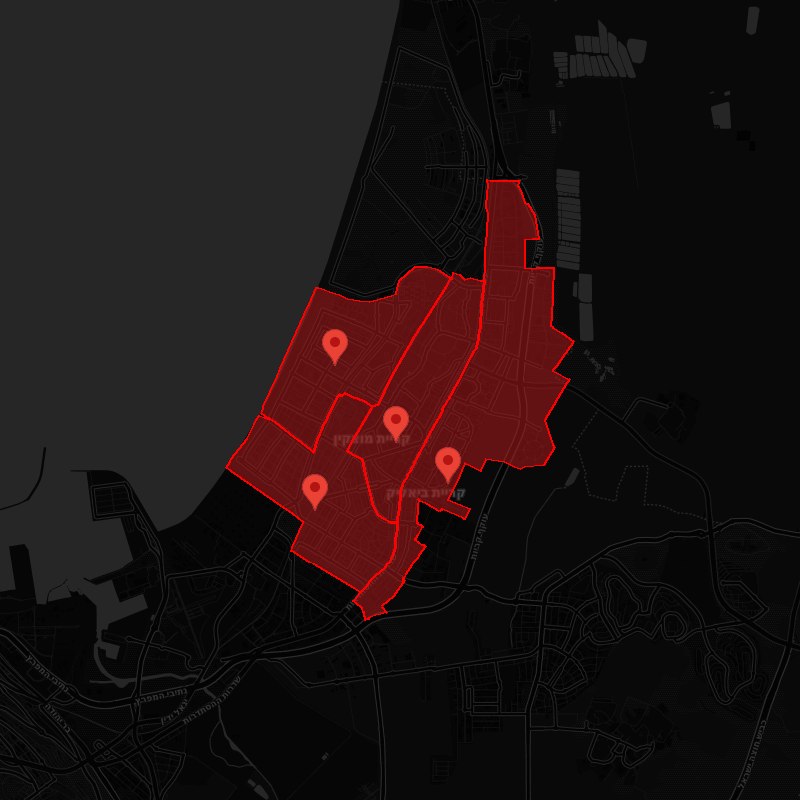
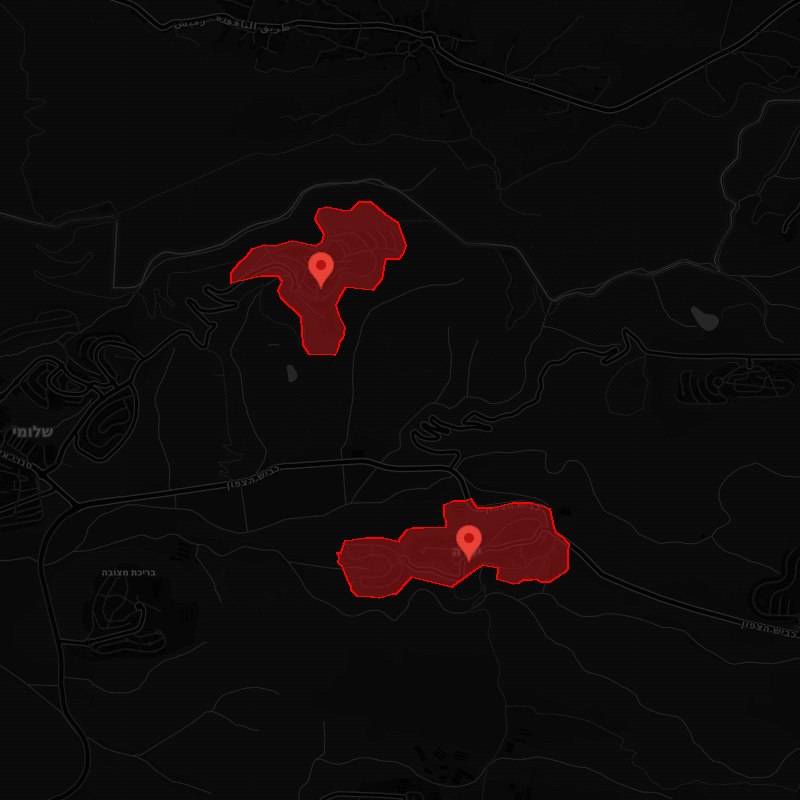
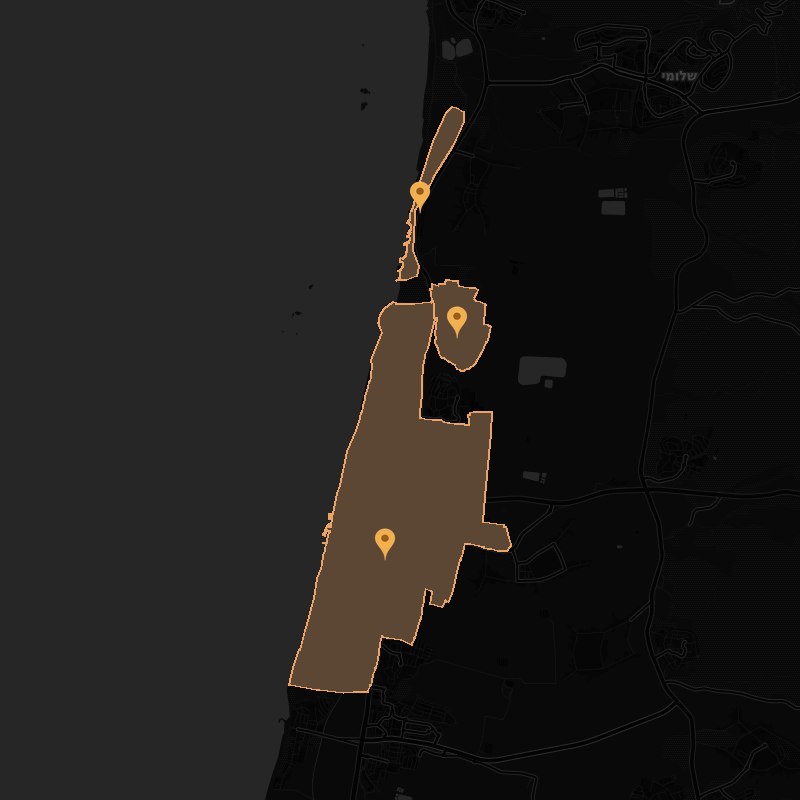
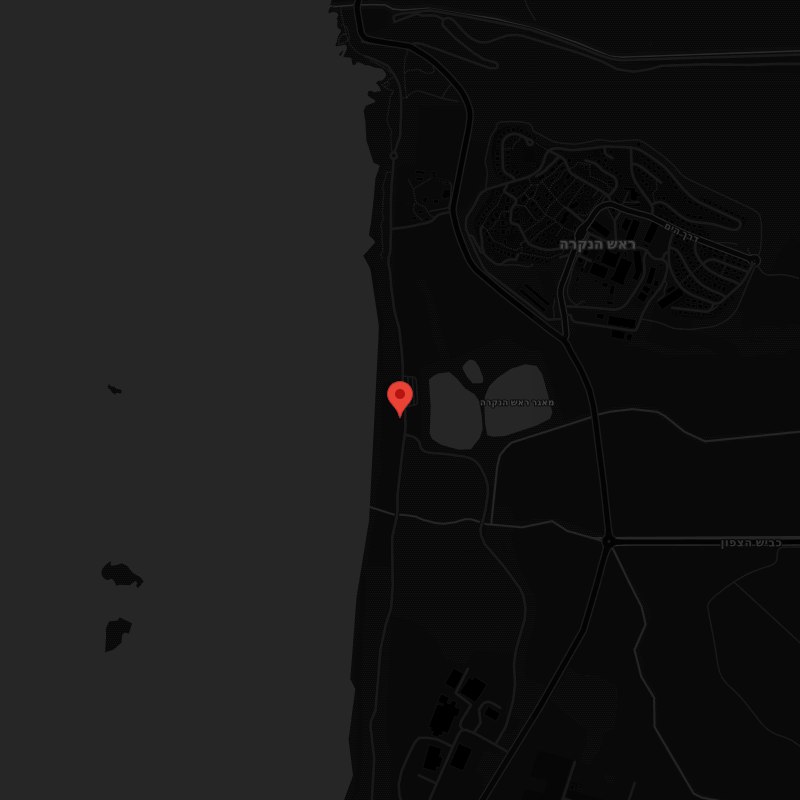
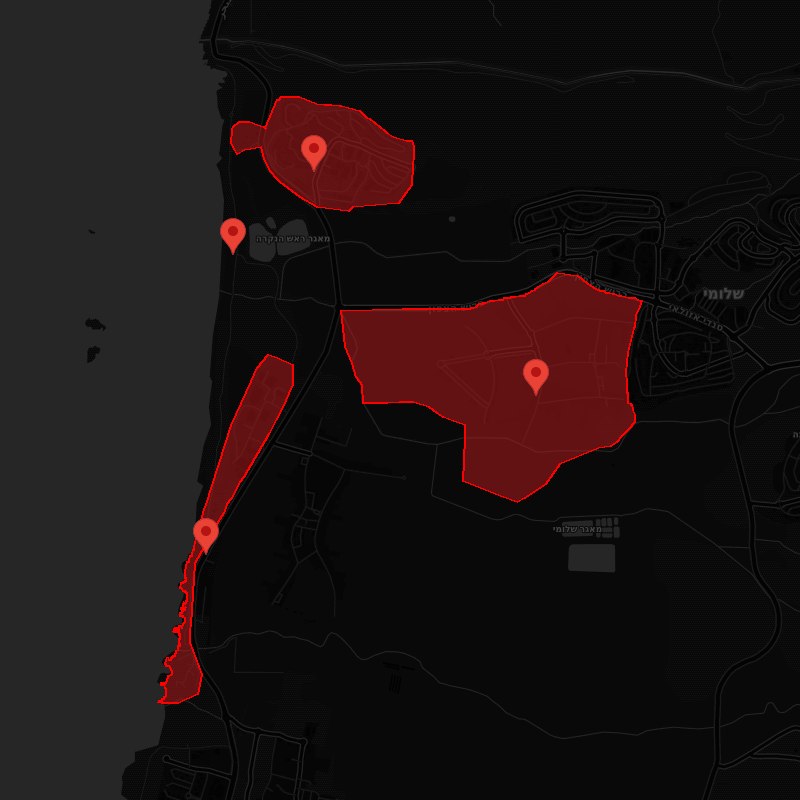
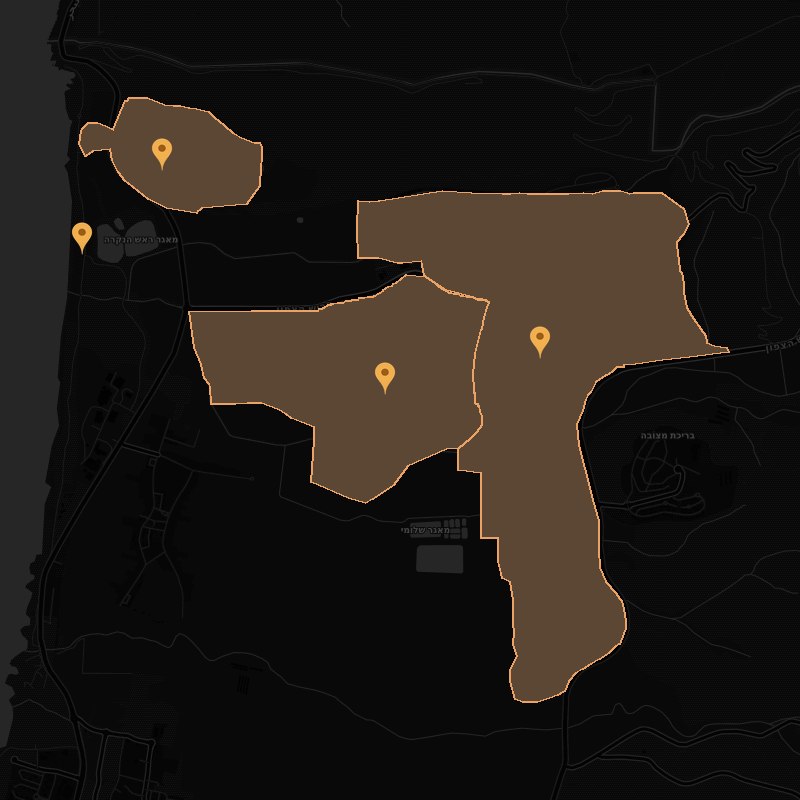
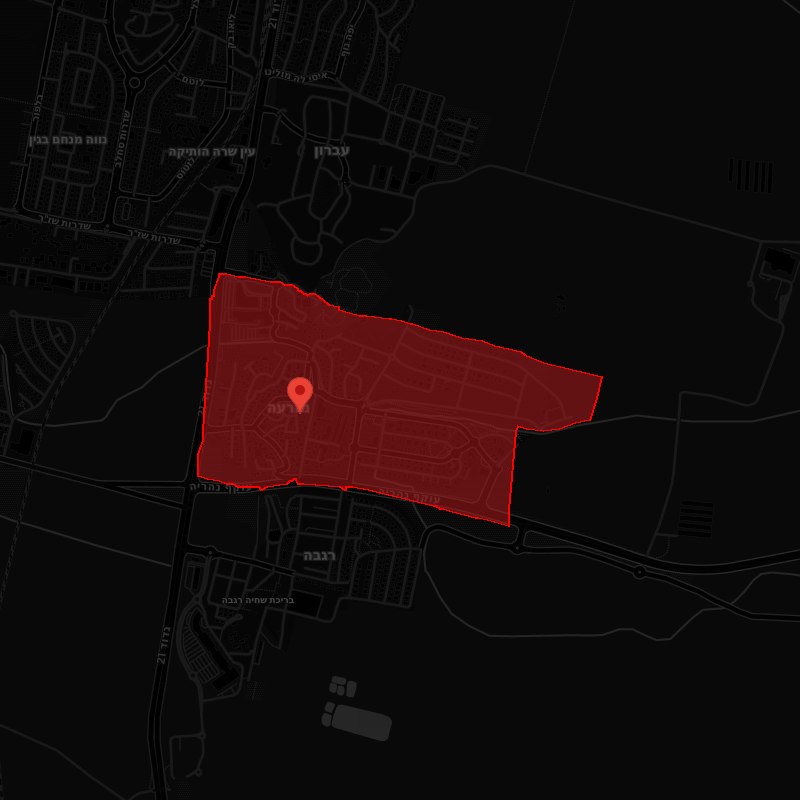
Between 07:47 and 15:36 local time, a series of high‑severity rocket alerts were issued across Israel's northern confrontation line. The alerts, sourced from RocketAlert, covered multiple localities including Rosh HaNikra, Ya'ara, Hanita, Betbet Beach, Kiryat Haim, Kiryat Shmuel, Kiryat Yam, Kiryat Biyalik, Kiryat Motzkin, Mazra'a, and Kfar Giladi. Each alert listed "Weapons: none" and "Orgs: none," indicating that the notifications were precautionary rather than confirming confirmed strikes. No casualty figures were released for any of the incidents.
Rocket/Missile alert 2026-04-16 18:36:27: Confrontation Line: Rosh HaNikra – RocketAlert.live, https://t.me/RocketAlert/29738
Hostile UAV Sightings Complement Rocket Threats
Concurrent with the rocket alerts, medium‑severity hostile UAV warnings were logged by RocketAlert and GeoPWatch. The UAV alerts spanned the same northern corridor, mentioning Rosh HaNikra, Shlomi, Betzet, Milouot Industrial Zone North, Gesher HaZiv, and Nahariya. Like the rocket alerts, the UAV notices did not specify weapon systems or responsible actors, but they reflect heightened aerial activity in the area.
Hostile UAV alert 2026-04-16 18:36:06: Confrontation Line: Rosh HaNikra – RocketAlert.live, https://t.me/RocketAlert/29736
Escalation of Ballistic Missile Use in the Ukraine Conflict
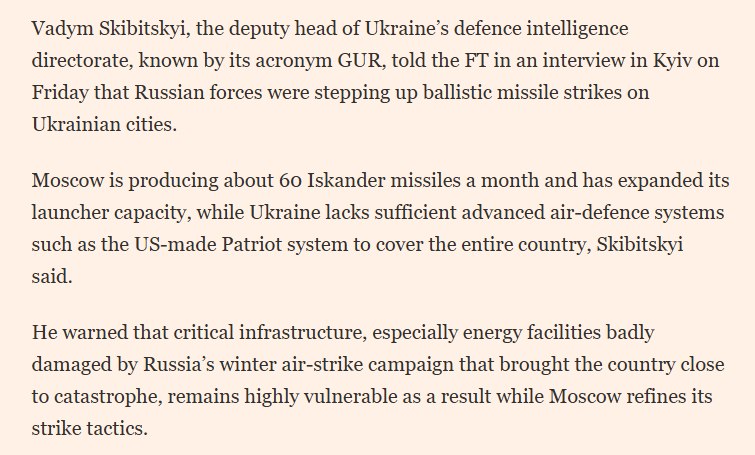
On the European front, Ukrainian intelligence (GUR) deputy head Vadym Skibitskyi reported a marked increase in Russian Iskander ballistic missile strikes against Ukrainian urban centers. The missiles, part of Russia's long‑range precision arsenal, have been employed in a sustained aerial campaign targeting civilian infrastructure. No specific casualty numbers were disclosed in the source, but the pattern suggests a strategic intent to pressure Kyiv through high‑impact strikes.
Russia Escalates Ballistic Missile Strikes on Ukrainian Cities – monitor_the_situation, https://t.me/monitor_the_situation/10864
US‑Israel Joint Air Campaign Against Iranian Economic Nodes
In parallel, the United States and Israel conducted coordinated airstrikes against Iran's key economic infrastructure. The strikes, reported by monitor_the_situation, targeted facilities essential to Iran's export capacity, aiming to degrade revenue streams that fund Tehran's regional operations. While the exact targets were not enumerated, the campaign represents a deepening of direct kinetic pressure on Iran beyond naval posturing.
US and Israeli Strikes Cripple Iran's Key Economic Nodes – monitor_the_situation, https://t.me/monitor_the_situation/10817
U.S. Repurposing of Captured Iranian Drones
U.S. Central Command disclosed that it had captured Iranian one‑way attack drones, removed their guidance components, re‑branded them, and launched them back into Iranian airspace. This unconventional tactic illustrates a shift toward kinetic denial of enemy UAV capabilities while leveraging captured technology for immediate effect.
We used our own one‑way attack drones, we got them from Iran, we took the guts out, put an American stamp on them and fired them right back into Iran. – GeoPWatch, 2026-04-16, https://t.me/GeoPWatch/31272
Assassinations and Targeted Killings in Europe
Two high‑profile assassinations occurred in Paris on 2026-04-16. The first involved a French man convicted of killing an Israeli woman in 2011; he was shot dead by two helmeted assailants on a scooter, as reported by The Jerusalem Post. The second killing targeted 51‑year‑old Israeli businessman Eric Rubik, who had previously been implicated in a 2011 vehicular homicide in Tel Aviv. Both incidents were carried out with firearms and remain under investigation, with no groups claiming responsibility.
A French man convicting of killing Israeli woman in 2011 shot dead in Paris – JPost, https://www.jpost.com/international/article-893233
Fuel Supply Disruptions Linked to Regional Conflict
Separate from the kinetic actions, two major fires erupted at Australian oil refineries—one at a key refinery and another at Viva Energy's Corio plant near Melbourne. While the incidents were not directly linked to the Middle‑East conflict, analysts note that reduced global fuel supplies could exacerbate economic pressures on nations already engaged in high‑intensity warfare.
Fire at key Australian refinery deepens fuel risks amid Iran war shortages – AlJazeera, https://www.aljazeera.com/video/newsfeed/2026/4/16/fire-at-key-australian-refinery-deepens-fuel-risks-amid-iran-war-shortages?traffic_source=rss
Collectively, these events illustrate a multi‑theater environment where kinetic operations—ranging from naval incursions and missile strikes to UAV deployments and targeted assassinations—are intensifying. The convergence of high‑severity alerts across Israel's northern border, escalated missile use in Ukraine, and coordinated US‑Israel air campaigns against Iran signals a broader pattern of escalation that could reshape regional security dynamics.