On 16 April 2026 Israeli forces carried out a high‑intensity airstrike on Beirut, killing at least eight civilians and striking amid renewed ceasefire negotiations announced by U.S. President Trump.
Beirut Capital Strike
The strike, reported by monitor_the_situation at 17:34:48, targeted an urban area in the Lebanese capital. No specific weapon system was disclosed, but the operation resulted in eight fatalities and several injuries. Video footage posted on the channel confirms the impact of the blast.
"Israeli forces struck Beirut, killing at least eight people amid ceasefire talks." – monitor_the_situation, 2026‑04‑16T17:34:48
Southern Lebanon Escalation
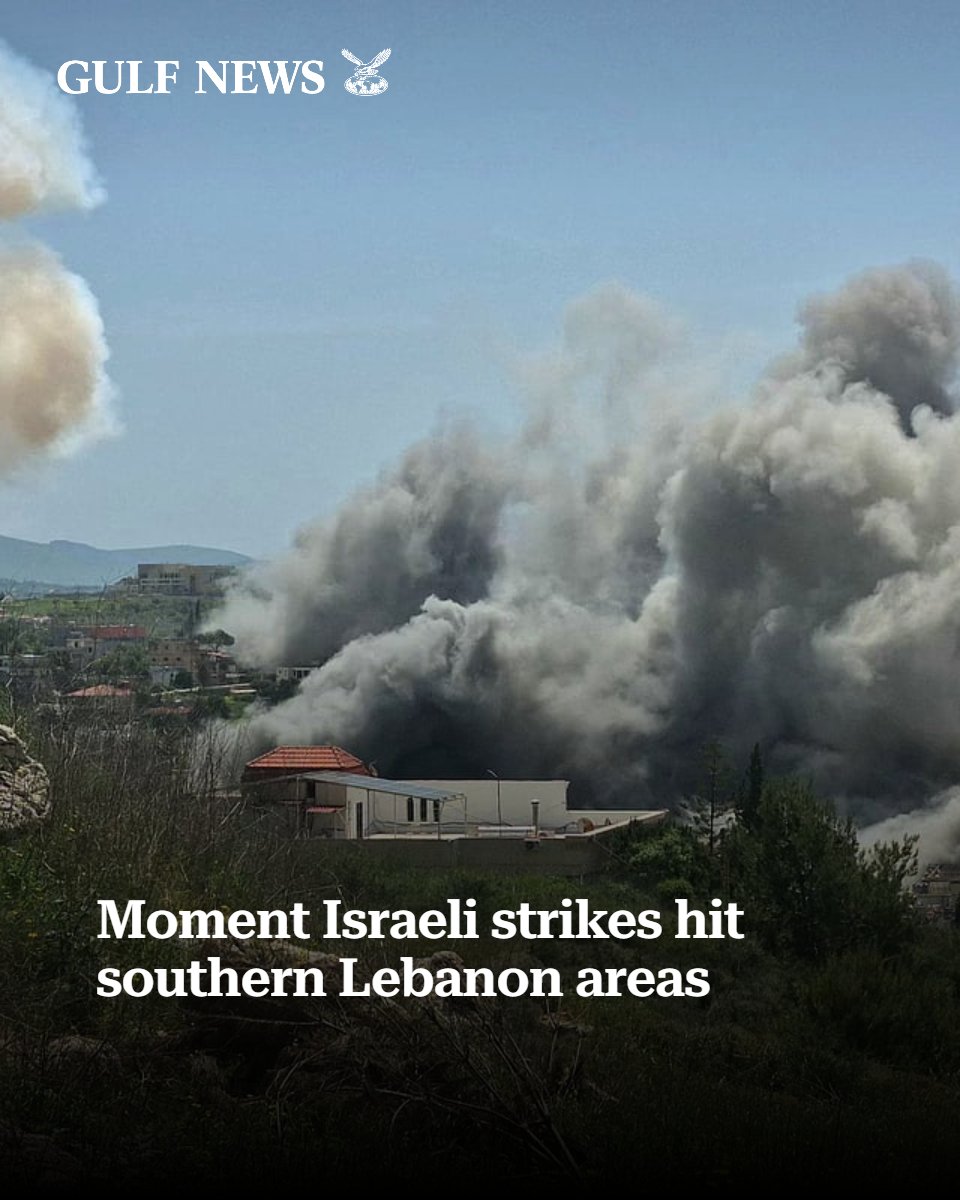
Earlier that afternoon, at 15:10:54, Israeli airstrikes hit the Tyre District in southern Lebanon, killing nine people and wounding six, according to the same source. The attacks employed conventional air‑strike munitions and were directed at locations linked to Hezbollah operatives.
"Israeli airstrikes in Tyre District, Lebanon killed nine people and wounded six." – monitor_the_situation, 2026‑04‑16T15:10:54
Additional strikes were recorded throughout the day. At 16:56:29, the Israel Defense Forces (IDF) launched aircraft attacks on multiple towns across southern Lebanon, as reported by BellumActaNews. While casualty figures were not released, the strikes underscore a broader campaign to degrade Hezbollah’s logistical network before the anticipated ceasefire.
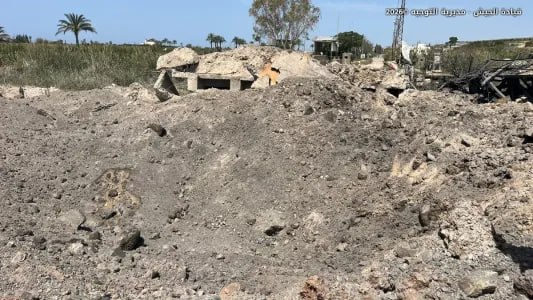
Strategic infrastructure also suffered damage. The Qasmiyeh bridge, the last road link between Tyre and Sidon, was demolished in two coordinated airstrikes at 10:31:24, as detailed by monitor_the_situation. The bridge’s destruction isolates the northern Litani corridor and hampers civilian movement.
"Israeli Airstrikes Destroy Qasmiyeh Bridge Between Tyre and Sidon, Lebanon." – monitor_the_situation, 2026‑04‑16T10:31:24
At 14:55:57, another strike on the same bridge resulted in a single fatality, confirming the bridge’s strategic importance to both Israeli and Hezbollah forces.
Drone and UAV Operations
Unmanned systems played a prominent role. At 17:45:47, an Israeli drone strike in South Lebanon killed two individuals, as reported by monitor_the_situation. The operation occurred during a fragile ceasefire dialogue, highlighting the continued use of precision UAVs to target personnel and equipment.
"Israeli Drone Strike Kills Two in South Lebanon" – monitor_the_situation, 2026‑04‑16T17:45:47
Conversely, Lebanese Resistance fighters employed an FPV (first‑person view) drone to strike an Israeli command vehicle in Taybeh at 16:12:49, demonstrating the growing capability of non‑state actors to conduct targeted attacks.
"Lebanese Resistance used an FPV drone to strike an Israeli command vehicle in Taybeh, Lebanon." – monitor_the_situation, 2026‑04‑12:12:49
Hezbollah also released video of an FPV drone hitting an Israeli Merkava tank in Deir Seryan, confirming the use of low‑cost, high‑impact UAVs against armored assets.
"Hezbollah released video of an FPV drone striking an Israeli Merkava tank in Deir Seryan." – intelslava, 2026‑04‑16T13:46:35
Ground and Naval Context
While the kinetic focus remained on Lebanese territory, Israeli ground forces continued to prepare for both defensive and offensive operations, as noted by idkunim_il at 14:34:33. The IDF reported full readiness to implement the ceasefire while maintaining pressure on Hezbollah positions.
Naval activity, though not directly on Lebanese soil, reflects the broader regional escalation. The U.S. Navy announced an immediate blockade of the Strait of Hormuz at 16:34:57 (source: OSINTdefender), and Israel’s Shayetet 13 commandos conducted a raid in Naqura, Lebanon, at 15:11:03 (source: JPost), indicating a multi‑domain approach to the conflict.
Analysis
The concentration of high‑casualty airstrikes in Beirut and Tyre on 16 April marks the most lethal day of kinetic activity in Lebanon since the 2023 escalation. The targeting of civilian areas in the capital, combined with the systematic demolition of critical infrastructure in the south, suggests an Israeli strategy aimed at pressuring the Lebanese government and Hezbollah into accepting a U.S.–brokered ceasefire.
Simultaneously, the proliferation of drone attacks—both state‑run and insurgent‑operated—demonstrates a shift toward precision, low‑cost weapons that can bypass traditional air‑defence systems. Hezbollah’s documented use of FPV drones against Israeli armor indicates an evolving tactical capability that may complicate future de‑escalation efforts.
Humanitarian implications are severe. The destruction of the Qasmiyeh bridge and the loss of life in densely populated Beirut neighborhoods exacerbate civilian displacement and hinder aid delivery. International observers, including the United Nations, are likely to call for an immediate cessation of hostilities to allow humanitarian corridors to function.
Overall, the events of 16 April illustrate a volatile balance between kinetic pressure and diplomatic overtures. The forthcoming ceasefire talks will need to address not only the cessation of air and drone strikes but also the restoration of essential infrastructure and the mitigation of civilian casualties.