On 15 April 2026, Russian forces escalated the aerial campaign against Ukraine by deploying a coordinated swarm of more than 300 Geran‑2 and Gerbera drones together with three ballistic missiles aimed at the Kyiv Oblast. Ukrainian air defenses intercepted the majority of the unmanned aircraft and engaged the missile salvo, limiting damage but confirming a significant uptick in kinetic activity on the front line.
Scale of the Russian Drone and Missile Attack
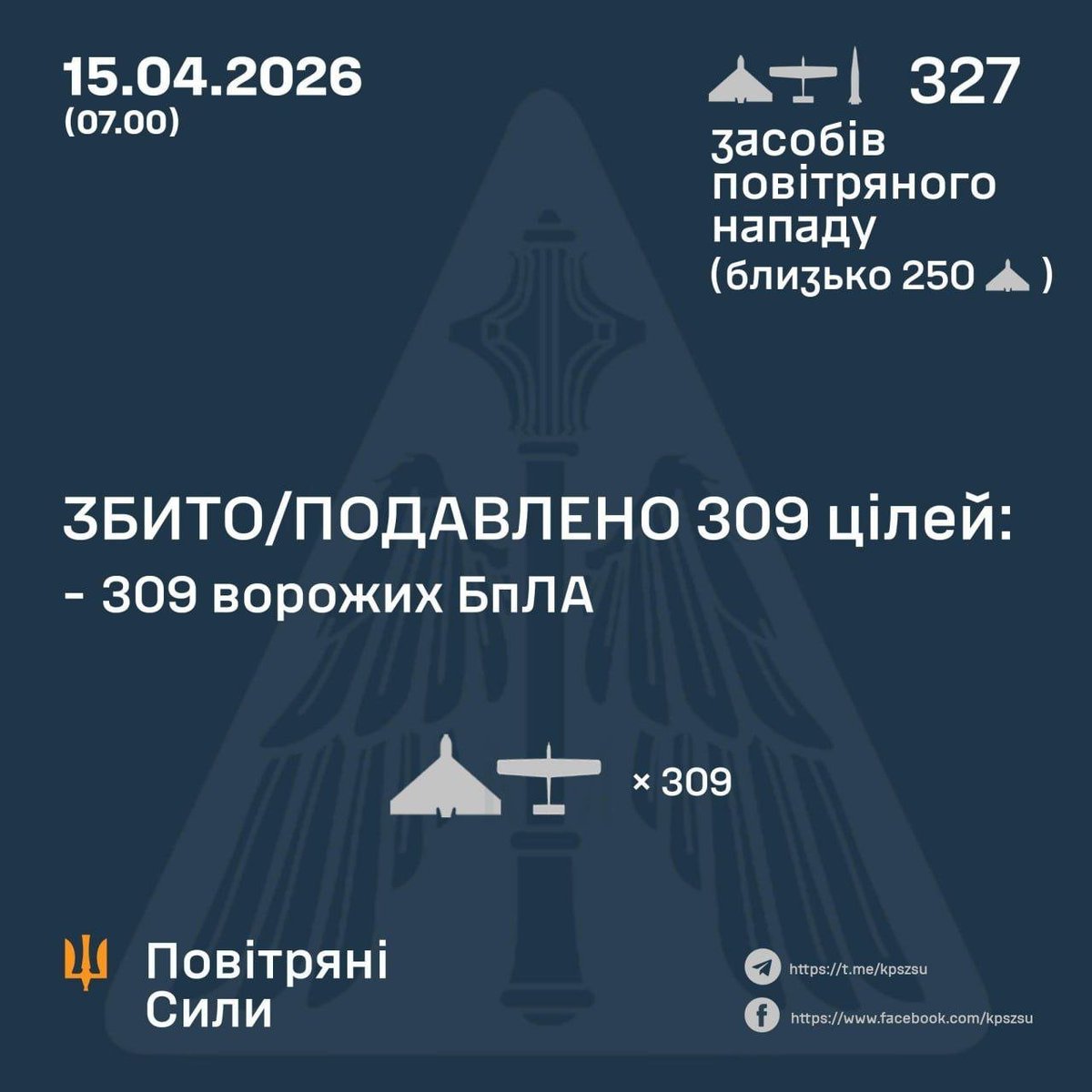
According to the monitoring channel monitor_the_situation, the operation began in the early hours of the day, with the drones launched from multiple launch points in Russian‑occupied territory. Approximately 60 drones were detected heading directly toward the capital, prompting the activation of the integrated air defence system (IADS) around Kyiv. Ukrainian forces reported successful interceptions of most of the swarm, while nine separate locations in the vicinity of the city were struck by either drones or missile fragments.
Weapons used: Geran‑2 and Gerbera loitering munitions, three ballistic missiles (type undisclosed).
Organizations involved: Russian Aerospace Forces; Ukrainian Air Defence Forces.
"Russia launched a massive swarm of 324 drones and three ballistic missiles against Ukraine, with Ukrainian defenses intercepting most drones and striking nine locations near Kyiv." – monitor_the_situation, 2026‑04‑15T07:41:21, source
Second Wave of Drone Assaults on Kyiv Oblast
Later the same day, a second wave of over 300 Geran‑2 and Gerbera drones was dispatched toward Kyiv Oblast. Monitoring reports indicated that around 60 of these drones were still on trajectory toward the capital when Ukrainian radar systems detected them. The continued pressure forced the Ukrainian command to keep air defence assets on high alert throughout the afternoon, further straining already taxed resources.
Source: monitor_the_situation, 2026‑04‑15T11:08:07, source
Russian Glide‑Bomb Strike on Slovyansk
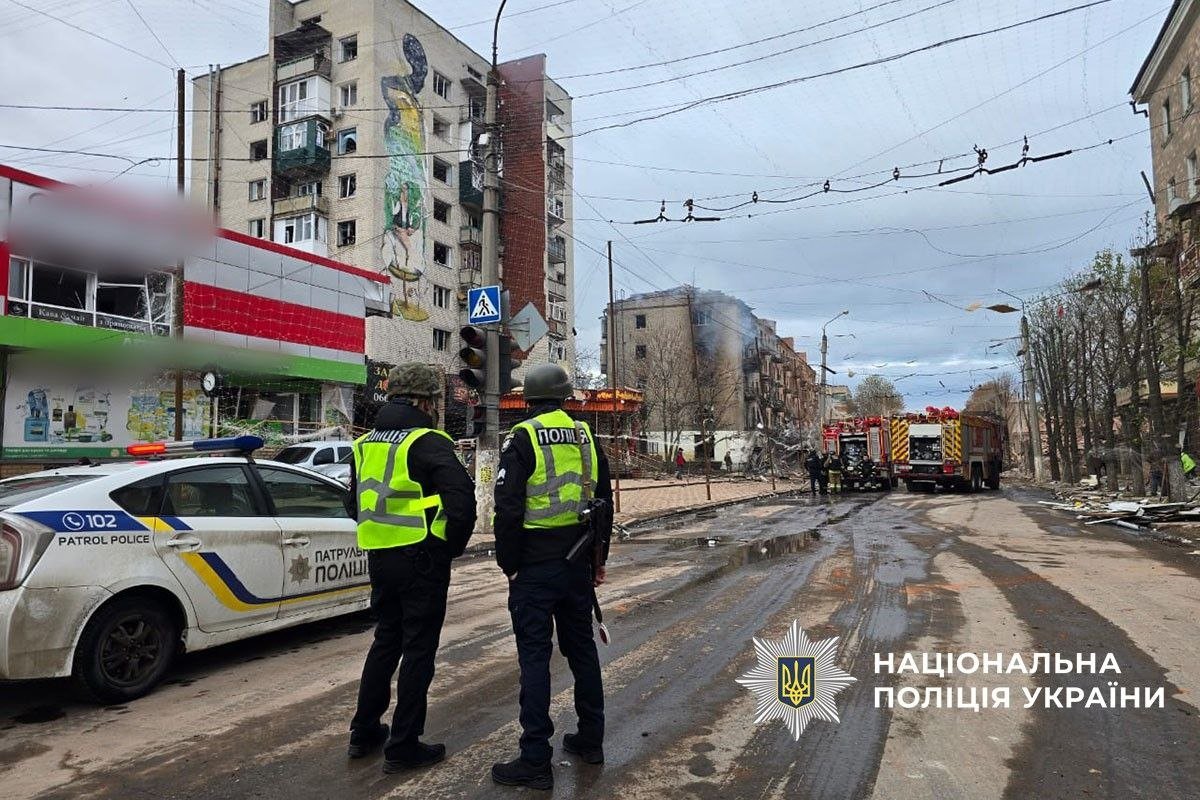
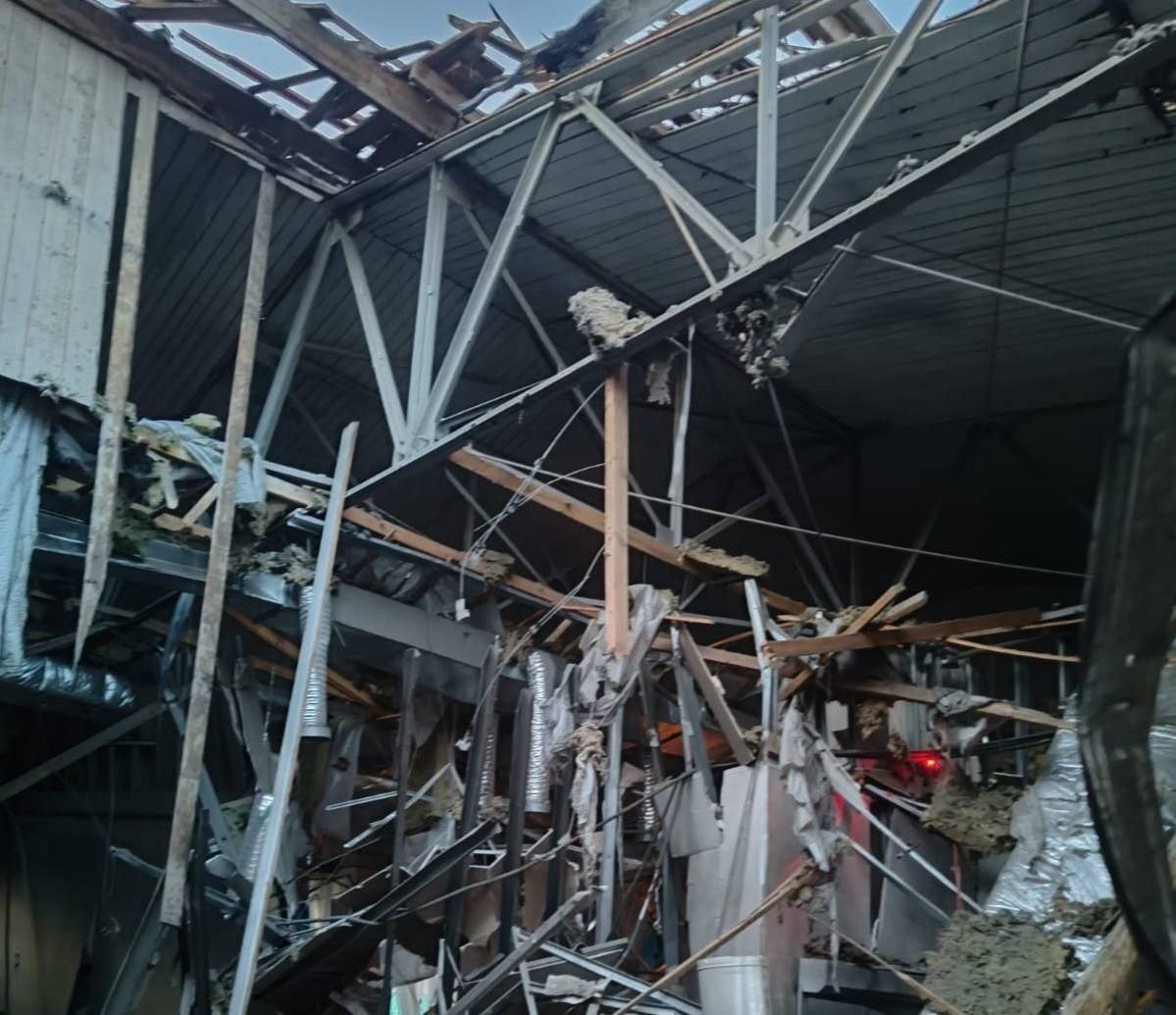
In the Donetsk Oblast, Russian forces employed a KAB‑1500 precision glide bomb against the city centre of Slovyansk at 09:55 UTC. The strike produced visible destruction of civilian infrastructure and prompted emergency response teams to evacuate nearby residents. No immediate casualty figures were released, but the impact underscores the continued use of high‑value precision munitions in contested urban areas.
Weapons used: KAB‑1500 glide bomb.
Location: Slovyansk, Donetsk Oblast.
Source: monitor_the_situation, 2026‑04‑15T09:55:28, source
Ukrainian Counter‑Strike on Donetsk Airport
At 07:37 UTC, Ukrainian or allied forces launched a coordinated strike on the Russian‑controlled Donetsk Airport using SCALP cruise missiles and GBU‑39 Small Diameter Bombs. The attack damaged runway infrastructure and several support facilities, representing a rare deep‑strike capability against a heavily fortified target inside occupied territory.
Weapons used: SCALP cruise missile, GBU‑39 bomb.
Location: Donetsk Airport, Donetsk Oblast.
Source: monitor_the_situation, 2026‑04‑15T07:37:52, source
Ukrainian Defensive Success Near Sumy
In the northern Sumy region, Ukrainian forces intercepted and destroyed a Russian assault group attempting to infiltrate via a pipeline corridor. The engagement resulted in the elimination of the hostile unit without reported Ukrainian casualties, highlighting effective reconnaissance and rapid reaction capabilities on the front line.
Location: Sumy, Ukraine.
Organizations involved: Ukrainian Armed Forces; Russian assault group.
Source: monitor_the_situation, 2026‑04‑15T07:37:51, source
Overall Kinetic Activity Assessment
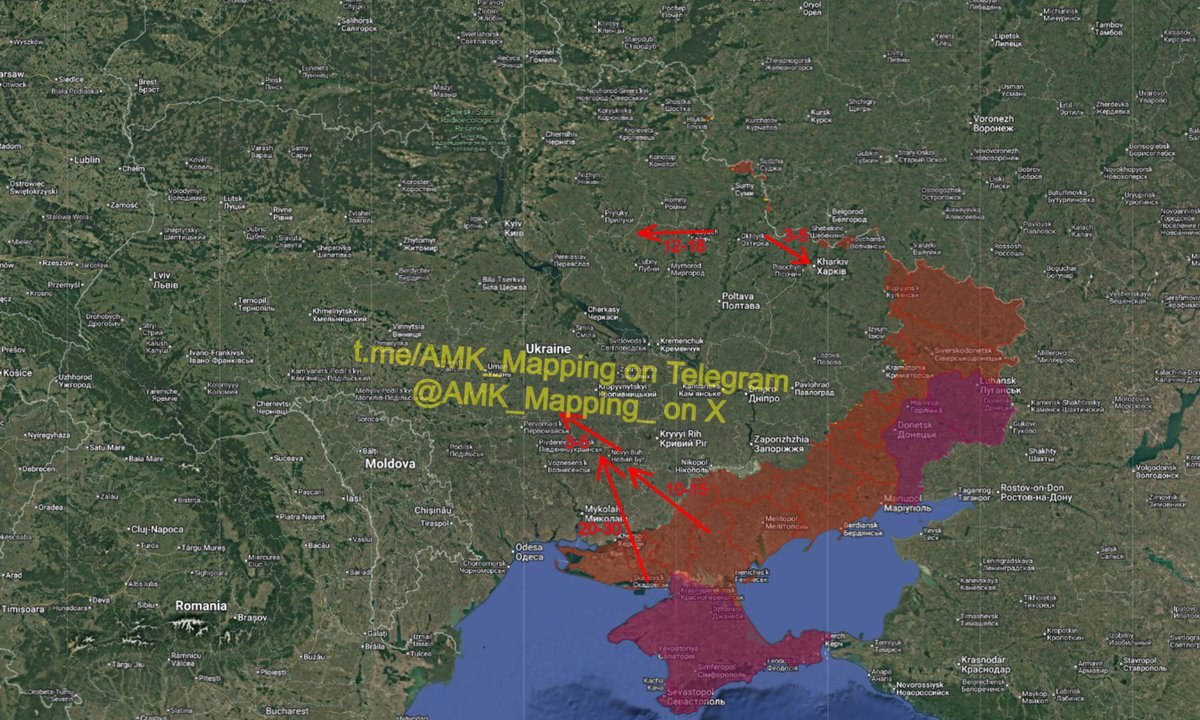
The events of 15 April demonstrate a pronounced escalation in kinetic operations across multiple fronts. Russia intensified its aerial pressure on the capital region with unprecedented drone swarm sizes and ballistic missile use, while simultaneously employing precision glide bombs in contested urban zones. Ukraine responded with long‑range precision strikes on high‑value targets within occupied Donetsk and maintained robust air defence performance to mitigate the drone threat. The combined effect of these actions resulted in heightened operational tempo, increased strain on air defence assets, and a measurable rise in infrastructure damage across both Ukrainian and Russian‑controlled territories.