On 15 April 2026 a series of kinetic events unfolded across the Middle East, highlighting escalating volatility along several frontlines. The most consequential development was an Israeli airstrike in Lebanon that provoked a sharp rebuke from Hezbollah lawmakers, followed by a cascade of rocket alerts across northern Israel and a U.S. naval blockade of Iranian ports.
Lebanese Airstrike and Hezbollah Response
At 11:52 UTC, Al Jazeera reported that Israeli forces conducted airstrikes in Lebanon, resulting in civilian casualties and extensive property damage. Hezbollah parliamentarian Hassan Fadlallah condemned the operation, stating that “negotiating with the enemy is wrong” and warning of “internal division” within Lebanon if such attacks continue. The strike occurred amid ongoing diplomatic efforts to de‑escalate border tensions, but the Israeli action underscored a willingness to employ kinetic force despite parallel political overtures.
"Anger in Lebanon as Israel launches deadly strikes despite diplomatic drive," Al Jazeera, 15 April 2026, https://www.aljazeera.com/news/2026/4/15/anger-in-lebanon-as-israel-launches-deadly-strikes-despite-diplomatic-drive?traffic_source=rss
The incident involved no publicly disclosed weapon systems, but the term “airstrike” implies the use of precision‑guided munitions launched from aircraft. No casualty figures were released at the time of reporting, though local sources indicated multiple injuries.
Rocket Alerts Across Northern Israel
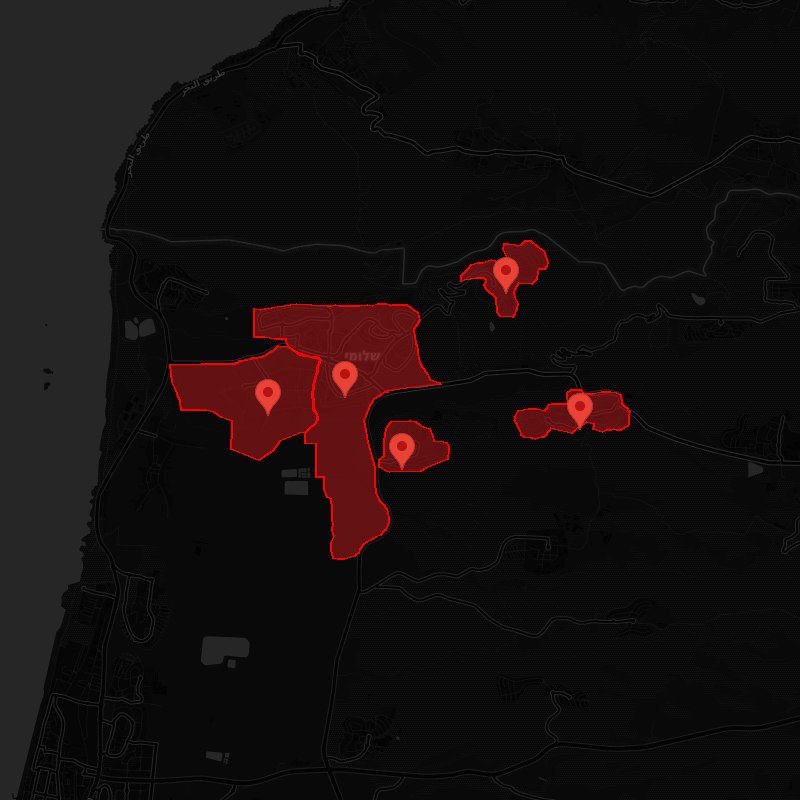
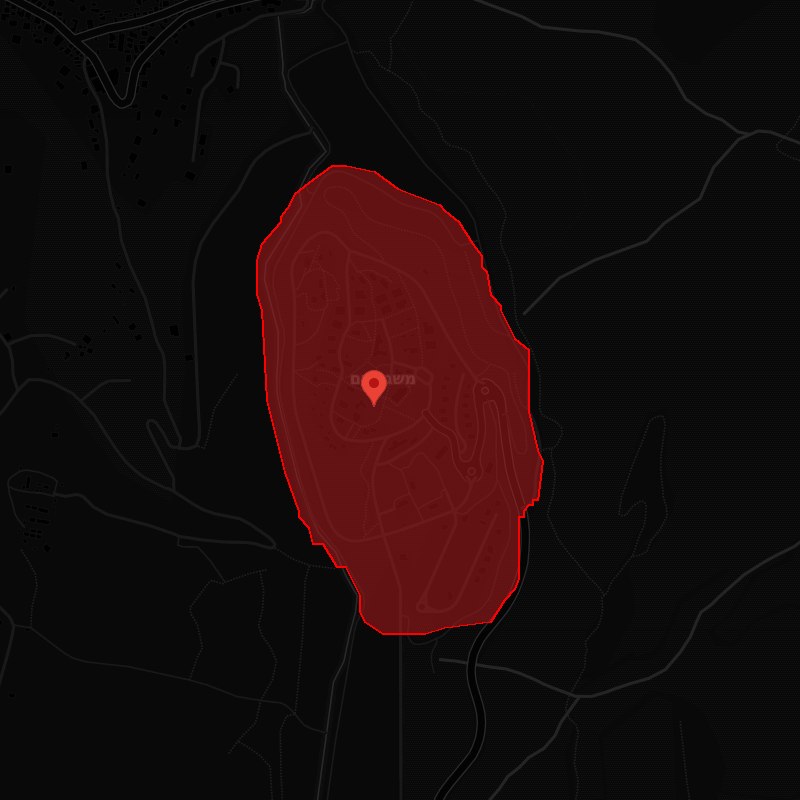
Within the same 24‑hour period, RocketAlert issued a series of high‑severity alerts for rockets and missiles targeting locations along Israel’s northern confrontation line. The alerts, posted on the Telegram channel RocketAlert, listed the following sites:
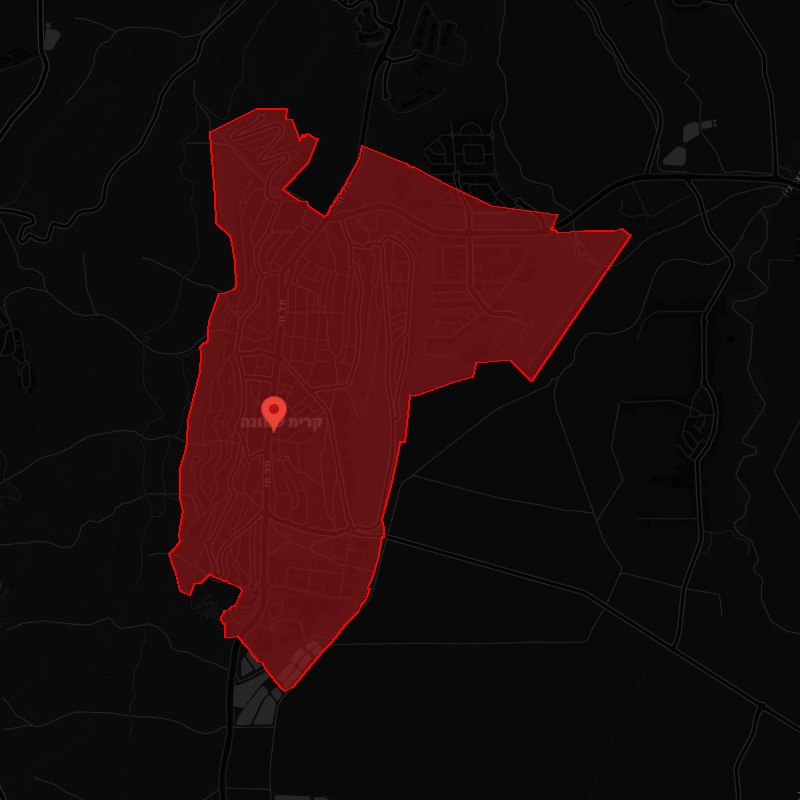
- 17:22 UTC – Kiryat Shmona (Confrontation Line)
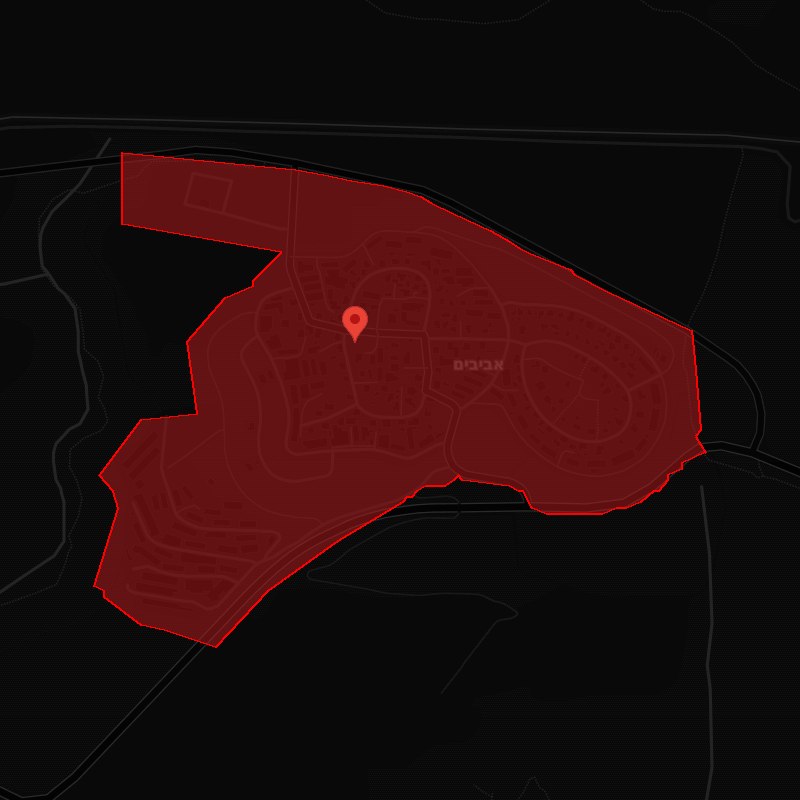
- 16:45 UTC – Avivim (Confrontation Line)
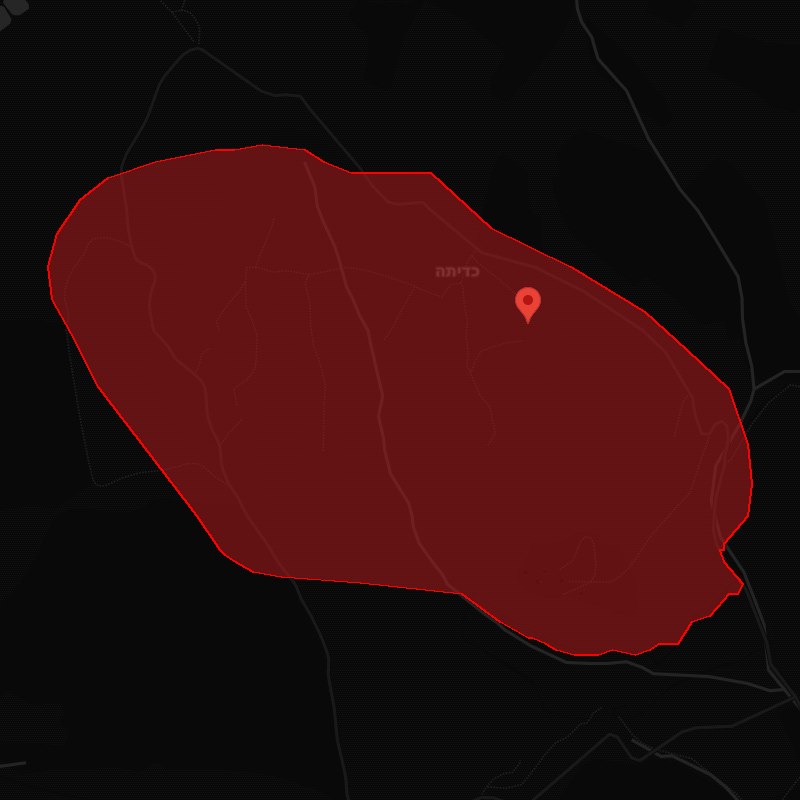
- 16:01 UTC – Kadita (Upper Galilee)
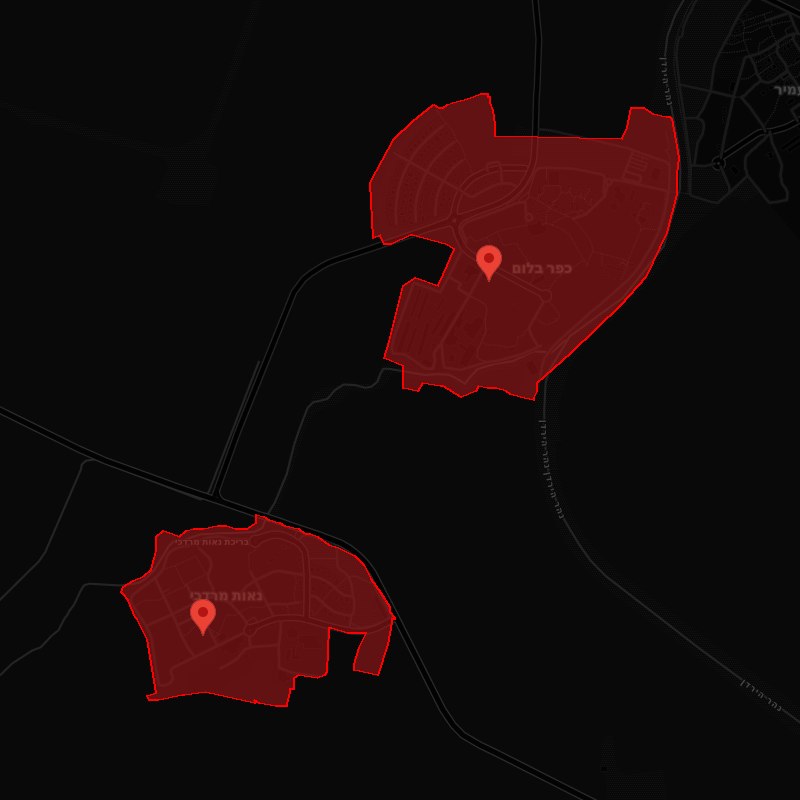
- 15:23 UTC – Kfar Blum and Neot Mordechai (Confrontation Line)
- 15:05 UTC – Ya’ara, Betzet, Shlomi, Hanita, Metzuba (Confrontation Line)
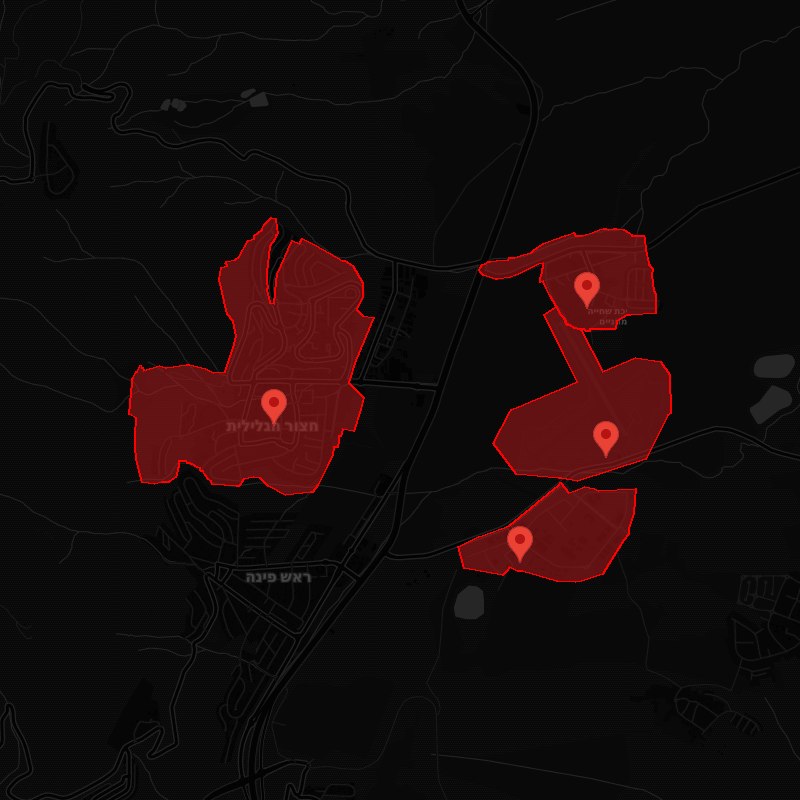
- 11:45 UTC – Machanaim, Hatzor HaGlilit, Machanaim landing pad, Tzahar Industrial Zone (Upper Galilee)
- 06:29 UTC – Misgav Am (Confrontation Line)
Each alert was accompanied by a single photographic item, but no confirmed impact reports or casualty numbers were released. The absence of weapon details in the source data suggests that the alerts were generated from detection systems rather than confirmed strikes.
In addition to rockets, two hostile UAV alerts were logged:
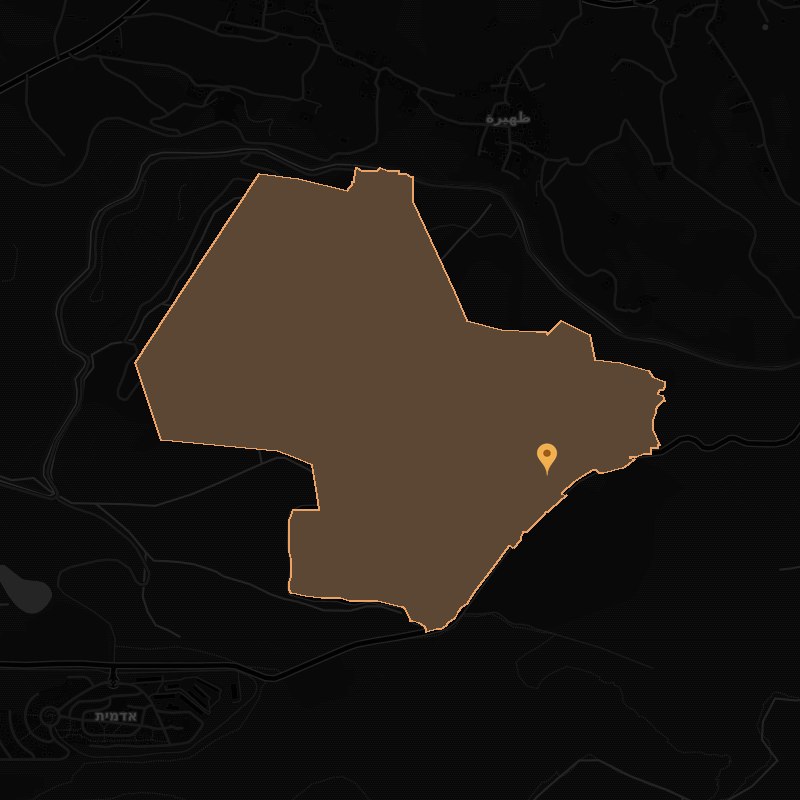
- 13:43 UTC – Arab al‑Aramshe (Confrontation Line)
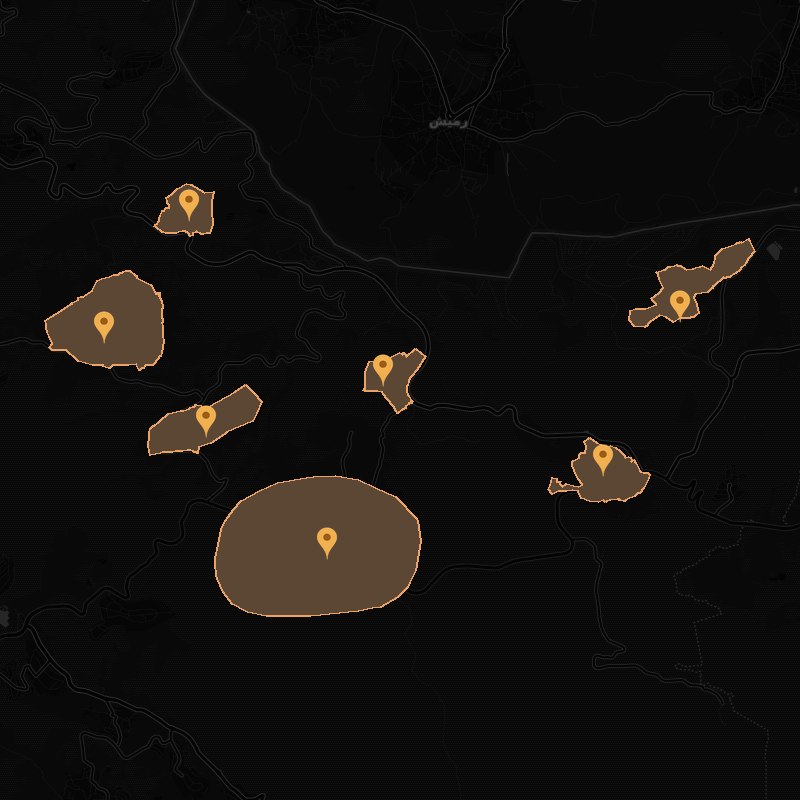
- 07:55 UTC – Hurfeish, Netua, Dovev, Sassa, Fassuta, Alkosh, Matat (multiple villages)
Both UAV alerts were classified as “hostile” by RocketAlert, indicating potential reconnaissance or attack drones operating near civilian settlements. No further information on payloads or outcomes was provided.
U.S. Naval Blockade of Iranian Ports
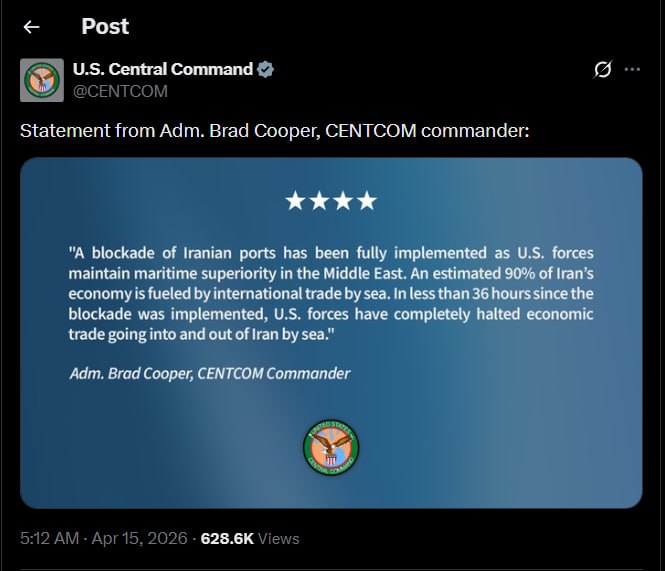
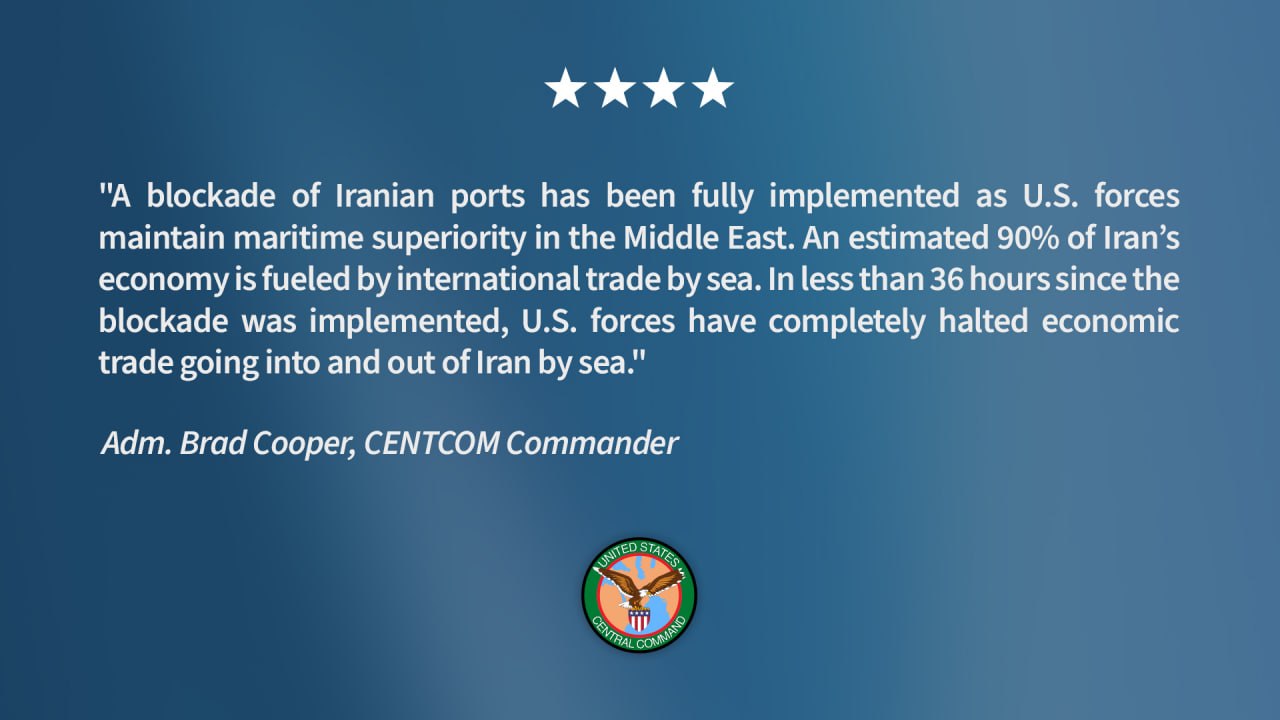
At 07:24 UTC, BellumActaNews relayed a statement from United States Central Command (CENTCOM) announcing a full naval blockade of Iran’s ports. The blockade, described as a “complete implementation” of maritime superiority, aims to halt all seaborne trade to and from Iran, a nation whose economy is estimated to derive roughly 90 % of its foreign exchange from maritime commerce.
"A blockade of Iranian ports has been fully implemented as U.S. forces maintain maritime superiority in the Middle East. An estimated 90% of Iran’s economy is fueled by international trade by sea," BellumActaNews, 15 April 2026, https://t.me/BellumActaNews/171032
The announcement did not specify the composition of the naval assets deployed, nor did it reference any kinetic engagements such as missile strikes against Iranian vessels. However, the strategic use of naval power constitutes a kinetic posture that could influence regional maritime security dynamics.
Related Incidents: Turkey School Shooting
Two high‑severity infiltration alerts from GeoPWatch highlighted a separate, non‑military kinetic event in Turkey. At 12:17 UTC, a video showed children fleeing a school shooting, while a subsequent message at 12:25 UTC warned that casualty numbers were expected to rise sharply in the coming hours. No weapon specifics or organizational claims were attached to these alerts, but the reports underscore the broader pattern of civilian-targeted violence occurring concurrently with military kinetic actions in the region.
https://t.me/GeoPWatch/31221
https://t.me/GeoPWatch/31225
Analysis
The clustering of kinetic events on 15 April 2026 reflects a multi‑theater escalation pattern. The Israeli airstrike in Lebanon demonstrates a willingness to employ direct force despite diplomatic overtures, while the dense series of rocket and UAV alerts along Israel’s northern frontier suggests heightened alertness to cross‑border threats, likely emanating from Hezbollah or affiliated militias.
The U.S. naval blockade of Iranian ports adds a strategic kinetic dimension that, while not involving immediate combat, imposes economic pressure that could provoke retaliatory measures. Simultaneously, the school shooting in Turkey illustrates that civilian kinetic violence remains a persistent threat independent of state‑to‑state conflict.
Collectively, these events indicate a volatile security environment where kinetic actions—airstrikes, rocket fire, UAV incursions, and naval interdictions—are employed alongside, and sometimes in parallel with, non‑military violence. Monitoring agencies should track subsequent casualty reports from the Lebanese strike, verify any impact assessments from the Israeli rocket alerts, and assess the economic repercussions of the Iranian blockade.