On April 15, 2026, Hezbollah escalated its cross‑border campaign against Israel, launching a coordinated barrage of rockets toward northern Israeli communities and prompting a swift Israeli response that included airstrikes, artillery fire, and the systematic demolition of villages in southern Lebanon.
Hezbollah’s Rocket Offensive
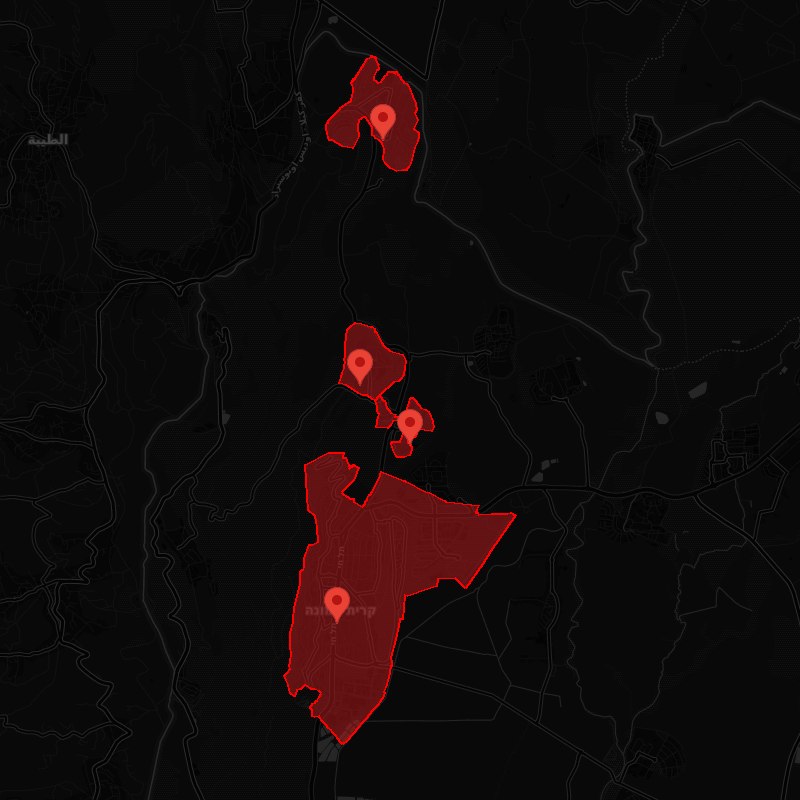
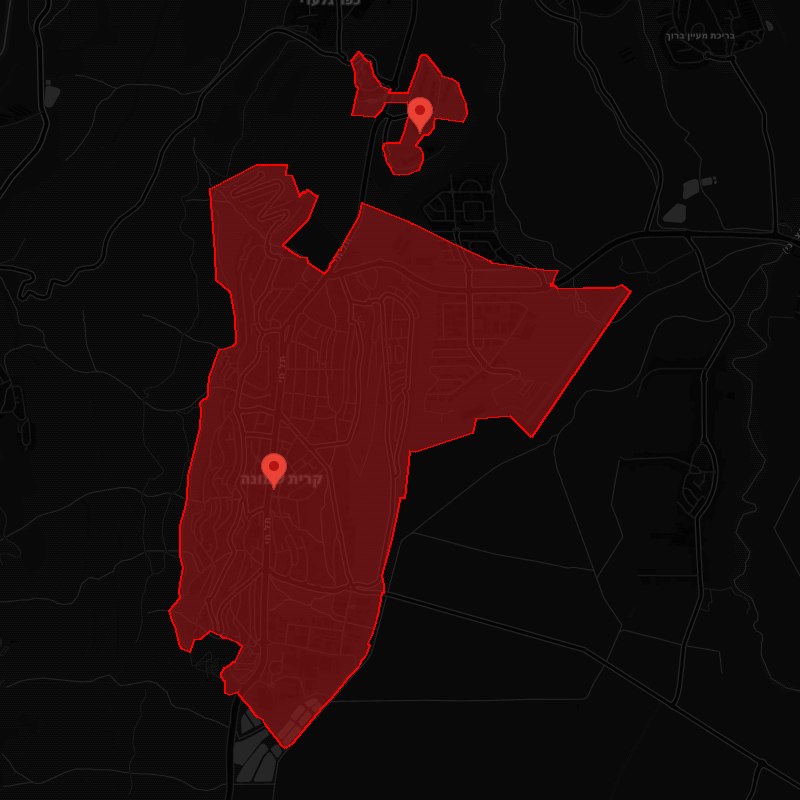
At 05:35:36 UTC, the monitoring channel monitor_the_situation reported that Hezbollah militants fired 20 rockets toward northern Israel. The rockets struck a wide front that included the towns of Kiryat Shmona, Tel Hai, Kfar Giladi, Metulla, and the surrounding agricultural settlements. The same day, multiple independent alerts from RocketAlert confirmed additional rocket impacts in the region:
- 08:57:41 – alerts over Kiryat Shmona, Tel Hai, Kfar Giladi, and Metulla.
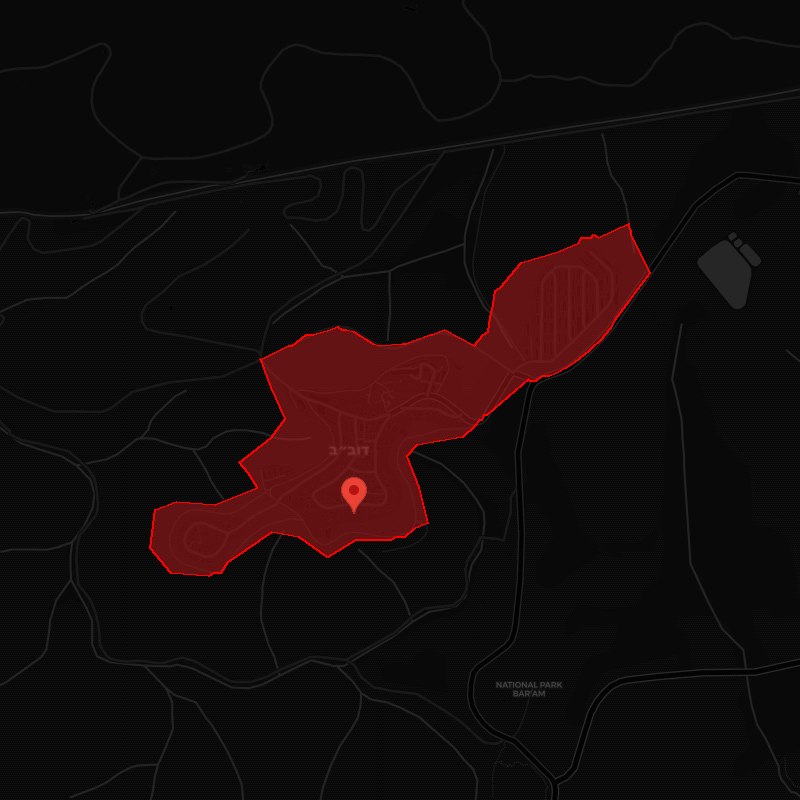
- 08:43:35 – an alert over Dovev.
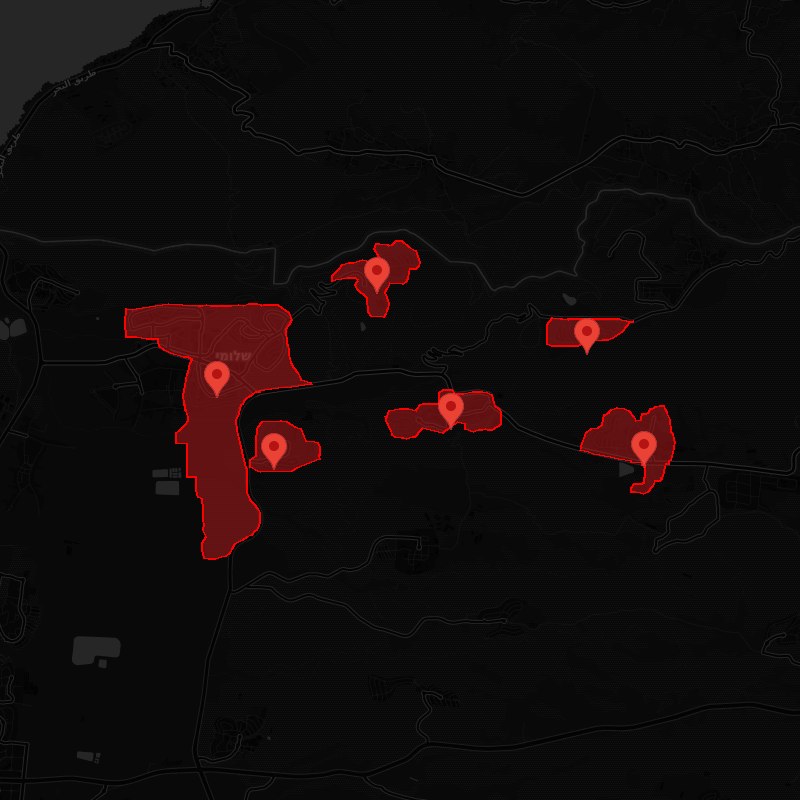
- 08:32:29 – alerts covering Ya'ara, Eilon, Idmit, Shlomi, Hanita, and Metzuba.
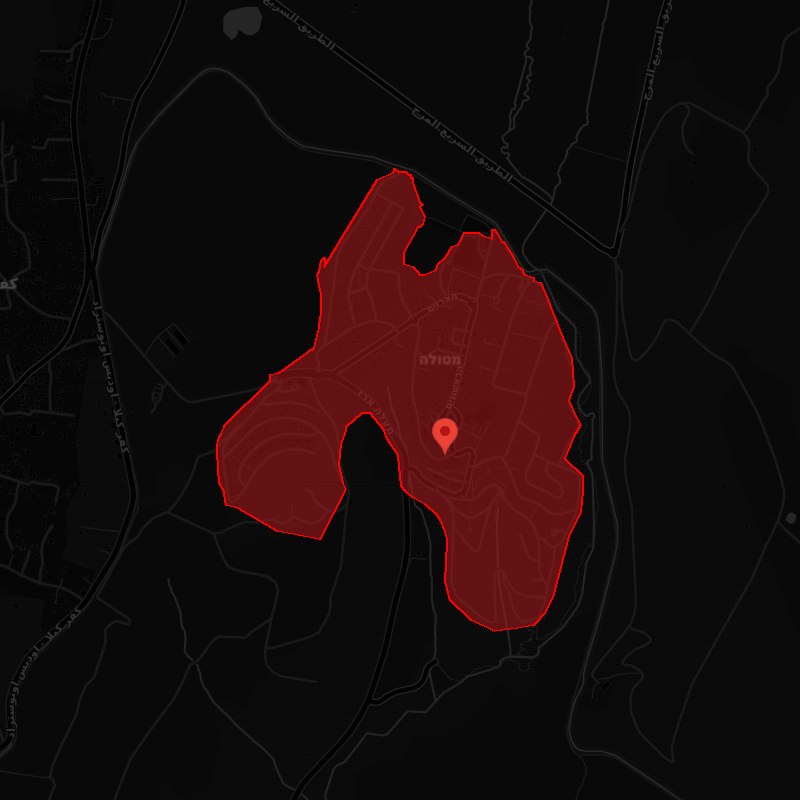
- 08:00:30 – an alert over Metulla.
- 07:59:21 – alerts over Kiryat Shmona and Tel Hai.
All RocketAlert notifications were accompanied by photographic evidence of rocket launch flashes and impact craters, underscoring the breadth of the attack. No immediate civilian casualties were reported in the Israeli alerts, but the sheer volume of rockets heightened the risk of escalation.
Israeli Retaliatory Airstrikes
In direct response, the Israeli Defense Forces (IDF) conducted a series of airstrikes across southern Lebanon. The most lethal strike occurred at 05:39:04 UTC in the Qadmus area, where Israeli aircraft targeted a suspected Hezbollah command post. According to monitor_the_situation, the strike resulted in four fatalities and the recovery of four bodies:
Four bodies recovered after Israeli military strike in Lebanon's Qadmus area amid ongoing operations in southern Lebanon.
The Qadmus strike was followed by additional air operations aimed at degrading Hezbollah’s rocket launch infrastructure and command‑and‑control nodes. While casualty figures for these subsequent strikes remain unverified, the pattern of targeting suggests a deliberate effort to curtail Hezbollah’s ability to sustain its rocket campaign.
Ground Operations and Village Demolitions
Concurrently, Israeli ground forces intensified operations in southern Lebanon, employing engineering units to raze villages deemed to be Hezbollah strongholds. The channel monitor_the_situation documented the systematic destruction of multiple villages, describing the tactics as “akin to those used in Gaza.” Video footage showed bulldozers leveling residential structures, while IDF statements framed the actions as necessary to eliminate “terrorist infrastructure.”
These demolitions have raised concerns under international humanitarian law, as the destruction of civilian homes without clear evidence of military use may constitute collective punishment. No independent verification of civilian displacement numbers is available at the time of writing.
Hezbollah’s Advanced Weaponry
Among the documented attacks, Hezbollah released a video on the intelslava channel showing the launch of a Paveh cruise missile aimed at an IDF position in Misgav Am, northern Israel. The missile, reportedly equipped with a guidance system capable of low‑altitude flight, represents a notable escalation in Hezbollah’s missile capabilities. While the impact of the missile was not confirmed, the public release of the footage signals a strategic intent to showcase advanced weaponry.
Regional Context and Wider Implications
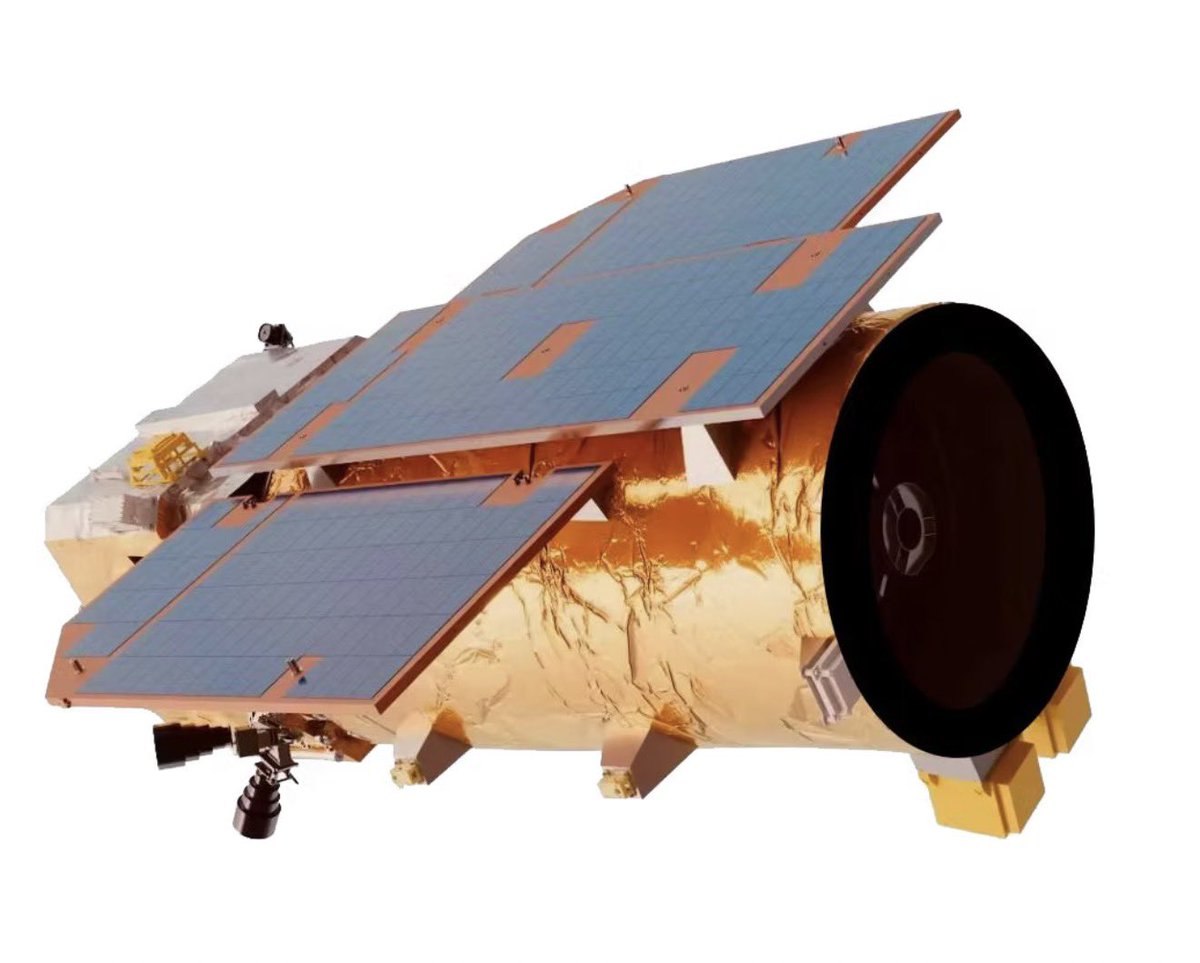
The April 15 flare‑up occurs against a backdrop of heightened regional tension. Earlier in the day, Iranian intelligence activities were highlighted by a separate report indicating the use of China’s TEE‑01B satellite to gather targeting data for a March 14 missile attack on Saudi Arabia’s Prince Sultan Air Base. Although unrelated to the Lebanon‑Israel front, the report underscores the broader pattern of proxy and state actors leveraging advanced surveillance to support kinetic operations.
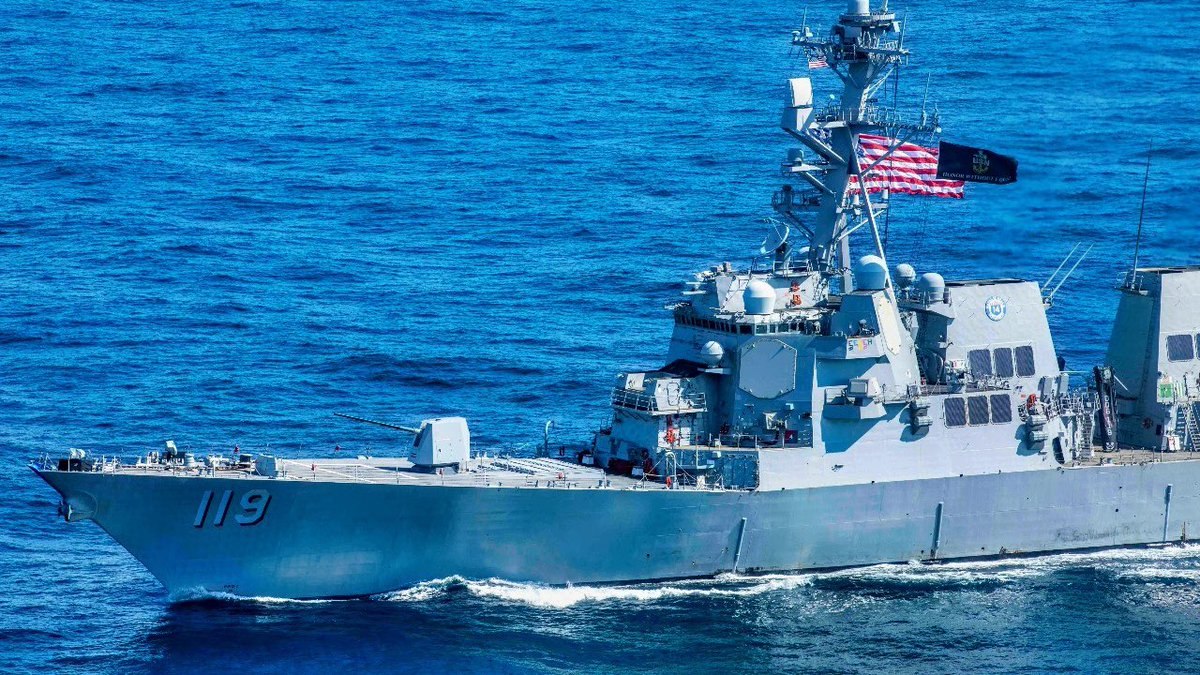
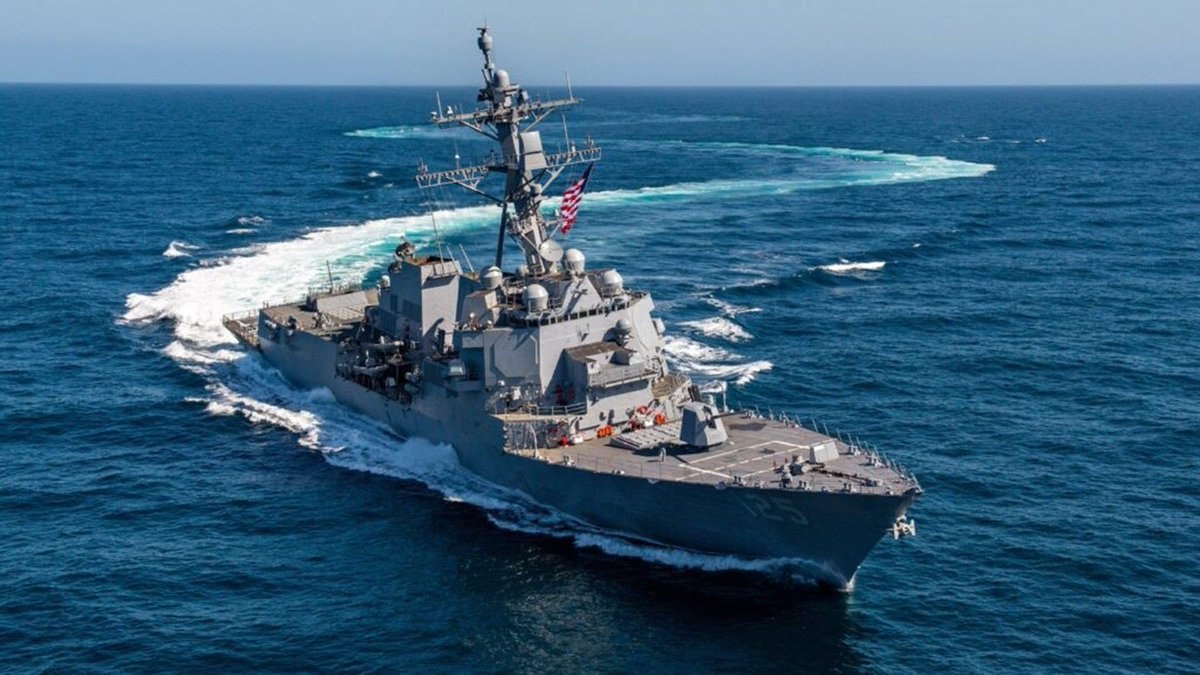
In parallel, the United States intensified its naval presence in the Persian Gulf, intercepting Iranian oil tankers in the Strait of Hormuz and at Chabahar Port. While these actions are not directly linked to the Hezbollah‑Israel confrontation, they reflect a multi‑theater environment where escalation in one hotspot can influence strategic calculations elsewhere.
Assessment of the Escalation
The coordinated rocket barrage, combined with the use of a cruise missile, indicates a deliberate shift by Hezbollah toward higher‑intensity, longer‑range attacks. Israel’s response—airstrikes, ground demolitions, and the mobilization of artillery—demonstrates a willingness to apply proportional force to degrade Hezbollah’s operational capacity. However, the civilian impact of village demolitions and the potential for miscalculation remain significant risks.
Both sides appear to be testing each other’s thresholds. Hezbollah’s expanded missile repertoire may compel Israel to broaden its target set, potentially drawing in additional Lebanese factions or prompting a wider regional response. Conversely, Israel’s aggressive ground tactics could fuel further recruitment and radicalization within Hezbollah and allied groups.
Source Attribution
All event details are drawn from open‑source monitoring channels, including RocketAlert (rocket alerts), monitor_the_situation (airstrike and ground operation reports), intelslava (cruise missile video), and rnintel (regional naval activity). Source URLs are provided in the original event feed for verification.