At 05:31 UTC on 14 April 2026, the Zaporizhzhia Nuclear Power Plant in southern Ukraine lost its last external power supply, forcing the activation of on‑site emergency diesel generators to avert a potential core melt. The incident, reported by the International Atomic Energy Agency (IAEA) and relayed by the monitor_the_situation channel, marks the thirteenth such power loss since the conflict began, underscoring the plant’s precarious status amid ongoing hostilities.
"Zaporizhzhia Nuclear Power Plant Loses All Off‑Site Power in Ukraine" – monitor_the_situation, 05:31 UTC, https://t.me/monitor_the_situation/10318
Operational impact: With all off‑site lines disconnected, the plant’s safety systems automatically switched to backup diesel generators. No immediate radiation release has been reported, and the IAEA confirmed that core temperatures remain within safe limits. However, the loss of external power re‑exposes the facility to heightened risk, especially given the proximity of active front‑line combat.
Authorities in Kyiv have ordered the evacuation of non‑essential personnel from the plant’s perimeter and have activated emergency response protocols coordinated with the IAEA. The Ukrainian Energy Ministry has not released casualty figures, and no injuries have been confirmed at the site. The event follows a pattern of repeated power disruptions that have been used by both sides as leverage in information warfare.
Russian Ground Advances in Kharkiv Oblast
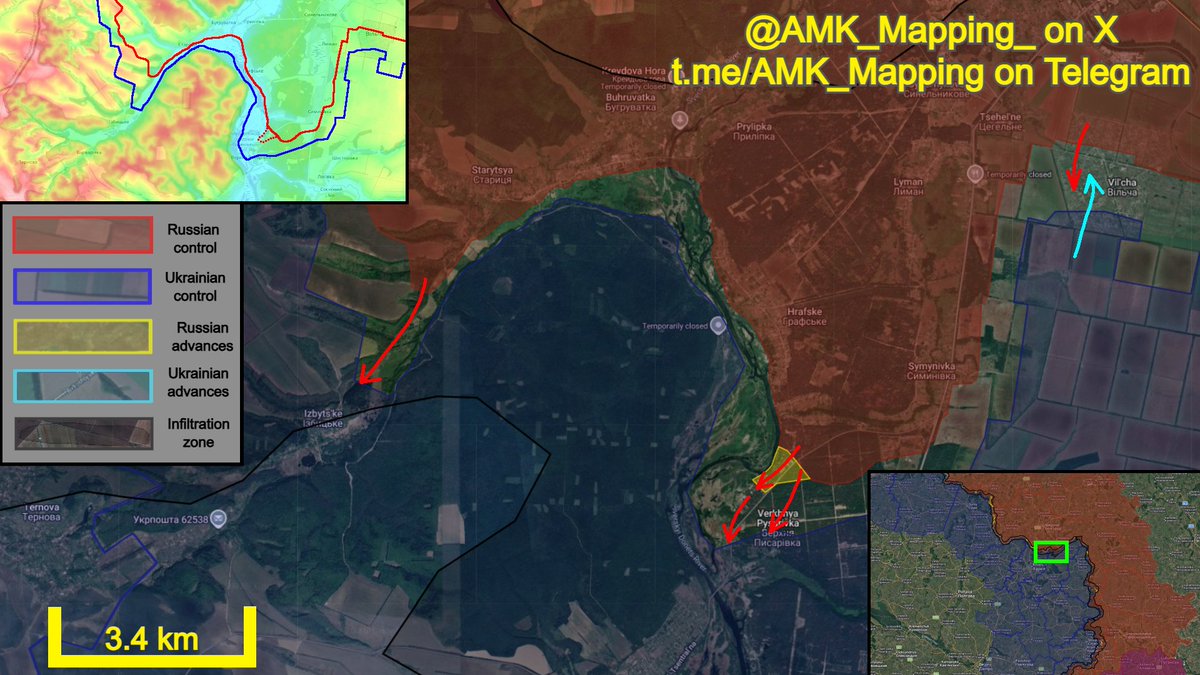
Simultaneously, Russian forces continued their eastward push in Kharkiv Oblast. At 04:58 UTC, troops advanced east of the Siverskyi Donets River near the villages of Ternova and Bilyi Kolodyaz, as documented by monitor_the_situation. The movement represents a tactical effort to secure river crossings and expand the front line toward the Ukrainian defensive belt.
"Russian Forces Advance East of Siverskyi Donets River Near Ternova, Ukraine" – monitor_the_situation, 04:58 UTC, https://t.me/monitor_the_situation/10314
Later, at 04:41 UTC, Russian units captured positions in the towns of Derhachi and Lyptsi, consolidating control over key road junctions that link Kharkiv city with the eastern border. The Russian Armed Forces, operating without reported heavy weaponry in these engagements, relied on infantry and mechanized infantry elements to seize the objectives.
Ukrainian forces have not disclosed casualty numbers for these specific actions, but the rapid succession of territorial gains suggests a weakening of Ukrainian defensive depth in the sector. The captured positions enable Russian artillery units to target supply routes north of Kharkiv, potentially complicating Kyiv’s logistical support for frontline units.
Russian Gains West of Yunakivka, Sumy Oblast
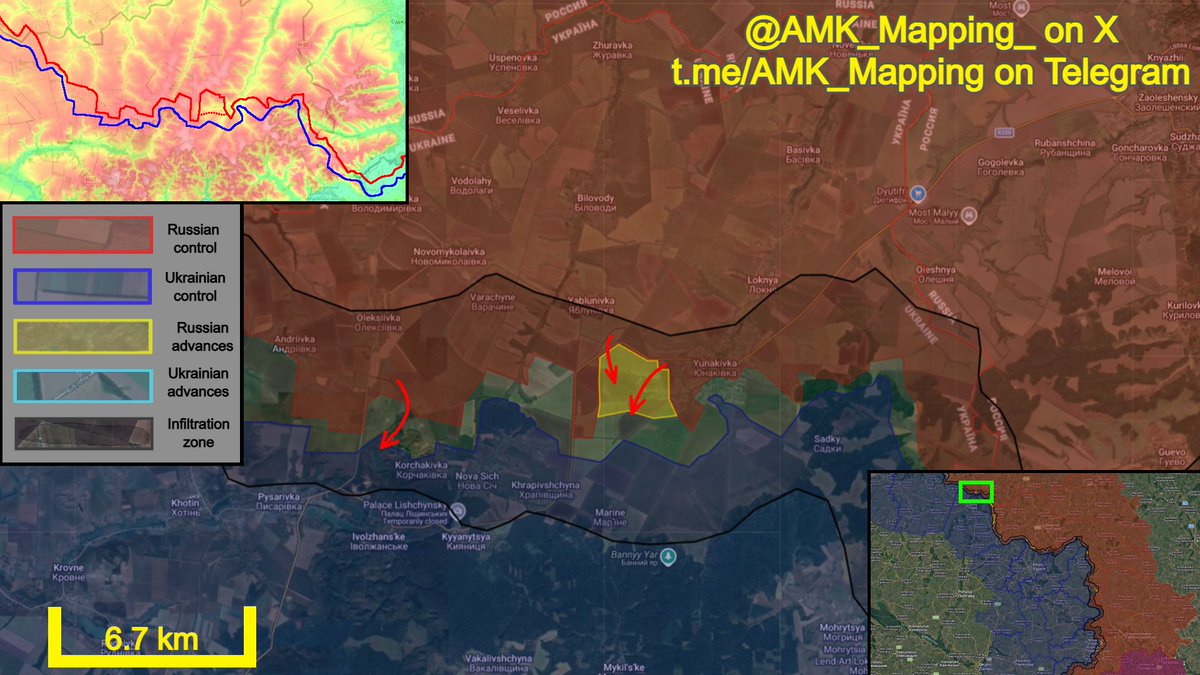
In Sumy Oblast, Russian troops advanced west of the village of Yunakivka at 03:40 UTC, recapturing terrain lost during recent Ukrainian counter‑attacks. The operation, also reported by monitor_the_situation, involved coordinated assaults by Russian and Ukrainian Armed Forces, with the latter attempting to hold a “grey‑zone” corridor along the regional highway.
"Russian Forces Advance West of Yunakivka, Ukraine" – monitor_the_situation, 03:40 UTC, https://t.me/monitor_the_situation/10306
The advance restored a contiguous Russian‑held line stretching from the border to the highway, limiting Ukrainian maneuverability in the area. No specific weapons systems were cited, indicating that the engagement was primarily infantry‑driven, though artillery support was likely employed to suppress Ukrainian positions.
While casualty figures remain unreported, the pattern of Russian reclamation of previously contested ground points to a broader operational tempo aimed at consolidating control over Sumy’s western approaches.
Additional Aerial Activity: Kh‑59/69 Cruise Missile Over Dnipropetrovsk
At 03:31 UTC, a Russian Kh‑59/69 cruise missile traversed the airspace of Dnipropetrovsk Oblast en route to the town of Synelnykove. The missile’s flight path, noted by monitor_the_situation, highlights continued Russian aerial pressure across multiple fronts, though no impact was recorded in the region.
"Russian Kh‑59/69 Cruise Missile Flies Over Dnipropetrovsk Oblast, Ukraine" – monitor_the_situation, 03:31 UTC, https://t.me/monitor_the_situation/10305
There were no reported injuries or infrastructure damage from this overflight, but the incident serves as a reminder of the persistent threat posed by long‑range precision weapons in the conflict.
Implications and Outlook
The convergence of a nuclear safety emergency with sustained Russian ground advances underscores the multi‑dimensional pressure facing Ukraine. The Zaporizhzhia plant’s power loss, while contained, raises concerns about the resilience of critical infrastructure under combat conditions. Concurrently, Russian gains in Kharkiv and Sumy erode Ukrainian defensive lines, potentially setting the stage for further offensives toward major population centers.
International monitoring bodies, including the IAEA, are likely to increase scrutiny of the plant’s operational status, while diplomatic channels may intensify calls for a protective corridor around nuclear facilities. On the battlefield, Ukrainian commanders will need to allocate reserves to stem Russian momentum in the north‑east, balancing the need to protect civilian populations with the imperative to safeguard energy assets.