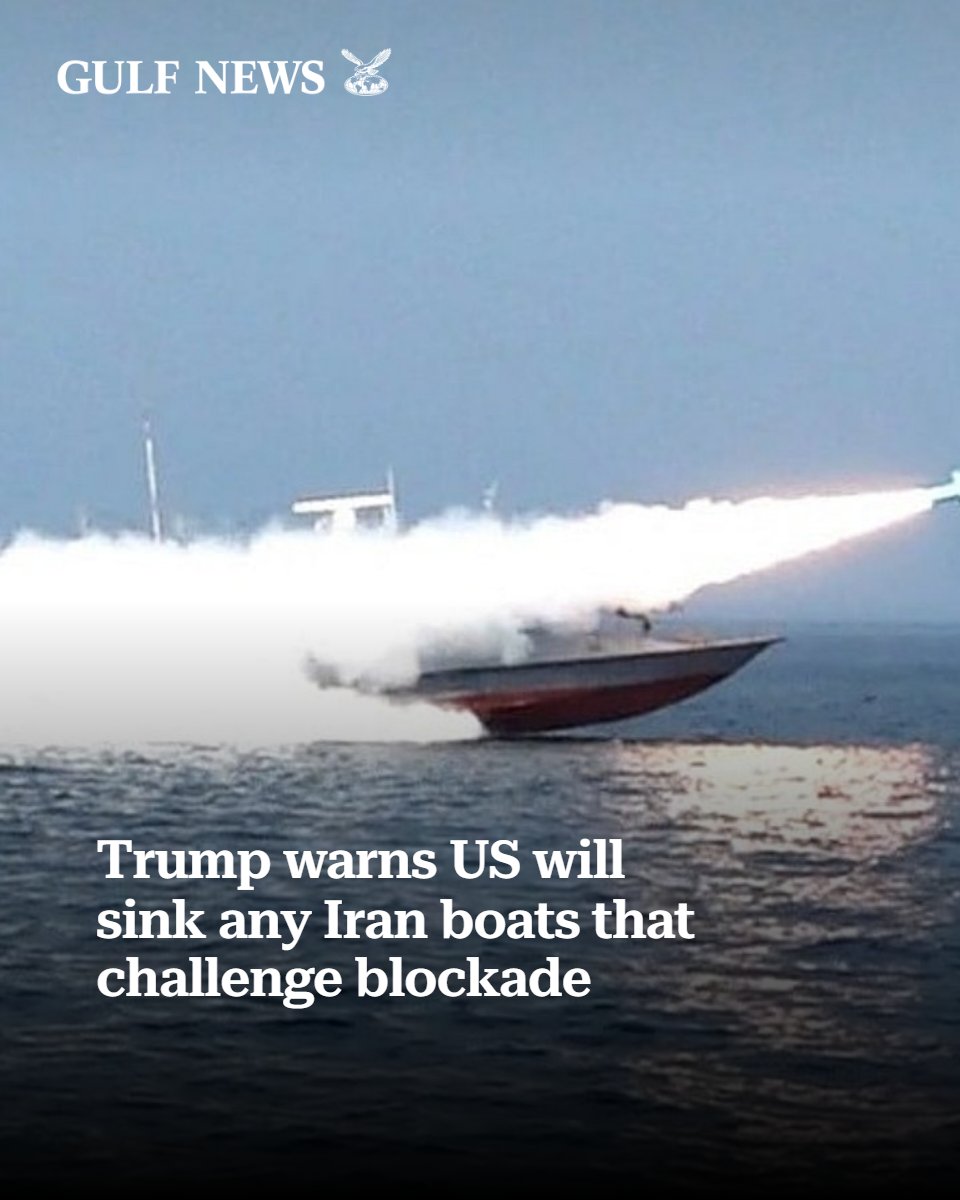
In a dramatic escalation of US‑Iran tensions, President Donald Trump announced at 03:50 UTC on 14 April 2026 that any Iranian vessel attempting to breach the United States’ newly declared naval blockade of Iranian Gulf ports will be sunk. The statement, posted on the Telegram channel monitor_the_situation and reproduced in the platform’s feed, marks the most direct threat of kinetic action since the United States imposed the blockade earlier this month.
"We will not hesitate to sink any Iranian ship that dares to cross our lines," President Trump said, adding that the United States will enforce the blockade "with decisive force." – monitor_the_situation
Blockade Threatens Grain and Oilseed Imports
The United States Navy has been enforcing a maritime exclusion zone around Iranian ports, intercepting commercial traffic and threatening to halt the arrival of approximately 983,000 tons of grain and oilseed shipments destined for Iran. According to the same Telegram source, the blockade could exacerbate existing food shortages across the Persian Gulf region, where Iran already faces reduced agricultural output due to sanctions and climate stress. The blockade is described as a “naval barrier” intended to pressure Tehran over its nuclear program and alleged support for regional militias. No weapons have been deployed in the enforcement actions to date, but the threat of escalation remains high.
Full HIMARS Stockpile Fired at Iran
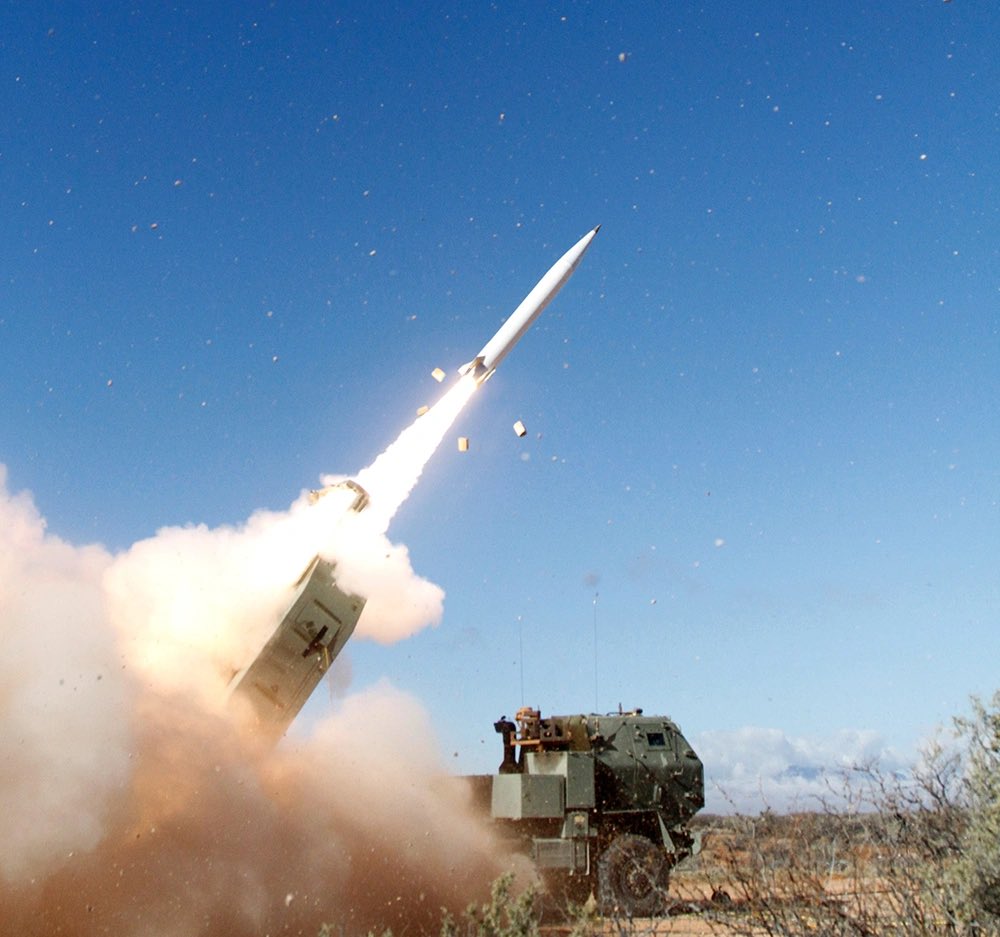
At 02:12 UTC, the 1st Battalion, 121st Field Artillery Regiment of the Wisconsin National Guard, operating under the U.S. Army and the Pentagon, launched its entire High‑Mobility Artillery Rocket System (HIMARS) inventory against targets in Iran. The operation, reported by monitor_the_situation, represents the first use of the complete HIMARS stockpile in a single engagement and signals a significant escalation beyond naval posturing.
"The Wisconsin National Guard has expended the Pentagon's full HIMARS stockpile in the opening strikes of what is now being termed the Iran War," the channel noted. – monitor_the_situationNo casualty figures were released for the strike, and the specific targets remain undisclosed.
US Military Strike in the Eastern Pacific Raises Death Toll
At 02:47 UTC, United States forces conducted a strike on an unidentified vessel in the eastern Pacific Ocean, killing two men. The incident, covered by Al Jazeera, brings the cumulative death toll from U.S. strikes on vessels in the Pacific and Caribbean to at least 170 since September 2025.
"US military kills two men in new strike on vessel in eastern Pacific," Al Jazeera reported. – AlJazeeraThe strike was not linked to any specific weapon system in the source material, and the vessel’s nationality was not identified.
Diplomatic Channel Reopened in Tehran
Despite the heightened military posture, a diplomatic breakthrough occurred at 01:40 UTC when Iran and the United States agreed to resume negotiations in Tehran. The announcement, also from monitor_the_situation, cited a mediating third‑party country that facilitated the agreement. The talks are expected to address the naval blockade of the Strait of Hormuz, the ongoing grain embargo, and Iran’s nuclear enrichment activities.
"Iran and US Agree to New Round of Talks in Tehran," the channel posted, noting the willingness of both sides to engage despite recent escalations. – monitor_the_situation
Strait of Hormuz Transits Test Blockade Enforcement
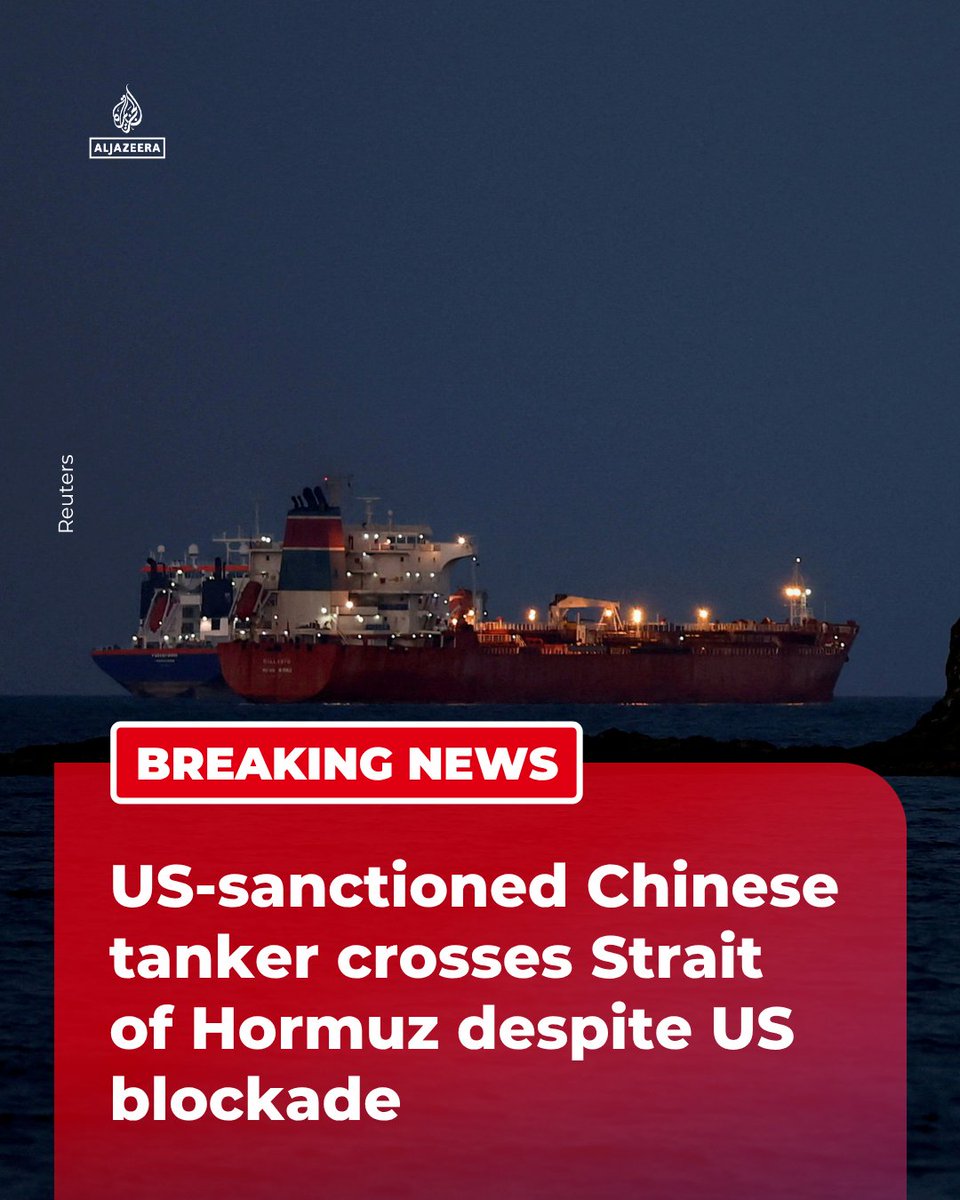
In the hours following the diplomatic announcement, several vessels successfully navigated the contested waters of the Strait of Hormuz. At 05:22 UTC, US‑sanctioned oil tankers transited the strait despite Iran’s parallel naval blockade, underscoring the complex interplay of sanctions, maritime law, and regional security.
"US‑sanctioned oil tankers successfully transit the Strait of Hormuz amid Iran's naval blockade," the source reported. – monitor_the_situationLater, at 03:28 UTC, the Chinese‑owned tanker Rich Starry passed through the US‑declared blockade, highlighting enforcement challenges. LSEG shipping data confirmed the transit, and a photo accompanying the report showed the vessel under US naval observation.
"Chinese Tanker Transits Strait of Hormuz Despite US Blockade," the channel noted. – monitor_the_situation
Assessment
The sequence of events on 14 April 2026 illustrates a volatile mix of hard power and diplomatic outreach. President Trump’s explicit threat to sink Iranian vessels raises the risk of direct naval confrontation, while the deployment of the full HIMARS inventory indicates a willingness to employ precision rocket fire at strategic targets. Simultaneously, the United States continues to conduct strikes in distant theaters, contributing to a cumulative death toll that underscores the broader scope of the conflict. The reopening of diplomatic talks in Tehran provides a potential de‑escalation pathway, but the success of negotiations will depend on the ability of both parties to reconcile the blockade’s economic impact with security concerns. Ongoing transits of sanctioned tankers through the Strait of Hormuz demonstrate that commercial navigation can persist amid competing blockades, yet each successful passage carries the risk of miscalculation.
Monitoring agencies will continue to track developments across the Persian Gulf, the eastern Pacific, and related diplomatic channels to assess whether the current trajectory leads toward broader conflict or a negotiated settlement.