On 14 April 2026, Ukrainian troops of the 71st Separate Airmobile Brigade reported the most lethal single engagement of the day, eliminating 29 Russian soldiers attempting to infiltrate the Sumy Oblast via a gas‑pipeline corridor. The encounter, confirmed by the Telegram channel monitor_the_situation, underscores a marked escalation in cross‑border raids and highlights the effectiveness of Ukrainian reconnaissance, drones, and artillery in counter‑infiltration operations.
🟠 **29 Russian Soldiers Killed in Infiltration Near Gas Pipeline, Sumy Oblast, Ukraine** – Source: https://t.me/monitor_the_situation/10386
Infiltration Dynamics in Sumy and Kharkiv
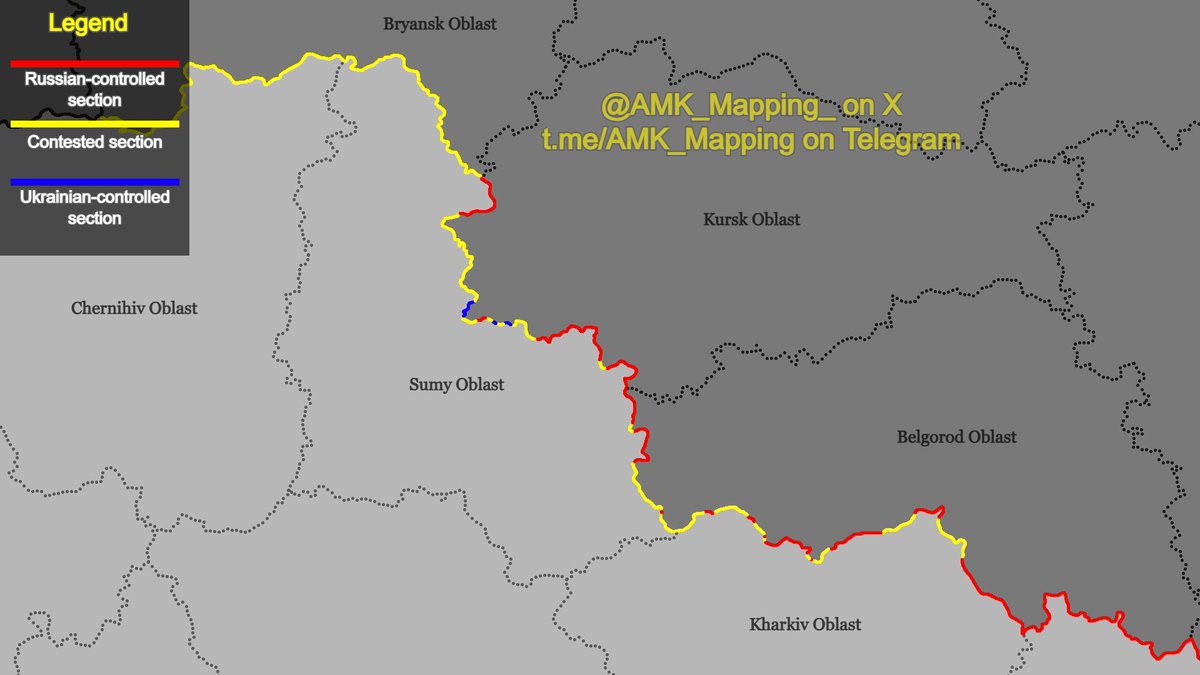
The Russian incursion, reported at 11:24 UTC, involved a small infantry element moving through a low‑visibility corridor along a gas pipeline. Ukrainian forces detected the movement using aerial drones and responded with coordinated artillery fire, preventing a breach of the frontline. Casualties were limited to the Russian side; no Ukrainian losses were reported. The incident follows a broader pattern of Russian cross‑border raids documented earlier in the day, including a separate report at 07:15 UTC that Russian forces were expanding controlled border zones in Sumy and Kharkiv.
Ballistic Missile Strike on Dnipro
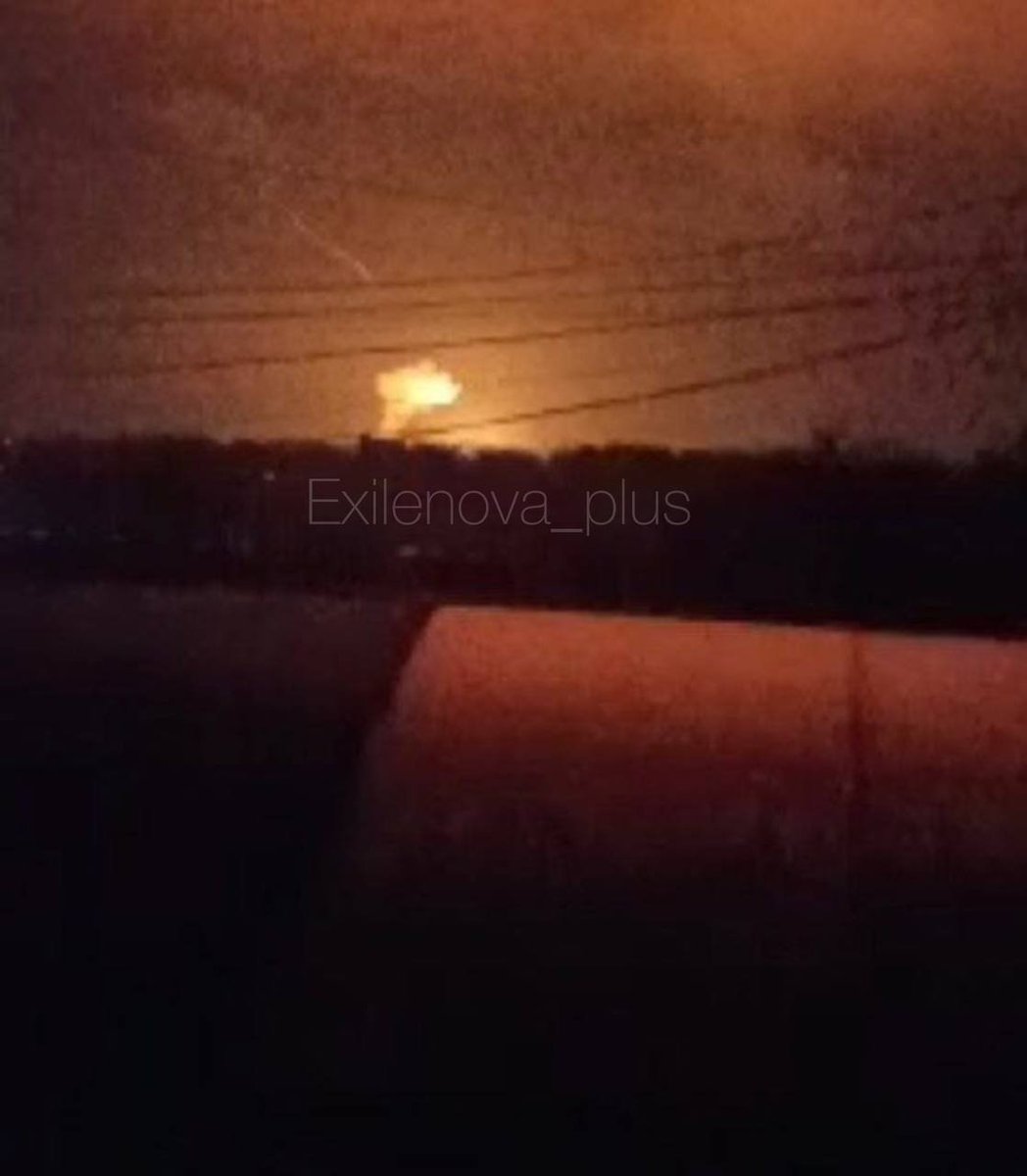
At 08:37 UTC, a Russian Iskander‑M ballistic missile struck the industrial city of Dnipro. Radar systems detected the missile late, and the impact caused structural damage to civilian infrastructure. No casualty figures were released in the initial report, but the strike is classified as a S3 – Significant event by the monitoring channel. The attack aligns with a sustained Russian campaign targeting Ukrainian urban centers with long‑range precision weapons.
Source: https://t.me/monitor_the_situation/10360
Strategic Bomber Raid on Prykolotne
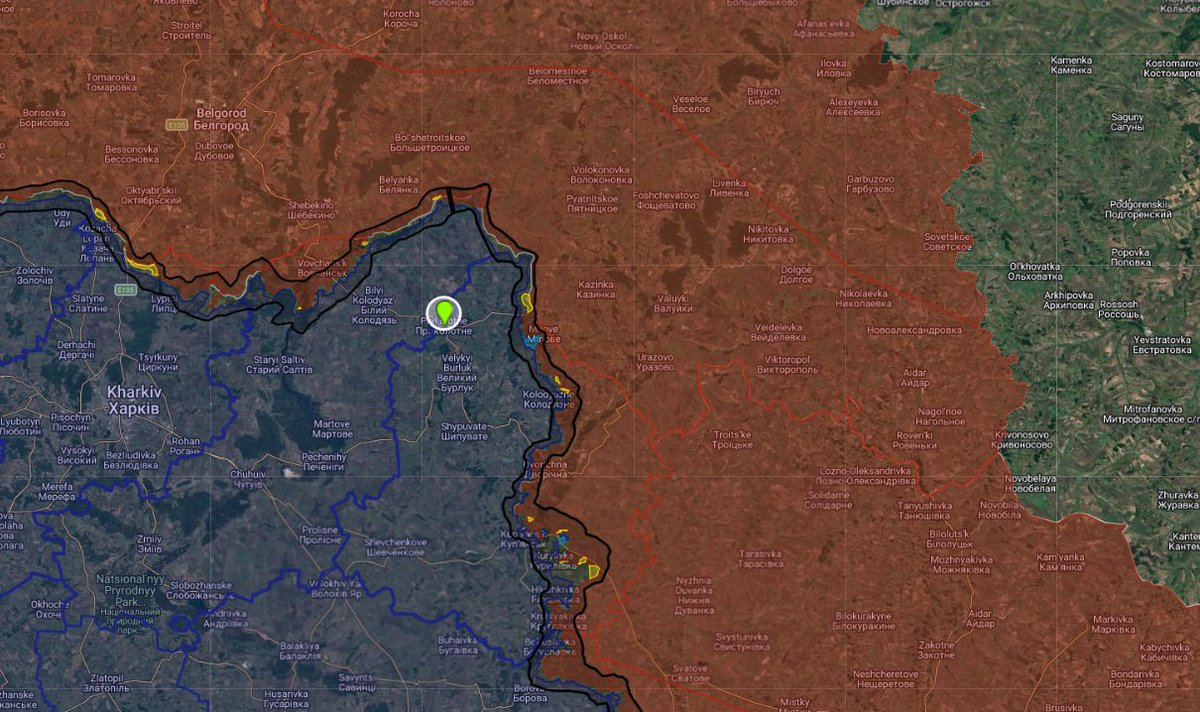
Four Russian Tu‑22M3 strategic bombers launched eight Kh‑22/32 cruise missiles at the village of Prykolotne in Kharkiv Oblast at 07:55 UTC. All missiles reportedly impacted their targets, causing extensive damage to local structures. The use of heavy strategic bombers and large‑calibre cruise missiles demonstrates Russia’s continued reliance on high‑payload air strikes to pressure frontline settlements.
Source: https://t.me/monitor_the_situation/10352
Ukrainian Counter‑Strike on Donetsk Airport UAS Depot
Ukrainian forces employed Western‑supplied SCALP cruise missiles and GBU‑39 small‑diameter bombs to strike a Russian unmanned‑aerial‑system (UAS) storage site near Donetsk Airport at 11:51 UTC. The precision strike aimed at degrading Russian drone capabilities in a strategically vital logistics hub. Video evidence released by the channel @RALee85 confirms the successful impact of both weapon types.
Source: https://t.me/monitor_the_situation/10391
Russian Air Campaign Across Five Oblasts
Between 11:18 UTC and the end of the day, Russian air forces conducted strikes across Kherson, Kharkiv, Zaporizhzhia, Dnipropetrovsk, and Odesa oblasts. Ukrainian air defenses intercepted 115 aerial targets, yet the raids resulted in two civilian deaths and eighteen injuries. The attacks focused on civilian infrastructure, including power facilities and transport nodes, reflecting a broader strategy of attrition.
Source: https://t.me/monitor_the_situation/10385
Ukrainian Drone Operations in Crimea and Kherson
Ukrainian FP‑2 and FPV drones played a prominent role on 14 April. At 15:13 UTC, two FP‑2 drones destroyed fuel tanks at the Feodosia oil depot in Russian‑occupied Crimea, temporarily disrupting regional fuel supplies. Earlier, at 08:58 UTC, FPV drones with a 60 km operational range struck Russian logistics on the Kherson frontline, demonstrating extended reach and precision. Additional FPV attacks targeted Russian radars, air‑defence systems, and aircraft across Crimea, as reported at 08:52 UTC.
Sources: https://t.me/monitor_the_situation/10434, https://t.me/monitor_the_situation/10364, https://t.me/monitor_the_situation/10363
Ground Movements and Territorial Shifts
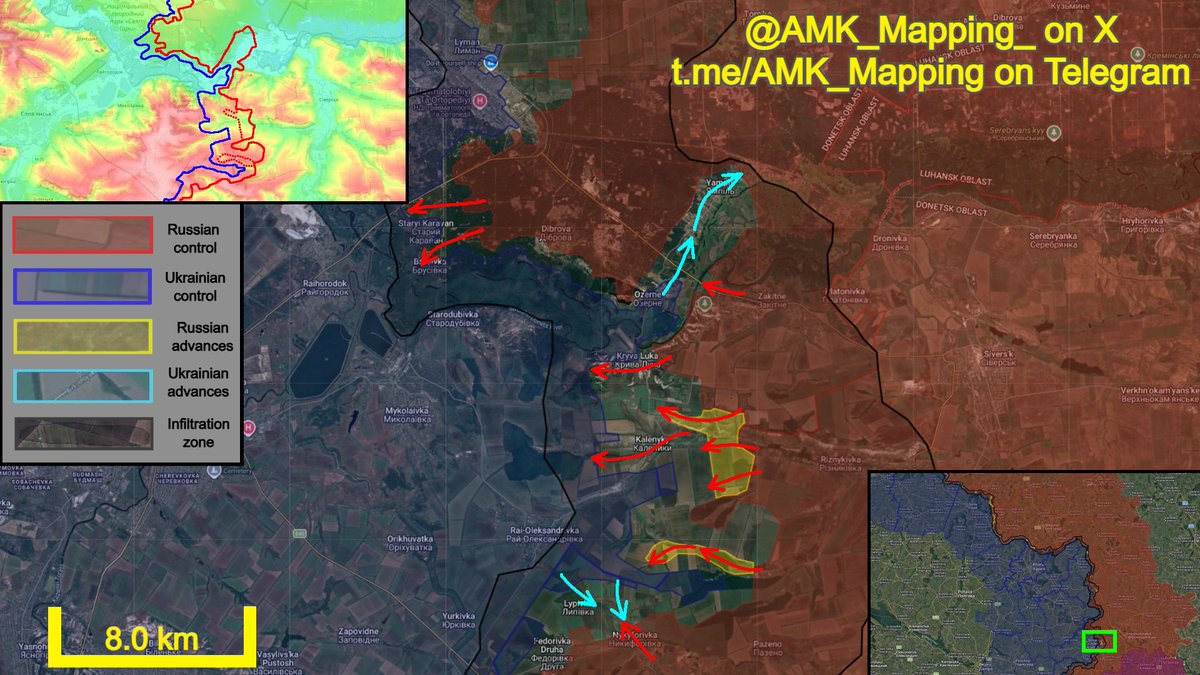
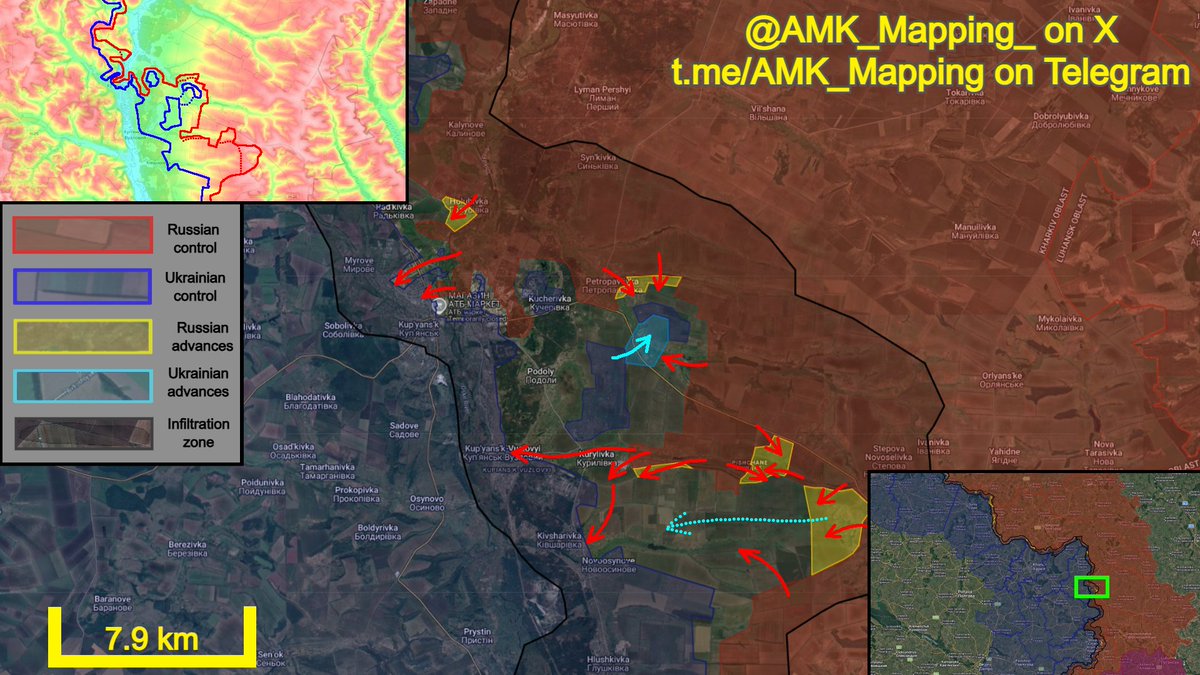
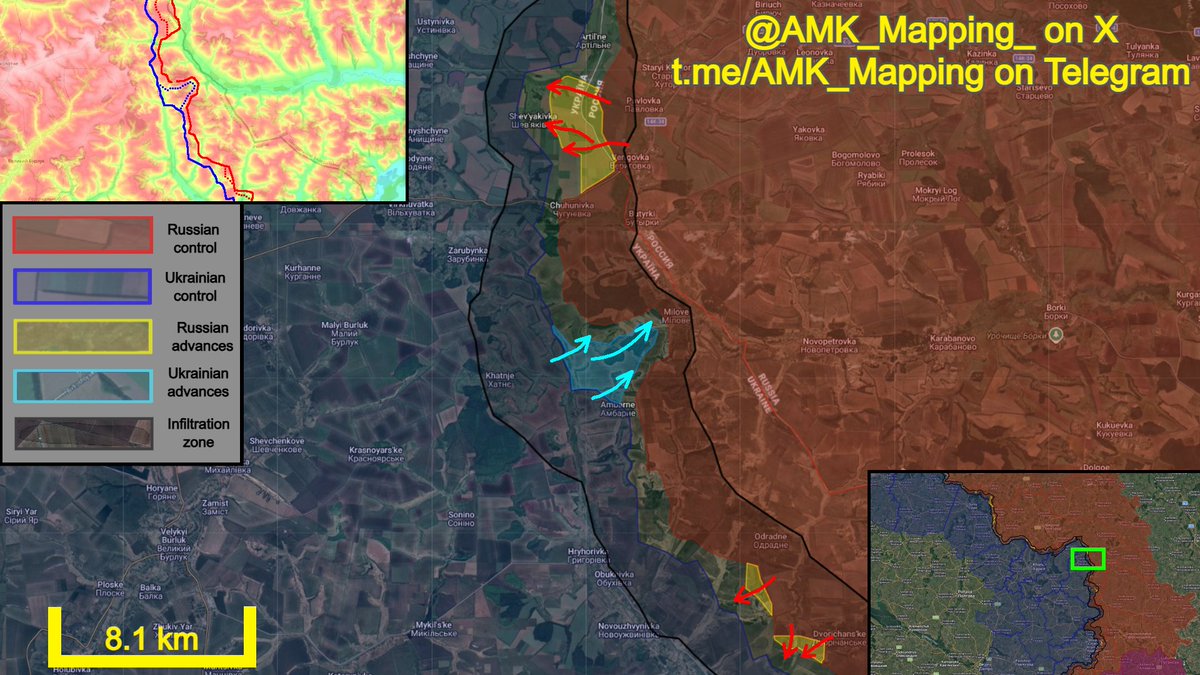
Russian forces reported breakthroughs in the Lyman and Rai‑Oleksandrivka sectors of Donetsk Oblast at 08:26 UTC, advancing northwest of Pazero. Simultaneously, both Russian and Ukrainian units claimed gains near Kupyansk in Kharkiv Oblast (08:05 UTC) and in the Velykyi Burluk direction (06:17 UTC). These movements indicate a fluid front line with localized offensives on both sides, though casualty figures remain unverified.
Sources: https://t.me/monitor_the_situation/10356, https://t.me/monitor_the_situation/10353, https://t.me/monitor_the_situation/10323
Ukrainian Drone‑Only Assault on Kharkiv Position
At 07:23 UTC, Ukrainian forces announced the capture of a Russian-held position in Kharkiv Oblast using only unmanned systems. President Zelenskyy highlighted the operation as a historic example of modern warfare, emphasizing the tactical shift toward drone‑centric assaults.
Source: https://t.me/monitor_the_situation/10346
Additional Notable UAV Activity
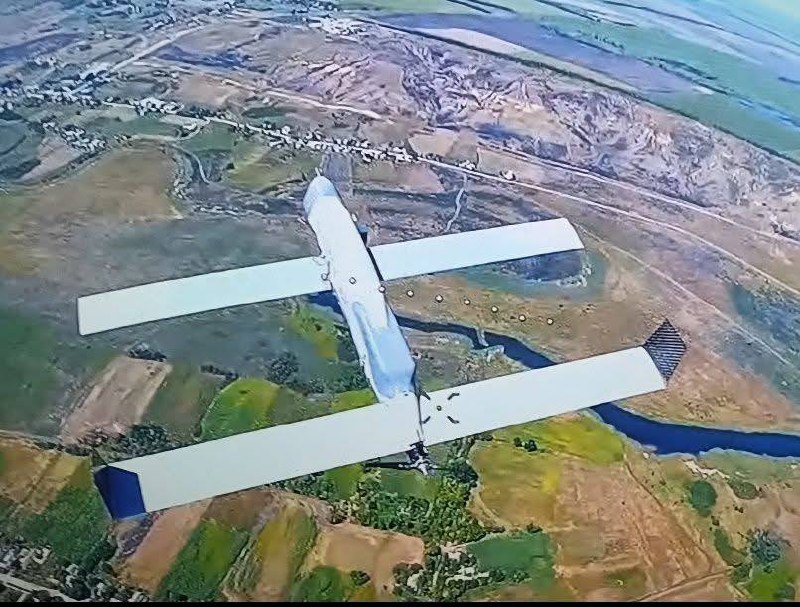
Russian V2U drones were detected over Kharkiv City at 07:42 UTC, with one confirmed impact. Ukrainian authorities also reported a Ukrainian drone strike on a power substation in Russian‑occupied Melitopol at 06:35 UTC, causing a fire and partial blackouts. Overnight, Ukrainian drones produced explosions near Simferopol, Feodosia, and the Kerch Bridge, though specific targets were not disclosed.
Sources: https://t.me/monitor_the_situation/10350, https://t.me/monitor_the_situation/10334, https://t.me/monitor_the_situation/10335
Collectively, the events of 14 April illustrate a day of intensified kinetic activity across multiple domains—ground, air, and unmanned systems. Ukrainian forces demonstrated effective defensive capabilities against infiltration and leveraged advanced Western weaponry to strike high‑value Russian assets. Conversely, Russian operations continued to rely on heavy missile and bomber strikes, while also expanding cross‑border incursions. The interplay of these actions suggests a sustained escalation in both conventional and hybrid warfare tactics as the conflict progresses.