An Israeli unmanned aerial vehicle (UAV) strike near the city of Nabatieh in southern Lebanon at 05:48 GMT killed two civilians, marking the most lethal incident reported on 14 April 2026 in the ongoing Israel‑Lebanon confrontation. The attack, documented by the monitoring channel monitor_the_situation, was accompanied by video evidence that shows the impact site and the aftermath of the strike. The incident follows a series of high‑intensity air operations targeting villages and infrastructure across the Lebanese south, underscoring a rapid escalation in cross‑border hostilities.
"Israeli Drone Strike Kills Two Near Nabatieh, Lebanon" – monitor_the_situation, 05:48 GMT
Airstrikes Across Southern Lebanon
Within the same hour, Israeli forces conducted an airstrike on the village of Bafliyeh at 05:05 GMT, also reported by monitor_the_situation. While the precise casualty figures from Bafliyeh have not been disclosed, the strike contributed to a growing tally of civilian and combatant losses in the region. Earlier, at 00:38 GMT, Israeli jets bombed the villages of Mashghara and Sahmar in the Bekaa Valley, extending the conflict beyond the southern front and demonstrating a broader operational reach.
Damage to Civilian Infrastructure
At 04:00 GMT, Israeli airstrikes damaged Tebnine Hospital in the town of Tebnine, a critical medical facility serving a densely populated area of southern Lebanon. The strike, captured on video and reported by monitor_the_situation, caused structural damage and raised immediate concerns about the safety of patients and staff, as well as the continuity of medical services in a conflict zone. International humanitarian law obliges parties to distinguish between military targets and civilian objects; the targeting of a hospital intensifies scrutiny of compliance with these norms.
Escalation of Aerial Threats in Israel
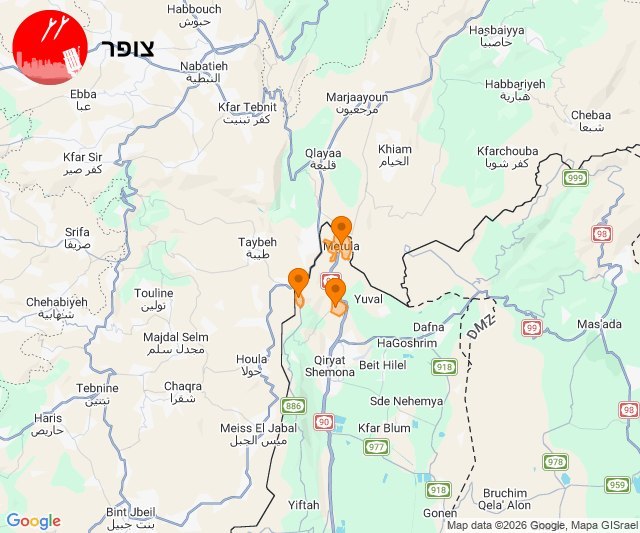
Simultaneously, northern Israel experienced a series of hostile UAV intrusions. At 04:50 GMT, the intelligence outlet rnintel reported a hostile drone detected over northern Israeli territory, while a separate alert from RocketAlert at 04:48 GMT identified a UAV near the Metulla area. Although no damage or casualties were reported, the alerts prompted the activation of air‑raid sirens across the Upper Galilee region at 05:55 GMT, as documented by monitor_the_situation. These incidents illustrate a widening aerial dimension to the conflict, with both sides employing unmanned systems for reconnaissance and strike purposes.
Military Casualties and Operational Strain
Israeli Defense Forces (IDF) casualties continued to mount. According to a report from rnintel at 04:45 GMT, 565 IDF soldiers have been wounded since the ground offensive began in early March, including 154 wounded since the previous Thursday. Additionally, an IDF soldier was killed and three others wounded in a clash with Hezbollah forces in southern Lebanon, as reported at 03:00 GMT by the same source. On the Lebanese side, a separate incident at 03:09 GMT involved the death of an Israeli reservist named Ayal in a vehicle accident in southern Lebanon; three other reservists were injured, according to idkunim_il. While the vehicle accident is not directly attributable to combat, it reflects the hazardous operational environment for both combatants and support personnel.
Implications for the Conflict Trajectory
The concentration of high‑impact strikes—drone, air, and artillery—within a narrow time window suggests a coordinated escalation strategy by Israeli forces aimed at degrading Hezbollah’s operational capacity while exerting pressure on Lebanese civilian morale. The targeting of civilian infrastructure, notably the Tebnine Hospital, may provoke reciprocal attacks or increase Hezbollah’s propaganda leverage. Conversely, the series of hostile UAV alerts over northern Israel indicates that Lebanese or proxy actors retain the capability to project force across the border, potentially prompting further Israeli air defenses and pre‑emptive strikes.
Overall, the events of 14 April 2026 illustrate a multi‑layered escalation: kinetic strikes on ground targets, aerial incursions, and a rising toll of both military and civilian casualties. The pattern underscores the fragility of the cease‑fire mechanisms that have intermittently held since the 2023 flare‑up and raises the risk of broader regional involvement if civilian harm continues to rise.