On April 14, 2026, Israeli forces conducted a ground attack on the village of Shabriha in southern Lebanon, resulting in one civilian death and three injuries. The incident, reported by the Telegram channel monitor_the_situation at 06:45 UTC, marks the most lethal kinetic event recorded for the day and underscores the escalating cross‑border hostilities between Israel and Hezbollah‑aligned forces.
Israeli Attack Kills One in Shabriha, Lebanon. Israeli forces conduct attack in Shabriha village in southern Lebanon, killing one person and wounding three amid ongoing cross‑border hostilities. (Source: https://t.me/monitor_the_situation/10338)
Broader Cross‑Border Violence in Lebanon
Earlier in the morning, Israeli forces also struck the West Bekaa region, killing three individuals in a separate engagement that involved Hezbollah combatants, according to the same source. The West Bekaa attack, logged at 07:51 UTC, illustrates a pattern of coordinated Israeli operations targeting Hezbollah positions and civilian infrastructure across southern Lebanon.
Israeli Attack Kills Three in West Bekaa Region, Lebanon. Israeli forces conduct attack in Lebanon's West Bekaa region killing three people amid ongoing cross‑border escalation with Hezbollah. (Source: https://t.me/monitor_the_situation/10351)
Hezbollah responded later in the day with a series of rocket launches aimed at northern Israel. At 15:21 UTC, the group fired rockets toward the Israeli border while diplomatic talks between Lebanon and Israel were underway in Washington, a development reported by the rnintel channel.
Hezbollah launches rockets to northern Israel, simultaneously with Lebanon‑Israel negotiations in Washington. (Source: https://t.me/rnintel/59222)
Rocket Alerts Across Israel
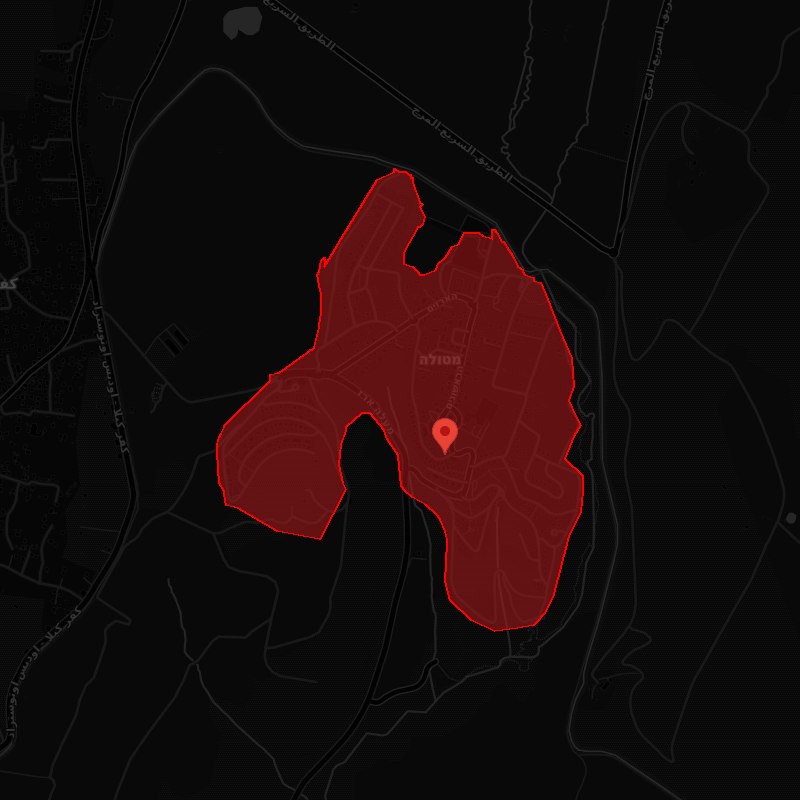
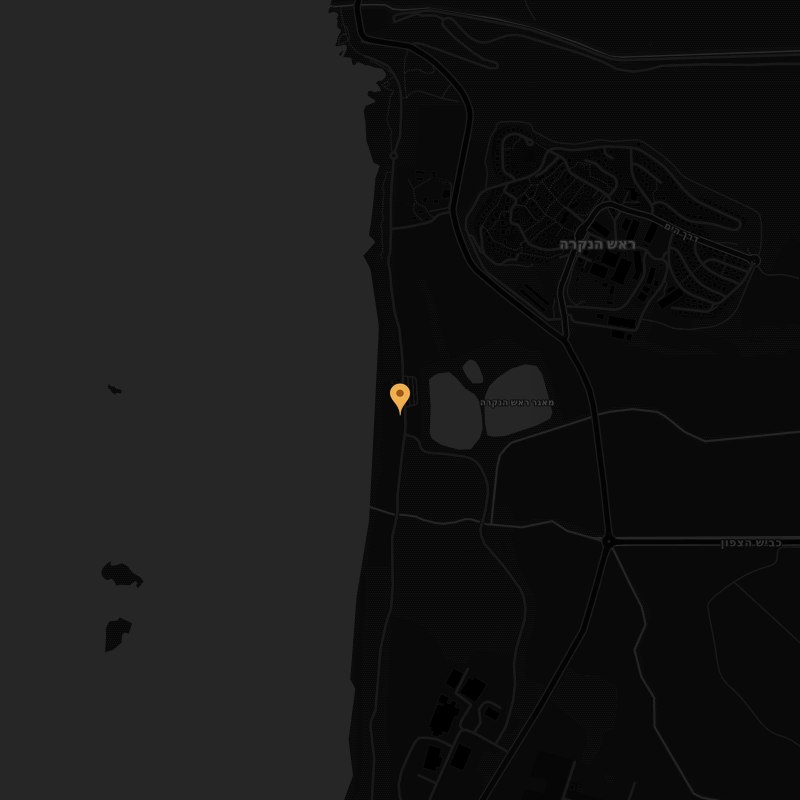
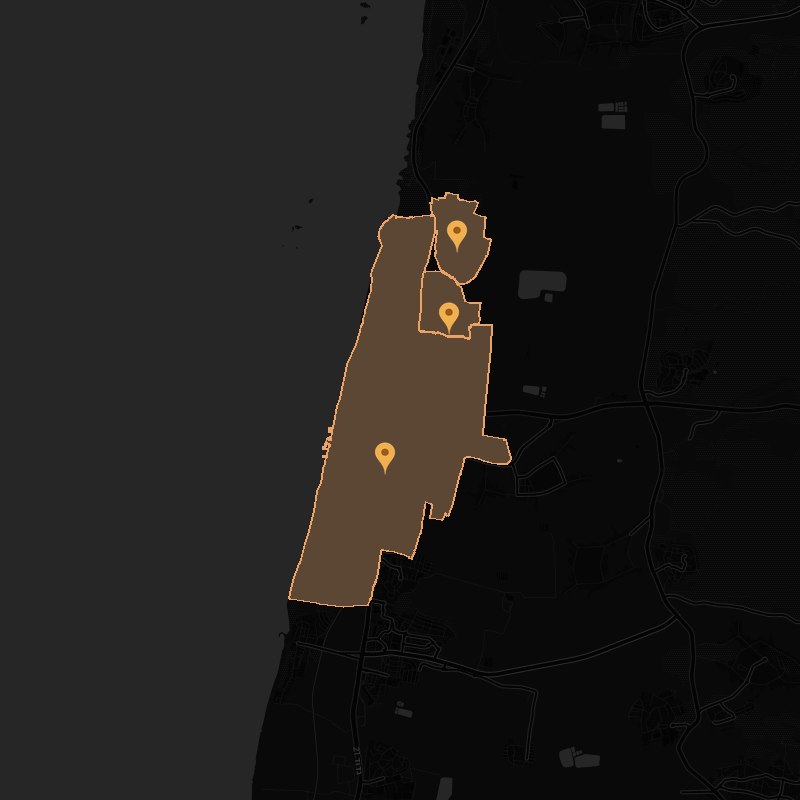
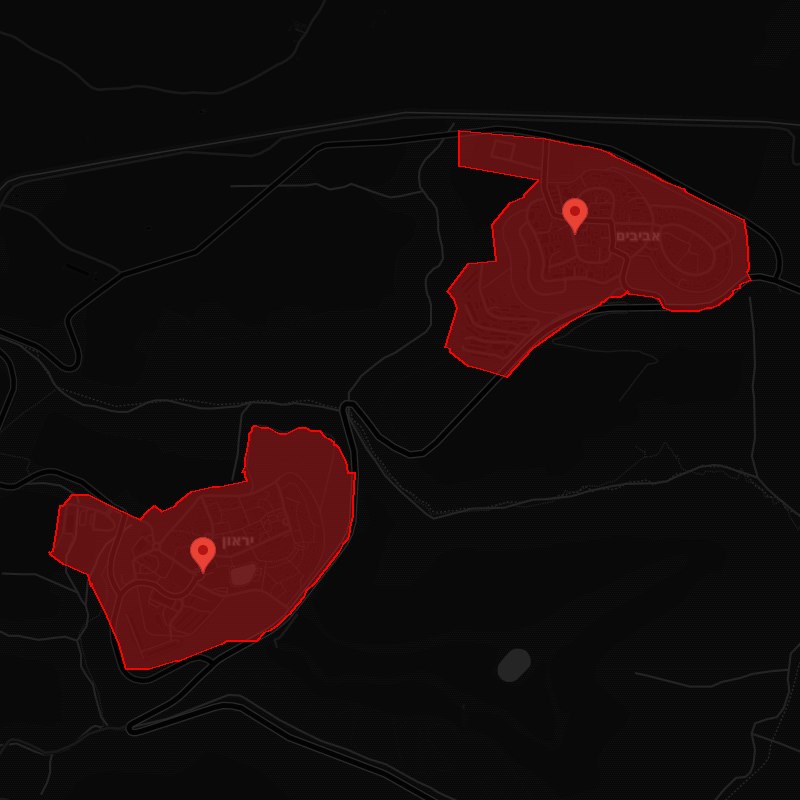
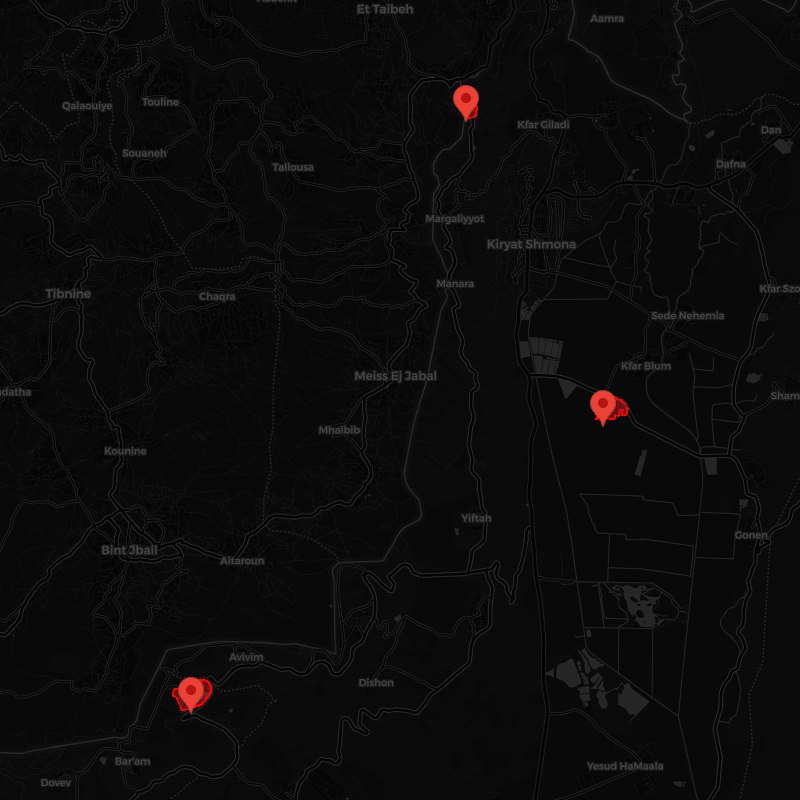
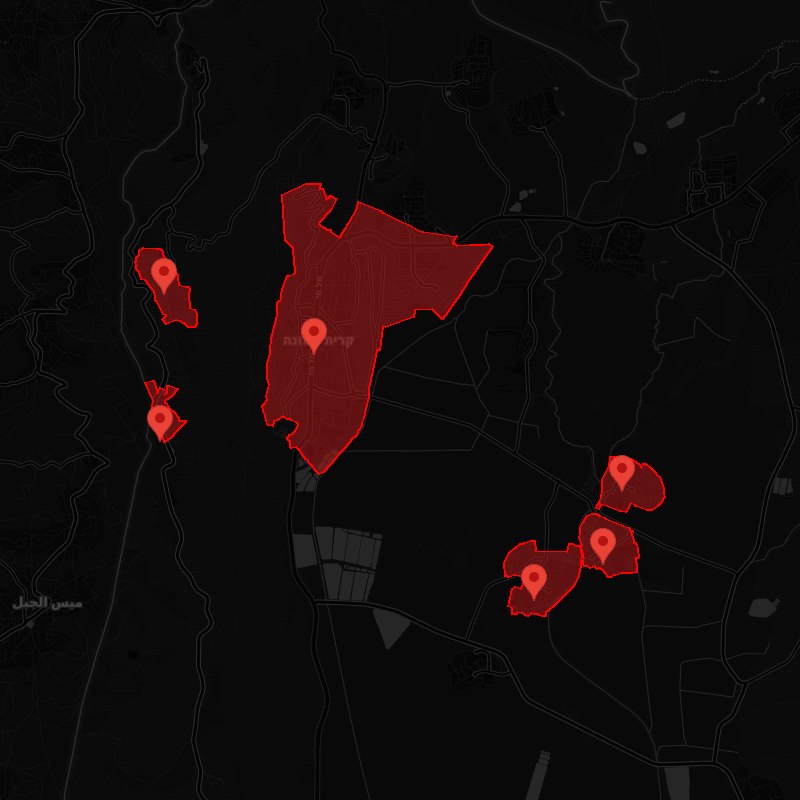
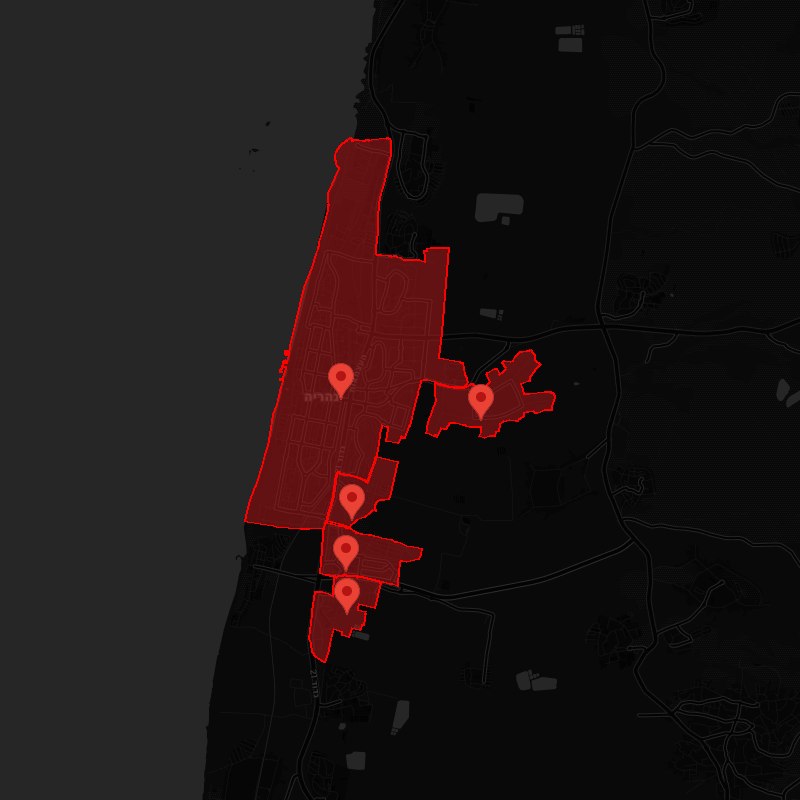
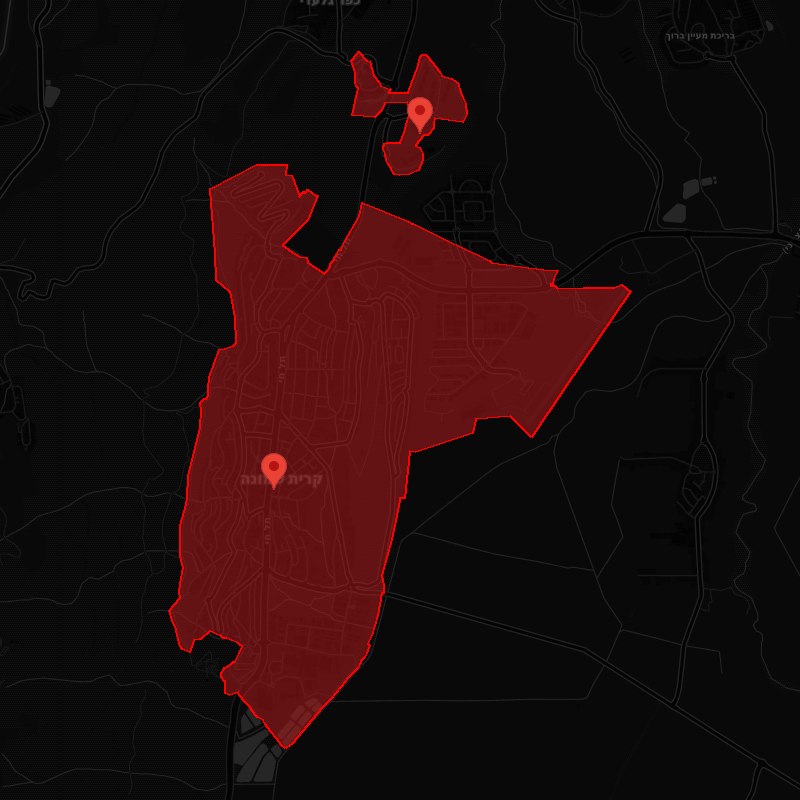
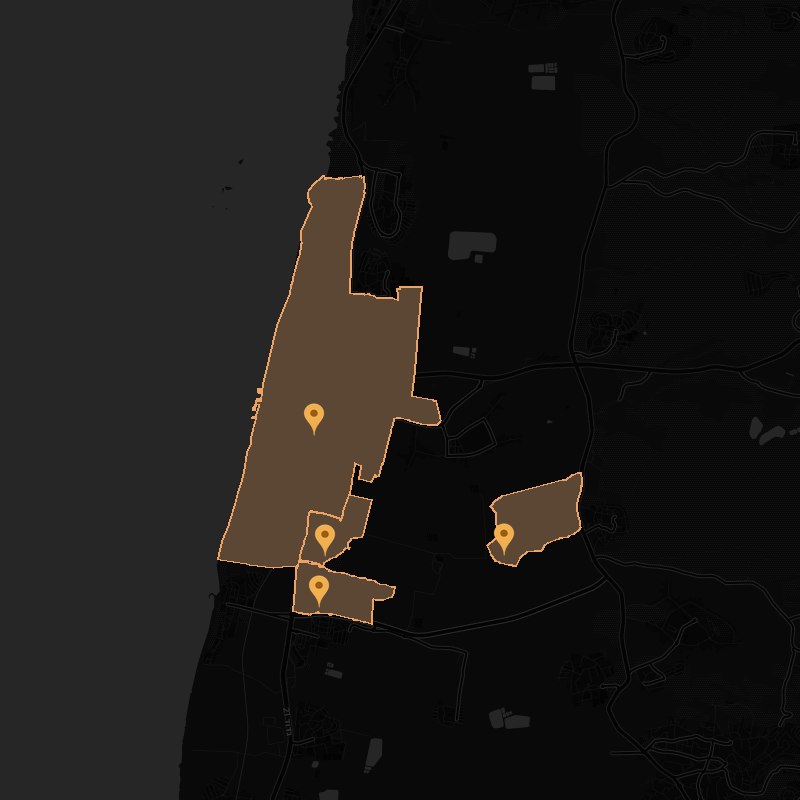
Throughout the afternoon, a cascade of rocket alerts was recorded by the civilian monitoring service RocketAlert.live. The alerts covered a wide geographic swath, including the Metulla area, Yir'on, Avivim, Ben Ami, Nahariya, Kiryat Shmona, and the Golan Heights. While most alerts did not confirm impact, they reflect a heightened state of alertness among Israeli civil defense authorities.
Key timestamps include:
- 14:25 UTC – rockets reported near Sa'ar and Nahariya.
- 14:30 UTC – rockets over Ben Ami and the Nahariya Cemetery.
- 15:00 UTC – rockets over Kiryat Shmona and Tel Hai.
- 15:40 UTC – rockets over Yir'on and Avivim.
- 17:58 UTC – rockets over Metulla.
All alerts originated from the RocketAlert channel, which aggregates data from Israeli early‑warning radars and civilian reports.
Hezbollah Aerial and UAV Activity
In addition to rockets, Hezbollah employed loitering munitions and unmanned aerial systems (UAS). At 07:35 UTC, the group launched rockets from southern Lebanon toward the Israeli‑occupied Golan Heights, a move documented by monitor_the_situation. Later, at 09:25 UTC, a hostile UAV was detected over the northern Golan near Neveh Ativ, and at 14:24 UTC a Sayyad‑2 loitering munition strike on Yiftah Barracks in northern Israel was publicised by the intelslava channel.
Hezbollah has released footage showing the targeting of the Yiftah Barracks in northern Israel using Sayyad‑2 loitering munitions. (Source: https://t.me/intelslava/86542)
On 15:09 UTC, Hezbollah released video of an FPV drone striking an Israeli Humvee, further demonstrating the group’s expanding UAV capabilities.
Hezbollah has released footage showing an FPV drone directly impacting an Israeli Humvee. (Source: https://t.me/rnintel/59218)
Naval and Aerial Operations Beyond the Levant
Outside the immediate Israel‑Lebanon theater, Israeli air power targeted the vicinity of Iran’s Bushehr nuclear power plant at 06:20 UTC. The strike, reported by monitor_the_situation, prompted a diplomatic warning from the Russian Kremlin concerning the safety of Russian specialists stationed at the facility.
🟠 Israeli Airstrikes Hit Near Bushehr Nuclear Facility, Iran. Strikes near Iran's Bushehr nuclear power plant raise tensions with Russia, prompting Kremlin warnings over risks to Russian specialists and potential nuclear disaster. (Source: https://t.me/monitor_the_situation/10324)
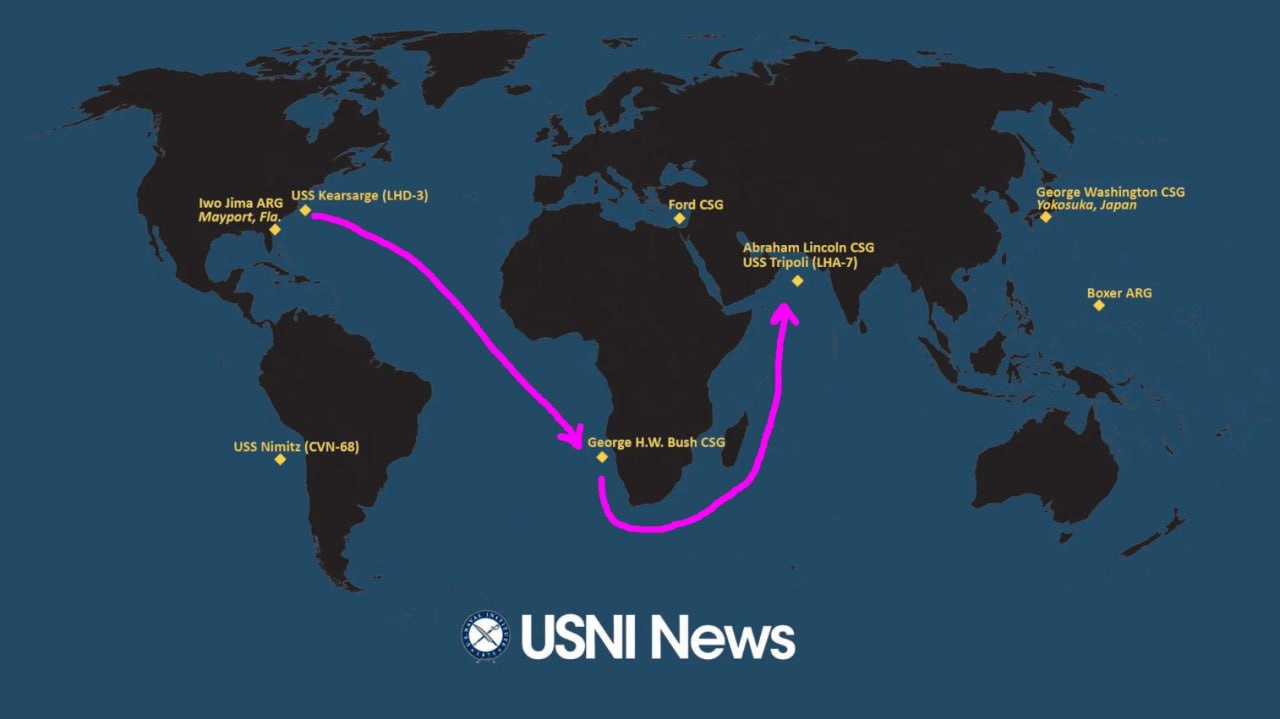
Simultaneously, the United States intensified its maritime posture in the Strait of Hormuz. Multiple entries recorded a U.S. naval blockade that halted vessel movements, intercepted six Iranian-linked ships, and forced the Chinese‑flagged tanker “Rich Starry” to turn back. These actions were chronicled by several channels, including OSINTdefender, CIG_telegram, and monitor_the_situation.
Chinese tanker Rich Starry transited the Strait of Hormuz, breaking a U.S. naval blockade. (Source: https://t.me/OSINTdefender/18605)
French air power also entered the fray when a Rafale jet downed an Iranian Shahed/Geran drone over Iraq’s Erbil Governorate at 16:07 UTC, as reported by monitor_the_situation.
French Rafale Jet Downs Iranian Drone Over Erbil Governorate, Iraq. (Source: https://t.me/monitor_the_situation/10449)
Humanitarian Concerns
The International Red Cross issued a warning on 15:30 UTC about the extreme danger facing aid workers in Lebanon and Iran, citing the intensifying kinetic operations that jeopardize civilian relief efforts.
Red Cross Reports Extreme Danger for Aid Workers in Lebanon and Iran. (Source: https://t.me/monitor_the_situation/10439)
In Gaza, a nine‑year‑old Palestinian girl, Ritaj Rihan, was among civilians killed in Israeli strikes, a development highlighted by Al Jazeera.
Nine‑year‑old Ritaj Rihan among multiple Palestinians killed in ongoing Gaza strikes. (Source: https://www.aljazeera.com/news/2026/4/14/palestine-weekly-wrap-master-of-the-house-says-ben-gvir-as-al-aqsa-opens)
Summary of Kinetic Activity
The day’s events illustrate a multi‑theater escalation: direct ground attacks in southern Lebanon, a high volume of rocket and UAV alerts across northern Israel, strategic airstrikes near Iran’s nuclear infrastructure, and an intensified naval blockade in the Strait of Hormuz. The convergence of these kinetic actions raises the risk of broader regional conflict and complicates humanitarian access.