In the early hours of 13 April 2026, coordinated air operations by the United States and Israel struck Tehran, causing damage to seventy‑seven historic monuments. The attacks, reported by the Telegram channel monitor_the_situation, represent the most visible escalation of the joint pressure campaign against Iran since the 2025 regional tensions peaked.
Airstrike on Tehran’s Cultural Heritage
At 05:50 UTC, precision strikes targeted a cluster of heritage sites in the Iranian capital, including the Golestan Palace complex, the National Museum of Iran, and several Safavid‑era mosques. While no civilian casualties were reported, the destruction of irreplaceable architecture underscores a shift from purely strategic targets to symbolic ones. The channel’s video footage shows smoke rising from the rooftops of the affected structures, confirming the extent of the damage.
"US‑Israeli attacks damage 77 historical monuments in Tehran, Iran" – monitor_the_situation, 13 Apr 2026, https://t.me/monitor_the_situation/10063
Weapons used: Conventional air‑delivered munitions; no missile or nuclear weapons were employed. The operation was attributed jointly to the United States and Israel, reflecting a coordinated policy response to Tehran’s alleged support for regional militias and its nuclear program.
Naval Mine Clearance in the Strait of Hormuz
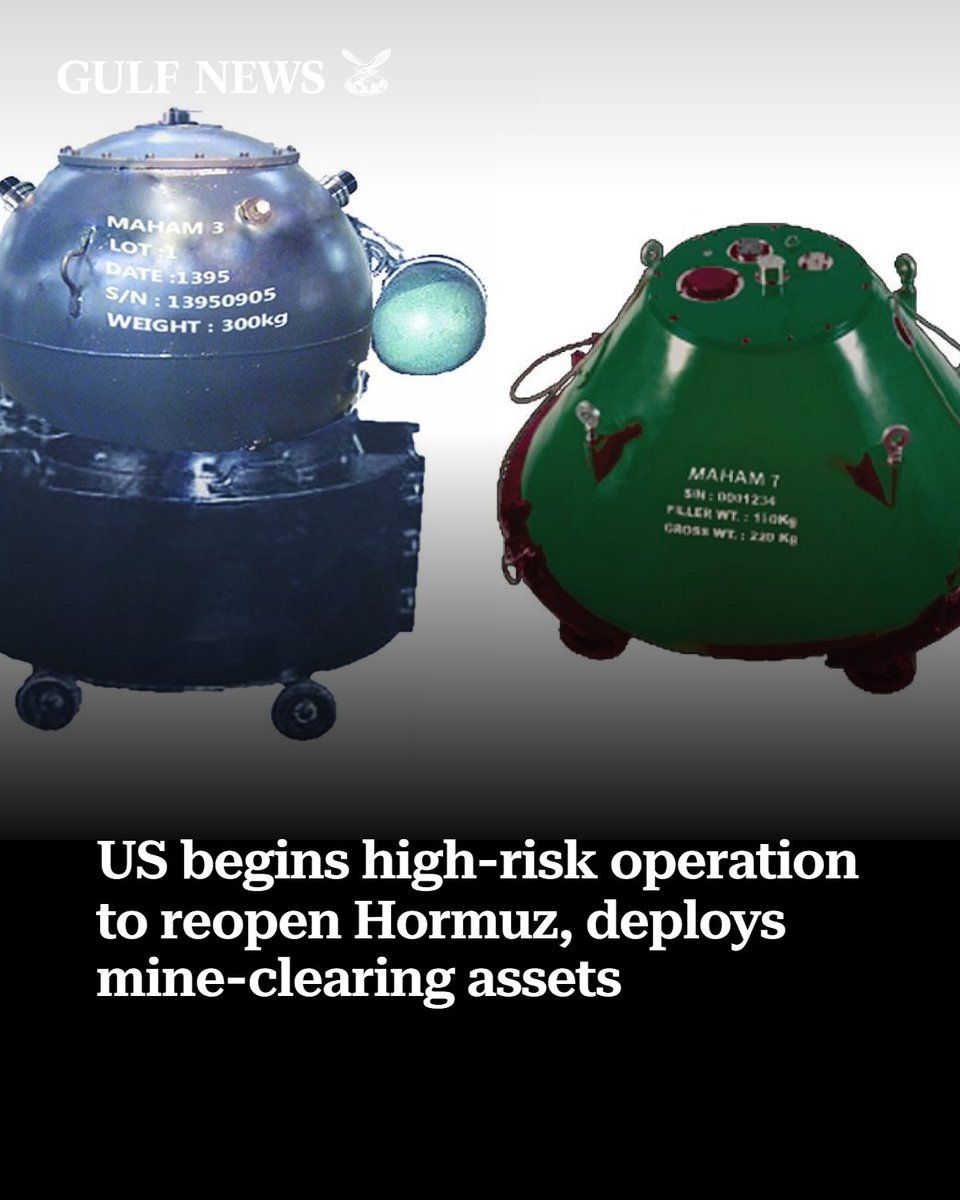
Two hours earlier, at 02:27 UTC, United States Navy vessels and unmanned aerial systems conducted a mine‑clearance sweep in the Strait of Hormuz. The operation aimed to neutralise suspected Iranian mines that had been laid to disrupt the flow of oil and gas shipments through the narrow waterway. According to the same Telegram source, the clearance was part of a broader effort to enforce a naval blockade of Iranian ports announced by U.S. Central Command.
"US Warships and Drones Clear Suspected Mines in Strait of Hormuz" – monitor_the_situation, 13 Apr 2026, https://t.me/monitor_the_situation/10043
Weapons involved: Naval mines; Organizations: United States Navy; Countries affected: United States, Iran.
U.S. Military Blockade Announcement
Later that morning, the United States publicly declared that all Iranian ports would be blockaded starting Monday, while still permitting vessels to transit the Strait of Hormuz for non‑Iranian destinations. The statement, issued by U.S. Central Command and reported by Al Jazeera, outlines a phased enforcement strategy that will restrict commercial and military traffic to Iranian harbours.
"US military threatens to blockade all Iranian ports starting on Monday" – AlJazeera, 13 Apr 2026, https://www.aljazeera.com/news/2026/4/13/us-military-threatens-to-blockade-all-iranian-ports-starting-on-monday
The blockade is intended to pressure Tehran into returning to nuclear negotiations, but it also raises the risk of accidental engagements with commercial shipping, especially given the recent mine‑clearance operation.
Presidential Indifference to Nuclear Talks
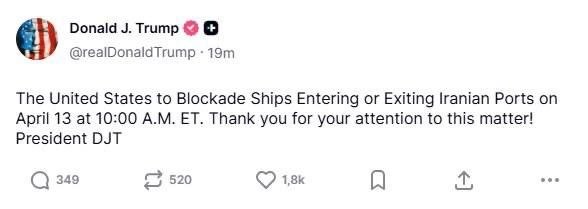
At 01:30 UTC, former President Donald Trump, speaking from Washington, D.C., expressed indifference to Iran’s potential return to nuclear talks. In a video posted to the same monitoring channel, Trump stated that the United States would continue its “hard line” regardless of diplomatic overtures, signaling a possible continuation of the blockade and related military actions.
"US President Trump Dismisses Iran's Return to Negotiations" – monitor_the_situation, 13 Apr 2026, https://t.me/monitor_the_situation/10038
Trump’s remarks, while lacking official policy weight, reflect the broader U.S. administration’s stance that strategic pressure will not be eased without concrete Iranian concessions.
Exact Timing of the Blockade
At 05:48 UTC, the Telegram channel intelslava relayed Trump’s specification that the naval blockade would commence at 17:00 Moscow time. The announcement clarifies the operational timeline for U.S. and allied naval forces, indicating that any vessel attempting to enter or leave Iranian ports after that hour would be intercepted or turned away.
"Trump specified the exact time of the start of the blockade of Iranian ports. He stated that the naval blockade will begin at 17:00 Moscow time" – intelslava, 13 Apr 2026, https://t.me/intelslava/86486
This precise timing underscores the logistical coordination required to enforce a maritime embargo across multiple international jurisdictions.
Hostile UAV Activity Along the Israel‑Lebanon Border
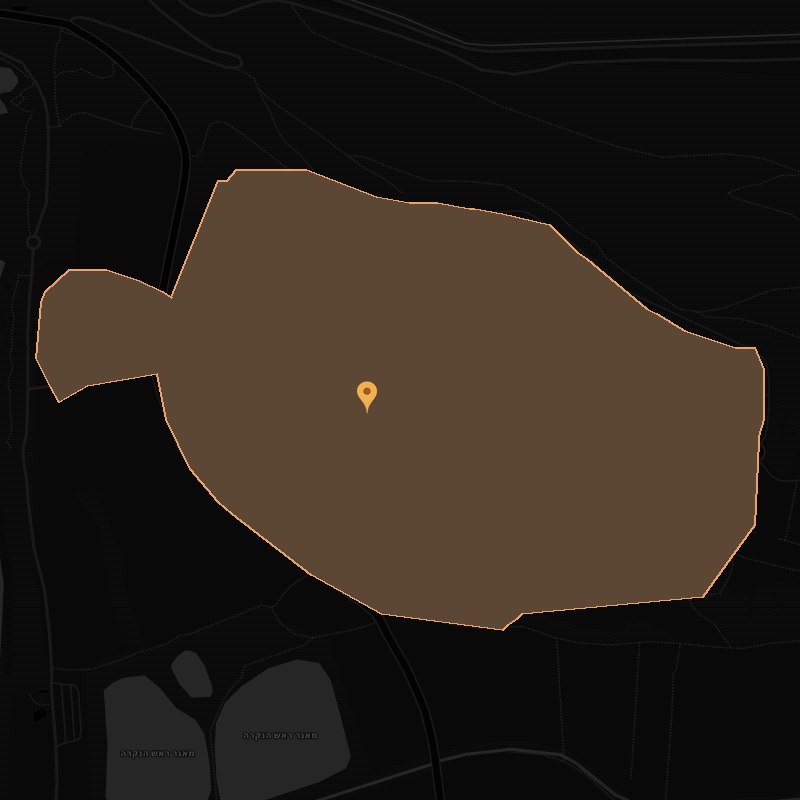
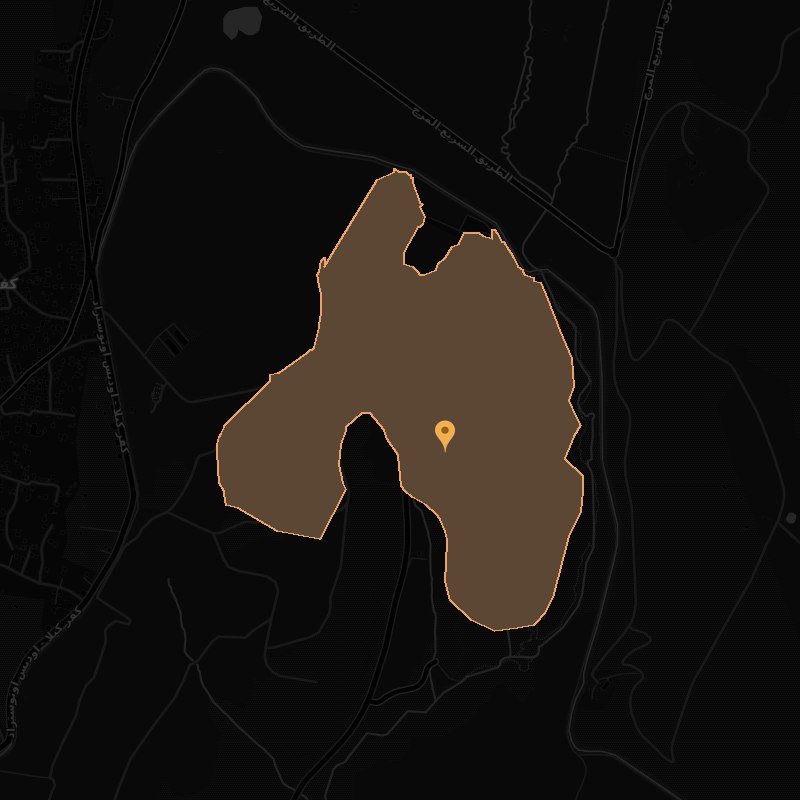
Separate from the Iran‑focused actions, two hostile UAV alerts were logged on 13 April by the Israeli monitoring service RocketAlert. The first, at 04:56 UTC, reported an unmanned aerial system near Metulla, a town on the northern Israeli front. The second, at 05:37 UTC, noted a UAV over Rosh HaNikra, the coastal border crossing with Lebanon. Both alerts were accompanied by photographic evidence but no confirmed engagements or casualties.
"Hostile UAV alert 2026‑04‑13 07:56:10: Confrontation Line: Metulla" – RocketAlert, 13 Apr 2026, https://t.me/RocketAlert/29336
"Hostile UAV alert 2026‑04‑13 08:37:38: Confrontation Line: Rosh HaNikra" – RocketAlert, 13 Apr 2026, https://t.me/RocketAlert/29339
While these UAV sightings are not directly linked to the Iran‑related pressure campaign, they illustrate the heightened alert status across the broader Middle‑East theater, where multiple fronts are experiencing simultaneous escalatory signals.
Implications for Regional Stability
The convergence of cultural‑heritage attacks, maritime mine clearance, and a formal blockade creates a multi‑dimensional pressure matrix on Tehran. The damage to historic sites may galvanise domestic opposition to the United States and Israel, potentially prompting retaliatory measures. Simultaneously, the naval blockade threatens to disrupt global energy markets, as the Strait of Hormuz remains a chokepoint for a significant share of world oil shipments.
International observers, including the United Nations and the European Union, have called for restraint, emphasizing that any escalation could spill over into adjacent conflicts, such as the Israel‑Lebanon border skirmishes documented by RocketAlert. The absence of reported casualties in the airstrike and mine‑clearance operations suggests a calculated approach to avoid direct loss of life while maximizing political and economic pressure.
As the blockade’s start time approaches, regional actors are likely to reassess their naval postures. Iran’s navy, which has previously deployed fast‑attack craft and asymmetric tactics in the Persian Gulf, may respond with additional mine‑laying or asymmetric attacks on commercial vessels. The United States, meanwhile, appears prepared to sustain a prolonged maritime presence, leveraging both manned warships and unmanned drones to enforce the embargo.
In the diplomatic arena, Trump’s public indifference to renewed nuclear talks signals that any future negotiations will be conducted under the shadow of sustained military pressure. The lack of a clear diplomatic pathway raises the risk that the blockade could become a de‑facto long‑term instrument of coercion, with uncertain consequences for regional security and global energy stability.