London, United Kingdom – Prime Minister Keir Starmer announced on 13 April 2026 that the United Kingdom will co‑host diplomatic talks with France in London, seeking an immediate end to the war with Iran and the restoration of safe Gulf shipping. The announcement, posted by the monitor_the_situation channel (https://t.me/monitor_the_situation/10222), marks the most significant diplomatic development of the day and comes amid a rapid escalation of kinetic operations across the region.
Escalation of Airstrikes on Iranian Energy Infrastructure
Earlier that afternoon, US and Israeli forces conducted coordinated airstrikes that damaged more than 80 oil and gas facilities inside Iran. The International Energy Agency (IEA) confirmed the extensive damage, warning of severe disruptions to global energy markets (monitor_the_situation, https://t.me/monitor_the_situation/10211). No casualties were reported, but the strikes represent a critical escalation beyond the naval blockade that has been in place since early April.
US‑Iran Negotiation Flexibility
In a parallel diplomatic channel, US and Iranian officials signaled a willingness to compromise despite the absence of a formal agreement. The monitor_the_situation feed highlighted statements from Washington and Tehran indicating “flexibility” to avoid renewed conflict (https://t.me/monitor_the_situation/10208). While no concrete terms were disclosed, the communication underscores a mutual interest in de‑escalation.
Naval Blockade and Maritime Maneuvers
US Central Command declared a comprehensive blockade of all maritime traffic to and from Iranian ports, effective 13 April (monitor_the_situation, https://t.me/monitor_the_situation/10092). President Donald Trump later announced that the United States would lead joint naval patrols with allied nations in the Strait of Hormuz (monitor_the_situation, https://t.me/monitor_the_situation/10207). The blockade has already prompted several operational responses:
- Iranian forces moved anti‑ship missiles and drone launch sites to islands and coastal positions around the Strait of Hormuz (monitor_the_situation, https://t.me/monitor_the_situation/10157).
- More than 20 commercial vessels from China, Pakistan, and India paid tolls to use Iran‑designated lanes in the Strait, despite the US prohibition (monitor_the_situation, https://t.me/monitor_the_situation/10203).
- Two Iran‑linked tankers successfully exited the Persian Gulf via the Strait, navigating the blockade (monitor_the_situation, https://t.me/monitor_the_situation/10116).
President Trump also claimed that US forces had sunk 158 Iranian navy ships in the Persian Gulf, a statement that remains unverified (monitor_the_situation, https://t.me/monitor_the_situation/10159).
Regional Reactions and Legal Challenges
The Iranian armed forces labeled the US naval restrictions in the Strait as "piracy," while the head of the International Maritime Organization declared the blockade illegal under international law (monitor_the_situation, https://t.me/monitor_the_situation/10154). The UN Food and Agriculture Organization warned that a prolonged blockade could trigger a global food‑price surge by disrupting fertilizer and energy exports (monitor_the_situation, https://t.me/monitor_the_situation/10198).
Retaliatory Measures and Threats
In response to the US blockade, Iran announced a retaliatory blockade of all Middle‑East ports, threatening any vessel attempting to transit (monitor_the_situation, https://t.me/monitor_the_situation/10168). Iranian officials in Tehran debated halting uranium enrichment to avoid full‑scale war, reflecting internal pressure to de‑escalate (monitor_the_situation, https://t.me/monitor_the_situation/10151).
Humanitarian and Civilian Impact
Amid the kinetic environment, civilian casualties and humanitarian concerns persisted. In Tehran, nearly 1,000 people were rescued from collapsed buildings following an unspecified disaster (monitor_the_situation, https://t.me/monitor_the_situation/10089). In Gaza, Israeli forces killed three Palestinians and arrested dozens in the West Bank during diplomatic talks in Cairo (Al Jazeera, https://www.aljazeera.com/news/2026/4/13/israeli-forces-kill-three-palestinians-in-gaza-arrest-dozens-in-west-bank).
Rocket and UAV Activity in Israel
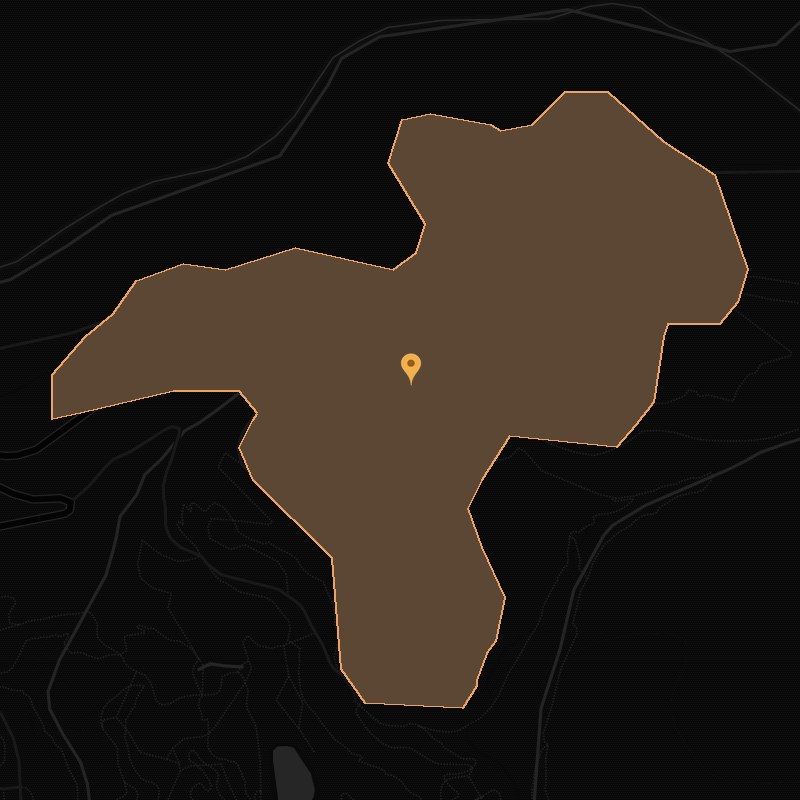
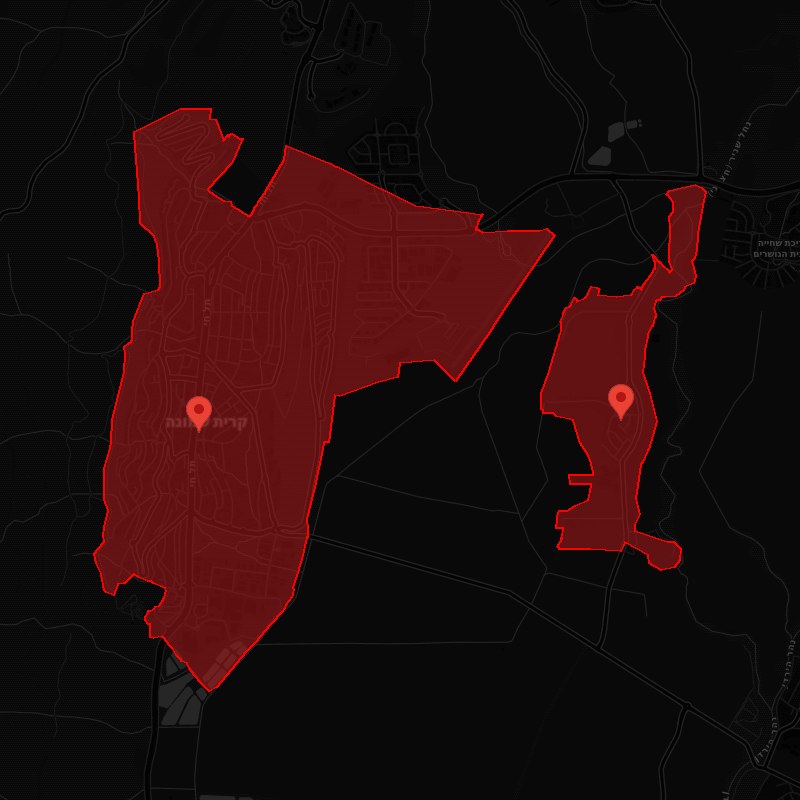
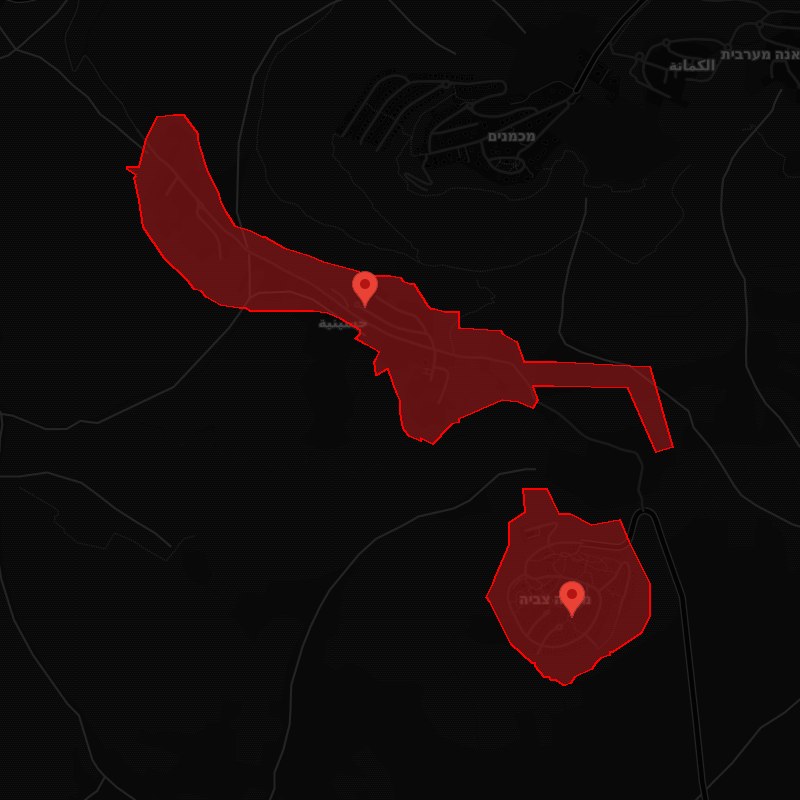
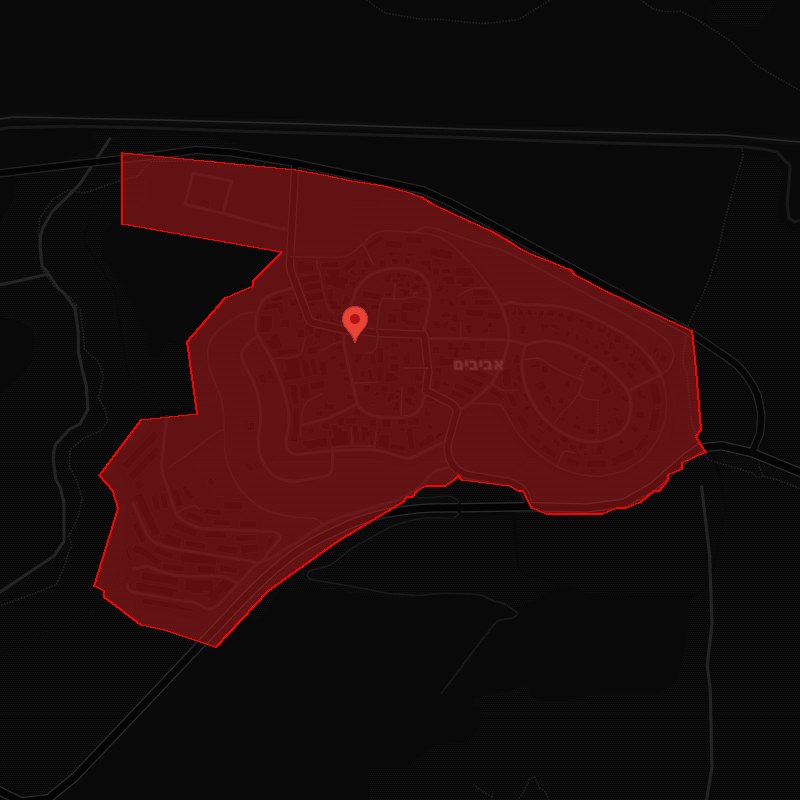
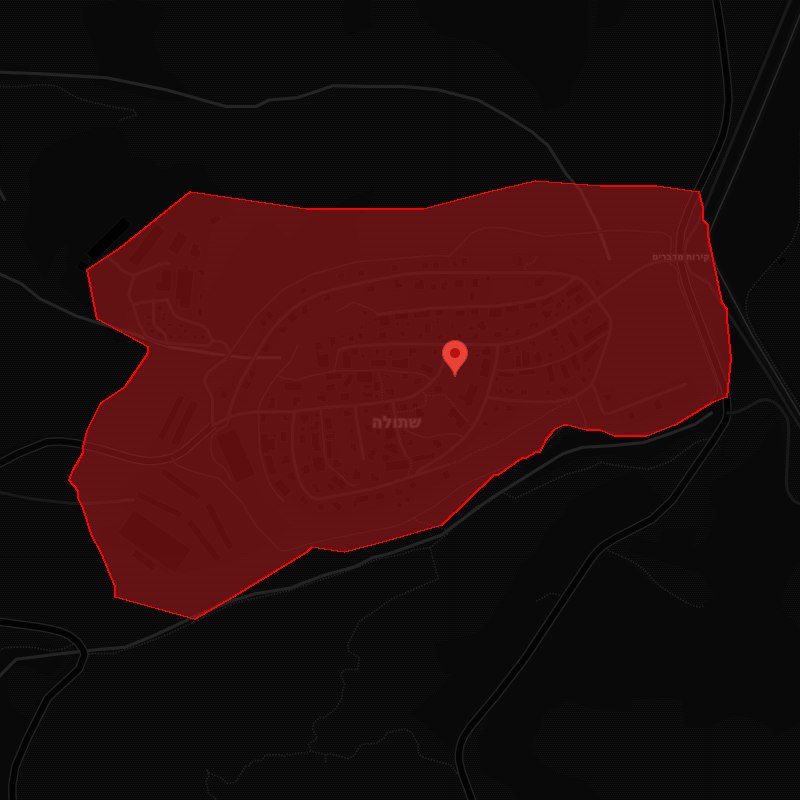
While the primary focus remained on the US‑Iran confrontation, Israel experienced a high volume of rocket alerts across the northern border, reported by RocketAlert throughout the day. Notable alerts included strikes near Kiryat Shmona, Beit Hillel, and the Upper Galilee region. Hostile UAV activity was also recorded, with multiple alerts across the Israeli‑Lebanese frontier (RocketAlert, various timestamps).
Summary of Developments
The diplomatic initiative in London represents a concerted effort by Western powers to halt a conflict that has already seen extensive kinetic actions: airstrikes on Iranian energy assets, a sweeping naval blockade, and a cascade of regional military posturing. The situation remains fluid, with both diplomatic channels and military operations influencing the trajectory of the conflict.