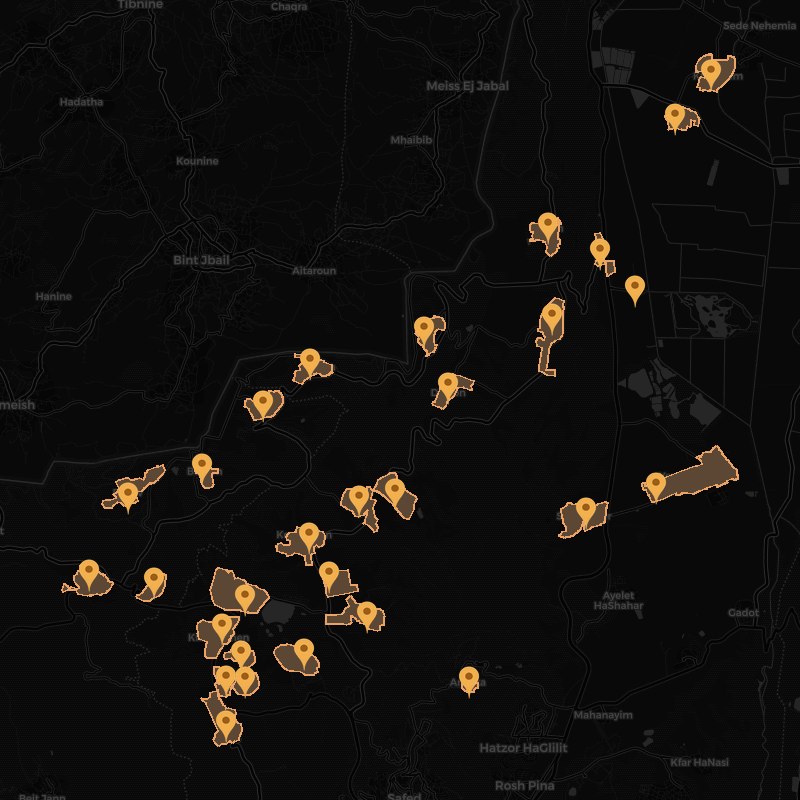
On April 13, 2026, Hezbollah unleashed a coordinated attack that included more than 400 rockets and 40 unmanned aerial vehicles (UAVs) targeting northern Israel. The barrage, reported by the monitoring channel monitor_the_situation, damaged 25 civilian structures and marked the most severe escalation since the ceasefire agreement of April 8.
Escalation of Rocket and Drone Attacks
The critical event began at 08:05 UTC, when rockets and drones were launched from Lebanese territory toward multiple points across northern Israel. Israeli authorities confirmed damage to 25 buildings, though casualty figures were not immediately released. The scale of the attack suggests a deliberate effort by Hezbollah to test the limits of the ceasefire and to pressure Israeli defensive postures along the border.
"Hezbollah has fired over 400 rockets and 40 drones targeting northern Israel since the April 8 ceasefire," – monitor_the_situation, https://t.me/monitor_the_situation/10085
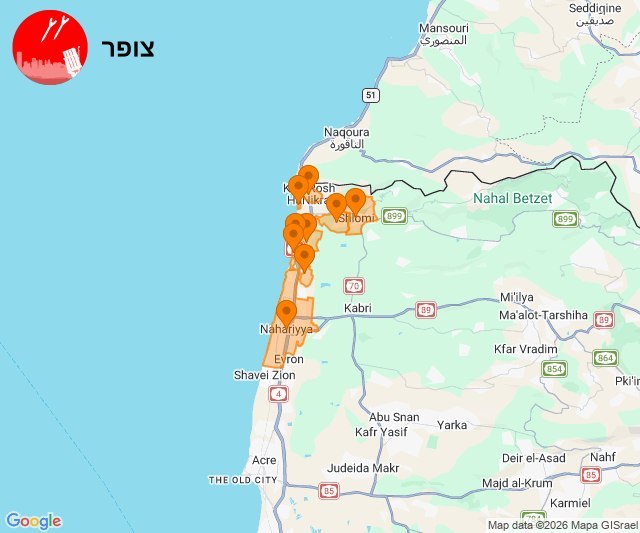
Subsequent reports from idkunim_il and JPost documented additional rocket launches aimed at the Galilee region, Nahariya, and Kiryat Shmona. In Nahariya, six rockets were intercepted by the Iron Dome system, while a seventh struck a residential home, injuring a woman, as confirmed by Magen David Adom (MDA) (JPost).
Airstrike Exchanges Along the Lebanon‑Israel Border
At 15:13 UTC, the conflict expanded to reciprocal airstrikes. Israeli aircraft targeted Hezbollah positions in southern Lebanon, and Hezbollah responded with rocket fire toward the border region. The exchange, also reported by monitor_the_situation, signaled a shift from sporadic rocket fire to a broader shooting war (source).
Localized Incidents in Northern Communities
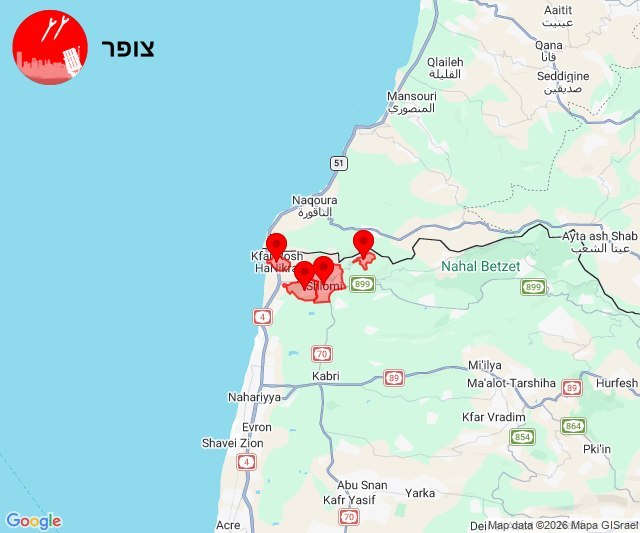
Multiple communities in the Upper Galilee reported alerts and impacts. Kiryat Shmona saw the opening of a new Reservists Party headquarters under direct Hezbollah fire, prompting calls for political leaders to relocate northward (JPost). Baram, Jish, and other villages in the Gush Halav area experienced rocket‑alert notifications from RocketAlert.live, though no physical impacts were recorded at those sites.
UAV Intrusions and Interceptions
Hezbollah’s UAV campaign extended beyond rockets. At 14:21 UTC, a hostile drone wounded eight Israeli soldiers in southern Israel, with two classified as moderately injured and six as mildly injured (rnintel). Later, at 15:29 UTC, the Israeli Defense Forces (IDF) released footage confirming the interception of ten Hezbollah‑launched drones over northern Israel (intelslava). An earlier intrusion at 13:03 UTC was reported without casualty details, underscoring the persistent aerial threat.
International Naval Presence
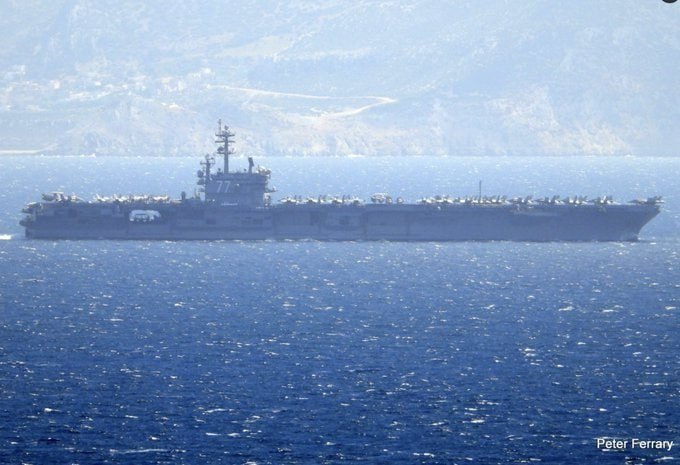
Amid the heightened land and air activity, the United States deployed the USS George H. W. Bush Carrier Strike Group toward Israel. The group was observed transiting the Strait of Gibraltar on April 13, positioning to replace the Gerald R. Ford Strike Group before the ceasefire expires (GeoPWatch). While not a direct combat element, the deployment signals continued international involvement and deterrence.
Collateral Damage and Civilian Impact
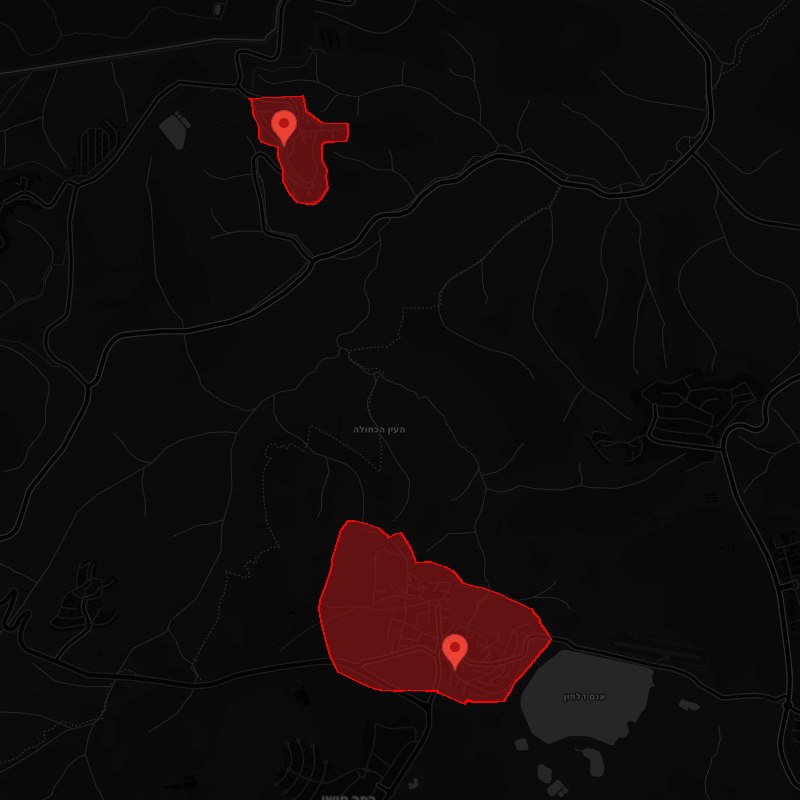
Beyond the primary kinetic events, secondary effects were noted. Drone debris from an intercepted UAV struck a factory in central Israel, causing material damage but no immediate casualties (monitor_the_situation). In Shlomi, Hezbollah claimed an attack on Israeli soldiers, though independent verification is pending (monitor_the_situation).
Analytical Assessment
The coordinated rocket and drone offensive represents the most intensive kinetic phase of the Israel‑Lebanon border conflict since the April 8 ceasefire. The use of both rockets and UAVs indicates Hezbollah’s intent to diversify its attack vectors, complicating Israeli air‑defense responses. Reciprocal airstrikes by Israel demonstrate a willingness to expand the battlefield, potentially raising the risk of broader escalation.
While casualty numbers remain limited in the immediate reports, the damage to civilian infrastructure and the wounding of soldiers highlight the human cost of the renewed hostilities. The presence of a U.S. carrier strike group suggests that external powers are monitoring the situation closely, prepared to intervene if the conflict threatens regional stability.