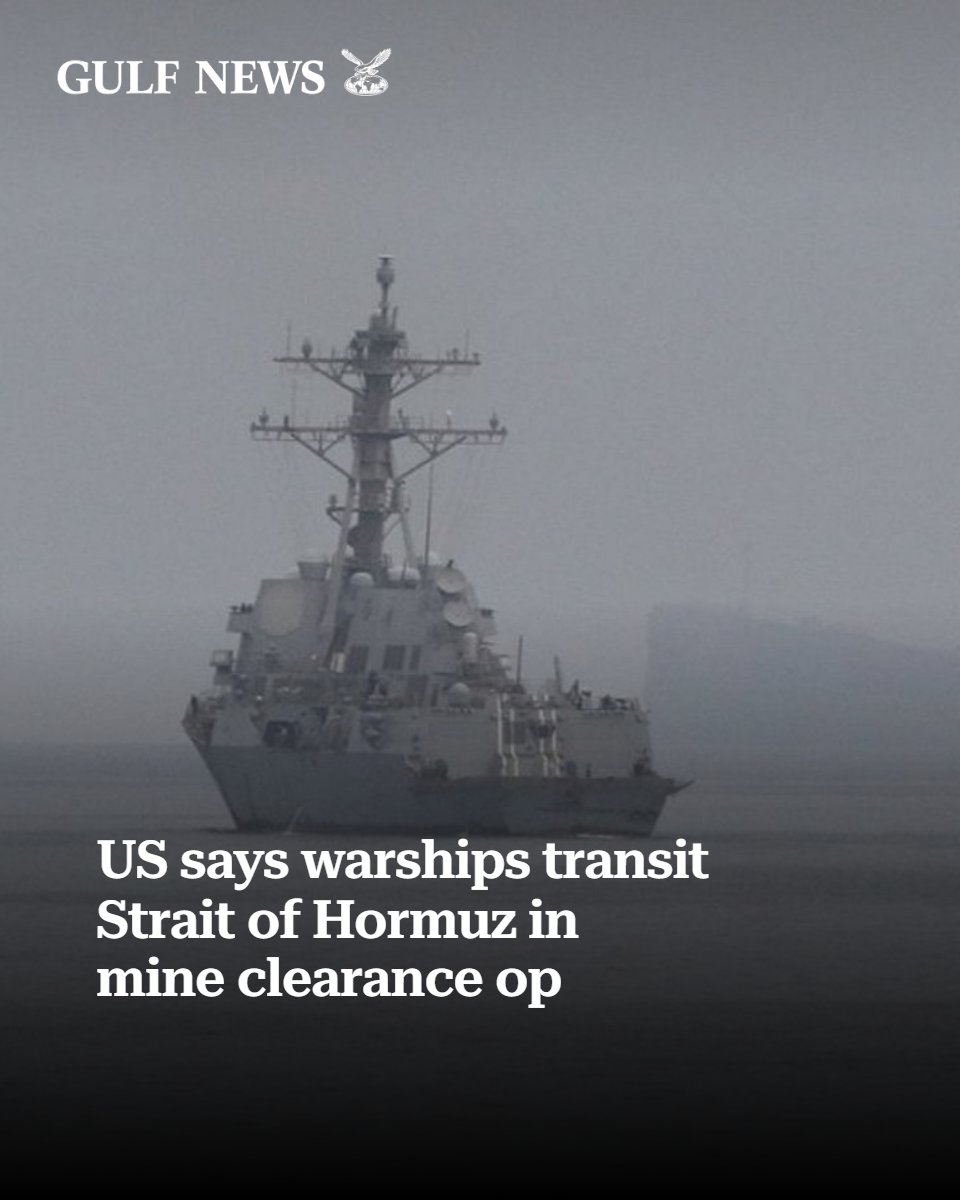
On April 12, 2026, United States naval forces conducted a coordinated operation to neutralize suspected Iranian mines in the Strait of Hormuz, a chokepoint that handles roughly 20% of global oil shipments. The clearance, confirmed by the monitoring channel monitor_the_situation, marks the most consequential maritime incident reported for the day and follows a pattern of heightened confrontations between Tehran and Washington.
Naval Mine Clearance in the Strait of Hormuz
The United States Navy deployed surface vessels equipped with mine‑countermeasure systems to locate and render safe a series of explosive devices believed to have been laid by Iranian forces. According to the source, the operation was completed without casualties on either side, but it provoked an explicit threat of retaliation from the Iranian government. The Iranian response, relayed through state media, warned of “severe consequences” should the United States continue to interfere with Iranian maritime activities.
Key details:
- Location: Strait of Hormuz, between Oman and Iran.
- Date and time: 2026‑04‑12T04:02:39 (UTC).
- Actors: United States Navy and the Islamic Republic of Iran.
- Weaponry: Naval mines, mine‑countermeasure equipment.
- Casualties: None reported.
The clearance operation underscores the strategic importance of the Strait of Hormuz and reflects a broader pattern of maritime brinkmanship that has intensified since early 2025, when Iran first announced the deployment of “defensive” mines in the waterway.
Hostile UAV Activity Along Israel’s Northern Border
Within the same 24‑hour window, multiple hostile unmanned aerial vehicle (UAV) alerts were issued across Israel’s northern frontier. The alerts, posted by the Telegram channel RocketAlert, identified three separate incidents:
- 04:11:15 – UAV sighting near Kerem Ben Zimra.
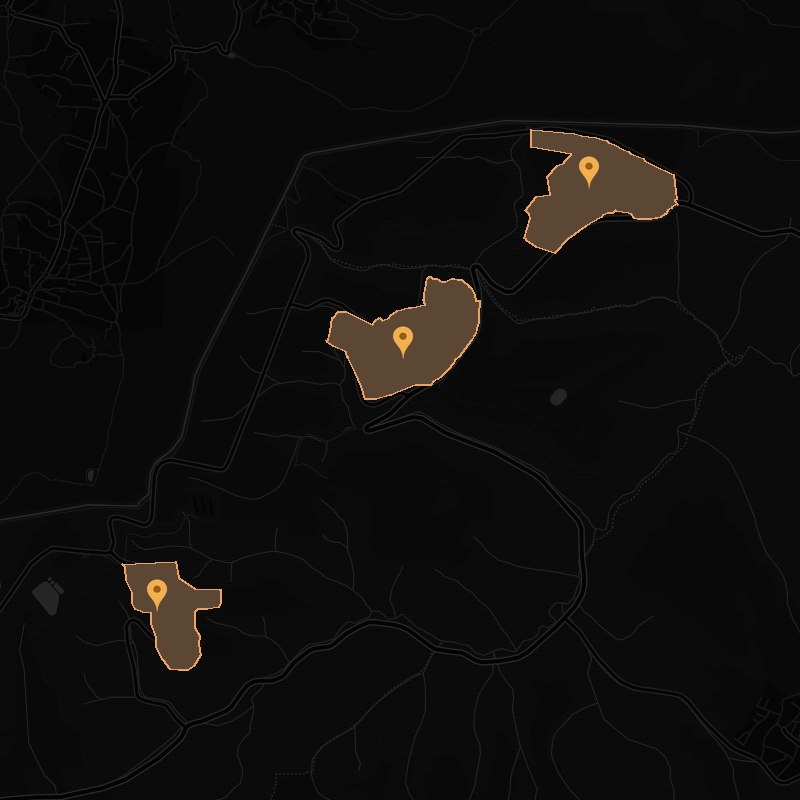
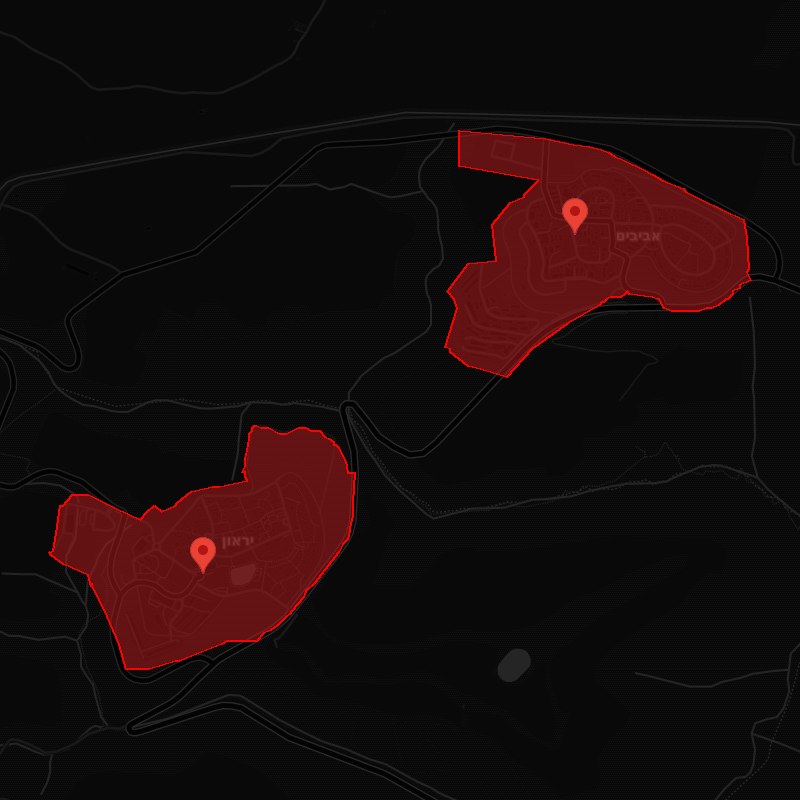
- 04:08:47 – UAV activity reported over Yir'on, Baram, and Avivim.
- 04:08:44 – Additional UAV alert (location unspecified).
All three alerts were classified as “hostile” but did not specify the type of UAV, payload, or operator. No injuries or property damage were reported, and the alerts did not attribute responsibility to any organization or state actor.
Operational context: The northern border region, adjacent to the Lebanese and Syrian frontlines, has experienced a resurgence of low‑altitude aerial incursions since the 2024 escalation between Hezbollah and Israeli forces. The current alerts align with a pattern of sporadic UAV deployments intended to probe air‑defence readiness.
Rocket Alert in Yir'on and Avivim
At 04:08:44, RocketAlert posted a rocket/missile alert covering the confrontation line of Yir'on and Avivim. The original message, reproduced below, provides the timestamp and geographic focus but does not list casualties or weapon specifics.
Rocket/Missile alert 2026-04-12 07:07:51:
Confrontation Line:
Yir'on, Avivim
The alert was accompanied by a single photograph, though the image content was not described in the source feed. No follow‑up reports confirmed a launch, impact, or damage, suggesting the alert may have been a false alarm or a rapid interception by Israeli air‑defence systems.
Source: RocketAlert (Telegram channel). No organization or state was identified as the originator of the rocket threat.
Implications for Regional Stability
The juxtaposition of a high‑stakes naval operation in the Strait of Hormuz with a series of aerial alerts along Israel’s northern border illustrates a multi‑theater escalation environment. While the naval incident involves state actors with direct strategic interests—namely the United States and Iran—the UAV and rocket alerts reflect a more ambiguous threat landscape, where non‑state actors, proxy forces, or autonomous systems could be testing defensive postures.
From an analytical perspective, the following observations are warranted:
- The United States’ willingness to conduct mine‑clearance operations signals a commitment to maintaining freedom of navigation, even at the risk of provoking Iranian retaliation.
- The absence of claimed responsibility for the UAV sightings suggests either a deliberate anonymity by hostile actors or a rapid de‑escalation by Israeli forces.
- The rocket alert, despite lacking corroborating evidence of an actual launch, highlights the heightened alertness of Israeli security services to any projectile threat in the volatile north‑border region.
Collectively, these events reinforce the perception of a region where conventional and unconventional threats intersect, raising the probability of inadvertent escalation.
Source Attribution
All incident details are drawn from open‑source Telegram channels that specialize in real‑time conflict monitoring:
- Naval mine clearance: monitor_the_situation.
- UAV and rocket alerts: RocketAlert.live (Telegram posts 29243, 29244, 29248).