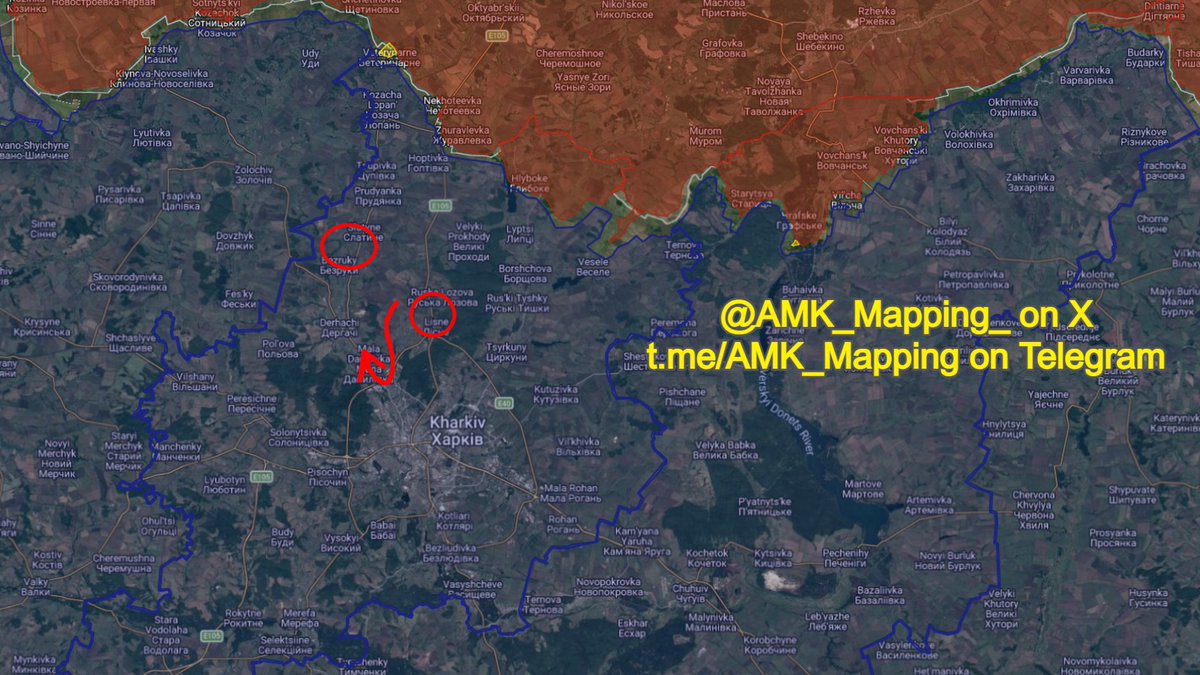
At 08:39 UTC on 12 April 2026, Russian forces deployed a Molniya unmanned aerial vehicle (UAV) to strike an area near Zolochiv in Kharkiv Oblast. The attack, documented by the Telegram channel monitor_the_situation, represents the fourth hostile UAV incident in northern Kharkiv within a two‑hour window, all occurring during the internationally observed Easter truce. The strike caused material damage to infrastructure and heightened tension along the front, underscoring a pattern of coordinated aerial aggression.
"Russian forces launched a Molniya drone strike targeting an area near Zolochiv in Ukraine's Kharkiv Oblast, marking the fourth such incident in northern Kharkiv over the last two hours during the Easter truce." – monitor_the_situation, https://t.me/monitor_the_situation/9916
Rocket Barrage on Kramatorsk
Just minutes earlier, at 08:36 UTC, a Russian multiple‑launch rocket system (MLRS) fired a salvo of rockets at the industrial city of Kramatorsk in Donetsk Oblast. The barrage, also reported by monitor_the_situation, resulted in civilian casualties and damage to residential blocks. While exact casualty figures remain unverified, local emergency services confirmed multiple injuries and the destruction of several civilian structures. The use of unguided rockets during a declared ceasefire highlights a deliberate escalation of kinetic force.
"Russian multiple launch rocket systems launched attacks targeting Kramatorsk in eastern Ukraine, amid ongoing ceasefire violations during the Easter truce." – monitor_the_situation, https://t.me/monitor_the_situation/9915
Reconnaissance and Strike Drones Across Multiple Oblasts
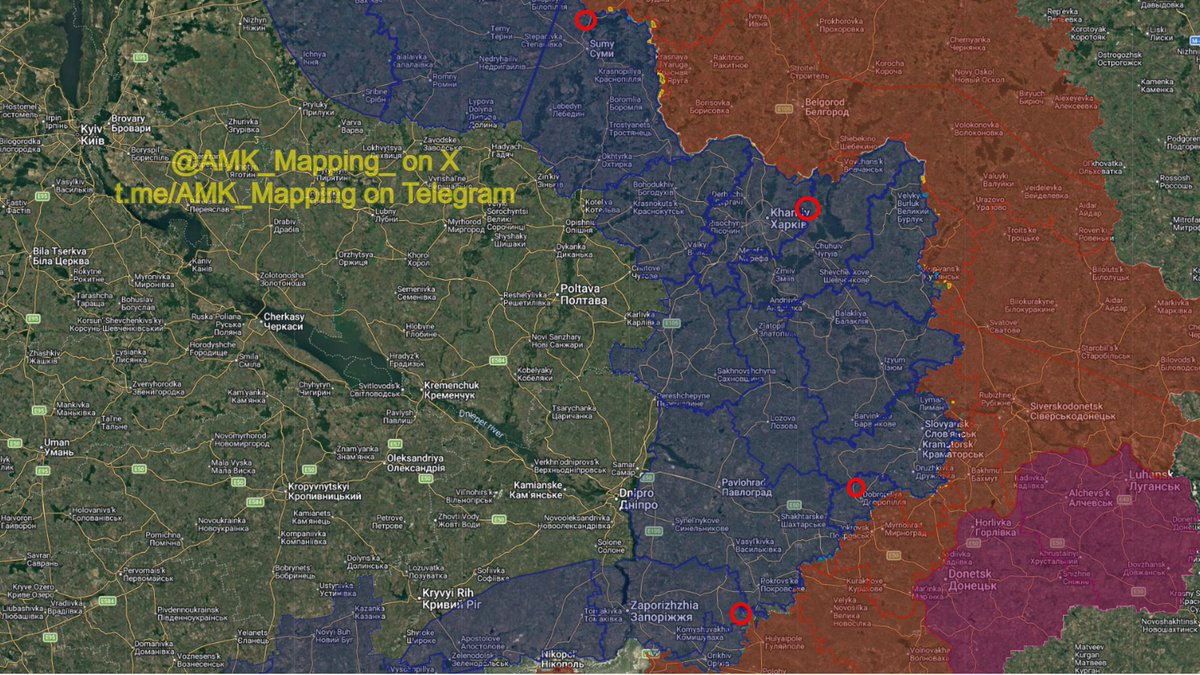
Between 07:00 and 09:00 UTC, Russian UAV activity intensified across four Ukrainian regions. At 07:01, two to three Molniya FPV drones struck targets near Bezruky and Cherkaska Lozova, while a separate strike drone operated near northwestern Kharkiv City, accompanied by a Zala reconnaissance drone. Later, at 08:51, reconnaissance drones were observed over Khotin (Sumy Oblast), Verkhnya Rohanka (Kharkiv Oblast), Bilozerske (Donetsk Oblast), and Nove Pole (Zaporizhzhia Oblast). The presence of these platforms, despite the truce, suggests a systematic effort to gather intelligence and conduct limited strikes.
"Russian reconnaissance drones spotted flying near Khotin in Sumy Oblast, Verkhnya Rohanka in Kharkiv Oblast, Bilozerske in Donetsk Oblast, and Nove Pole in Zaporizhzhia Oblast during Easter truce, with numbers decreasing to four." – monitor_the_situation, https://t.me/monitor_the_situation/9918
Artillery Shelling on Frontlines
Artillery fire continued to breach the ceasefire on multiple fronts. At 07:10 UTC, Ukrainian positions north of Kharkiv city were hit by indirect fire, though the responsible party was not explicitly identified in the source. At 08:44 UTC, Russian artillery shelled Ukrainian defensive positions along the Donetsk frontline, causing further degradation of entrenched lines and prompting retaliatory counter‑battery fire from Ukrainian forces.
"Russian forces conduct shelling along the Donetsk frontline amid ongoing ceasefire violations, targeting Ukrainian positions in the region." – monitor_the_situation, https://t.me/monitor_the_situation/9917
Additional Kinetic and Defensive Incidents
Beyond direct combat, several ancillary events contributed to the day's volatility. An FPV drone struck a civilian car near Svesa in Sumy Oblast at 06:55, injuring the driver and illustrating the indiscriminate nature of low‑altitude attacks. In central Ukraine, a key electrical substation ignited, likely the result of sabotage or a kinetic strike, disrupting power supplies to surrounding communities. Conversely, Ukrainian air defenses demonstrated resilience; Patriot missile batteries in western Ukraine intercepted incoming aerial threats at 06:36, reinforcing the country's layered air‑defence architecture.
"Patriot missile systems in western Ukraine successfully down incoming aerial threats, bolstering air defenses." – monitor_the_situation, https://t.me/monitor_the_situation/9895
Strategic troop movements were also reported. Russian forces amassed personnel and equipment in the Zaporizhzhia region, a development interpreted by analysts as preparatory to a potential new offensive. While no direct combat was recorded in that sector on 12 April, the buildup signals a shift in operational posture that could affect future kinetic engagements.
"Russia masses troops and equipment in southern Ukraine's Zaporizhzhia, signaling potential new offensive operations." – monitor_the_situation, https://t.me/monitor_the_situation/9894
Collectively, these incidents demonstrate a coordinated pattern of ceasefire violations across aerial, artillery, and ground domains. The concentration of Molniya UAV strikes in Kharkiv Oblast, combined with MLRS attacks in Donetsk and widespread reconnaissance activity, reflects a Russian strategy aimed at maintaining pressure while probing Ukrainian defensive responses during a period traditionally reserved for humanitarian observance.