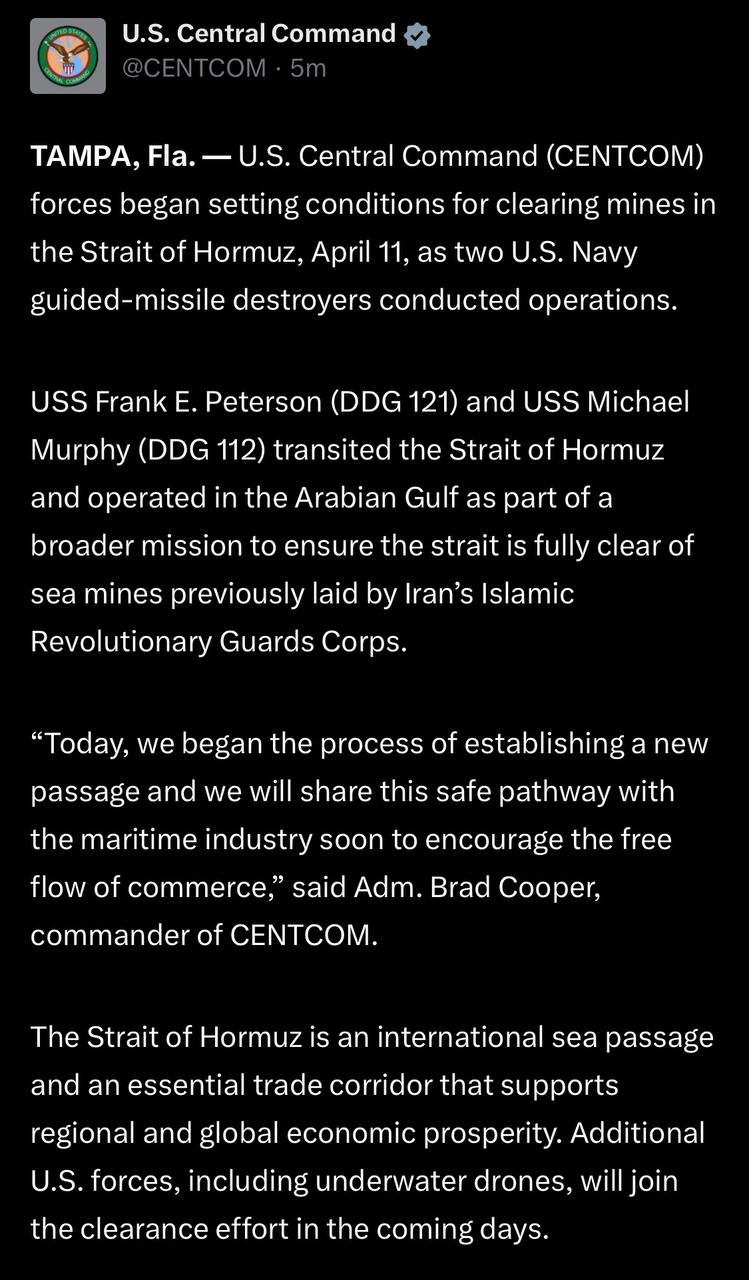
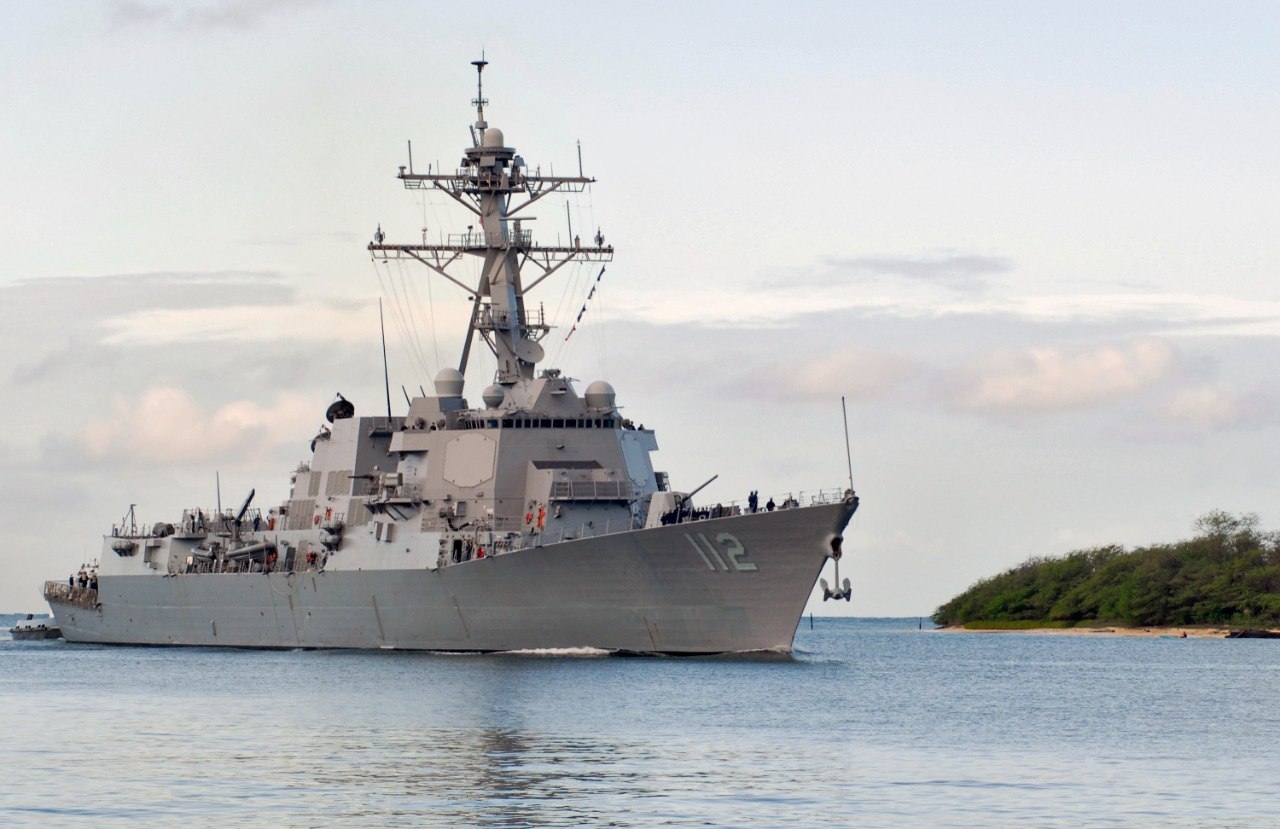
The most consequential kinetic development on 11 April 2026 unfolded in the Strait of Hormuz, where United States Navy destroyers USS Frank E. Peterson (DDG‑121) and USS Michael Murphy (DDG‑112) crossed the narrow passage to commence a large‑scale mine‑clearing operation. The mission, announced by U.S. Central Command (CENTCOM), marks the first coordinated effort to neutralize Iranian naval mines since the war began six weeks earlier and signals a decisive escalation in the maritime dimension of the conflict.
Operation Epic Fury: Scope and Execution
At 16:44 UTC, CENTCOM confirmed that the two Arleigh Burke‑class guided‑missile destroyers entered the Strait of Hormuz, initiating Operation Epic Fury. The operation aims to locate, identify, and render safe an estimated 30‑plus Iranian‑laid mines that have rendered the waterway “nearly impassable,” according to a Jerusalem Post report. Underwater unmanned vehicles (UUVs) equipped with sonar and neutralization payloads will follow the destroyers in the coming days, providing a persistent, low‑risk means of clearing the seabed.
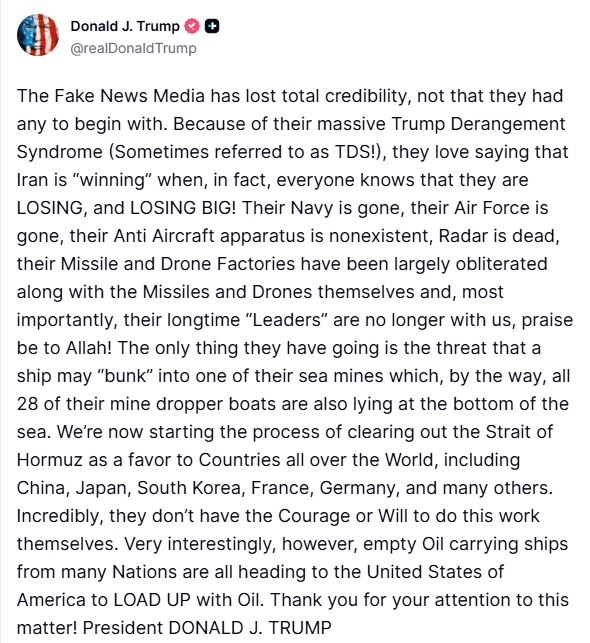
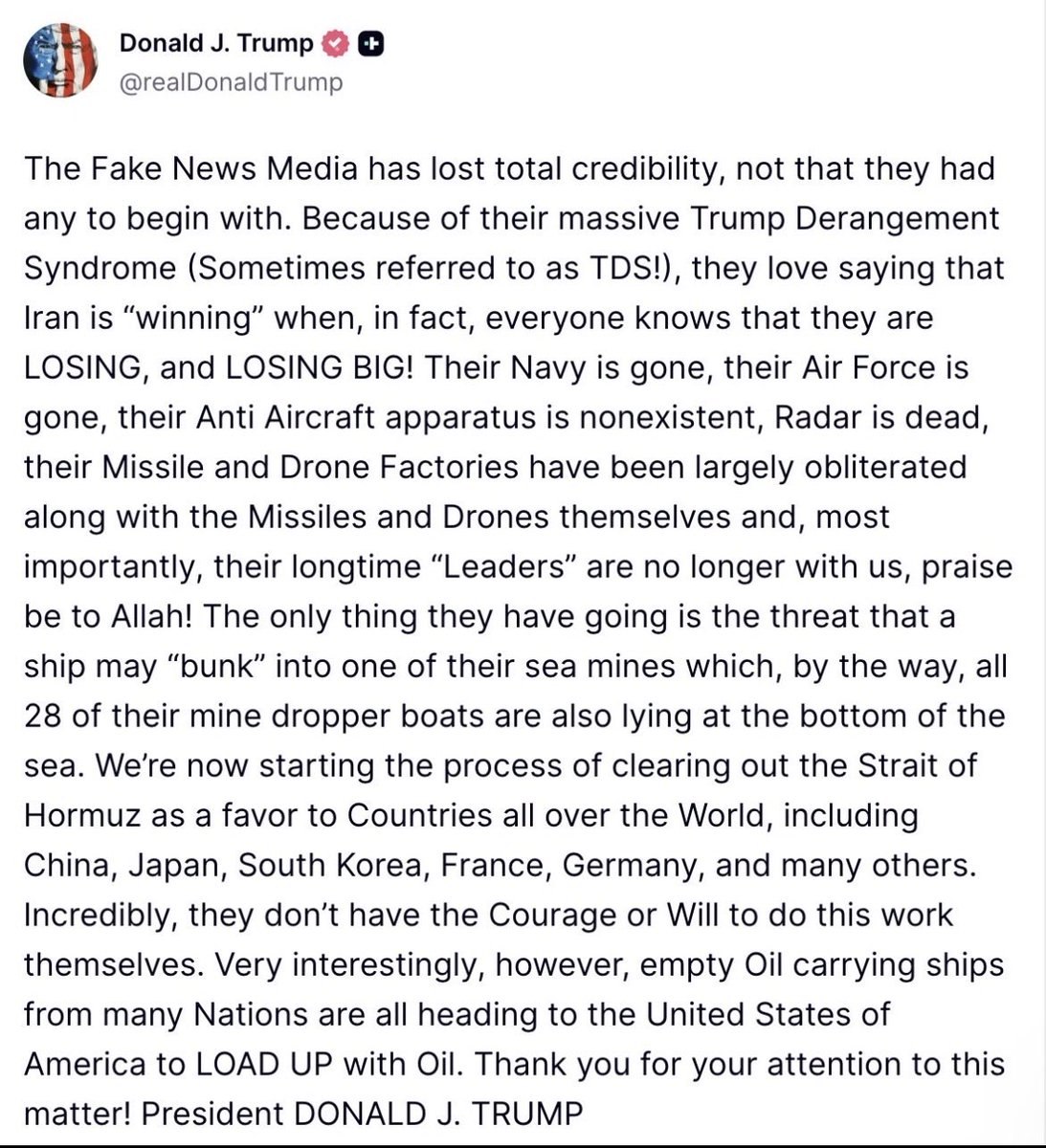
Earlier in the day, at 16:25 UTC, the United States announced that its forces had already cleared 28 Iranian mines as part of the same operation. The announcement, relayed by the Telegram channel monitor_the_situation, cited President Trump’s directive to restore the flow of roughly 20 % of global oil that transits the strait. No casualties were reported in either the clearing or the preceding mine‑laying activities, but the presence of live ordnance continues to pose a severe risk to commercial shipping and naval vessels alike.
US Warship Transits and Iranian Counter‑Measures
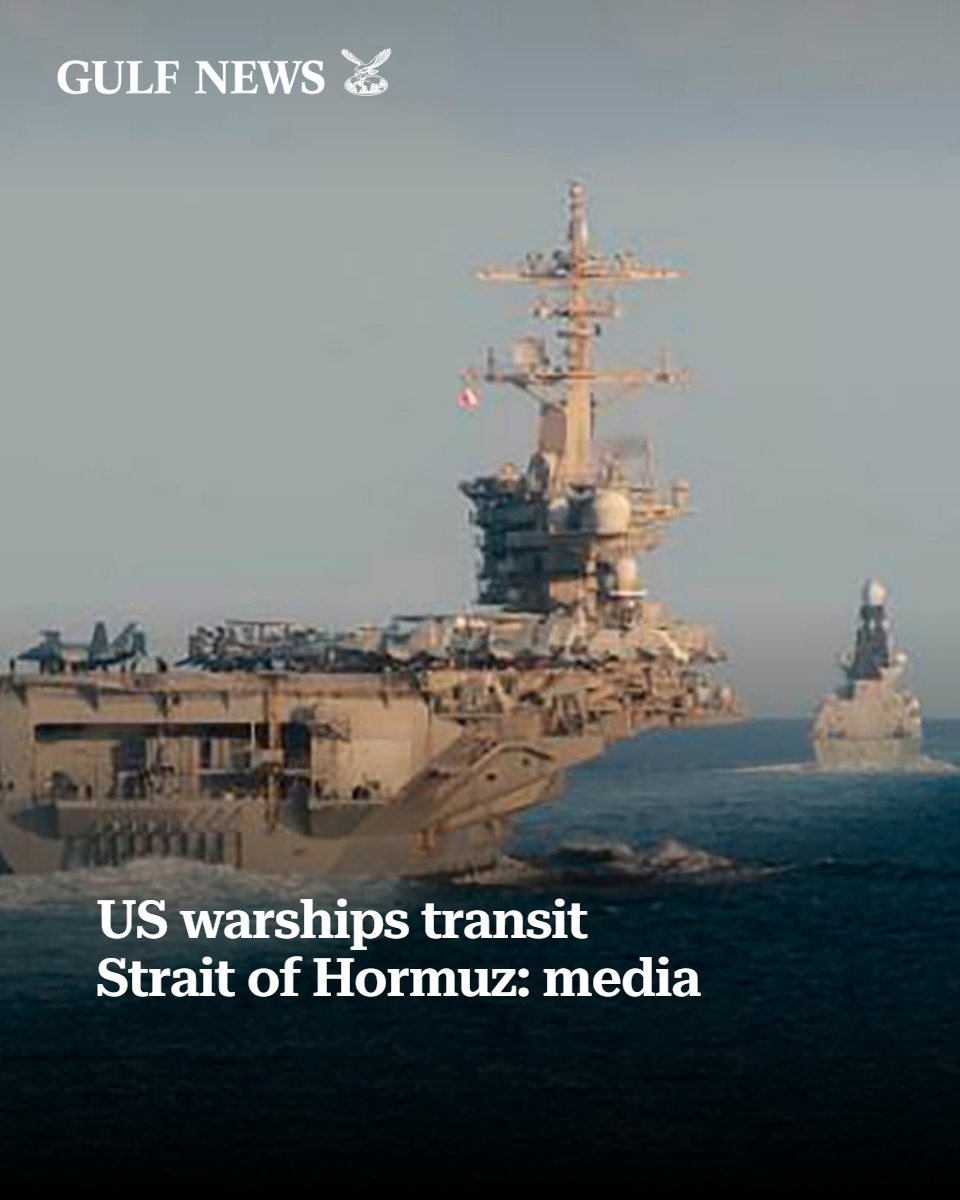
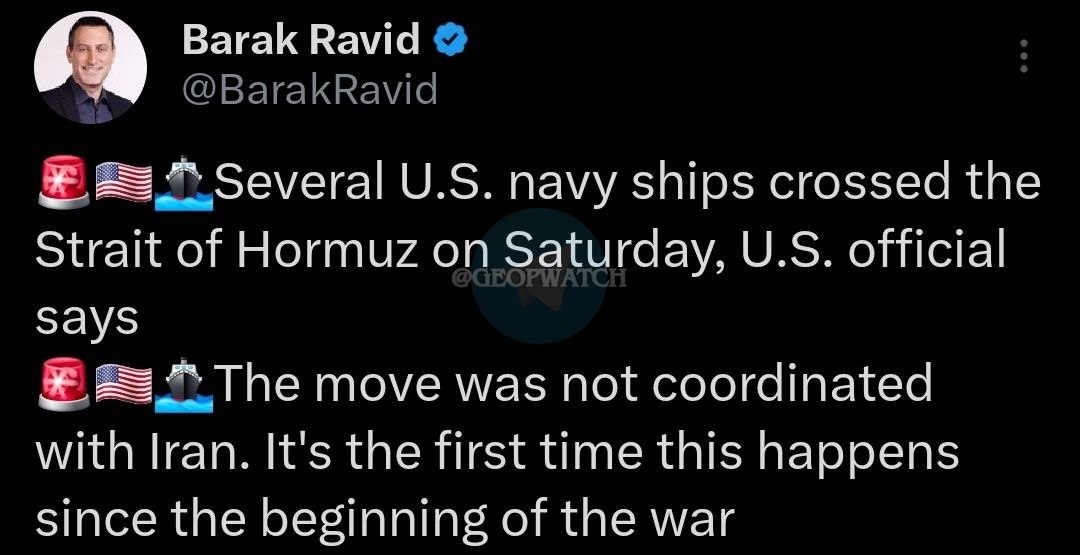
Two hours before the mine‑clearing launch, the United States achieved a symbolic milestone: the first transit of US warships through the Strait since hostilities began. At 13:50 UTC, the same destroyers—USS Frank E. Peterson and USS Michael Murphy—completed a passage from Fujairah in the United Arab Emirates toward the strait, a move described by monitor_the_situation as “the first US warship passage since the war began six weeks ago.” The transit was intended to demonstrate freedom of navigation and to test Iranian resolve.
Iran’s Islamic Revolutionary Guard Corps (IRGC) Navy responded swiftly. At 14:23 UTC, the Fars News Agency, cited by the Telegram channel intelslava, reported that the IRGC issued a warning—delivered via a Pakistani intermediary—that the USS Michael Murphy would be targeted within 30 minutes if it continued its transit. The warning did not specify the weapon system to be employed, but the language implied a readiness to engage with anti‑ship missiles or other kinetic means.
"If the destroyer persists, it will be engaged within half an hour," the IRGC Navy message read, as relayed through a Pakistani channel.
Following the warning, the US destroyer reportedly withdrew from the strait at 13:09 UTC, turning back toward Fujairah. The retreat was covered by monitor_the_situation, which noted that the decision was taken amid ongoing US‑Iran talks in Islamabad and after the IRGC’s explicit threat.
Iranian Drone Attack
Compounding the naval standoff, Iran launched a hostile unmanned aerial vehicle (UAV) at the two US destroyers at 16:13 UTC. The drone, described by the Telegram channel GeoPWatch, approached the vessels as they attempted to pass through the strait, forcing them to reverse course. No damage or injuries were reported, but the incident underscored Tehran’s willingness to employ asymmetric aerial tactics in addition to maritime mines.
"Iran launched a drone toward two US ships that tried to pass through the Strait of Hormuz, forcing them to turn back," GeoPWatch reported.
Uncertainty Over Mine Locations
Adding to the operational complexity, a separate report from the JPost on 06:36 UTC highlighted that Iran has lost track of many of the mines it deployed in the strait. The mines, laid by small boats without a formal registry, create a “nearly impassable” environment for both commercial and military traffic. This lack of documentation hampers de‑mining efforts and raises the risk of accidental detonations during clearance operations.
Strategic Implications for Global Shipping
The Strait of Hormuz remains a chokepoint through which approximately 20 % of the world’s oil supply flows. Disruption of this artery has immediate repercussions for global energy markets, insurance premiums, and the strategic calculus of regional powers. By initiating a systematic mine‑clearing campaign, the United States seeks to re‑establish a predictable shipping corridor, thereby mitigating the economic fallout of the conflict.
Conversely, Iran’s layered response—combining mines, UAV attacks, and direct threats to US warships—demonstrates a multifaceted approach to deterrence. The IRGC’s willingness to issue explicit kill warnings, coupled with the deployment of low‑cost drones, reflects an adaptive strategy designed to exploit the vulnerabilities of high‑value naval assets.
Operational Outlook
Centcom has indicated that additional underwater drones will join the mine‑clearing effort in the coming days, suggesting a sustained, technology‑driven approach to neutralizing the threat. The United States is also likely to maintain a naval presence in the region to deter further Iranian aggression and to reassure commercial operators.
Iran, for its part, may continue to leverage its asymmetric capabilities, including further UAV sorties and potential missile threats, especially if diplomatic negotiations stall. The interplay between kinetic de‑mining actions and Iranian counter‑measures will shape the security environment of the Strait for the foreseeable future.