On 11 April 2026, the United States Department of Defense confirmed that U.S. forces carried out airstrikes against Iranian positions, marking the most significant escalation in the ongoing US‑Iran confrontation.
According to the Telegram channel monitor_the_situation, the strikes were executed at 04:11 UTC; the precise locations within Iran were not disclosed. The Department of Defense released chronological footage of the operation, underscoring the use of precision‑guided munitions launched from fighter aircraft and unmanned platforms. United States and Iran are the primary state actors involved.
“US Airstrikes Target Iranian Positions” – monitor_the_situation, 04:11 UTC, source
Iranian Missile Strike on U.S. Radar Installations in Doha
At 03:42 UTC, Iranian forces fired missiles at U.S. radar installations on Qatari soil in Doha, causing visible damage to the assets. The attack was reported by Al Jazeera and corroborated by the Telegram channel monitor_the_situation. No casualty figures were released, but the incident demonstrates Iran’s willingness to target U.S. military infrastructure beyond its own borders.
🟠 **Iranian Strikes Damage US Radars in Doha, Qatar** – monitor_the_situation, 03:42 UTC, source
Loss of 24 U.S. MQ‑9 Reaper Drones
Iranian air defenses shot down 24 MQ‑9 Reaper drones operating over Iranian airspace, according to a report circulated by the Telegram channel rnintel and cited by CBS News. The estimated material loss is approximately $720 million. The drones were likely engaged in intelligence‑gathering missions supporting the broader U.S. campaign.
“During the War in Iran, 24 MQ‑9 Reaper drones were lost or shot down by Iranian forces. The estimated loss of the MQ‑9s is around $720 million.” – rnintel, 01:49 UTC, source
U.S. Force Buildup Ahead of Negotiations
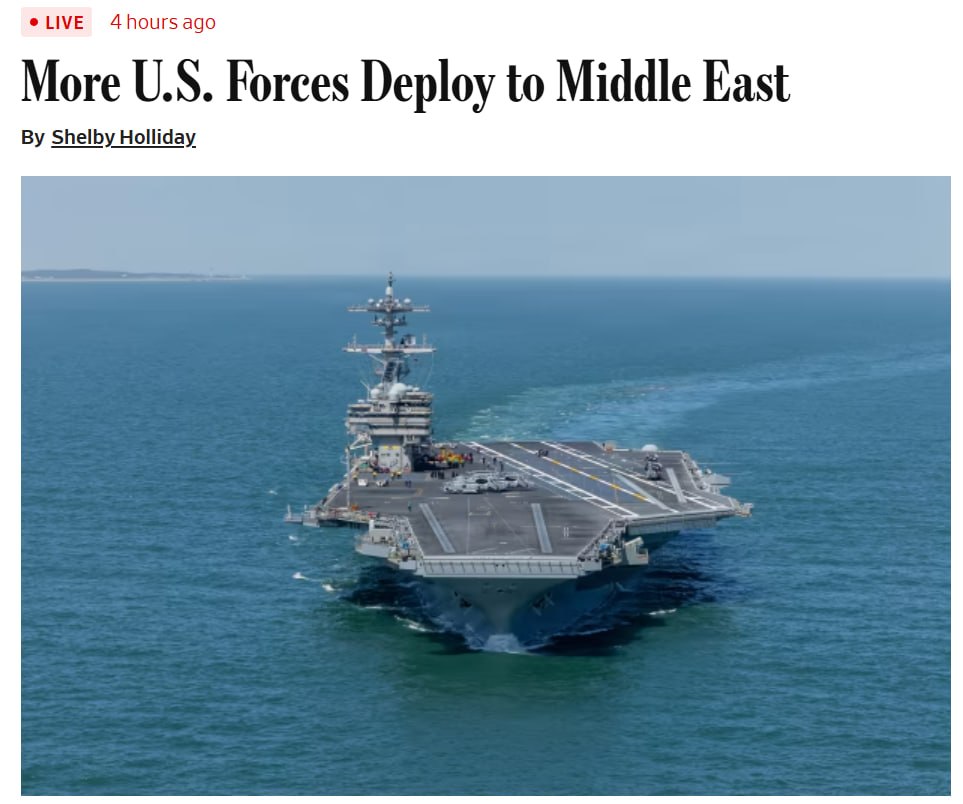
In parallel with the kinetic actions, the United States is augmenting its conventional presence in the region. The Wall Street Journal, as relayed by the Telegram channel CIG_telegram, reports that the 82nd Airborne Division is preparing to deploy 1,500–2,000 troops, additional fighter and attack aircraft are being positioned, and naval assets—including the USS George H.W. Bush carrier strike group and the amphibious assault ship USS Boxer—are moving into the Middle East.
“The U.S. is continuing to build up forces in the Middle East ahead of this weekend’s renewed talks with Iran…” – CIG_telegram, 01:01 UTC, source
Diplomatic Overtures and Regional Casualties
U.S. negotiators are scheduled to arrive in Pakistan on 12 April to discuss a ceasefire framework, as reported by Al Jazeera. The same live‑blog notes that the Lebanese Health Ministry has recorded 1,953 deaths and 6,303 injuries from Israeli attacks since 2 March, underscoring the humanitarian toll of the broader conflict.
“US negotiators due to arrive in Pakistan for ceasefire talks” – Al Jazeera, 00:00 UTC, source
Peripheral Diplomatic Signals
While not directly tied to the U.S.–Iran dynamic, Uganda’s chief of defence forces, Muhoozi Kainerugaba, publicly offered to deploy 100,000 troops to Israel to protect “the Holy Land.” The statement, posted on the Telegram channel rnintel, reflects the widening geopolitical reverberations of the conflict.
“I’m ready to deploy 100,000 Ugandan soldiers in Israel… to protect the Holy Land.” – Muhoozi Kainerugaba, rnintel, source
Collectively, these developments illustrate a rapid escalation on both kinetic and diplomatic fronts. The United States is simultaneously applying military pressure on Iranian targets, reinforcing its regional posture, and pursuing diplomatic channels to avert a broader war. Iran’s retaliatory strikes against U.S. assets in Qatar and the downing of high‑value drones signal a willingness to expand the conflict’s geographic scope. The forthcoming ceasefire talks in Pakistan will test whether diplomatic engagement can outpace the momentum of armed confrontation.