Two civilians were killed in a Russian strike on Odesa early Thursday morning, according to AFP via the rnintel channel (04:18:45 UTC). The attack, which targeted an unspecified urban area, marks the deadliest single‑day civilian loss reported in the current wave of Russian aerial operations.
Russian Geran‑2 drone campaign across eastern Ukraine
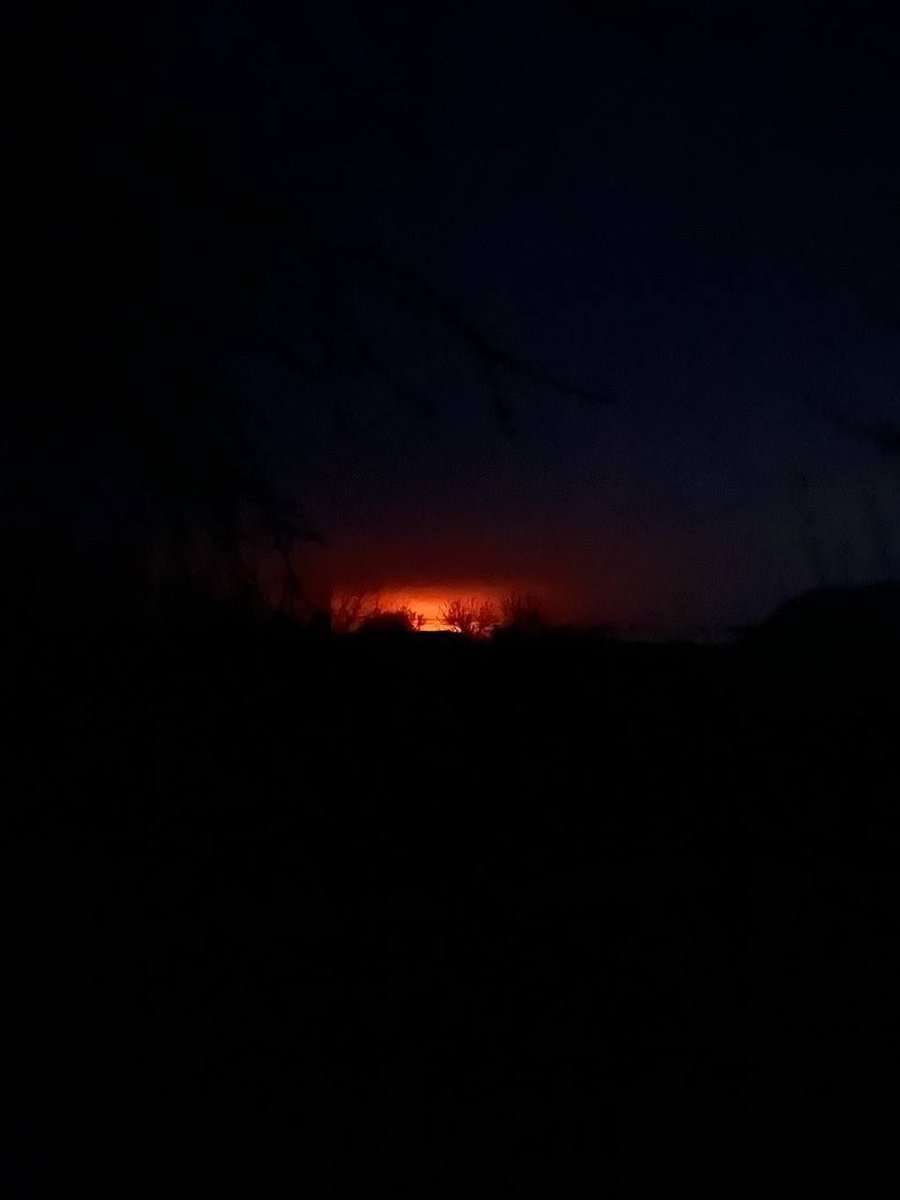
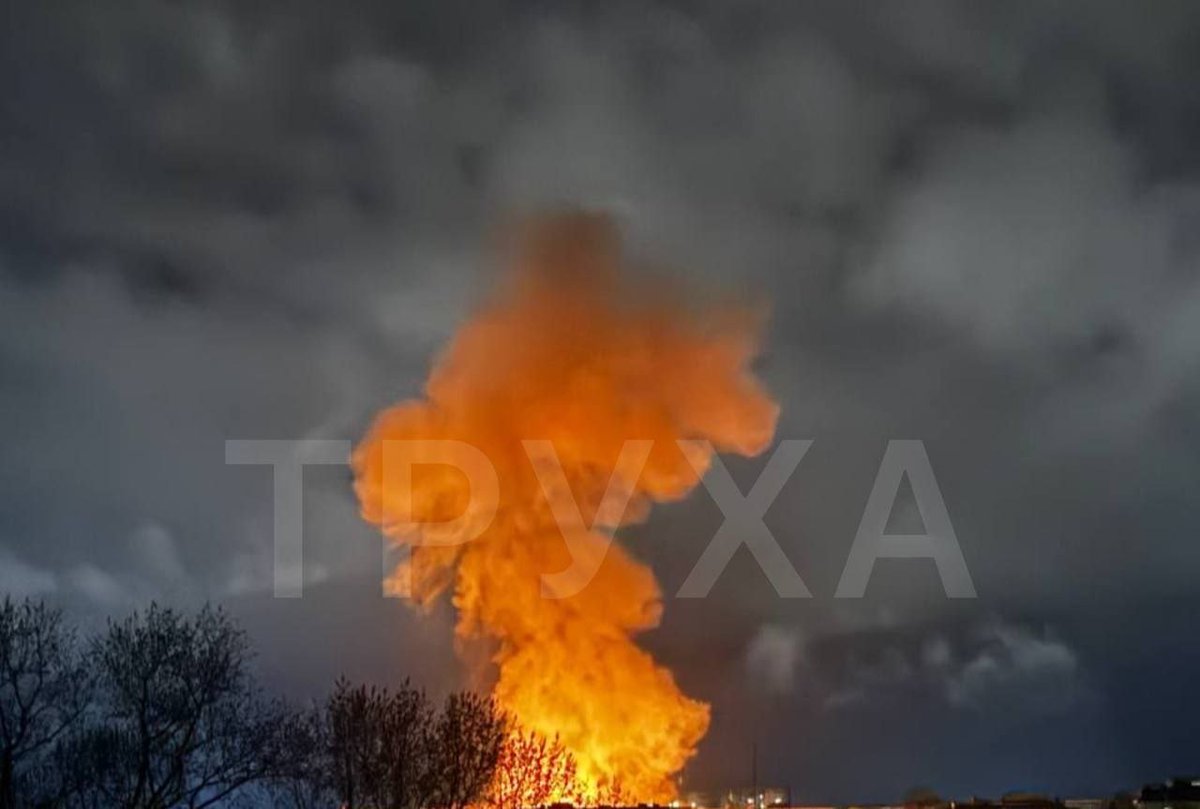
Within the same hour, the monitor_the_situation channel documented a coordinated deployment of Geran‑2 loitering munitions. At least 25 drones assaulted the Odeskabel Cable Plant in Odesa’s Peresypskyi district, igniting multiple large fires (04:22:55 UTC). Simultaneously, Geran‑2 drones struck near Vasyshcheve and Prykolotne in Kharkiv Oblast, producing a substantial blaze in Vasyshcheve (04:25:45 UTC). In Sumy City, Russian forces employed a “high‑altitude circling descent” tactic, releasing three drones that descended before engine cutoff to maximize impact (04:15:04 UTC). All three incidents were captured on video or photo by local observers.
Ukrainian air‑defence response
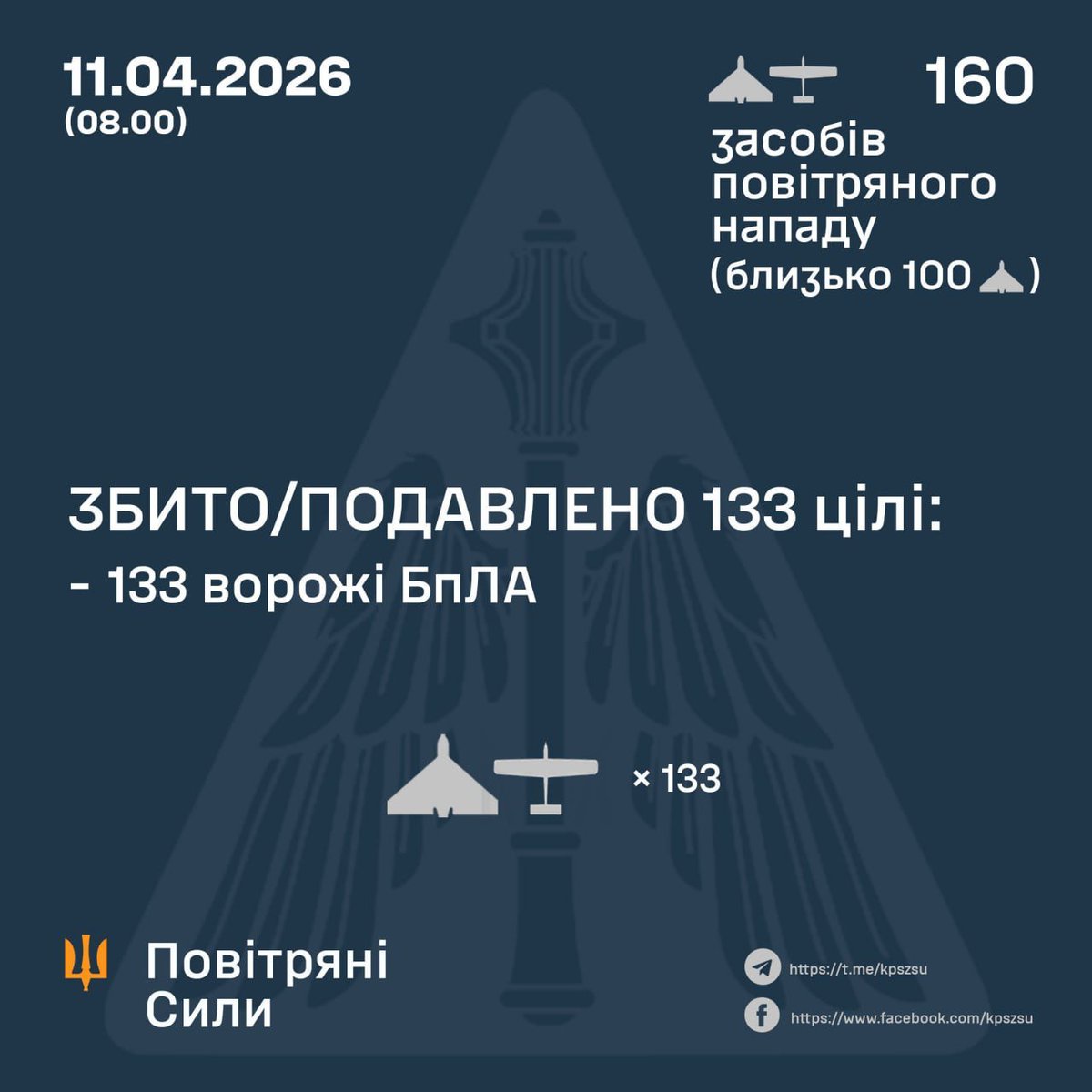
Ukrainian air‑defence units reported an extensive interception effort overnight. According to monitor_the_situation (05:38:10 UTC), 133 of 160 Russian drones were shot down, including roughly 100 Shahed UAVs launched from Russian territory and occupied regions. Impacts were recorded at ten locations, with debris scattered across eleven additional sites. The high interception rate demonstrates the continued effectiveness of integrated radar, surface‑to‑air missile systems, and mobile anti‑drone platforms.
Ukrainian counter‑drone strikes on Russian energy assets
In a reciprocal escalation, Ukrainian first‑person‑view (FPV) drones targeted Lukoil’s Grayfer and Korchagin oil fields in the Russian Caspian Sea (04:35:44 UTC). The strikes, conducted from more than 870 km beyond Ukraine’s borders, aimed at critical energy infrastructure and were verified by video released on the monitor_the_situation channel.
“The ability to project drone attacks deep into Russian territory underscores a shift toward long‑range, low‑cost precision strikes,” a senior analyst at AMK Mapping noted in the source feed.
Operational analysis
The concentration of Geran‑2 drones in Odesa, Kharkiv, and Sumy suggests a coordinated effort to overwhelm local air‑defence nodes and create multiple simultaneous fire‑breaks. The use of a circling descent in Sumy indicates ongoing tactical experimentation to evade detection by radar‑based systems that rely on predictable flight paths.
Ukrainian forces’ success in downing over 80 % of incoming UAVs reflects a layered defence architecture that integrates early‑warning radars, electronic warfare suites, and point‑defence missiles such as the Stinger and the modernized S‑300V4. However, the persistence of Shahed UAVs—often launched in swarms—continues to strain logistics and manpower, especially in regions where civilian infrastructure is already compromised.
The FPV attacks on Russian oil platforms demonstrate an expanding operational envelope for Ukrainian drones. By leveraging commercial‑off‑the‑shelf (COTS) components and satellite‑linked control stations, Ukrainian operators can reach targets far beyond the front line, complicating Russian risk assessments for offshore assets.
Casualties and material damage
The Odesa strike resulted in two civilian fatalities; no injuries were reported in the subsequent Geran‑2 attacks, though extensive property damage—including the destruction of cable plant facilities and residential structures—was documented. In Kharkiv Oblast, the fire in Vasyshcheve threatened a residential block but caused no reported casualties. The Sumy drone barrage caused minor structural damage to civilian buildings.
Implications for the conflict trajectory
Both sides are intensifying the use of unmanned systems to achieve strategic effects while limiting personnel exposure. Russia’s reliance on Geran‑2 drones—derived from Iranian Shahed designs—continues to provide a low‑cost, expendable strike capability, yet the high attrition rate reported by Ukrainian air‑defence suggests diminishing returns. Conversely, Ukraine’s expanding drone reach, exemplified by the Caspian Sea oil field attacks, signals a growing proficiency in long‑range, asymmetric targeting that could pressure Russian economic assets.
Monitoring agencies will continue to track UAV sortie volumes, interception ratios, and emerging tactics such as high‑altitude circling descents and coordinated multi‑site strikes, which together shape the evolving aerial dimension of the war.