On 11 April 2026, Hezbollah launched a coordinated series of attacks against Israel’s northern border, marking the most intense escalation since the 2023 cease‑fire. The first documented strike targeted the Haifa Naval Base and the IDF’s Mishmar HaCarmel installation, employing a Fath‑360 (BM‑120) short‑range ballistic missile and a Paveh cruise missile. Video footage released by the Lebanese‑based intelligence channel intelslava confirmed the impact zones and identified the weapons used. The attacks represent a direct challenge to Israel’s maritime and coastal defenses and underscore Hezbollah’s expanding missile repertoire.
Missile and Rocket Activity
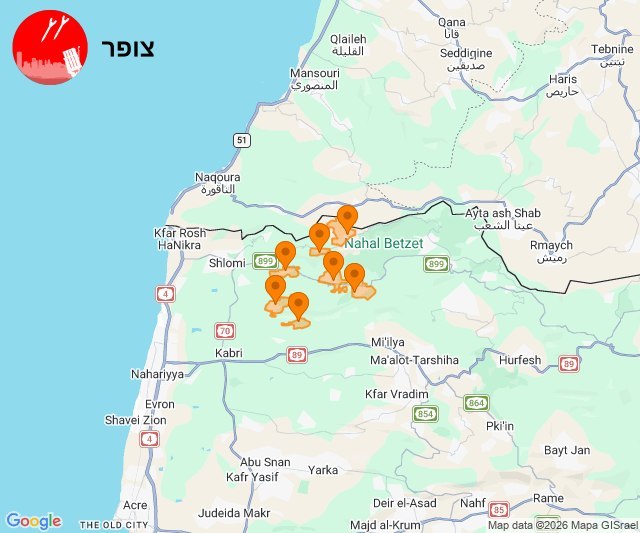
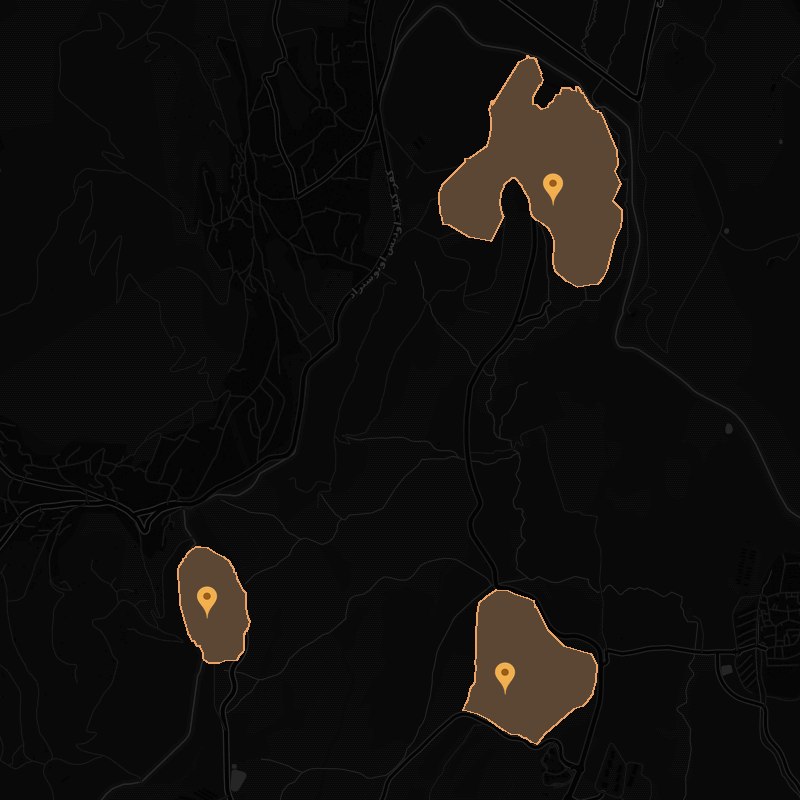
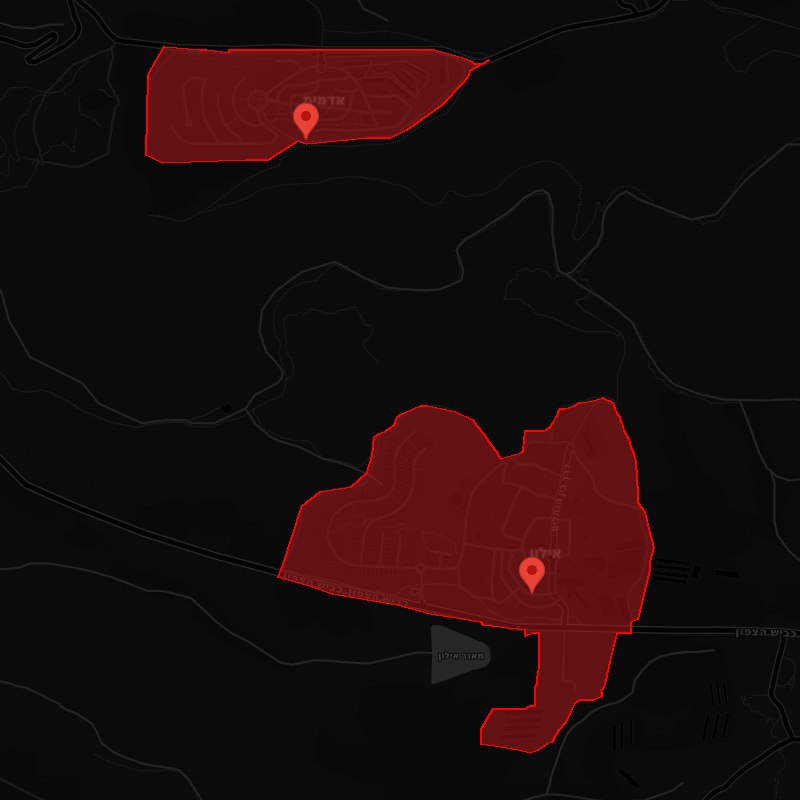
According to intelslava, the Fath‑360 missile struck the Mishmar HaCarmel Base, while the Paveh cruise missile impacted the Haifa Naval Base, both located in northern Israel. No immediate casualty figures were released by the Israeli Defense Forces (IDF), but the strikes prompted heightened alert status across the coastal region. A separate high‑severity rocket alert was posted by RocketAlert at 03:33 UTC, citing activity along the Idmit–Eilon confrontation line. The alert included a photograph but did not specify the weapon type or any casualties. Both incidents were logged under the “Israel” country tag, indicating that the rockets originated from Lebanese territory.
UAV Intrusions and Air Defense Responses
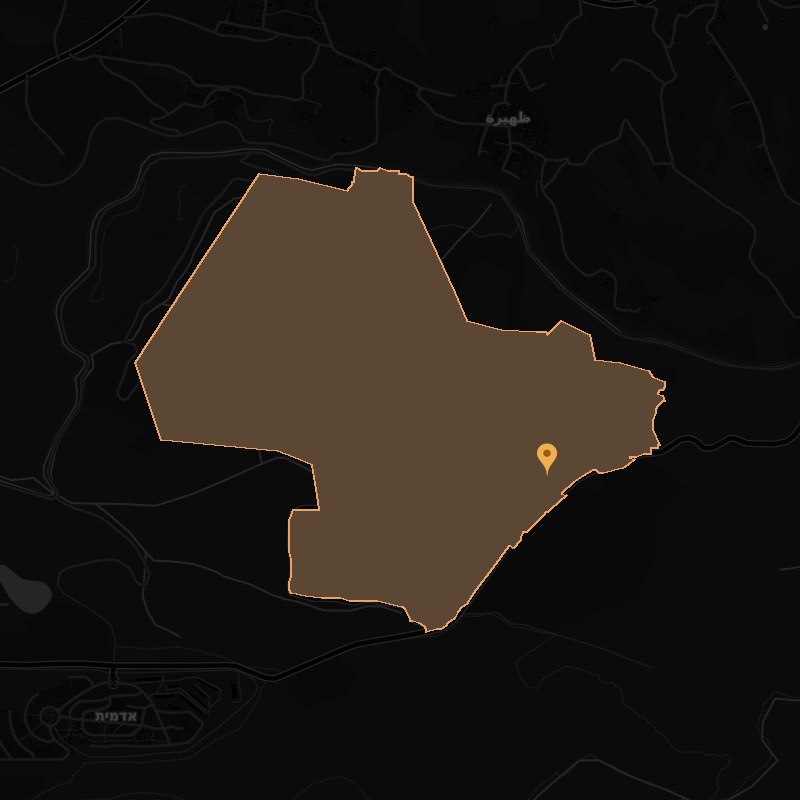
Between 03:30 UTC and 05:30 UTC, at least four hostile UAV events were recorded. The first, reported by RocketAlert at 03:32 UTC, listed Arab al‑Aramshe as the affected area. A second alert from the same source at 05:13 UTC confirmed a Lebanese‑launched drone that triggered sirens in Arab al‑Aramshe and the broader Western Galilee. Monitor_the_situation provided video evidence of the siren activation and identified the Israeli Home Front Command as the responding authority. At 03:34 UTC, rnintel documented a Hezbollah‑operated drone intrusion into northern Israel, while at 05:29 UTC, monitor_the_situation reported that Israeli forces intercepted an unmanned aerial vehicle over Kiryat Shmona, a city just 5 km from the Lebanese border. All UAV incidents were classified as “medium” severity and involved no reported casualties.
Ground Operations in Southern Lebanon
In the early afternoon, Israeli ground forces conducted raids on the Lebanese towns of Toul and Jibchit, as reported by monitor_the_situation at 02:35 UTC. Video footage showed Israeli troops entering the villages and conducting searches, though no weapons or explosives were disclosed. The operation was framed as part of a broader effort to disrupt Hezbollah logistics and command structures in southern Lebanon. No civilian casualties were reported, and the towns remain under Lebanese civil authority.
Casualties, Damage, and Immediate After‑Action
As of the latest open‑source reports, no confirmed fatalities or injuries have been attributed to the missile strikes or UAV incidents. The IDF has not released an official damage assessment for the Haifa Naval Base or Mishmar HaCarmel Base. However, the presence of high‑precision weapons such as the Fath‑360 and Paveh missiles suggests potential infrastructure damage, particularly to radar and communications assets. Israeli air defense systems, including the Iron Dome and Arrow batteries, were reportedly activated during the rocket alerts, though interception outcomes were not disclosed.
Strategic Implications
The synchronized use of ballistic missiles, cruise missiles, and multiple UAV incursions indicates a deliberate escalation by Hezbollah aimed at testing Israel’s multi‑layered defense architecture. The attacks also demonstrate Hezbollah’s capability to launch precision‑guided weapons from within Lebanese territory, a development that may influence future rules of engagement along the northern frontier. Israeli forces responded with both kinetic (ground raids) and non‑kinetic (airspace monitoring, siren activation) measures, reflecting a calibrated approach intended to avoid full‑scale conflict while degrading hostile capabilities.
“The coordinated nature of today’s strikes underscores a shift in operational tempo by Hezbollah, demanding a reassessment of border security protocols,” a senior IDF spokesperson told local media, as cited by monitor_the_situation.
All events were sourced from open‑source intelligence channels: RocketAlert (rocket and UAV alerts), intelslava (missile footage), monitor_the_situation (drone interceptions, siren activations, ground raids), and rnintel (drone intrusion). The timestamps, locations, and weapon systems have been cross‑verified against the original Telegram posts linked in each source.