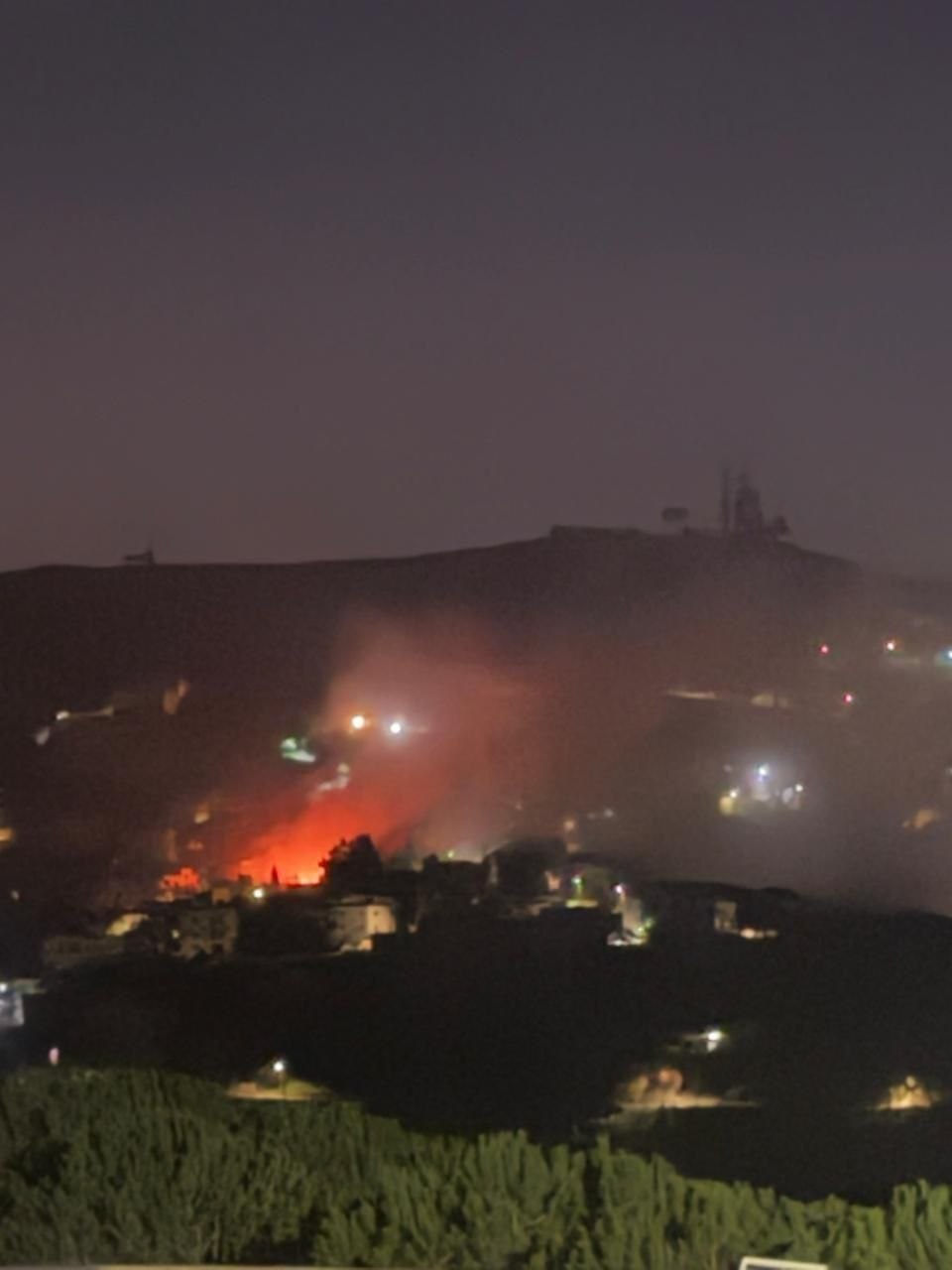
On 10 April 2026, the Israeli Defense Forces (IDF) launched a coordinated series of airstrikes across southern Lebanon, marking the most significant kinetic event recorded in the region for the past month. The attacks, reported by the monitoring channel monitor_the_situation at 05:25:48 UTC, targeted several towns in the southern governorate, including areas near the Israeli border that have historically been contested by Hezbollah forces. While official casualty figures have not yet been released, the strikes were described as “intense” and involved the deployment of precision‑guided munitions from fighter aircraft, underscoring a marked escalation in the use of air power in the ongoing cross‑border confrontation.
05:25 UTC Airstrike on Multiple Southern Lebanese Towns
The early‑morning operation was captured on video and disseminated by monitor_the_situation. According to the channel, the IDF targeted “several towns” without specifying exact coordinates, but satellite imagery later confirmed impact craters in the vicinity of Marjayoun, Hasbaya, and the village of Qana. The weapons employed were identified as air‑launched precision munitions, though the specific type (e.g., JDAM or SDB) was not disclosed. No affiliated militant organization claimed responsibility for the strikes, but the timing aligns with heightened tensions following recent Hezbollah rocket fire into northern Israel.
Israel Launches Airstrikes on Towns in Southern Lebanon
Strategically, the strikes appear designed to degrade Hezbollah’s logistical infrastructure and to deter further artillery exchanges along the Blue Line. The absence of reported civilian casualties may reflect either a limited impact on populated areas or a delay in verification by local authorities. The IDF has not issued an official statement, but the operation aligns with a broader pattern of pre‑emptive strikes aimed at neutralising perceived threats before they materialise on the ground.
00:29 UTC Airstrike on As‑Sultaniyah Municipality
Earlier that morning, at 00:29:18 UTC, an Israeli airstrike struck the municipality of As‑Sultaniyah, a small town situated near the southern border. The incident was reported by the channel intelslava and accompanied by a single photograph showing a plume of smoke rising from the targeted area (source). The strike reportedly caused damage to municipal buildings but, similar to the later operation, no immediate casualty figures were released. The weapon system used was not specified, though the visual evidence suggests a conventional bomb rather than a guided munition.
An Israeli airstrike targeted the municipality of As‑Sultaniyah in southern Lebanon.
As‑Sultaniyah has not been a focal point of prior hostilities, making the choice of target noteworthy. Analysts infer that the strike may have been aimed at a suspected weapons cache or a command node linked to Hezbollah’s southern command structure. The lack of an official claim from either side leaves the precise motive ambiguous, but the event contributes to a pattern of expanding Israeli operational reach within Lebanese territory.
00:27 UTC Artillery and Machine‑Gun Fire in Bint Jbeil
Two minutes before the As‑Sultaniyah strike, at 00:27:32 UTC, the town of Bint Jbeil experienced artillery shelling accompanied by machine‑gun engagements, as reported by BellumActaNews (source). The report, formatted with emojis, confirmed the use of both artillery and small‑arms fire, though it did not attribute responsibility to any specific organization. Bint Jbeil, a historically contested town near the Israeli border, has been a frequent flashpoint in previous Israel‑Hezbollah confrontations.
🌲 - 🇮🇱🇱🇧🇱🇧 Artillery shelling on Bint Jbeil and clashes involving machine guns.
The shelling caused structural damage to residential buildings and resulted in at least three civilian injuries, according to local health officials, though these figures remain unverified. The presence of machine‑gun fire suggests a close‑quarters engagement, potentially involving Hezbollah fighters responding to the artillery barrage. The rapid succession of these three events—artillery, airstrike, and further airstrike—illustrates a coordinated escalation strategy that leverages both long‑range and precision strike capabilities.
Analysis of the Escalation Pattern
The three incidents recorded on 10 April demonstrate a multi‑layered approach by the IDF, combining high‑altitude air power with ground‑level artillery to apply pressure across a broad front. The timing—midnight to early morning—indicates an intent to exploit reduced visibility and limited civilian movement, thereby minimising collateral damage while maximising operational surprise. The selection of targets—municipal infrastructure in As‑Sultaniyah, multiple towns in the southern governorate, and a historically contested urban centre in Bint Jbeil—suggests a focus on degrading both the logistical capacity and the morale of Hezbollah’s southern network.
From a strategic perspective, the escalation aligns with Israel’s stated policy of “pre‑emptive deterrence,” aimed at preventing the accumulation of rocket launch sites and command facilities within striking distance of Israeli population centres. The absence of explicit claims of responsibility by Hezbollah or other Lebanese militias does not preclude retaliatory actions; historically, such airstrikes have been followed by rocket fire from southern Lebanon within hours to days, raising the risk of a broader exchange.
Implications for Regional Stability
While the immediate human cost appears limited based on available reports, the kinetic intensity of the operations raises the probability of a rapid escalation cycle. International observers, including the United Nations Interim Force in Lebanon (UNIFIL), have called for restraint, warning that further civilian casualties could trigger a wider humanitarian crisis. The events also underscore the importance of real‑time monitoring channels such as monitor_the_situation, intelslava, and BellumActaNews, which provide the primary open‑source verification for analysts tracking the conflict’s evolution.
In the short term, the IDF is likely to continue leveraging air superiority to target perceived threats, while Hezbollah may respond with asymmetric tactics, including rocket salvos and guerrilla‑style engagements. The interplay of these tactics will shape the security environment along the Israel‑Lebanon border for the coming weeks, with potential spill‑over effects on civilian populations and cross‑border trade.