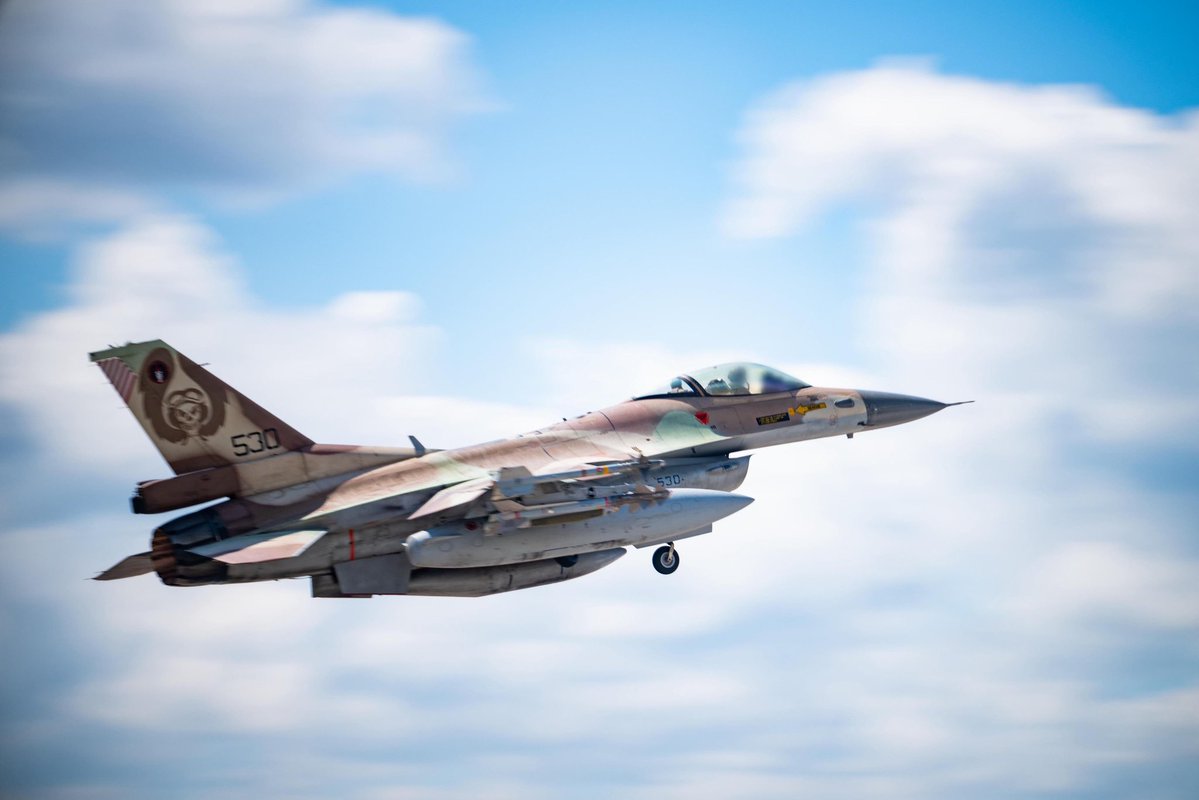
On 10 April 2026, the Israeli Defense Forces (IDF) conducted a series of coordinated air operations across southern Lebanon that represent the most extensive kinetic campaign of the year. According to a video posted by the monitoring channel monitor_the_situation, Israeli airstrikes destroyed more than 200 Hezbollah rocket launchers—including 1,300 launch tubes—and eliminated over 250 Hezbollah operatives, among them 15 senior commanders. The operation, reported at 10:07:26, underscores a strategic shift toward degrading Hezbollah’s long‑range strike capability while simultaneously expanding the geographic scope of attacks.
Scale of the April 10 Air Campaign
The 10:07:26 strike was part of a broader pattern of high‑severity attacks that day. Within hours, Israeli warplanes hit the town of al‑Majadel, the city of Nabatieh, and the village of Sohmor, each resulting in civilian casualties. A separate airstrike on a car‑wash centre in southern Lebanon at 13:20:44 killed six civilians, as documented by the same monitoring channel. The cumulative effect of these operations is a marked escalation in both kinetic intensity and geographic dispersion, extending from the traditional southern front into the western Bekaa Valley.
Civilian Casualties and Infrastructure Damage
While the primary objective of the 10:07:26 raid was the neutralisation of Hezbollah’s rocket arsenal, collateral damage to civilian life was significant. The Sohmor strike at 14:58:54 resulted in two deaths, and the car‑wash centre attack at 13:20:44 caused six fatalities. In addition, an airstrike at 11:20:53 hit ambulances and fire‑trucks, raising concerns about the targeting of humanitarian assets (monitor_the_situation). Residential areas in the south were also struck, destroying homes and contributing to a UN‑reported food‑security crisis (Al Jazeera).
Hezbollah’s Use of Civilian Infrastructure
"The IDF views with severity the Hezbollah terrorist organization’s cynical use of civilian infrastructure for military activity," the Israeli military said after destroying a rocket launcher fired from inside a school (JPost).
This statement follows video evidence that a Hezbollah rocket launcher was launched from a school compound, prompting an IDF strike that eliminated the weapon system. The incident illustrates the blurred lines between combatants and civilians that have become a hallmark of the conflict.
Drone Warfare and Ground Engagements
Hezbollah responded with its own kinetic tactics, deploying first‑person‑view (FPV) drones against Israeli forces. At 16:11:53, a Hezbollah‑operated FPV drone struck an Israeli Merkava Mk.4 tank in southern Lebanon (monitor_the_situation). Earlier, at 14:41:27, an exploding drone injured an Israeli reservist and lightly wounded another soldier (idkunim_il). Hezbollah also announced planned drone attacks on an IDF HMMWV in Taybeh and a Merkava tank southeast of Khiam, indicating a sustained aerial threat (GeoPWatch; GeoPWatch).
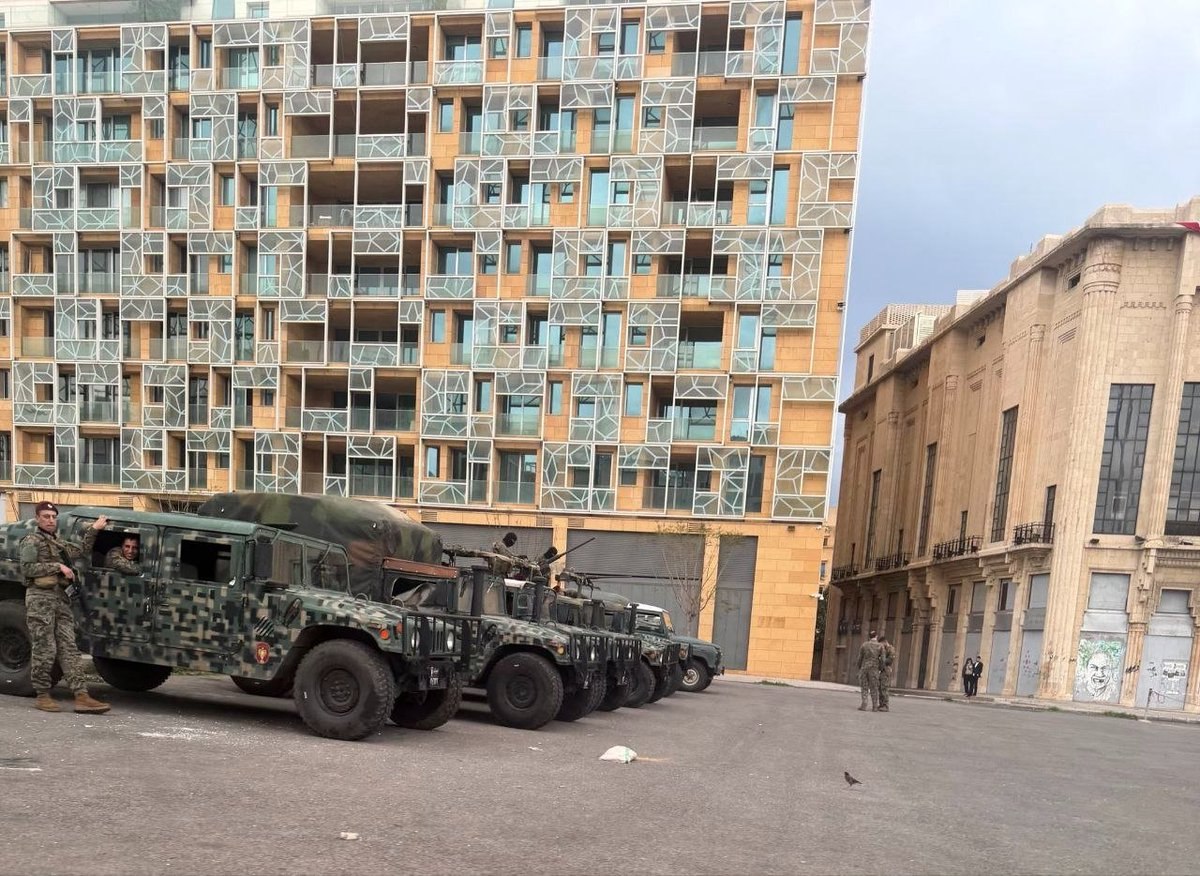
Ground movements were limited but notable. Two Israeli soldiers were wounded in cross‑border clashes at 15:11:08 (monitor_the_situation), and the Lebanese Army deployed commando units and snipers throughout Beirut near the government palace on 14:07:16, reflecting heightened internal security measures (monitor_the_situation).
Hezbollah Training Facility Capture
In a separate operation, the IDF’s Golani Brigade seized a Hezbollah training academy, uncovering a cache of Iranian‑supplied weapons, including Fajr‑107 rockets, PG‑7VR and PG‑7‑VL‑AT‑1 munitions, anti‑personnel mines, and a variety of small arms fitted with M‑302 grenade launchers (GeoPWatch). The capture provides tangible evidence of Iran’s logistical support to Hezbollah and expands the intelligence picture of the militia’s operational capacity.
Artillery and Ongoing Shelling
Artillery exchanges continued throughout the day. Israeli forces resumed shelling the town of Bint Jbeil at 15:16:22, targeting Hezbollah positions (monitor_the_situation). The sustained use of indirect fire adds another layer of kinetic pressure on both combatants and civilians in contested zones.
Humanitarian Implications
The cumulative impact of these kinetic events is a deteriorating humanitarian environment. The UN has warned that Lebanon faces a rapidly developing food‑security crisis, exacerbated by displacement and the destruction of agricultural infrastructure (Al Jazeera). Damage to ambulances, fire‑trucks, and residential neighborhoods further strains emergency response capabilities.
Conclusion
April 10, 2026, marks a pivotal escalation in the Israel‑Hezbollah confrontation, characterised by high‑precision airstrikes aimed at crippling Hezbollah’s rocket arsenal, simultaneous attacks on civilian infrastructure, and an emerging drone warfare dimension. The breadth of targets—from military launch sites to schools and civilian service vehicles—highlights the increasingly complex operational environment. Continued monitoring of casualty figures, weapon transfers, and humanitarian conditions will be essential for assessing the trajectory of the conflict.