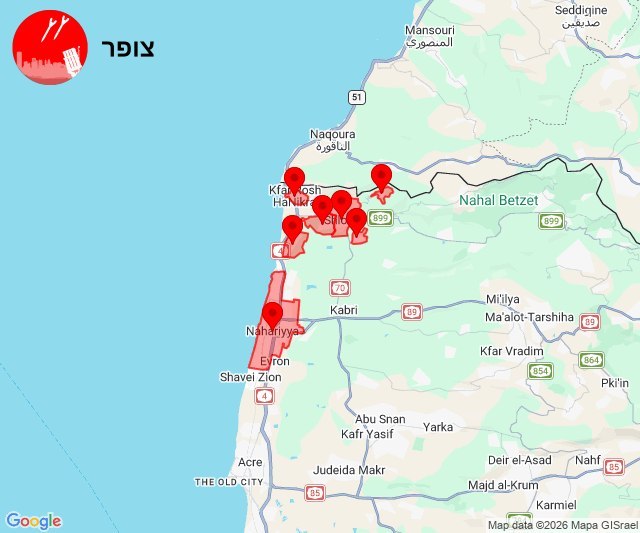
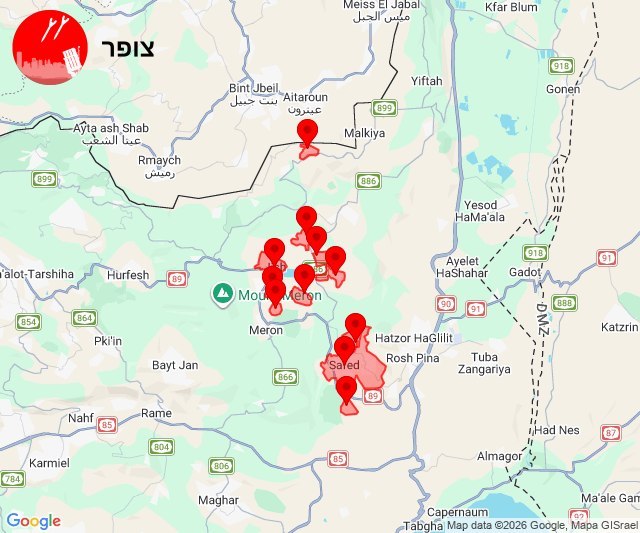
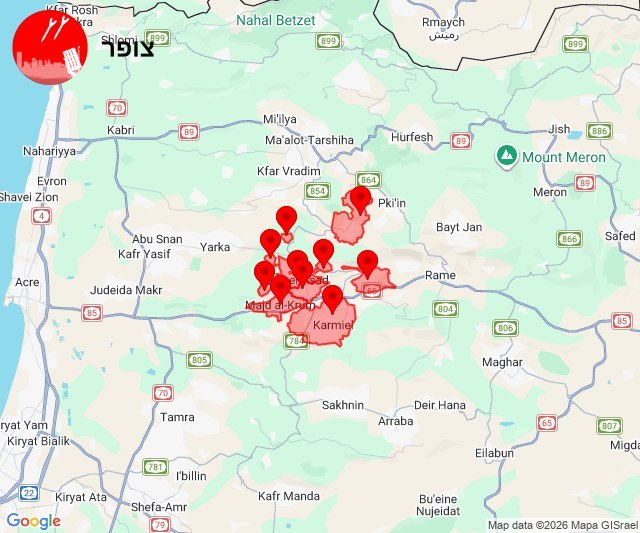
On April 10, 2026, Hezbollah launched a missile attack on Israel's Ashdod naval base, marking the most strategically significant kinetic event of the day and underscoring a sharp escalation in cross‑border hostilities. The strike, reported by monitor_the_situation at 13:06:41, involved missiles fired from Lebanon toward the naval installation, which is a critical component of Israel's maritime defense infrastructure. No casualties were reported, but the attack demonstrates Hezbollah's expanding operational reach beyond the northern front.
Chronology of Kinetic Events
Following the Ashdod incident, a series of rocket impacts and alerts were recorded across northern Israel. The timeline, compiled from verified Telegram channels, is as follows:
- 17:20:14 – Kiryat Shmona: A rocket impact was reported without triggering civil defense alarms. Source: rnintel.
- 14:25:37 – Safed: Hezbollah fired a rocket that struck a parking lot, causing no injuries. Video evidence was shared. Source: monitor_the_situation.
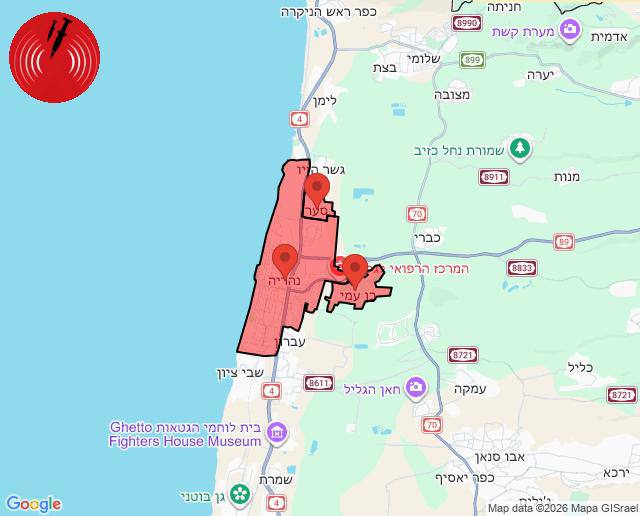
- 14:05:24 – Nahariya: Shrapnel fell in the city and surrounding areas; forces were reported moving into the zone. Source: idkunim_il.
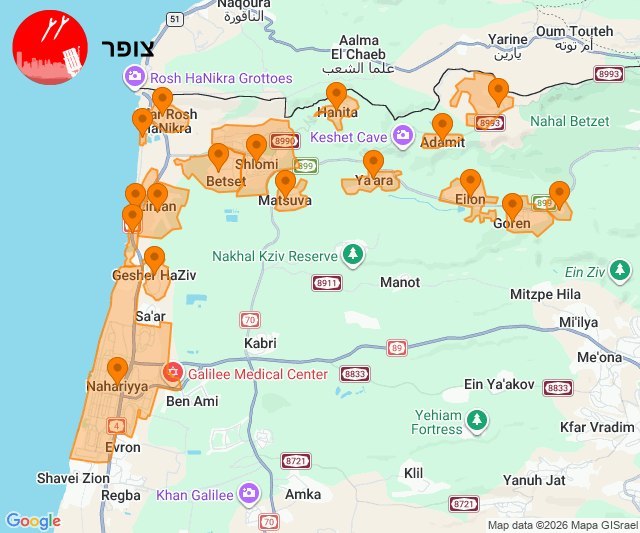
- 13:56:00 – Northern Israel: Rocket alerts issued by Hezbollah. Photo released. Source: rnintel.
- 13:44:52 – Safed: Video of a rocket impact circulated; no casualty details provided. Source: rnintel.
- 13:06:29 – Safed: Additional rockets launched from Lebanon toward Safed and its environs. Source: idkunim_il.
- 13:05:36 – Northern Israel: Further rocket alerts from Hezbollah, accompanied by a photo. Source: rnintel.
- 12:43:39 – Northern Israel: Four civilians lightly injured by Hezbollah rockets. Source: idkunim_il.
- 12:37:27 – Glilot Base (Tel Aviv District): Hezbollah released video showing Nasr‑1/2 missiles striking the Glilot base, headquarters of Unit 8200. Source: intelslava.
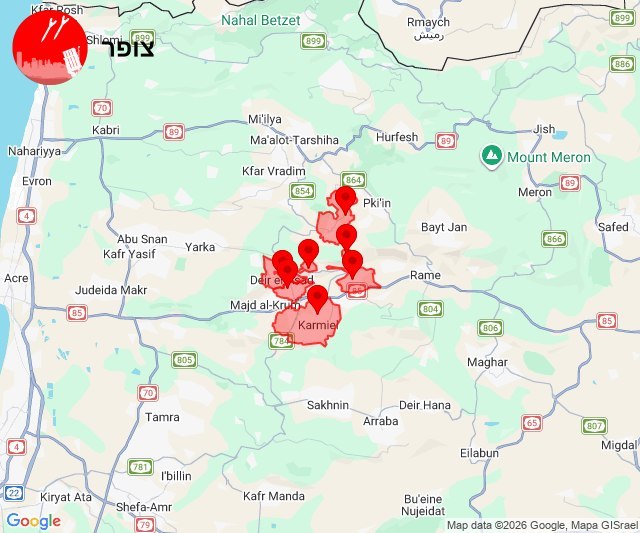
- 12:10:44 – Deir al‑Asad: Rocket barrage hit the village; impact confirmed. Source: intelslava.
- 11:51:35 – Karmiel: Rockets launched from Lebanon toward the city. Source: idkunim_il.
- 11:50:48 – Israel Security Road: Drones and missiles fired at northern positions. Video evidence posted. Source: monitor_the_situation.
- 11:50:16 – Northern Israel: Additional rocket alerts from Hezbollah. Photo released. Source: rnintel.
- 07:45:00 – Metula and Kiryat Shmona: Rockets damaged power lines, causing outages. Source: rnintel.
- 07:34:20 – Northern Israel: Further rockets launched by Hezbollah. Photo released. Source: rnintel.
- 06:16:45 – Northern Israel: Rocket alerts issued. Photo released. Source: rnintel.
Key Medium‑Severity Incidents
Additional events of medium severity contributed to the day's overall tension:
- 17:14:50 – Northern Israel: Hezbollah fired rockets toward the region. Photo evidence. Source: rnintel.
- 16:21:14 – Safed: Over 30 rockets were launched; one directly hit a parking lot. The IDF confirmed a direct impact rather than shrapnel damage. Source: JPost.
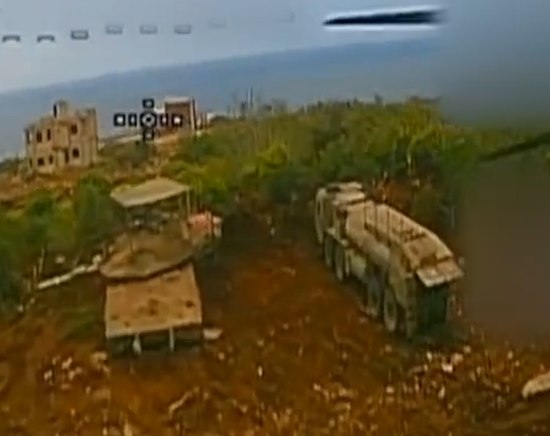
- 16:12:01 – Northern Israel: A Hezbollah drone attempted to strike an Israeli tank, missing and passing near a fuel tanker. Photo posted. Source: monitor_the_situation.
- 15:52:56 – Northern Israel: Rocket launches continued; photo released. Source: rnintel.
- 15:52:52 – Carmiel: Sirens sounded after rockets fired from Lebanon. Source: idkunim_il.
- 15:02:58 – Northern Israel: Combined rocket and drone alerts reported. Photo released. Source: rnintel.
- 10:47:00 – Southern Israel: IDF troops deployed across the Southern Command area in line with a ceasefire agreement, aiming to neutralize immediate threats. Source: monitor_the_situation.
- 10:34:59 – Tefen Base: Hezbollah released video of two Nasr missiles striking the IDF Tefen Base 1455. Source: intelslava.
Analytical Assessment
The concentration of kinetic events on April 10 reflects a coordinated escalation by Hezbollah across multiple fronts. The missile strike on the Ashdod naval base represents a notable shift in target selection, moving from traditional northern civilian and military sites to a strategic maritime installation. While the attack did not result in casualties, the symbolic impact is significant: it signals Hezbollah's capability to project force deep into Israeli territory, potentially complicating Israel's maritime security calculus.
Simultaneously, the high frequency of rocket impacts and alerts in northern towns such as Safed, Kiryat Shmona, Metula, and Nahariya indicates sustained pressure on Israel's northern defense perimeter. The incidents varied in severity, ranging from harmless impacts to injuries (four lightly wounded in the 12:43:39 event). The use of diverse weapon systems—including rockets, surface‑to‑surface missiles (Nasr‑1/2), and unmanned aerial vehicles—demonstrates a broadened tactical repertoire.
From an operational perspective, the repeated issuance of rocket alerts by Hezbollah, often accompanied by visual evidence (photos or videos), serves both a practical warning function and a propaganda purpose. The dissemination of footage showing strikes on the Glilot base (Unit 8200 headquarters) and the Tefen Base underscores an intent to showcase capability against high‑value intelligence and command assets.
Israel's response, as reflected in the limited public reporting of casualties and the continued deployment of IDF forces in the south, suggests a calibrated approach aimed at avoiding further escalation while maintaining deterrence. The IDF's confirmation that the Safed parking‑lot impact was a direct hit, rather than shrapnel damage, indicates close monitoring and verification of each incident.
Overall, the day's events illustrate a pattern of sustained kinetic pressure from Hezbollah, combined with strategic targeting of critical infrastructure. The escalation coincides with diplomatic activity, notably upcoming Israel‑Lebanon talks in Washington, raising the risk that kinetic incidents could be leveraged as bargaining chips or as signals of bargaining power.
Source Attribution
All event details are derived from open‑source Telegram channels, including rnintel, monitor_the_situation, idkunim_il, intelslava, and the Jerusalem Post. URLs are provided inline for verification.