At 04:56 GMT on 9 April 2026, Israeli airstrikes hit the town of Harouf in southern Lebanon, marking the most significant military action reported today. The strike was part of a broader Israeli campaign against Hezbollah positions across the south, as confirmed by the monitoring channel monitor_the_situation (source). Video footage released by the same channel shows the impact on Harouf, though casualty figures have not been disclosed.
Airstrike Surge in Southern Lebanon
Following the Harouf attack, Israeli forces conducted additional raids targeting Hezbollah infrastructure in the southern Lebanese countryside. The operation, reported at 05:46 GMT, involved coordinated air and ground elements and was documented in a video posted by monitor_the_situation (source). While the exact weapons employed were not specified, the pattern of repeated strikes suggests a sustained effort to degrade Hezbollah’s command‑and‑control capabilities.
Hezbollah Rocket Barrages Across the Border
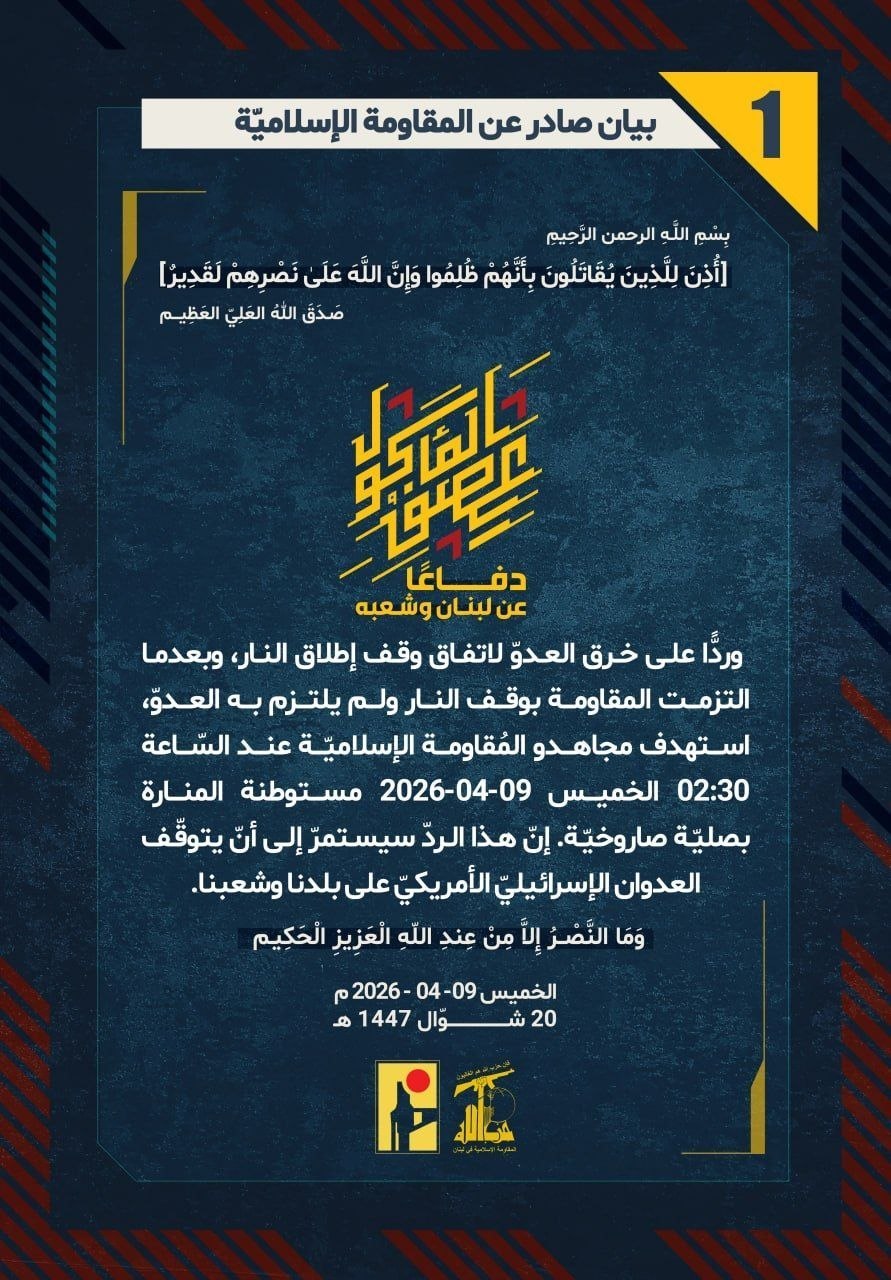
In response to the Israeli air campaign, Hezbollah launched multiple rocket attacks aimed at Israeli territory. The first documented barrage struck the Israeli village of Manara in the north at 00:57 GMT, as reported by GeoPWatch (source). Hezbollah’s statement emphasized that the rockets were a direct retaliation for “large‑scale bombardment across Lebanon” and warned that attacks would continue until Israeli violations cease.
Later, at 01:44 GMT, a second barrage was confirmed in Manara, this time reported by the intelligence outlet rnintel (source). The group claimed the rockets represented the first Hezbollah attack on Israel since a cease‑fire was announced the previous night, underscoring the rapid escalation following the Israeli strikes.
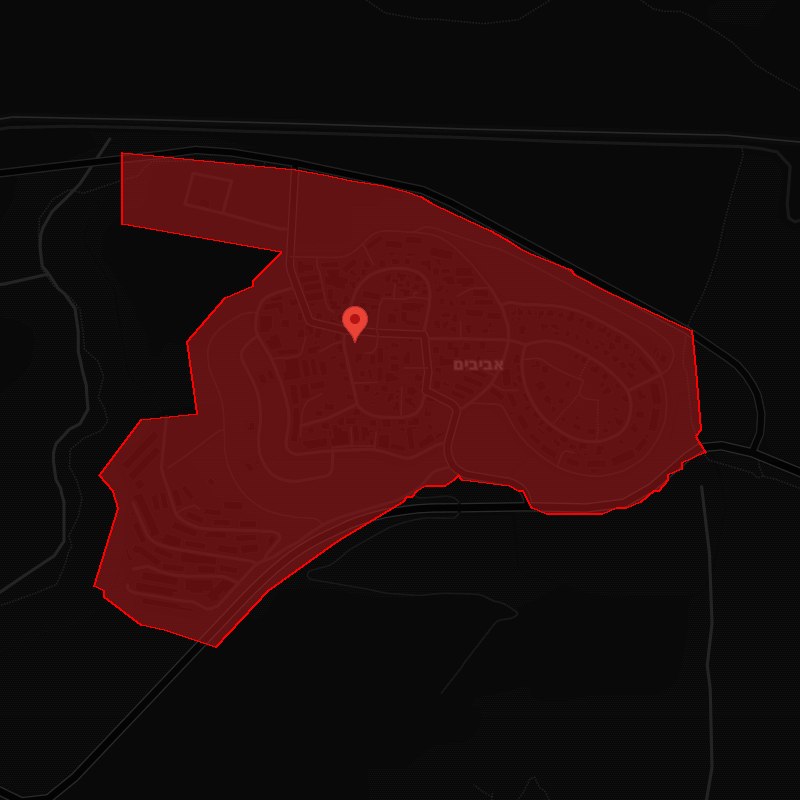
On the Israeli side, a rocket alert was issued for the town of Avivim at 03:39 GMT, recorded by the civilian alert service RocketAlert (source). A photograph accompanying the alert shows the warning screen displayed to residents, confirming that rockets reached Israeli territory from the north.
UN Diplomatic Warning on Regional Stability
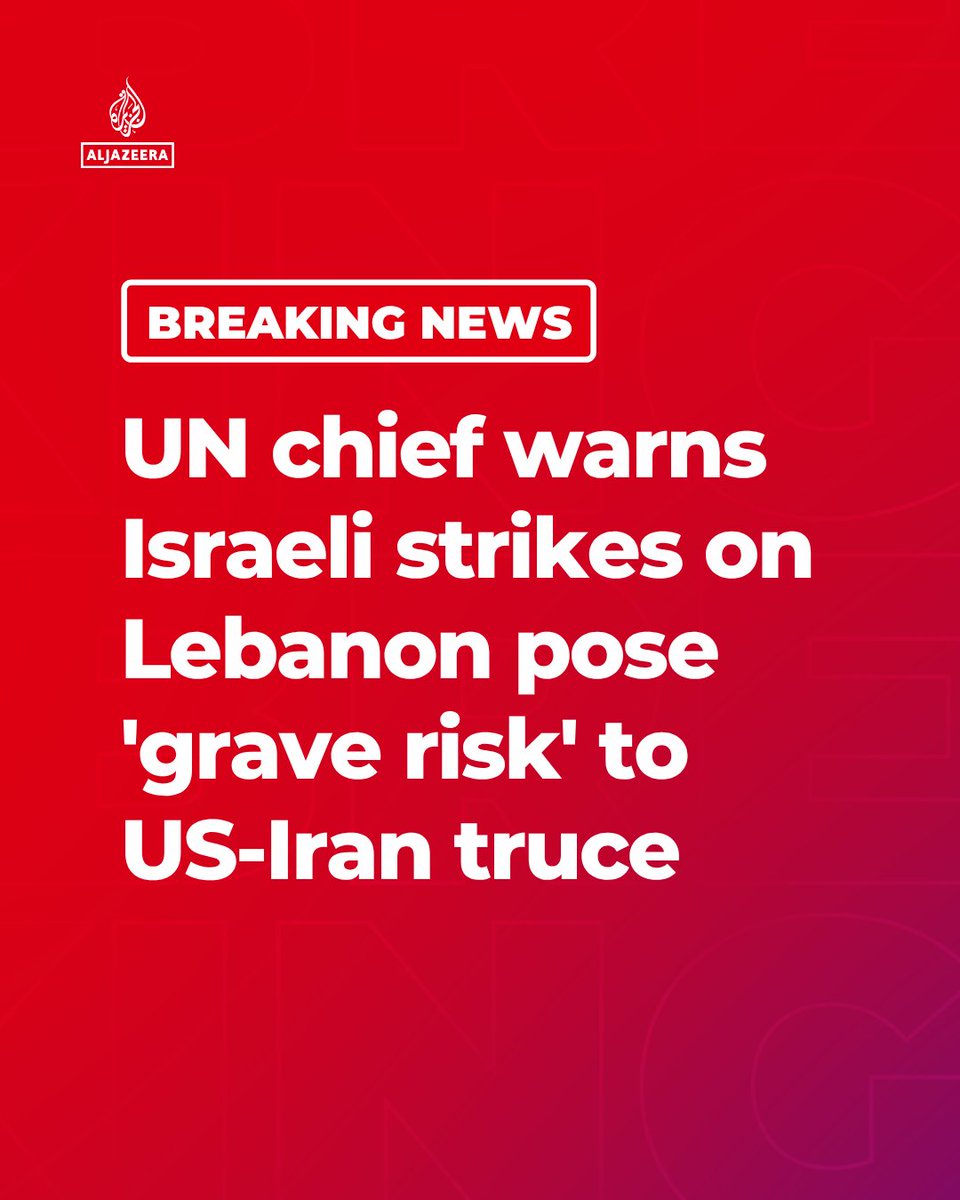
"Ongoing Israeli airstrikes on Beirut threaten the fragile US‑Iran cease‑fire agreement," UN Secretary‑General warned on 9 April 2026.
The United Nations’ chief delivered the warning at 03:32 GMT, citing the risk that continued Israeli operations in Lebanon could destabilize the broader US‑Iran truce that has held since early 2025. The statement, posted by monitor_the_situation (source), highlighted the potential for a wider regional escalation if hostilities persist.
Beirut Bombardment and International Reactions
Separate from the southern campaign, a video captured by a 13‑year‑old on Snapchat documented an Israeli bombing of Beirut at approximately 03:27 GMT. The footage, reported by Al Jazeera (source), shows explosions in the capital’s southern districts, though no official casualty numbers have been released.
Later that morning, the United Nations human‑rights chief, Volker Türk, described Israel’s raids on Lebanon as “horrific,” noting that they occurred shortly after a cease‑fire was declared. The comment, part of an Al Jazeera live‑blog entry (source), linked the attacks to broader geopolitical tensions involving the United States, Iran, and regional actors.
Operational Overview and Immediate Impact
The coordinated air and ground actions in southern Lebanon, combined with Hezbollah’s rocket retaliation, illustrate a rapid escalation cycle. Israeli forces have targeted at least two distinct locations—Harouf and broader southern Lebanese positions—while Hezbollah has responded with at least two rocket barrages aimed at Manara. The UN’s diplomatic warning underscores the perception that these exchanges risk undermining the US‑Iran cease‑fire, a cornerstone of current regional stability.
All reported incidents occurred within a six‑hour window, indicating a high tempo of operations. No independent verification of civilian casualties has been published, and both sides have refrained from providing detailed damage assessments. The lack of confirmed casualty data limits the ability to gauge the humanitarian impact, but the presence of video and photographic evidence confirms that both air and rocket attacks have reached populated areas.
Outlook
Given the UN’s explicit caution and the reciprocal nature of the attacks, the situation remains volatile. Continued Israeli air activity in southern Lebanon is likely to provoke further Hezbollah rocket fire, while any expansion of strikes into Beirut could draw additional international condemnation. Monitoring agencies will need to track both kinetic actions and diplomatic statements to assess whether the current escalation stabilizes, de‑escalates, or expands into a broader conflict.