On 9 April 2026, Israeli air operations over Lebanon resulted in more than 250 fatalities, according to Al Jazeera, marking the deadliest single‑day strike since the U.S.–Iran ceasefire was declared earlier this year. The attacks, described by critics as a deliberate effort to destabilise the fragile truce, have reignited concerns about the durability of diplomatic arrangements in the Levant.
Scale of the April 9 Airstrikes
The first critical report, timestamped 14:52:54 UTC, notes that Israeli Defense Forces (IDF) conducted a barrage of airstrikes across undisclosed locations in Lebanon, killing over 250 people. The source, Al Jazeera, states that the strikes were intended to “undermine the ceasefire” and were carried out despite the ongoing U.S.–Iran agreement (Al Jazeera).
"Critics say Israeli airstrikes on Lebanon have killed over 250 people, undermining the ceasefire." – Al Jazeera, 9 April 2026
A second Al Jazeera video feed, recorded at 12:54:54 UTC, corroborates the magnitude of the operation, describing it as a “wave of strikes” that killed “hundreds” despite the ceasefire (Al Jazeera Video).
Claims and Counterclaims
Israeli officials have framed the strikes as targeted actions against Hezbollah infrastructure. The IDF announced the elimination of over 200 Hezbollah fighters during an operation dubbed “Eternal Darkness,” as reported by rnintel (rnintel). The same source quoted the Israeli defence minister warning Iran against further aggression, emphasizing that “the Hezbollah terrorist organization is desperate for a ceasefire.”
Hezbollah, however, has not publicly confirmed the losses, and the organization’s spokesperson has called the Israeli narrative “propaganda” aimed at justifying civilian casualties. Independent verification of combatant casualties remains limited due to restricted access to the affected zones.
Hezbollah Leadership Targeted
In a related development, the IDF claimed the assassination of Hezbollah Secretary‑General Naim Qassem and his nephew Ali Yusuf Harshi during the same operation (GeoPWatch). The announcement highlighted the precision of the strike, suggesting the use of guided munitions, although the specific weapon systems were not disclosed.
U.S. Intervention and Diplomatic Responses
According to a Telegram post from OSINTdefender, former U.S. President Donald Trump personally requested Israeli Prime Minister Benjamin Netanyahu to halt the strikes, a request that Netanyahu reportedly accepted. Despite this, the IDF continued operations, citing that the ceasefire does not apply to actions against Hezbollah (OSINTdefender).
The continuation of hostilities has strained the U.S.–Iran ceasefire framework, prompting diplomatic notes from Washington urging restraint while reaffirming support for Israel’s right to self‑defence against terrorist groups.
Regional Alerts and Secondary Incidents
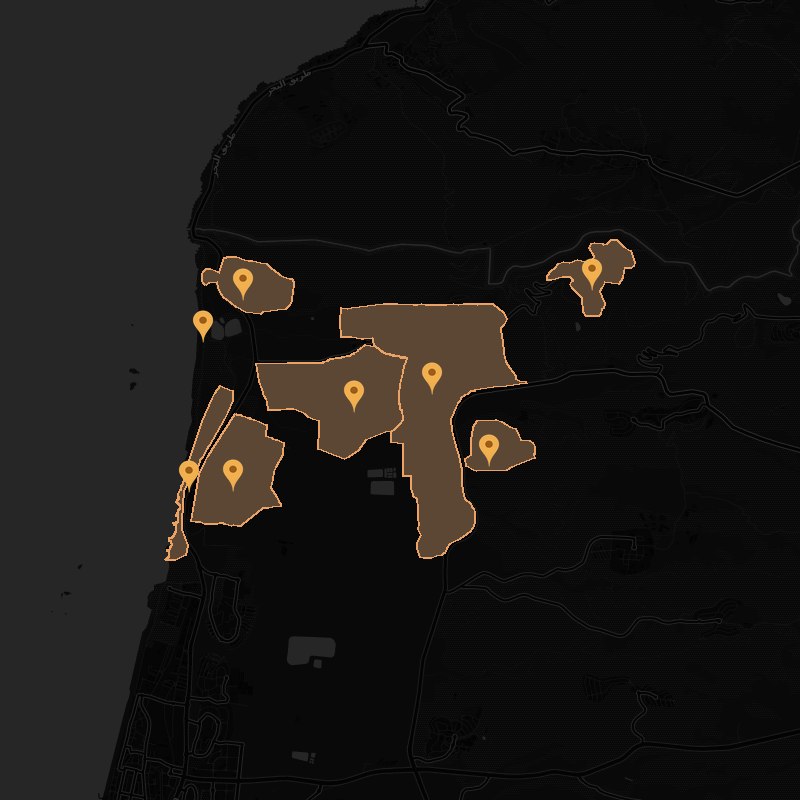
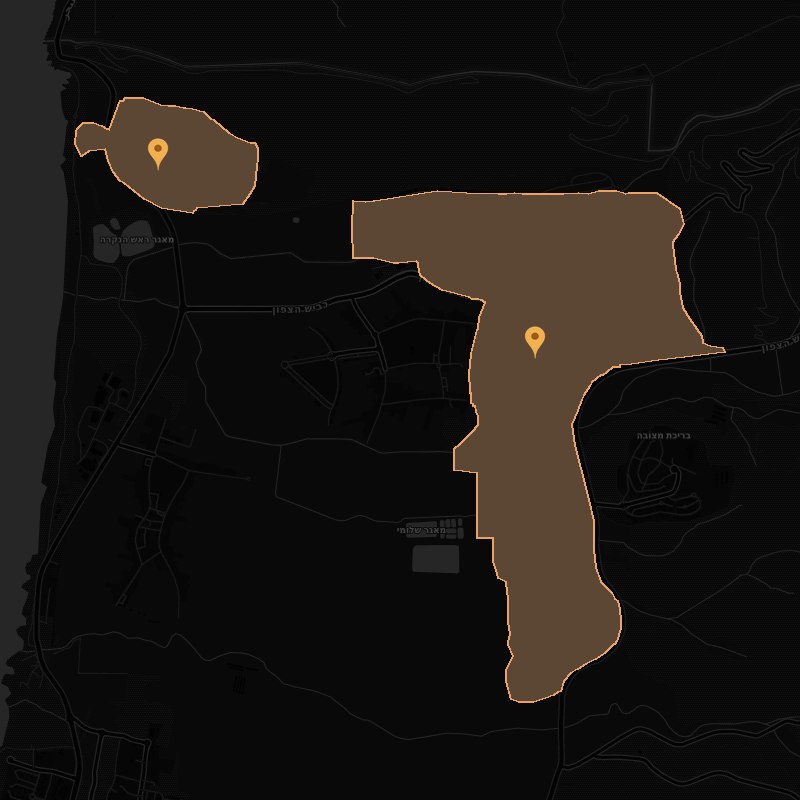
Concurrent with the air campaign, multiple rocket and hostile UAV alerts were issued across northern Israel, as documented by RocketAlert. Alerts at 13:10:19, 16:40:04, and 16:39:19 UTC listed confrontation lines encompassing towns such as Mi’ilya, Shomera, and Rosh HaNikra. While no casualties were reported from these alerts, the frequency underscores the heightened state of alert on both sides of the border.
In a separate incident, Iranian drones targeted Bahrain, with seven drones launched; six were intercepted and one struck its intended target (GeoPWatch). This marks a notable escalation of Iranian kinetic activity beyond the Lebanese theatre.
Naval and UAV Activity in Wider Region
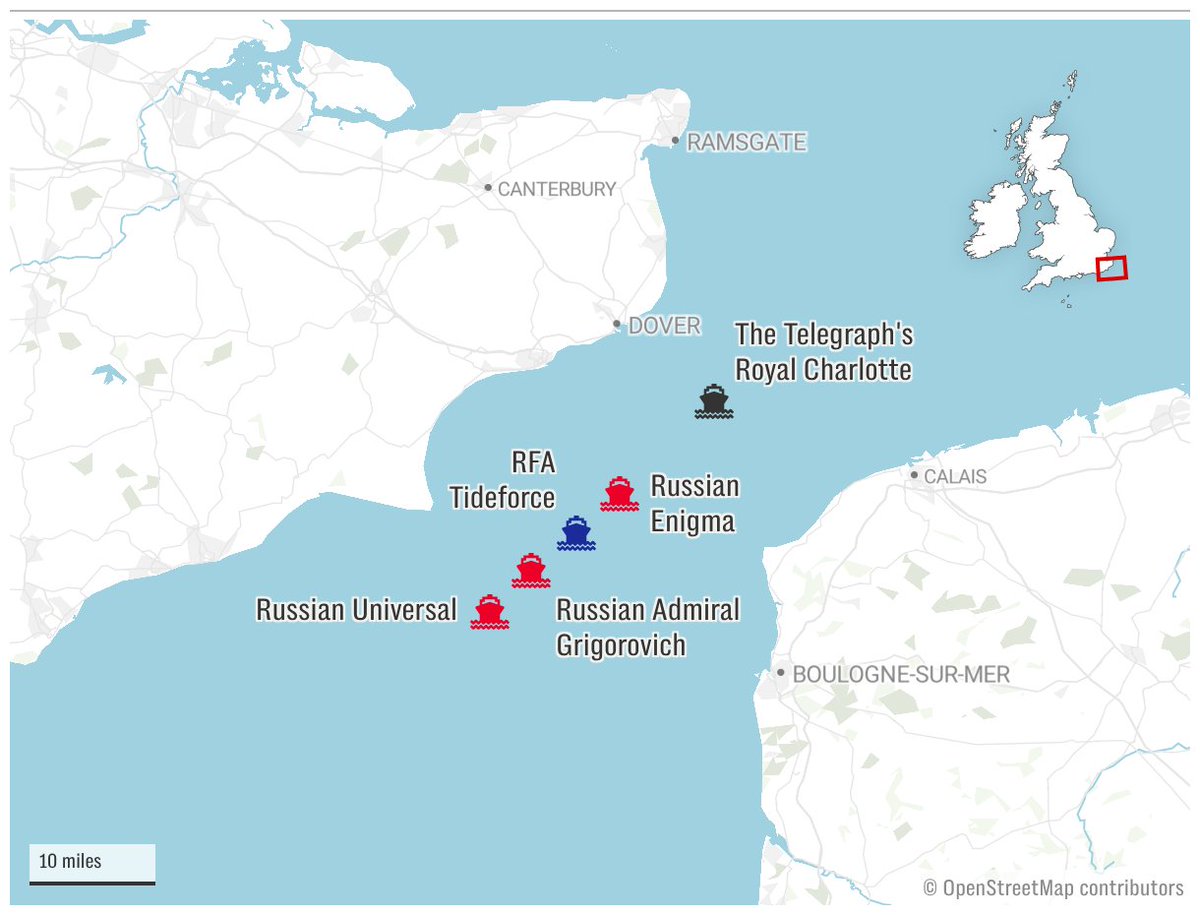
Beyond the Levant, the United Kingdom deployed warships to the North Sea to counter a potential Russian submarine threat to underwater infrastructure (monitor_the_situation). Simultaneously, a Russian frigate escorted sanctioned oil tankers through the English Channel, directly challenging UK interception plans (monitor_the_situation), indicating a broader pattern of kinetic posturing across multiple fronts.
Implications
The April 9 airstrikes represent the most lethal single‑day Israeli operation in Lebanon since the 2023 conflict, raising several immediate concerns:
- Civilian Casualties: Over 250 deaths, likely including non‑combatants, threaten humanitarian conditions and could trigger displacement.
- Ceasefire Viability: The attacks directly contravene the spirit of the U.S.–Iran ceasefire, risking its collapse and a wider regional escalation.
- Hezbollah Resilience: Despite reported leadership losses, Hezbollah’s capacity to launch rockets and UAVs remains evident, suggesting a protracted low‑intensity conflict.
Continued monitoring of airstrike patterns, casualty verification, and diplomatic communications will be essential to assess whether the current escalation stabilises or spirals into broader conflict.