On 9 April 2026 Israeli air power delivered the deadliest single strike of the year in Lebanon, flattening a religious complex in Sidon and killing eight civilians. The attack, reported by the monitoring channel monitor_the_situation, was part of a broader escalation that saw a cascade of kinetic events—including additional airstrikes, naval missile launches, ground engagements, and targeted assassinations—across the country.
Sidon Religious Complex Airstrike
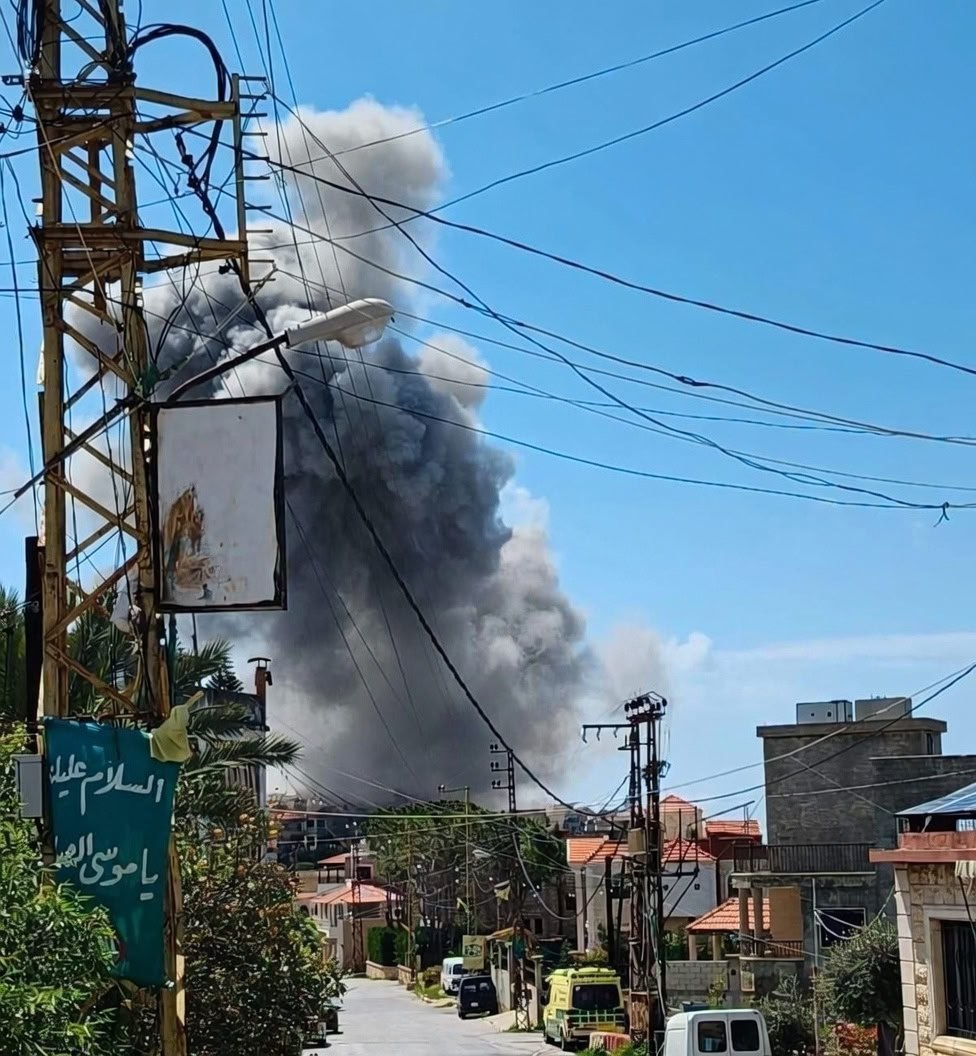
At 17:46 local time an Israeli aircraft bombed a multi‑purpose religious site in the southern city of Sidon, destroying the complex and adjacent residential structures. The strike resulted in eight fatalities, according to the channel’s post (source monitor_the_situation/9400).
"Israeli airstrikes targeted a religious complex in the southern Lebanese city of Sidon, flattening the site and nearby homes amid broader escalation in southern Lebanon despite the fragile Iran ceasefire. At least eight people were killed in the attack."
Series of Airstrikes Across Southern Lebanon
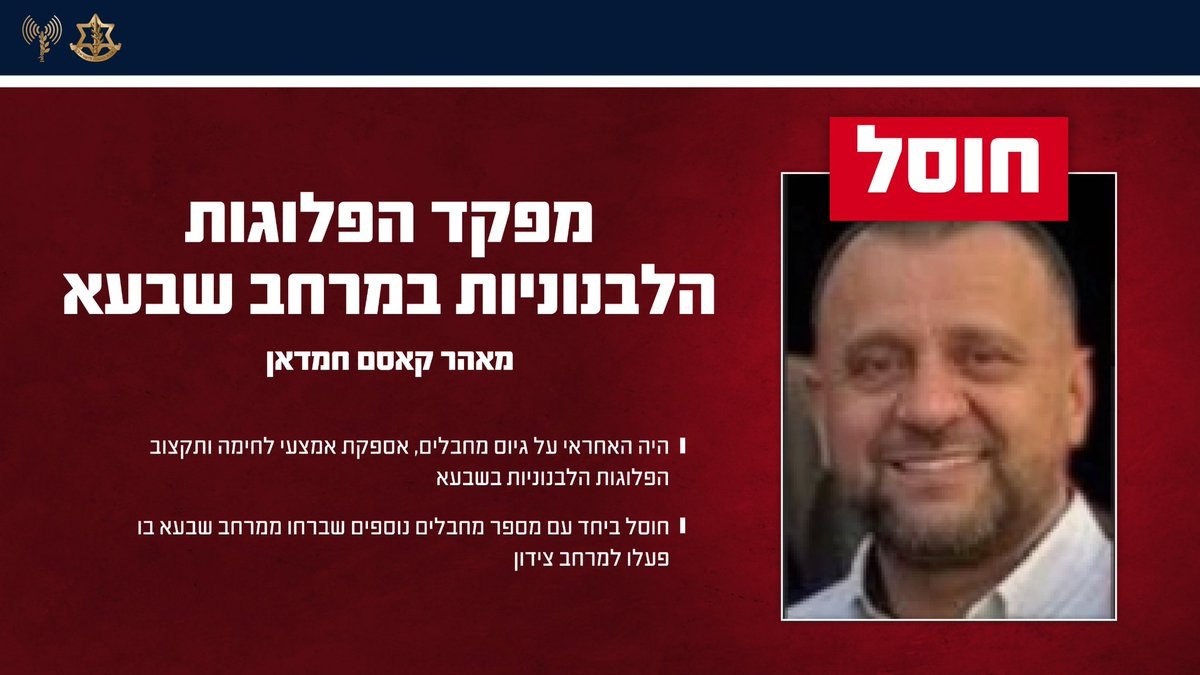
Earlier in the day, Israeli aircraft hit the town of Meifdoun in the Nabatieh District (14:31, monitor_the_situation/9362). The same channel documented strikes that killed four Lebanese soldiers in southern Lebanon (11:46) and another four near Beirut (09:32), bringing the total military casualties to eight soldiers on 9 April. A separate air operation in the Shebaa‑Sidon area at 11:41 killed Lebanese Brigades commander Maher Kasem Hamedan and eight militants, as reported by the same source (monitor_the_situation/9324).
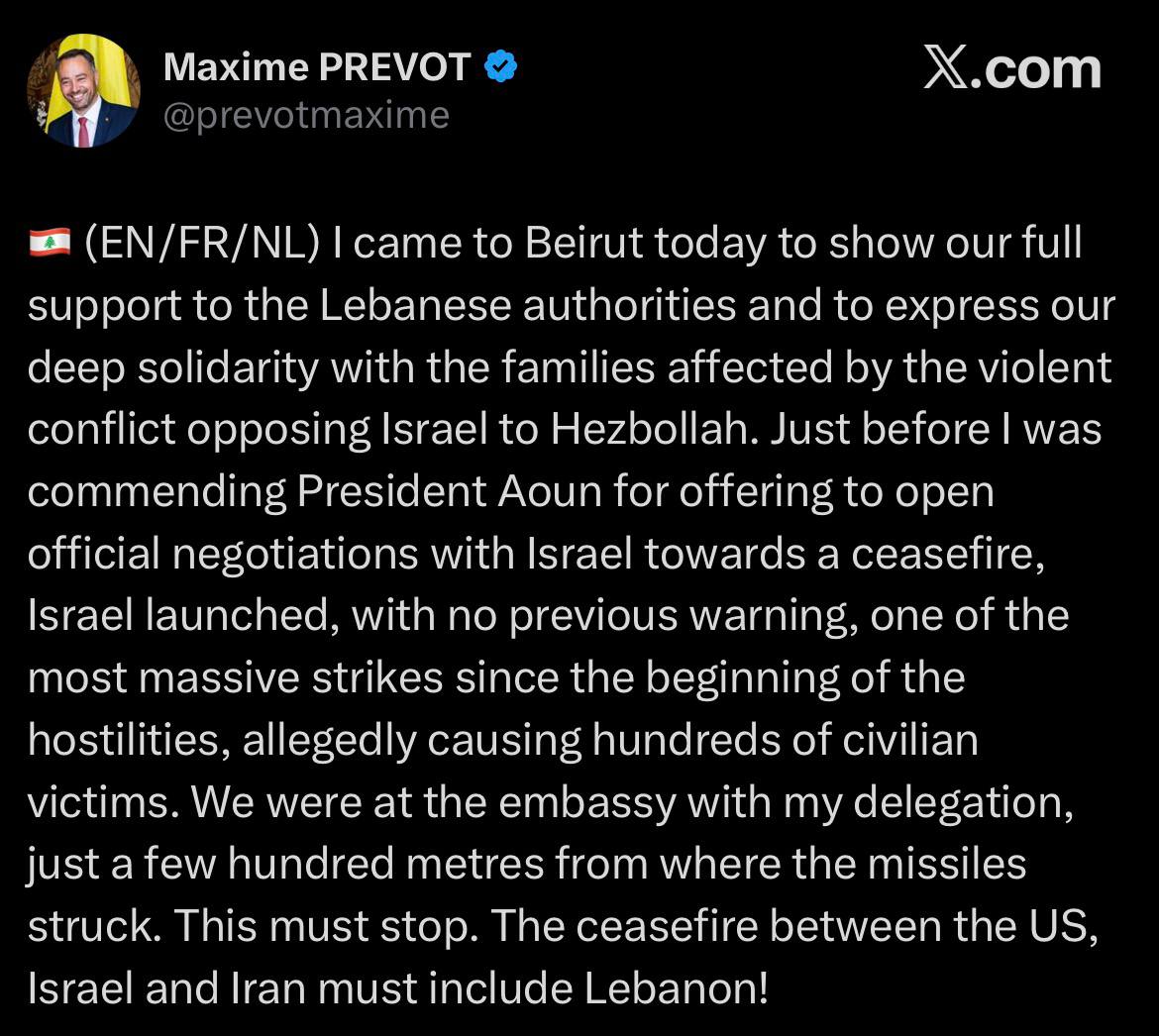
In the capital, Israeli aircraft struck areas adjacent to the Belgian Embassy on 8 April while the Belgian foreign minister was present; the incident was recorded by BellumActaNews (BellumActaNews/170748). Additional strikes targeted towns in eastern Lebanon at 07:05, expanding the geographic scope of the campaign (monitor_the_situation/9274).
Naval Missile Engagement off the Coast
Hezbollah released video footage showing an Iranian‑made Ghadir/Noor (C‑802) anti‑ship cruise missile striking an Israeli Navy warship off the Lebanese coast at 13:23 (intelslava/86350). Israeli media initially misidentified the target as the British destroyer HMS Dragon (D35), which was in the Mediterranean for a technical issue. A separate video released by GeoPWatch confirmed the missile launch on 5 April, with the IDF denying any Israeli vessel was hit (GeoPWatch/30964). The incident underscores the expanding maritime dimension of the conflict.
Hezbollah Resumes Ground Operations
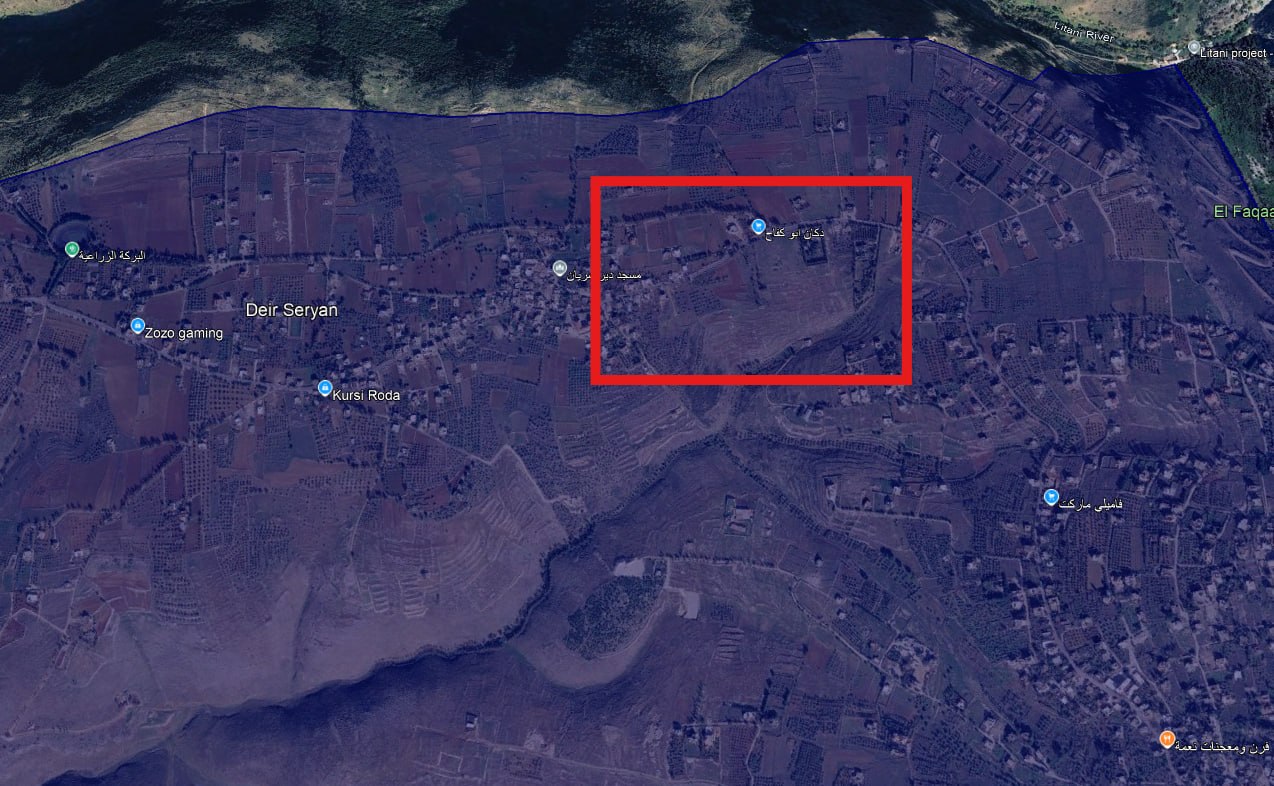
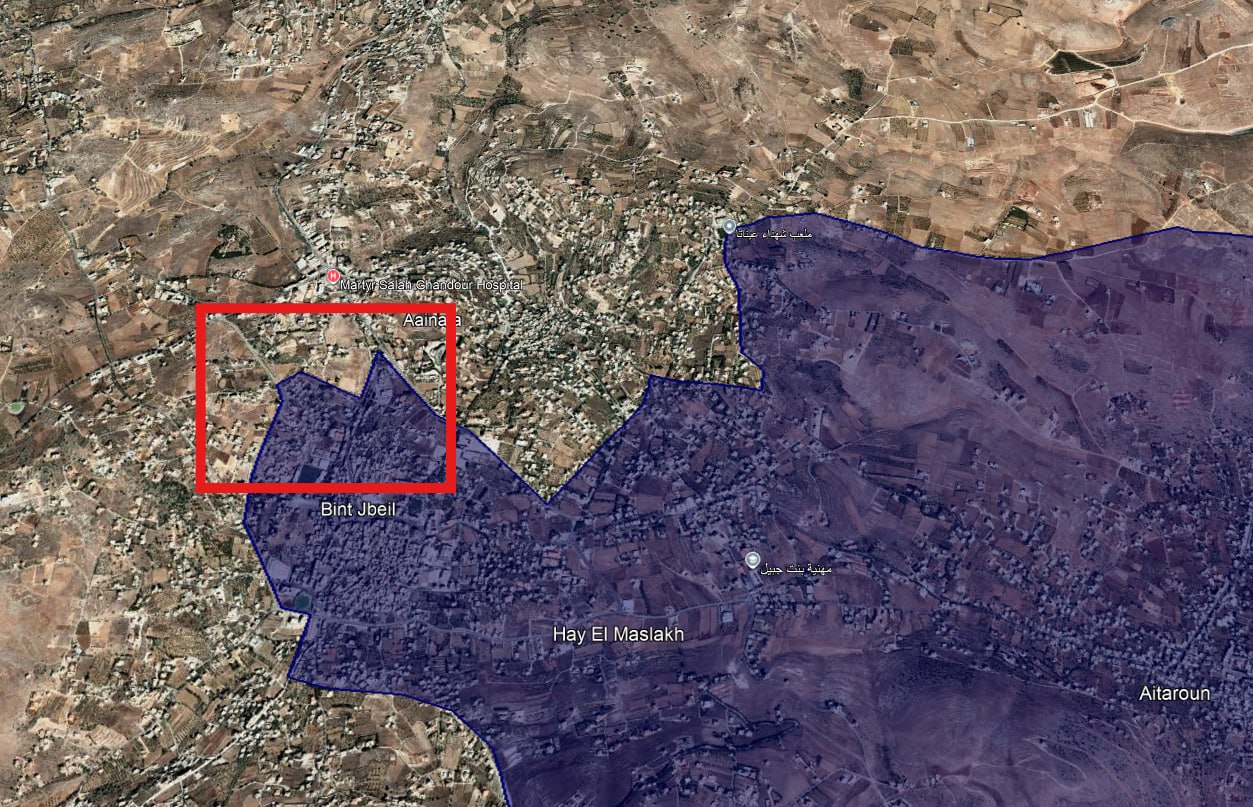
At 10:43 Hezbollah announced the resumption of ground actions in southern Lebanon, employing an anti‑tank guided missile (ATGM) against an APC in Taybeh, an FPV drone against an IDF infantry unit, and a barrage of rockets toward northern Israeli settlements (GeoPWatch/30963). The group also reported the use of FPV drones to strike a Merkava tank near Taybeh and Deir Seryan at 15:00, and an IDF D9 bulldozer near Bint Jbeil at 12:30 (GeoPWatch/30969, GeoPWatch/30968).
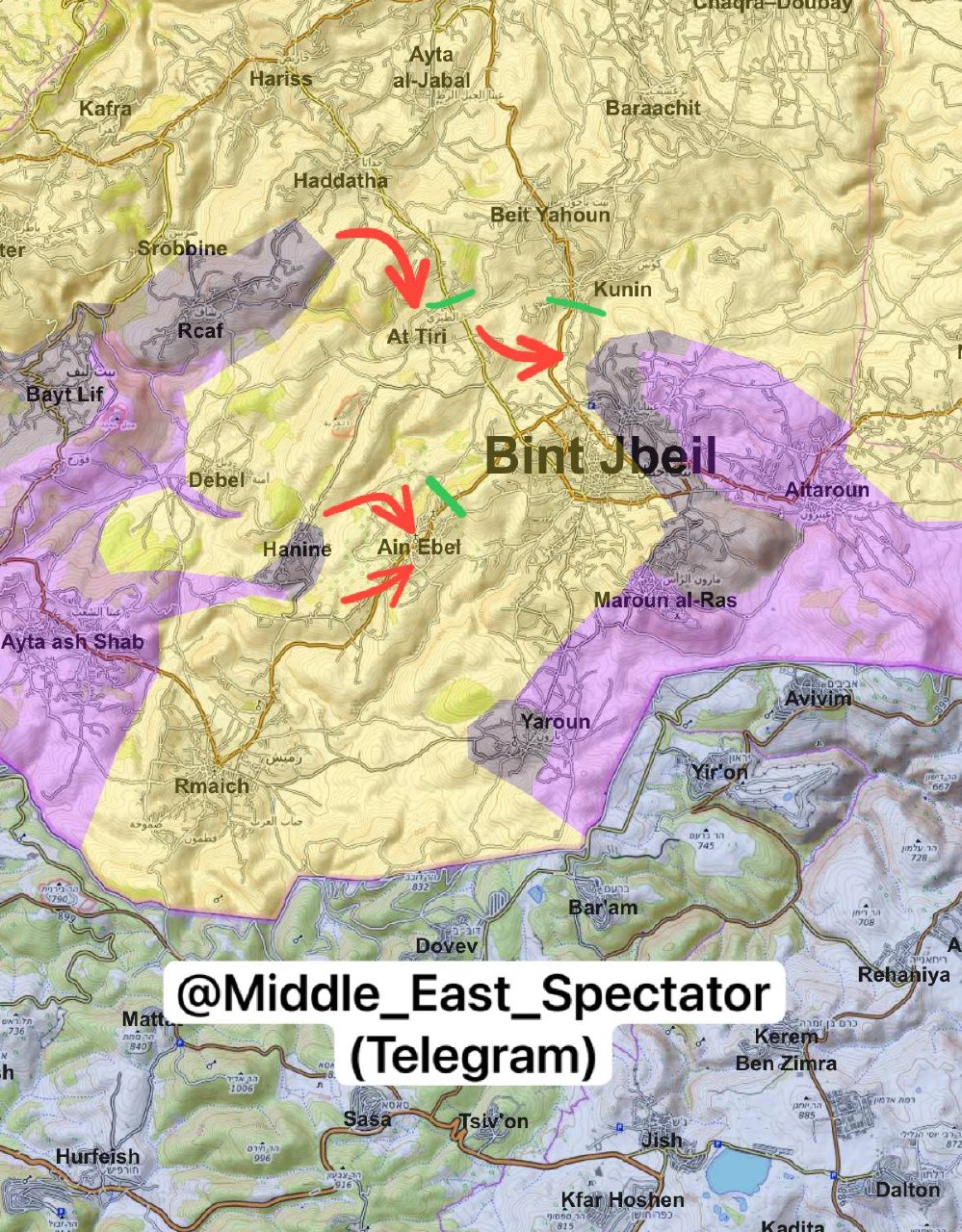
Israeli ground forces intensified their offensive. The IDF’s 98th Division captured a Hezbollah‑held town in southern Lebanon (14:26, JPost) and advanced toward Bint Jbeil, encircling the town and targeting Radwan‑force operatives (JPost, rnintel/58867). Paratroopers launched an expanded offensive on 07:21, aiming to eliminate threats to Israeli civilians and degrade Hezbollah infrastructure (JPost). An IDF Golani infantry soldier was killed and five wounded in a direct clash with Hezbollah fighters at 06:18 (monitor_the_situation/9264).
Targeted Assassinations in Beirut
In the capital, Israeli forces claimed the killing of Hezbollah Secretary‑General Naim Qassem at 07:50 (monitor_the_situation/9288), a claim accompanied by video evidence. Earlier, at 08:25, the IDF announced the elimination of Qassem’s secretary and brother‑in‑law (idkunim_il/58020). A separate strike at 07:45 killed Hezbollah secretary Ali Yusuf Harshi and his nephew (monitor_the_situation/9284). These high‑profile killings represent a sharp escalation in targeted operations within urban Beirut.
UAV‑Based Attacks
Hezbollah’s use of commercially available FPV drones to engage armored targets marks a tactical shift. The drone‑borne strike on a Merkava tank (15:00) and the attack on an IDF bulldozer (12:30) demonstrate the group’s capacity to field low‑cost, precision‑guided platforms against high‑value assets (GeoPWatch/30969, GeoPWatch/30968).
Overall Assessment
The kinetic events of 9 April 2026 illustrate a rapid escalation across multiple domains—air, land, sea, and unmanned systems. Israeli airpower inflicted the highest civilian toll, while Hezbollah’s missile and drone capabilities expanded the conflict’s reach to maritime and armored targets. Ground operations intensified on both sides, with the IDF advancing into previously held Hezbollah towns and Hezbollah responding with ATGMs, rockets, and small‑arms engagements. The targeted assassinations in Beirut further raise the risk of urban escalation.