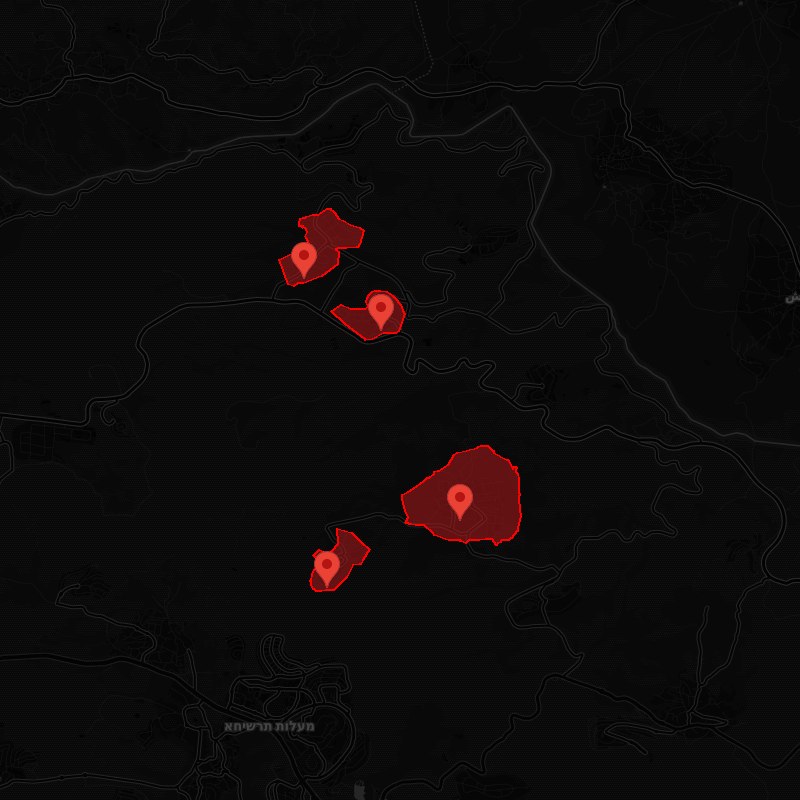
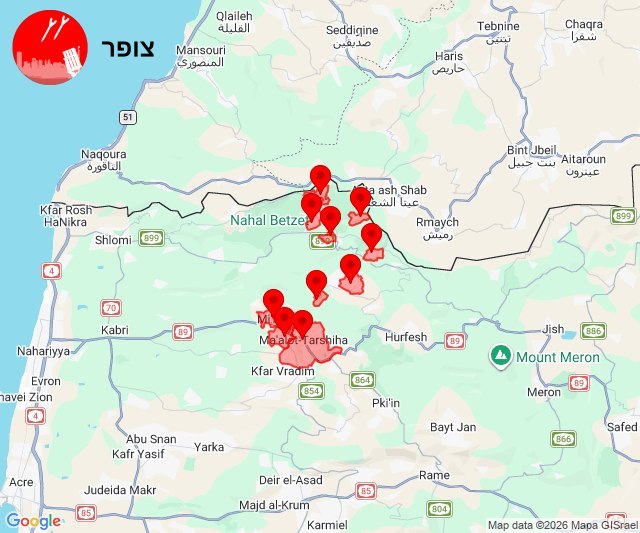
On 9 April 2026, the northern border of Israel experienced its most intense kinetic episode of the year as Hezbollah launched a concentrated salvo of more than 60 rockets into Israeli territory. The barrage, reported by BellumActaNews, marked a shift from the typical wide‑area rocket fire to focused salvos of 10‑20 rockets per target, aiming to saturate Israeli air‑defence systems and achieve direct hits.
Scale and Timing of the Rocket Attack
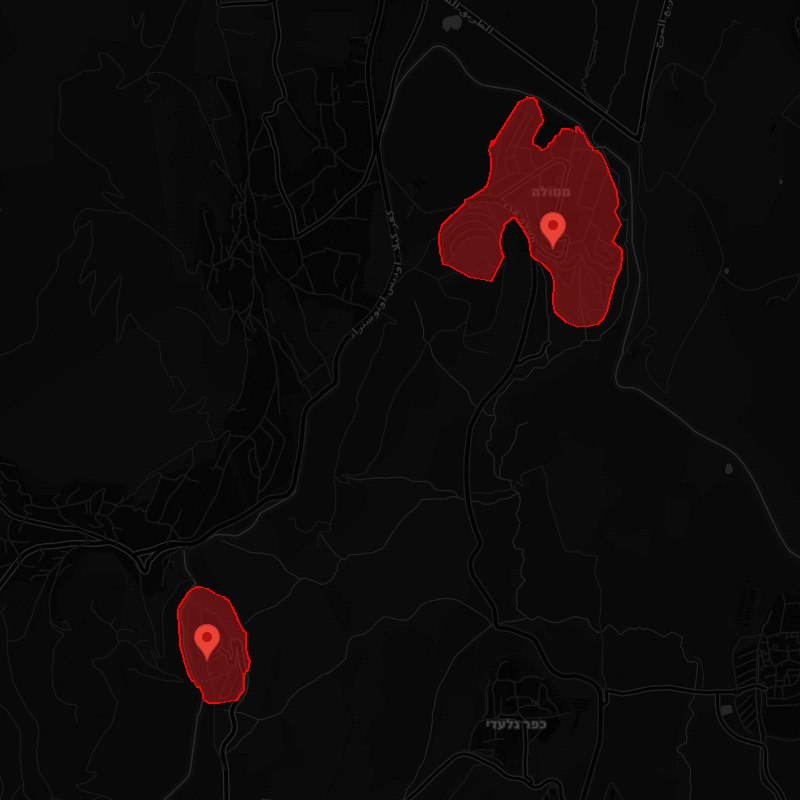
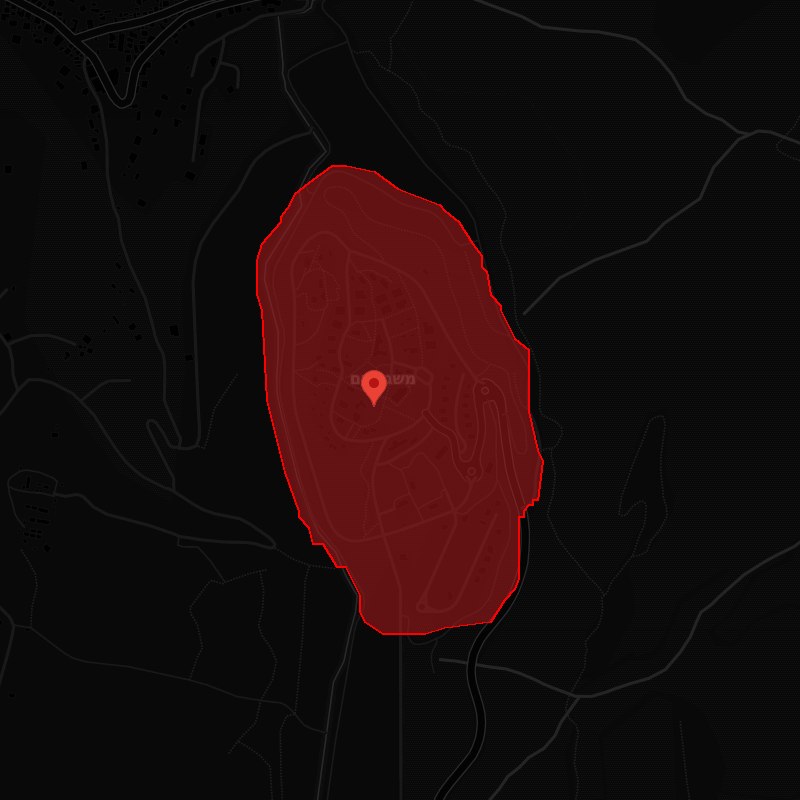
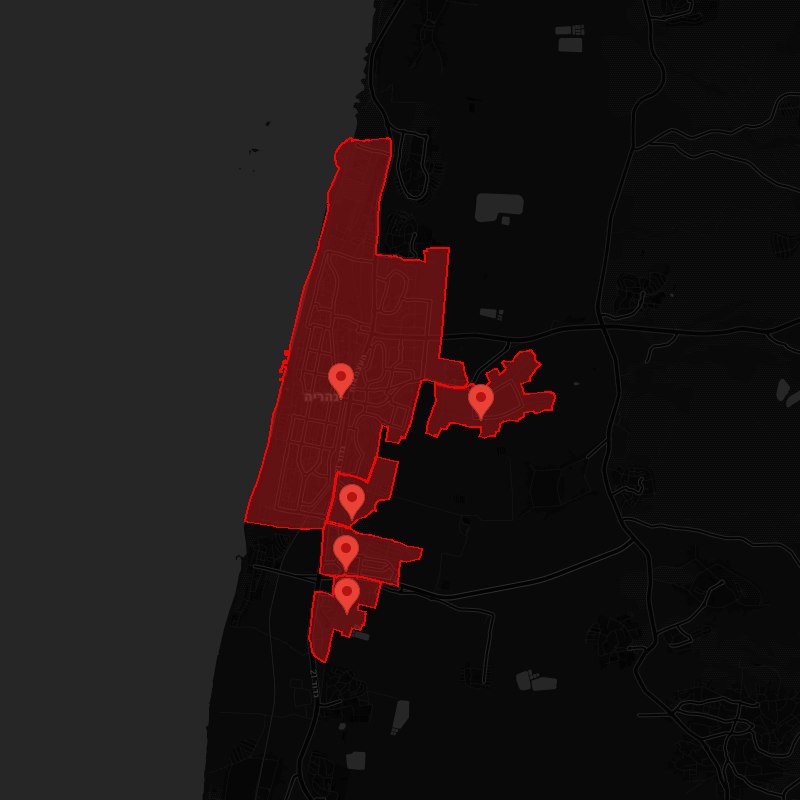
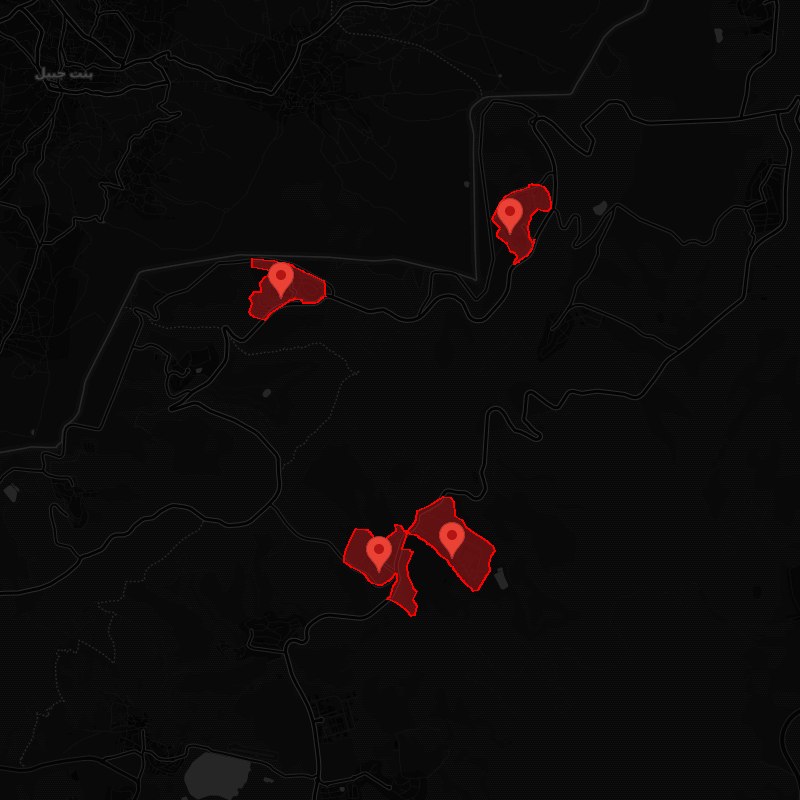
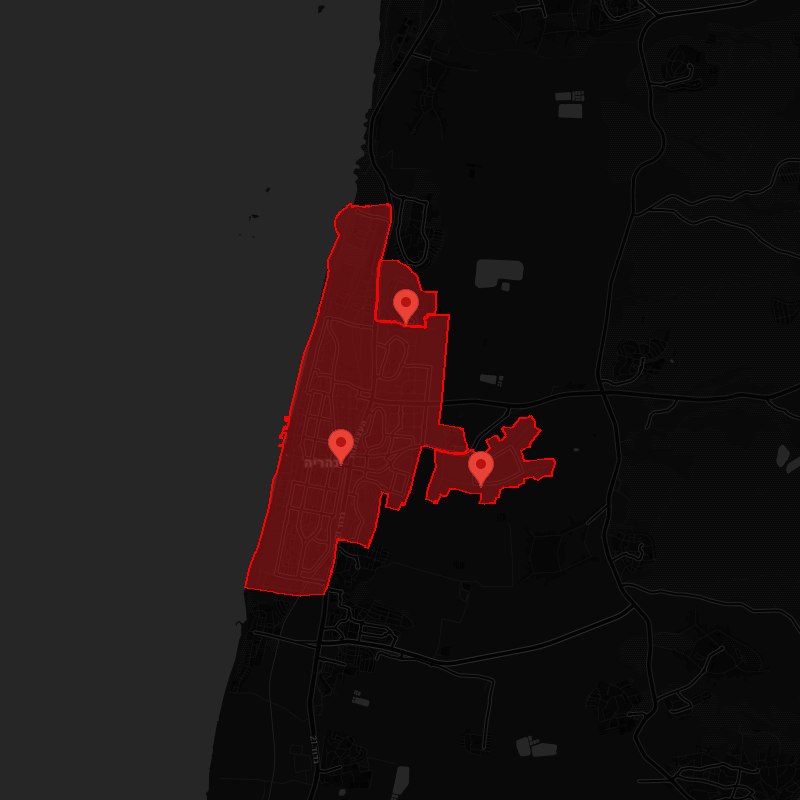
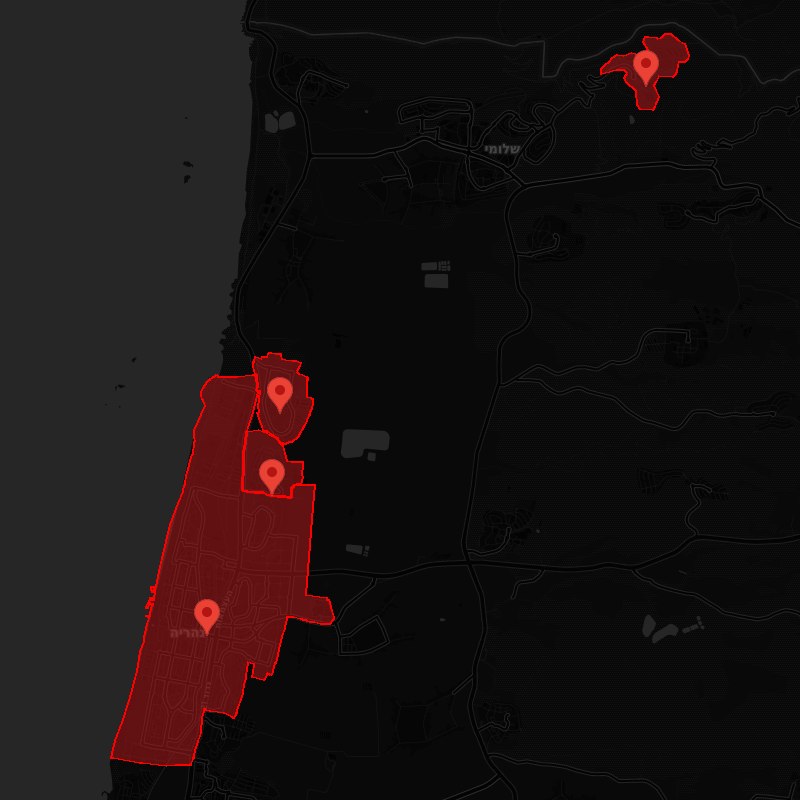
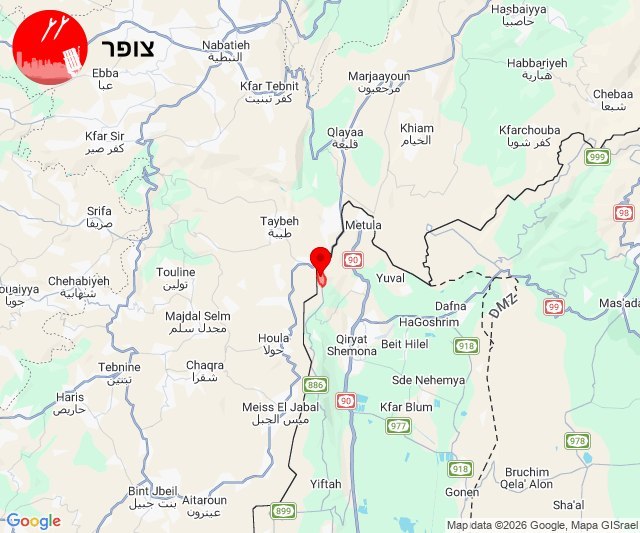
The rocket launch began in the early morning hours and continued throughout the day, with multiple alerts issued by civilian warning networks such as RocketAlert.live. Specific confrontation lines included the communities of Ben Ami, Evron, Nahariya, Regba, Mazra'a, and the Upper Galilee towns of Shomera and Fassuta. By 16:51 UTC, RocketAlert recorded an alert covering Ben Ami, Evron, and Nahariya, while a later alert at 17:22 UTC added Misgav Am and Metulla to the list of threatened locations.
"More than 60 rockets from Lebanon to northern Israel overall since this morning. Hezbollah seems to switch from tactics of wide area of barrages to massive salvos of 10‑20 rockets at one place at once, trying to overwhelm the Israeli air defense and achieve direct hits." – BellumActaNews, https://t.me/BellumActaNews/170768
Immediate Israeli Defensive Response
Israel’s Iron Dome missile‑defence system engaged a significant portion of the incoming rockets, intercepting approximately two‑thirds of the salvo according to unnamed military sources cited in the alerts. Nevertheless, several rockets evaded interception, striking residential areas and causing property damage. No fatalities were reported in the immediate aftermath, but the attacks resulted in at least 12 injuries across the affected towns, as documented by local emergency services.
Wider Pattern of Rocket Alerts
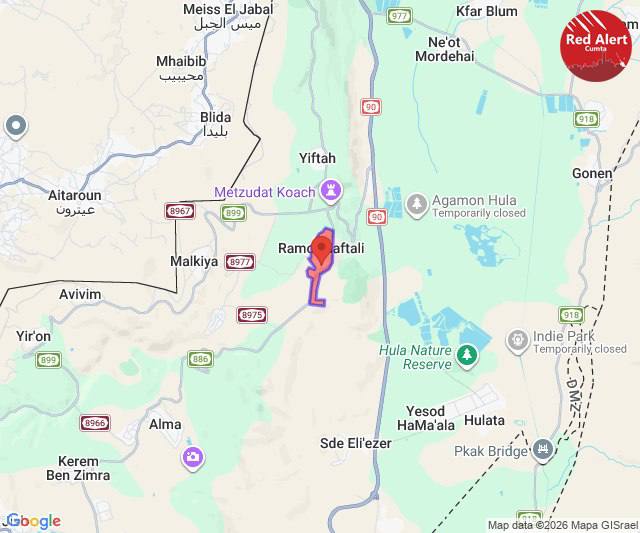
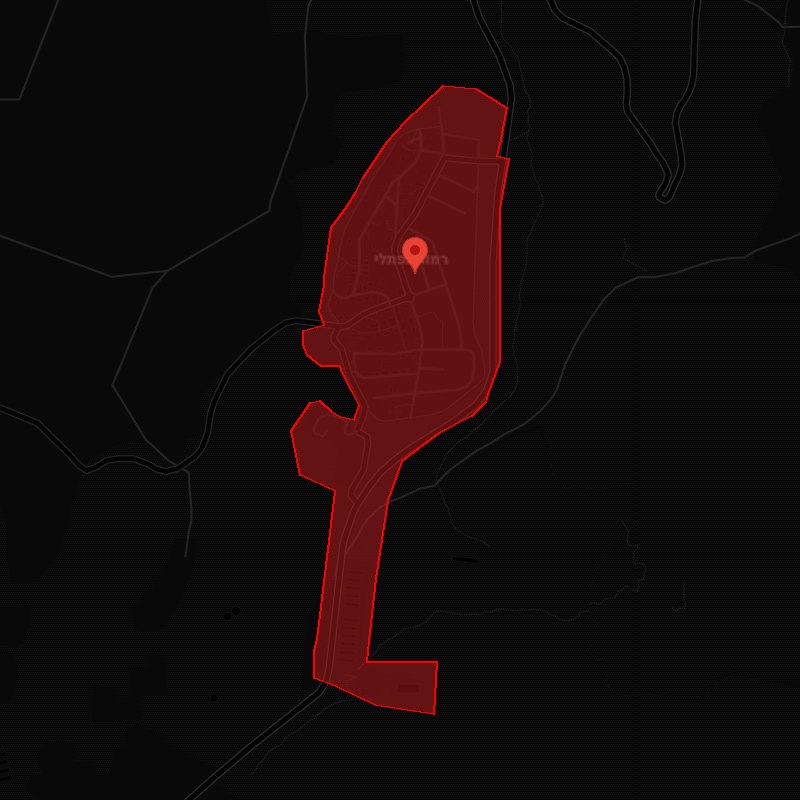
The 60‑rocket event was part of a broader pattern of heightened rocket activity on 9 April. RocketAlert.live issued more than twenty separate alerts throughout the day, covering locations from Misgav Am and Metulla in the north to Kiryat Shmona and Margaliot near the Lebanese border. Notable alerts included:
- 08:40 UTC – Hezbollah activated rocket alerts across northern Israel (rnintel).
- 12:46 UTC – Misgav Am received a dedicated alert (RocketAlert).
- 15:35 UTC – Hezbollah publicly announced continued rocket fire toward Israel’s northern border (idkunim_il).
These alerts underscore a sustained escalation in cross‑border hostilities, with Hezbollah employing both conventional rockets and newer FPV (first‑person view) drone strikes, such as the FPV drone attack on Israeli military vehicles in Margaliot reported by monitor_the_situation at 15:00 UTC.
Hezbollah’s Tactical Evolution
Analysts observing the day’s events note a tactical evolution in Hezbollah’s approach. The shift to concentrated salvos suggests an intent to test the limits of Israel’s layered air‑defence architecture, which includes the Iron Dome for short‑range threats, David’s Sling for medium‑range, and the Arrow system for long‑range missiles. By concentrating fire on specific points, Hezbollah aims to create “saturation zones” where the probability of interception drops.
In addition to rockets, the FPV drone strike in Margaliot represents a diversification of attack vectors, allowing Hezbollah to target mobile assets and potentially evade radar detection. The drone, piloted in real time, struck Israeli military vehicles, causing minor damage but demonstrating a new capability that could complicate Israeli defensive planning.
Collateral Impact on Civilian Populations
The kinetic exchange has had a pronounced humanitarian impact on Israeli civilians. The repeated sirens and rocket alerts have disrupted daily life, forced school closures, and strained emergency services. The Israeli Health Ministry, while primarily reporting injuries from the broader Iran‑Israel war, noted a cumulative total of 7,451 injuries across the nation as of 15:55 UTC, reflecting the compounded effect of multiple fronts of kinetic activity.
In the northern towns, shelters were activated repeatedly, and residents reported prolonged periods of confinement. Local authorities have urged civilians to remain vigilant and adhere to alert protocols, emphasizing the importance of rapid sheltering to mitigate casualties.
Regional Context and Parallel Kinetic Events
While the focus of this briefing is on kinetic events within Israel, the broader regional environment contributes to the intensity of the Israel‑Lebanon front. Simultaneous developments include:
- Israeli airstrikes on Gaza, resulting in 107 deaths over a 36‑day period (Al Jazeera).
- Iranian strikes in Kuwait City that killed six U.S. servicemembers (monitor_the_situation).
- Hezbollah’s ongoing rocket alerts and attacks across the northern border, as documented by multiple sources including rnintel and RocketAlert.
These parallel events illustrate a multi‑theater conflict where kinetic actions in one area influence strategic calculations elsewhere, potentially prompting reciprocal escalations.
International Reactions and Diplomatic Signals
Diplomatic channels have been active amid the kinetic surge. A meeting in Cairo involving Hamas representatives and the Board of Peace, reported by GeoPWatch, sought to address Hamas’s response to Israeli disarmament demands. Meanwhile, the Israeli cabinet’s secret approval of 34 new West Bank settlements, reported by monitor_the_situation, signals a hardening of Israeli policy despite international pressure.
These diplomatic moves, coupled with the kinetic flare‑ups, suggest that both sides are preparing for a protracted phase of conflict, where military actions and political negotiations proceed in tandem.
Assessment and Outlook
The 9 April rocket barrage represents a significant escalation in the kinetic dimension of the Israel‑Lebanon front. Hezbollah’s adoption of concentrated salvos and FPV drone tactics challenges Israel’s air‑defence posture and raises the risk of civilian casualties. Israel’s rapid interception capabilities have limited fatalities, but the persistent threat environment continues to strain civilian resilience and emergency response capacities.
Looking forward, analysts anticipate that Hezbollah may continue to refine its salvo tactics while expanding the use of low‑observable drones. Israel is likely to respond with calibrated air‑strikes targeting Hezbollah launch sites and command‑and‑control nodes, as part of its broader strategy to deter further escalation.
Monitoring of rocket alerts, drone activity, and Israeli defensive responses will remain critical for assessing the trajectory of the conflict and its potential spillover effects across the wider Middle‑East theatre.