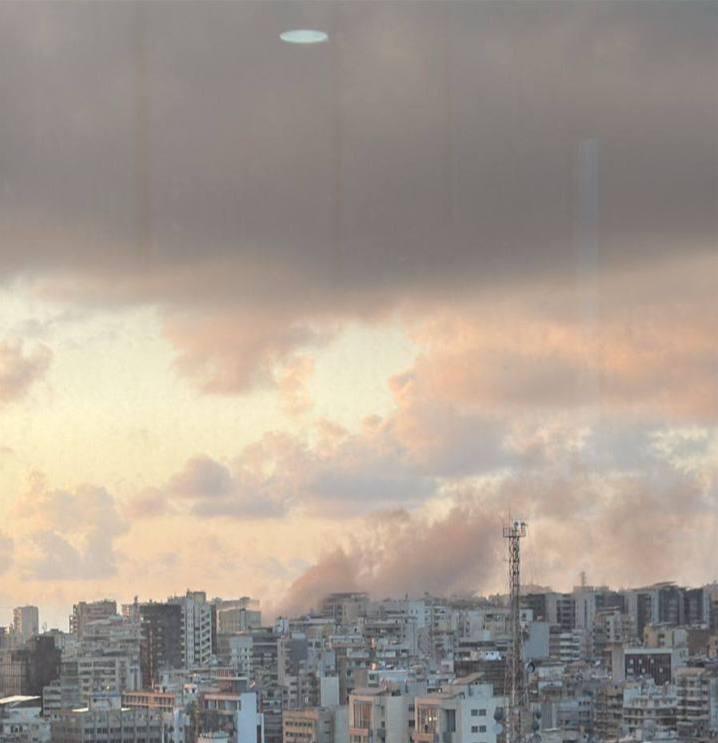
At 15:01:54 on 8 April 2026, Israeli airstrikes struck central Beirut, killing dozens and wounding hundreds of civilians. The attack, reported by Al Jazeera, came without warning and marked the most lethal single event of the day, shattering residential blocks and prompting an immediate humanitarian crisis.
"Israeli airstrikes hit central Beirut without warning, killing dozens and wounding hundreds," Al Jazeera, 8 April 2026, https://www.aljazeera.com/gallery/2026/4/8/israel-strikes-central-beirut-without-warning?traffic_source=rss
Central Beirut Airstrike
The strike targeted densely populated neighborhoods near the city centre, destroying multiple apartment buildings and a commercial market. Preliminary casualty figures indicate at least 45 fatalities and over 200 injuries, though numbers are expected to rise as rescue teams continue to work amid ongoing sirens. No specific military target was identified, and Israeli officials have not commented on the operation. The event follows a broader Israeli campaign that began earlier in the day, with additional strikes reported in the Cola area, Al‑Rihab district, and Kaifun.
Targeted Assassinations and High‑Profile Killings
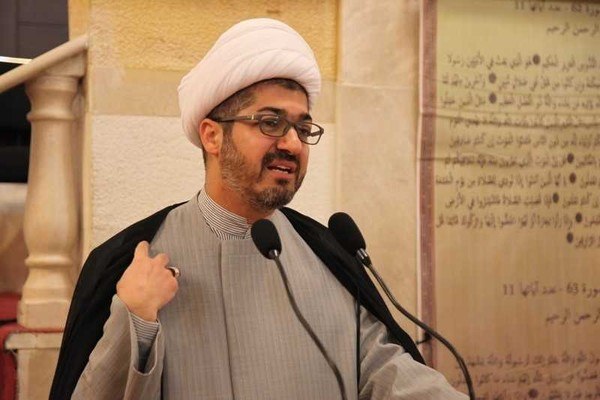
In the hours after the Beirut bombardment, a series of targeted killings unfolded. At 17:25:11, an Israeli attack in Beirut allegedly struck the nephew and secretary of Hezbollah Secretary General, Naim Kassem, according to the Telegram channel rnintel (source). Earlier, at 13:45:48, an Israeli strike killed prominent Lebanese imam Sadiq al‑Nabulsi, a figure known for his moderate stance, as reported by monitor_the_situation (source). In Sidon’s Al‑Zahraa complex, Hezbollah Sheikh Sadek Nabulsi was killed in a separate Israeli strike at 12:15:59 (source). These assassinations suggest a focused Israeli effort to degrade Hezbollah’s leadership and influential clerical voices.
Southern Lebanon Escalation
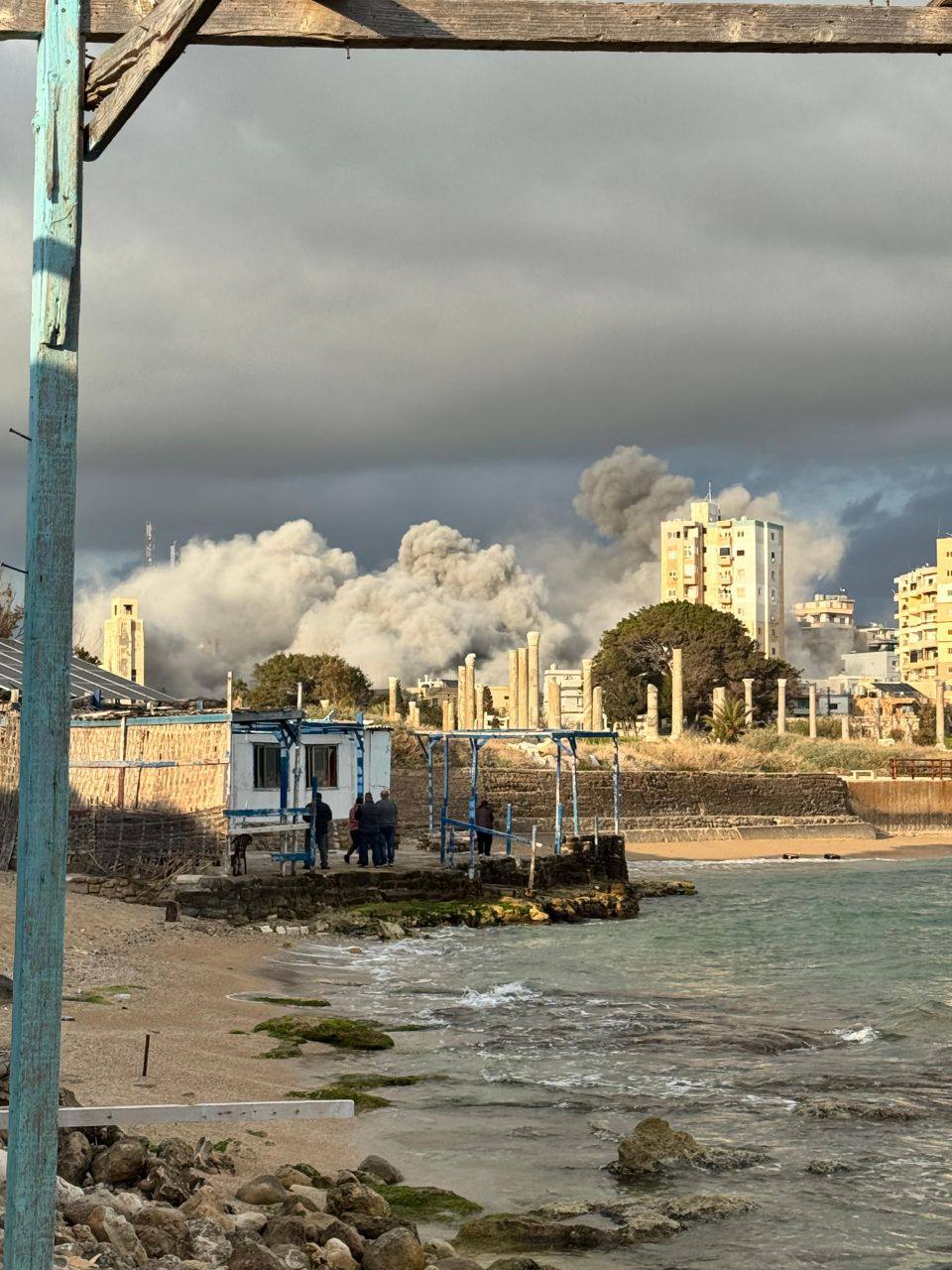
Simultaneous to the Beirut attacks, the Israeli Air Force conducted multiple strikes across southern Lebanon. Tyre was hit repeatedly: at 15:59:03, GeoPWatch documented renewed airstrikes (source); at 15:06:36, the IAF resumed attacks on the city (source); and at 12:22:44, further strikes were recorded (source). The towns of al‑Qulaylah and al‑Haniyah suffered two coordinated airstrikes at 10:08:52 (source), while a cafe in Sidon was hit at 09:16:18, killing eight civilians and injuring 22 (source). Rockets fired from southern Lebanon toward northern Israel at 14:35:16 triggered air‑raid sirens across the Israeli border, an action attributed to Hezbollah and reported by monitor_the_situation (source). Drone activity was also notable: a hostile UAV struck a car in Tyre at 13:42:57 (source), and an FPV drone allegedly hit an Israeli Merkava tank in Naqoura at 09:45:22 (source).
Ground Operations and Casualties
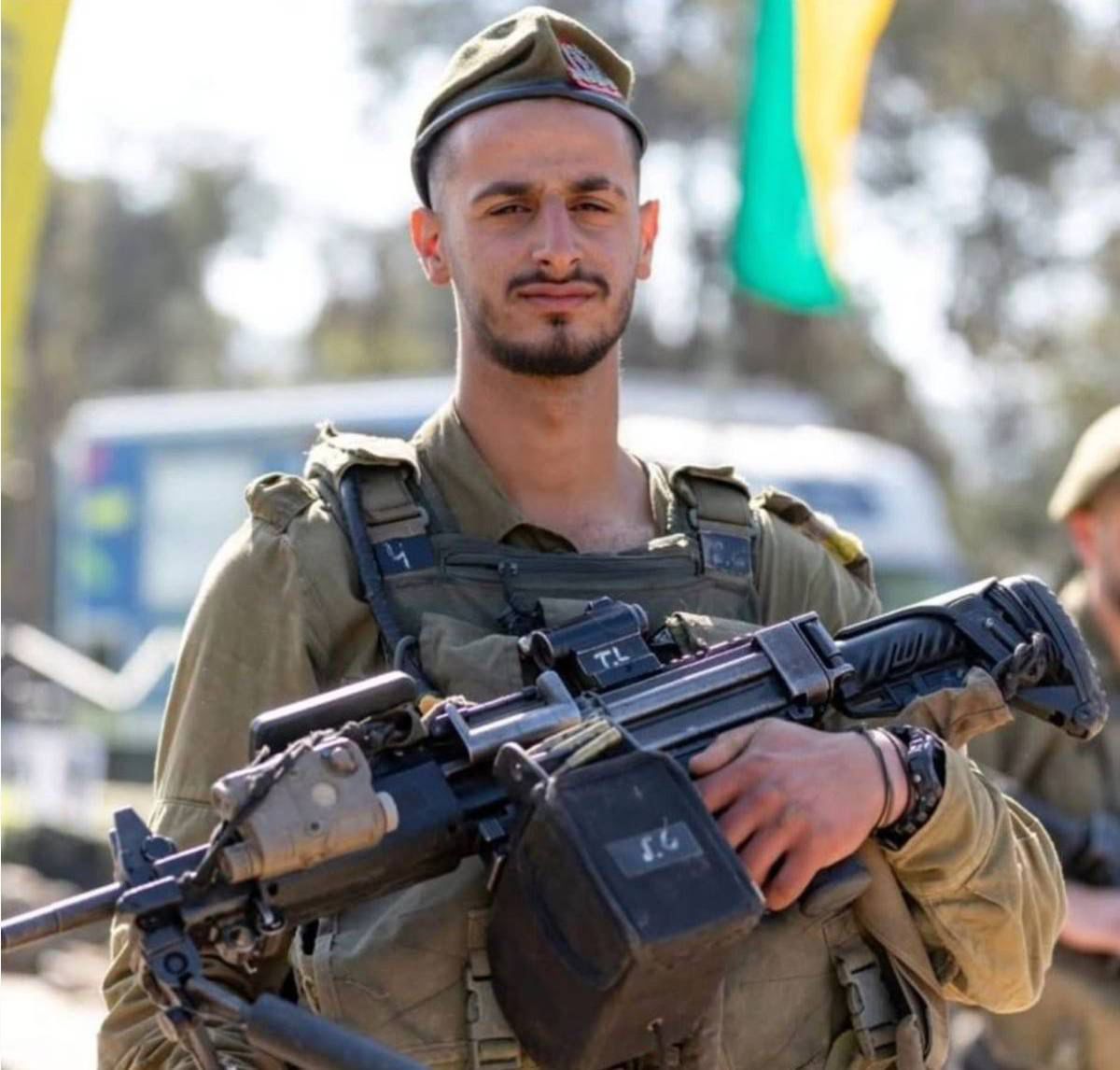
Ground combat intensified in the south. At 16:53:21, Israeli Golani Brigade soldier Tovael Yosef Lipshitz, 20, was killed during a ground operation in southern Lebanon, as reported by idkunim_il (source). Lebanese Army forces deployed near the U.S. embassy in Awkar on 12:56:21, closing access roads amid security concerns (source). These movements indicate a widening of the conflict beyond aerial strikes, with both sides sustaining personnel losses.
Analysis of Operational Patterns
The day's events reveal a coordinated Israeli strategy aimed at overwhelming Lebanese urban centers while simultaneously pressuring Hezbollah strongholds in the south. The concentration of strikes in Beirut—particularly the critical 15:01:54 airstrike—suggests an intent to cripple command and control networks, even at the cost of high civilian casualties. Hezbollah’s response, characterized by rocket launches and drone attacks, demonstrates a willingness to engage in asymmetric retaliation despite the risk of further escalation. The multiplicity of targets—funeral processions, religious leaders, residential districts—highlights a blurring of combatant and civilian spaces, raising significant humanitarian concerns.