At 17:25 UTC, Iranian media reported a massive airstrike on Tehran's Mazdaran district, marking the most significant kinetic event in Iran on 2026‑04‑08. The strike, relayed by the Telegram channel rnintel, was described as a coordinated assault that targeted residential and infrastructural assets in the capital. No immediate casualty figures were released, but the intensity of the attack prompted a prolonged air‑defence response lasting over twenty minutes.
Follow‑on Airstrikes and Explosions in Tehran and Surrounding Cities
Within the same hour, rnintel documented additional airstrikes on Tehran and the nearby city of Karaj, confirming that Iran’s air‑defence systems were engaged for an extended period. Subsequent reports from BellumActaNews (17:24:51) and monitor_the_situation (16:05:47) noted repeated surface‑to‑air missile launches and audible explosions across central Tehran, Karaj, and the Sadeghiyeh district. While specific weapon systems were not identified, the pattern suggests the use of high‑explosive munitions delivered by aircraft.
"AA activity over Central Tehran" – BellumActaNews, 17:24:51 UTC
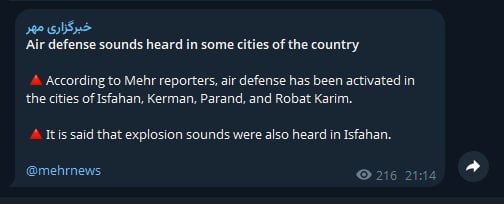
In Isfahan, two separate incidents were recorded. At 17:08:57, rnintel reported two US Air Force airstrikes on the city, a claim echoed by GeoPWatch (17:08:29) which noted two audible explosions. Later, at 17:10:19, Mehr News, linked to the IRGC, confirmed air‑defence activity over Isfahan, Kerman, and Parand, with residents hearing explosion sounds.
"Explosion sounds reported in Isfahan as well" – BellumActaNews, 17:16:41 UTC
Karaj experienced similar activity; rnintel (17:10:39) reported explosions in the city, and BellumActaNews (13:46:30) later documented air‑defence sounds in the same area.
Strategic Oil Infrastructure Under Attack
The day’s kinetic events extended to Iran’s energy sector. At 12:31:57, monitor_the_situation cited a US‑led coalition claim that approximately 90 % of Iran’s weapons factories, including Shahed drone production sites, were struck in Tehran. Concurrently, multiple oil facilities were targeted:
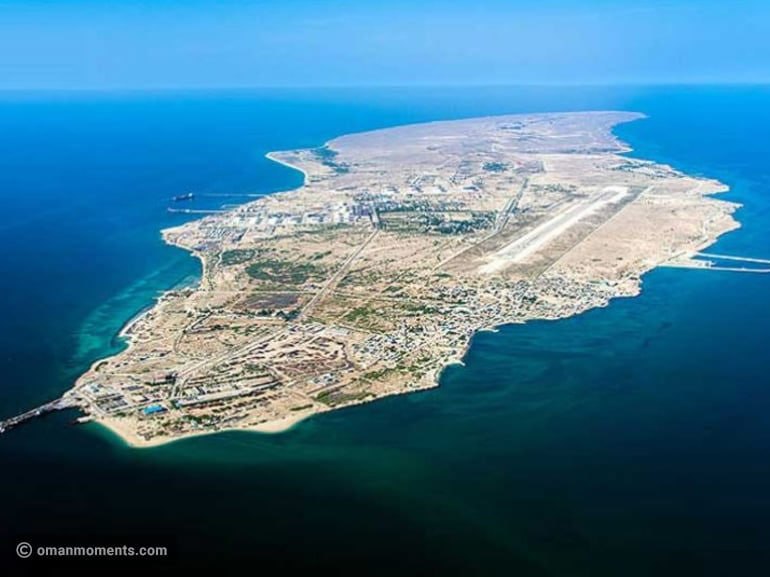
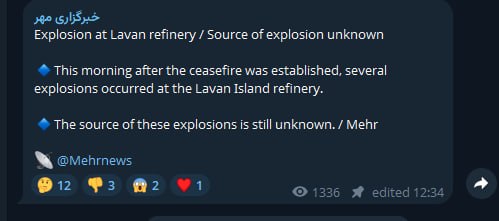
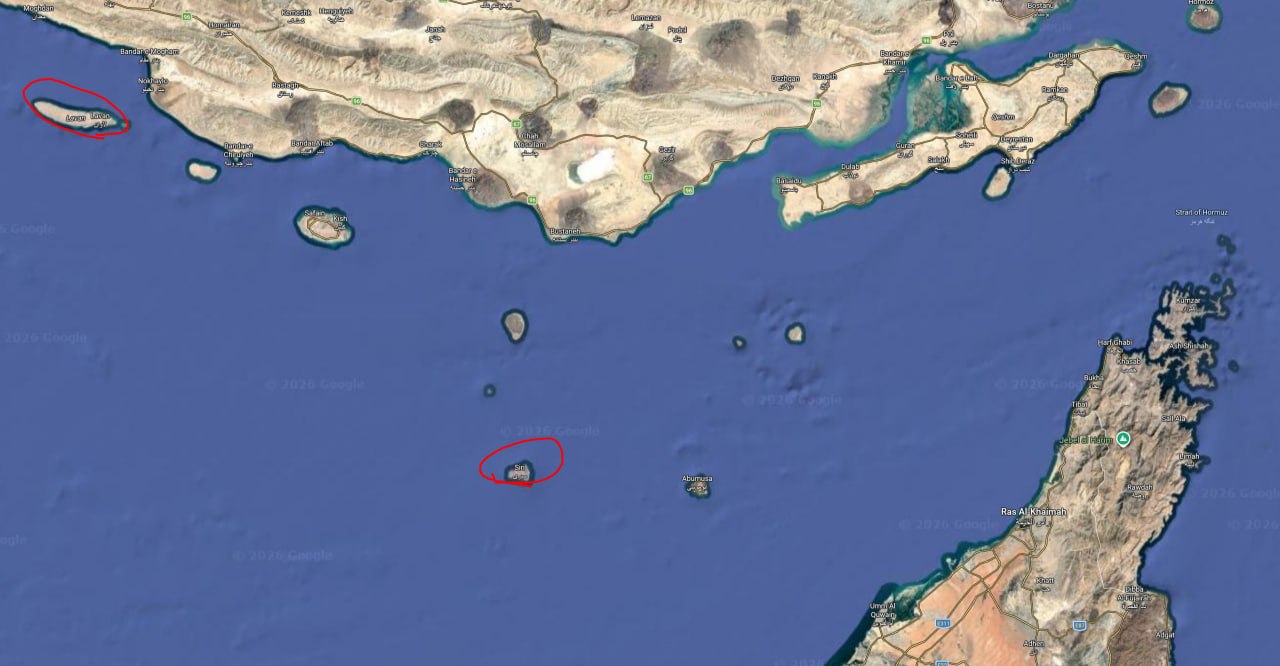
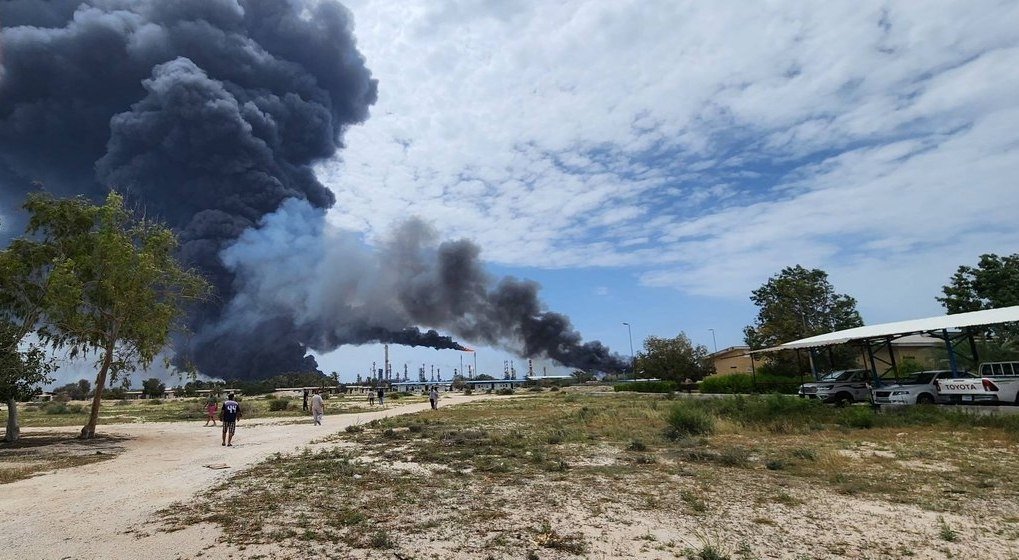
- Lavan Oil Refinery on Lavan Island: attacked by US and Israeli forces at 08:18:07 (monitor_the_situation) and later by unidentified actors at 15:30:45 (monitor_the_situation). The refinery sustained fires and tank ignitions, prompting evacuation of staff.
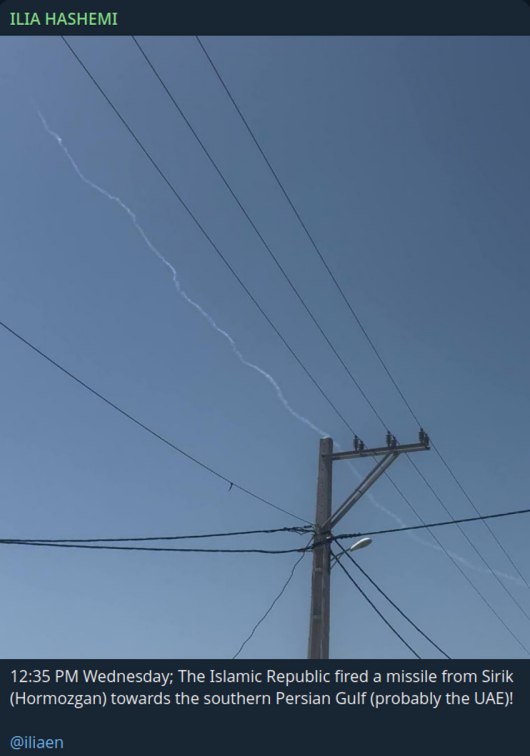
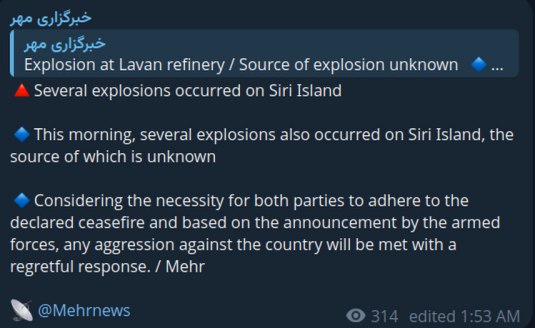
- Siri Island: bombed at 10:02:47 (rnintel) and again at 12:49:12 (GeoPWatch) by Emirati Mirage 2000‑9EAD fighters and Wing Loong II UCAVs, despite a declared ceasefire.
- Kangan industrial complex in Bushehr Province: struck at 12:00:00 (monitor_the_situation) by unidentified forces.
These attacks were accompanied by reports of explosions on nearby islands (Lavasan, Sirri, and Siri) and on the mainland (Bandar Abbas, 17:08:06; Dubai, 09:58:10), indicating a coordinated campaign against Iran’s energy infrastructure.
Air‑Defence and Interception Activity
Iran’s air‑defence network responded vigorously. Notable interceptions included:
- Qatar’s defence systems downing seven Iranian ballistic missiles and drones over Doha (14:55:58, monitor_the_situation).
- UAE forces intercepting Iranian ballistic, cruise missiles, and drones over Abu Dhabi (09:52:11, monitor_the_situation).
- Saudi Arabia shooting down nine Iranian drones near Riyadh (16:29:55, monitor_the_situation).
Within Iran, multiple radar reports confirmed active surface‑to‑air missile batteries over Tehran, Isfahan, and Bandar Abbas throughout the afternoon, reflecting heightened alert status.
Regional Context: Strait of Hormuz and Cross‑Border Kinetic Actions
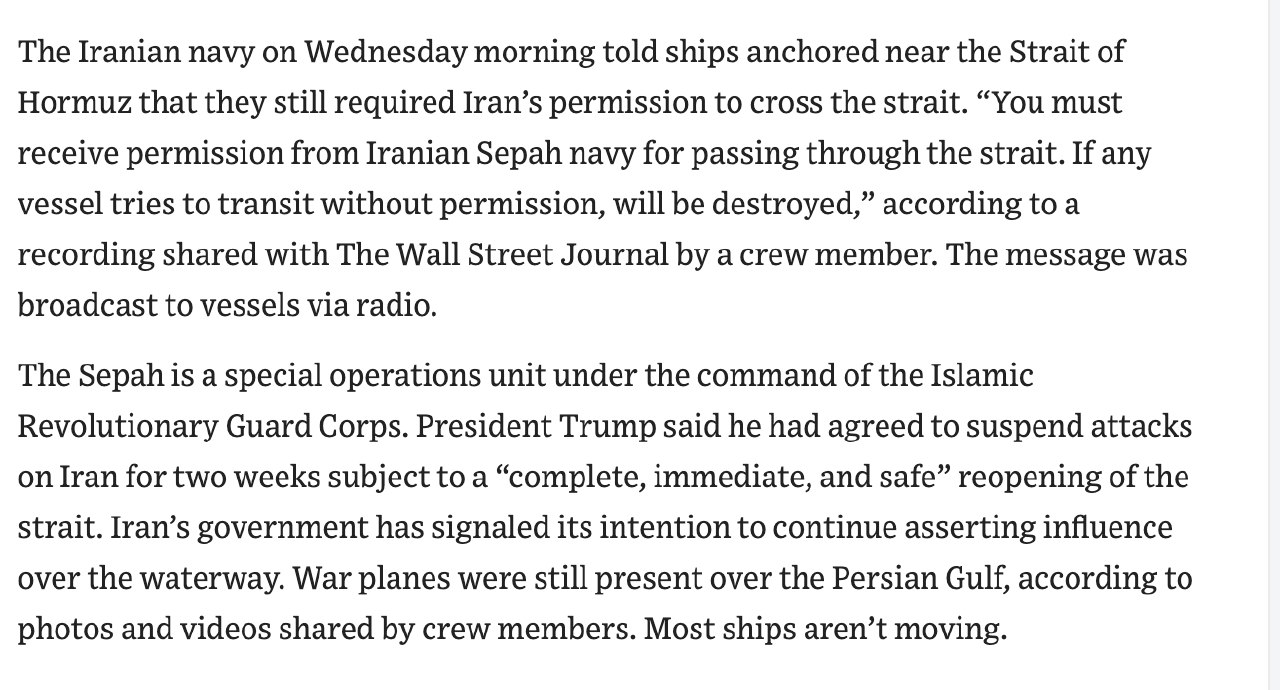
Parallel to the domestic kinetic events, Iran intensified pressure on the Strait of Hormuz. Iranian state media announced the closure of the strait at 17:38:13 (rnintel) in retaliation for Israeli strikes on Lebanon. Subsequent naval reports (15:54:18, intelslava) confirmed the strait remained effectively closed after a brief ten‑minute opening, and Iranian forces intercepted unnamed Gulf vessels.
Iran also launched drone and missile attacks on Saudi Arabia’s East‑West pipeline (12:24:17, BellumActaNews; 13:54:17, intelslava) and on the UAE’s Habshan gas facility (12:30:27, monitor_the_situation). These actions underscore a broader strategy of leveraging kinetic force to pressure regional adversaries while the US‑Iran ceasefire remains fragile.
Summary of Casualties and Damage
While most reports did not provide explicit casualty numbers for the Iranian attacks, the Lavan refinery fire resulted in at least two tank ignitions and the evacuation of personnel. The Mazdaran district strike’s civilian impact remains unconfirmed. In contrast, the Thai vessel attack in the Strait of Hormuz (10:06:40) resulted in three crew fatalities, illustrating the spill‑over risk of kinetic actions beyond Iran’s borders.