At 04:15 UTC on 8 April 2026, Russian artillery opened fire on the city of Nikopol in Dnipropetrovsk Oblast, striking residential areas and critical infrastructure. The barrage, reported by the monitoring channel monitor_the_situation, caused extensive damage to civilian structures and disrupted utilities. No official casualty figures were released immediately, and the channel noted that “casualties are not yet known.” The attack underscores Russia’s continued use of indirect fire to pressure Ukrainian rear areas and to impede logistical movements across the Dnipro River.
"Russian artillery continues bombardment of Nikopol district, terrorizing civilians and damaging infrastructure. Ongoing shelling maintains pressure on Ukrainian rear areas." – monitor_the_situation, 04:15:30 UTC
Broader Shelling Campaign Extends to Chernihiv Oblast
Within minutes of the Nikopol strike, Russian forces launched a separate artillery barrage on the northern Chernihiv region. According to the same monitoring source, the shelling targeted both civilian and military installations, expanding the geographic scope of the offensive beyond the eastern front. As with Nikopol, casualty numbers were not disclosed, and the report did not specify the types of munitions used, indicating a possible reliance on standard howitzers or multiple‑launch rocket systems.
"Russian strikes hit Chernihiv region in northern Ukraine, expanding attack footprint beyond eastern front. Bombardment targets civilian and military infrastructure alike." – monitor_the_situation, 04:15:33 UTC
Ukrainian Drone Operations Strike Russian Assets
In a coordinated response, Ukrainian forces employed German‑supplied HX‑1 and HX‑2 unmanned aerial systems to attack Russian positions in Dnipropetrovsk Oblast at 04:14 UTC. The drones, delivered under a bilateral defense agreement with Germany, were used to conduct precision strikes on identified command and control nodes. The monitoring channel confirmed the deployment but did not provide damage assessments or casualty figures.
"German-supplied HX-1 and HX-2 drones deployed by Ukrainian forces target Russian military positions amid ongoing frontline operations." – monitor_the_situation, 04:14:19 UTC
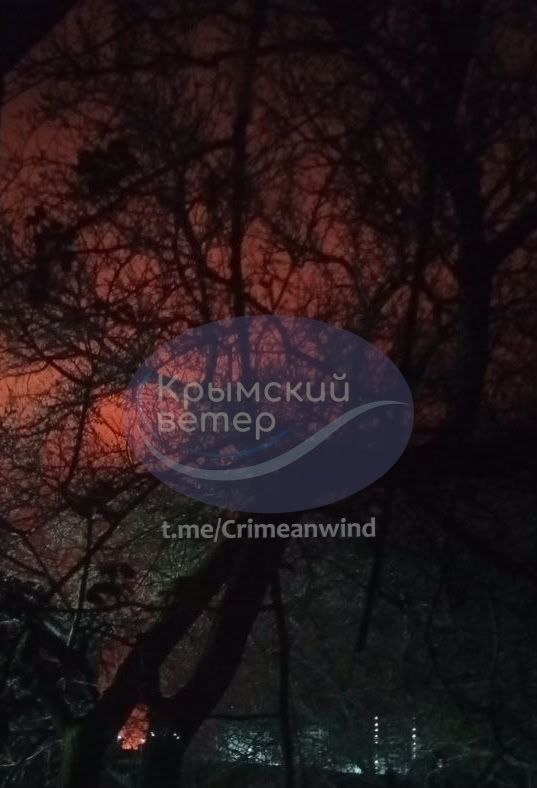
Later, at 04:18 UTC, Ukrainian drones targeted an oil terminal in the occupied city of Feodosia, Crimea. Photographic evidence accompanying the report showed smoke and minor structural damage, though the extent of operational disruption remained under assessment. The strike illustrates Kyiv’s willingness to project kinetic power onto strategic assets within Russian‑controlled territory.
"Ukrainian forces launched drone strikes on the oil terminal in occupied Feodosia, Crimea, with damage assessment ongoing amid Russia's control of the peninsula." – monitor_the_situation, 04:18:41 UTC
Ground Movements Signal Shifts on the Eastern Front
Simultaneously, Ukrainian ground forces reported advances toward the Russian border in eastern Ukraine at 04:16 UTC. While the statement did not specify the exact axis of advance, it indicated a broader operational push aimed at reclaiming territory and pressuring Russian defensive lines. No direct combat casualties were reported in the brief, and the movement appears to be part of a coordinated effort following the recent drone and artillery engagements.
"Ukrainian Forces Advance on Russian Border in Eastern Ukraine" – monitor_the_situation, 04:16:39 UTC
At 04:15 UTC, Ukrainian units claimed to have destroyed a Russian assault group operating in Dnipropetrovsk Oblast. The report described the engagement as a decisive encounter that eliminated the enemy formation, though it omitted details on weapon systems employed or casualty numbers on either side. This incident highlights intensified close‑quarter combat in the region, complementing the longer‑range artillery and aerial actions described above.
"Russian Assault Group Decimated in Dnipropetrovsk Ukraine. Ukrainian forces eliminate Russian assault group in Dnipropetrovsk region amid ongoing frontline clashes." – monitor_the_situation, 04:15:37 UTC
Operational Context and Implications
The synchronized nature of these events—artillery strikes, drone attacks, and ground maneuvers—suggests a multi‑domain approach by both belligerents. Russian forces continue to leverage artillery to impose attrition on Ukrainian rear areas, while Ukrainian forces increasingly rely on precision UAVs supplied by Western partners to strike high‑value targets, including infrastructure within occupied Crimea. The reported Ukrainian advances toward the Russian border may reflect a strategic intent to exploit any operational pauses created by Russian focus on indirect fire.
All events were reported by the Telegram channel monitor_the_situation, which aggregates open‑source intelligence from the front lines. The channel provided URLs for each incident, enabling verification of timestamps and source material. No independent casualty verification was available at the time of writing, and the reports did not include statements from official military spokespeople.