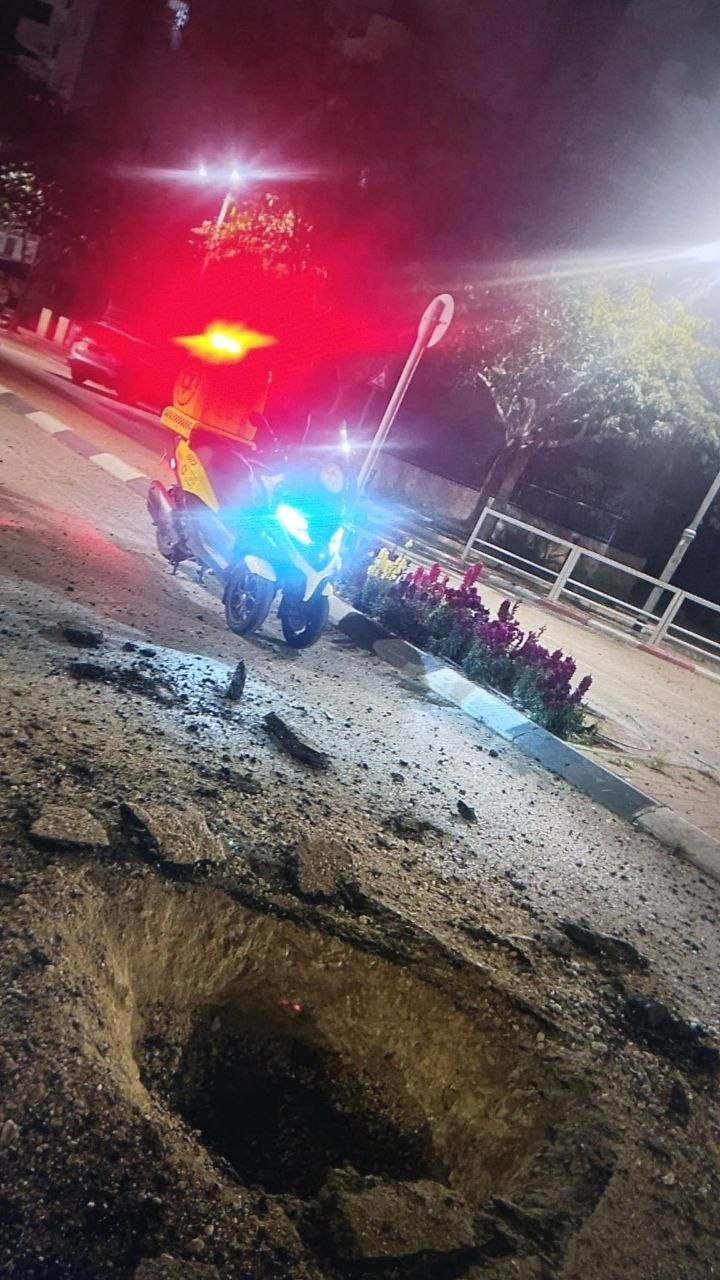
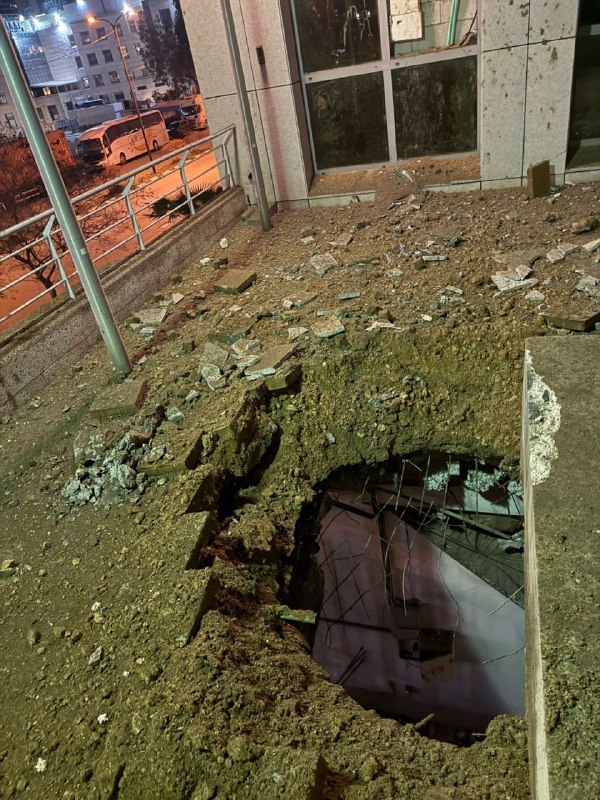
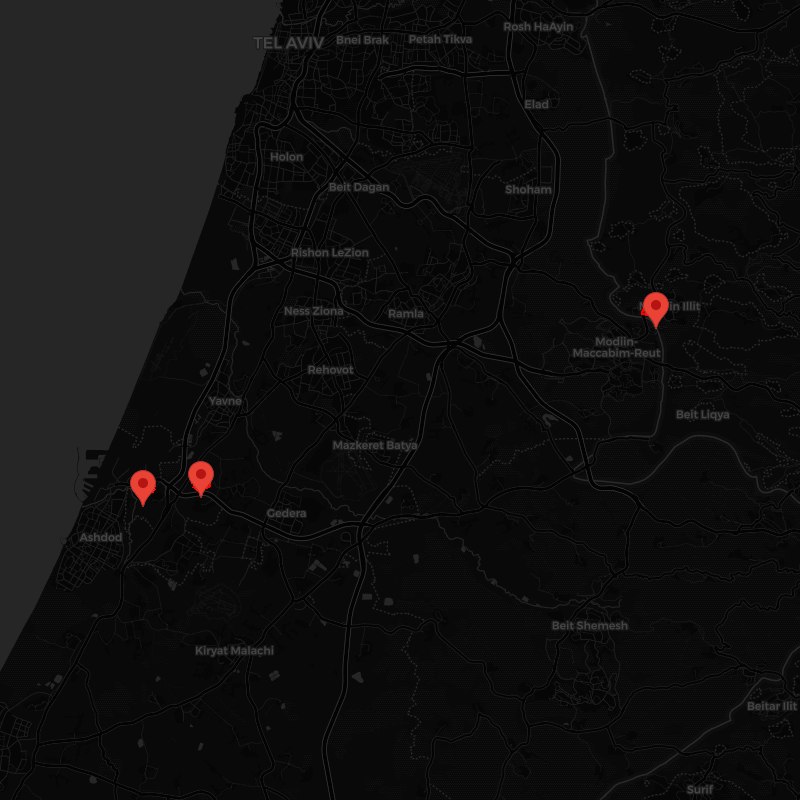
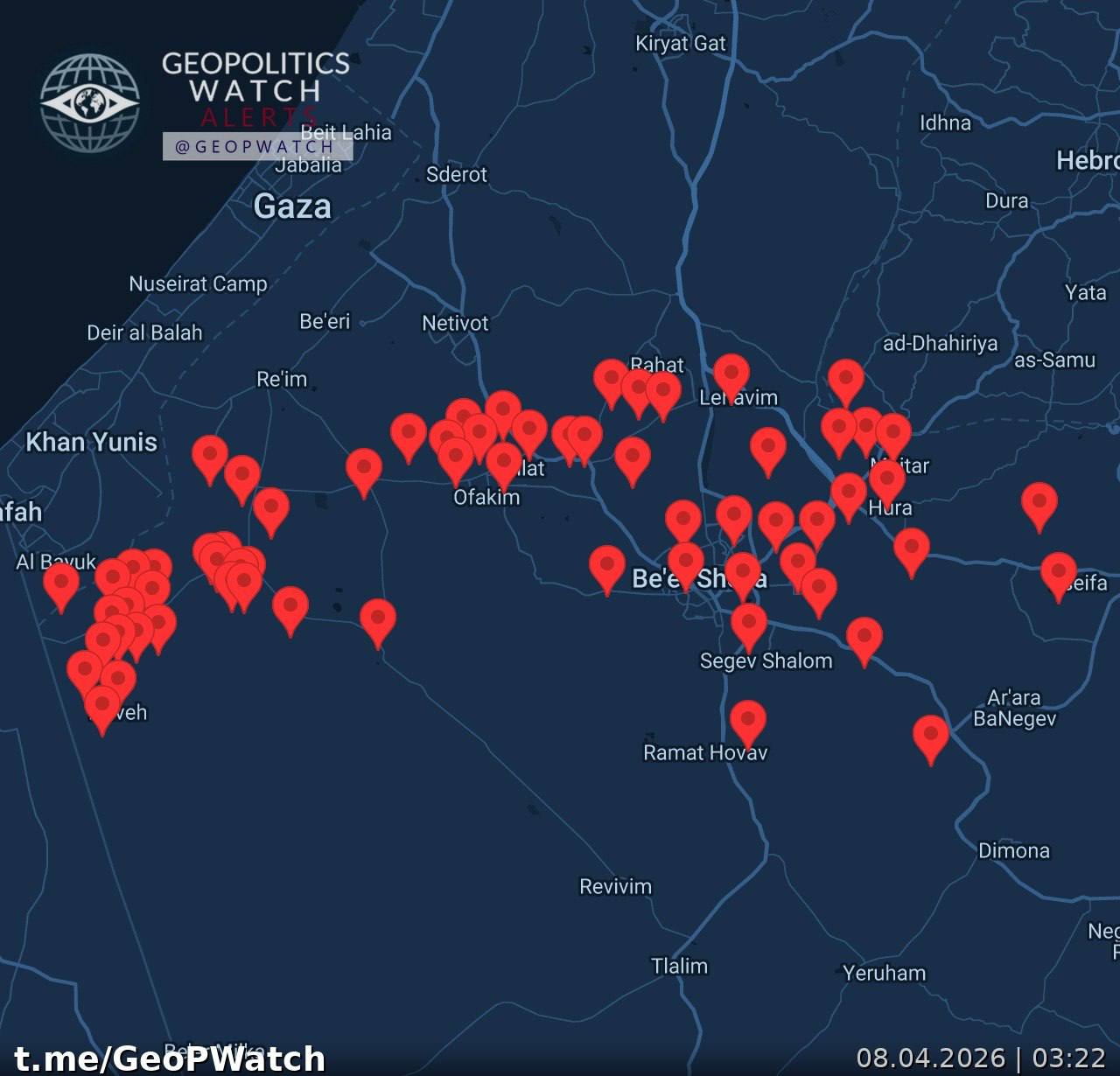
At 01:13:54 UTC on 8 April 2026, two small cluster‑munition impacts were recorded in the southern city of Be’er Sheva and the metropolitan area of Tel Aviv. Although no casualties were reported, the incidents marked the most significant kinetic event of the day and prompted immediate red alerts across central and southern Israel.
Incident Overview
The first impact, documented by the open‑source intelligence channel rnintel, described two small cluster‑munition detonations—one in Be’er Sheva and another in Tel Aviv. The report emphasized that there were “no direct impacts,” indicating that the munitions either failed to detonate fully or landed in non‑populated zones. A single photograph accompanying the report showed the aftermath of the Be’er Sheva impact, with scorch marks on a residential wall.
Chronology of Reports
Earlier in the night, at 00:34:40 UTC, the channel intelslava posted a separate incident: a sub‑munition from an Iranian‑origin cluster warhead struck Petah Tikva, a city in central Israel. The description was concise—“A submunition from an Iranian cluster warhead hit Petah Tikva”—and included a photo of the damaged vehicle.
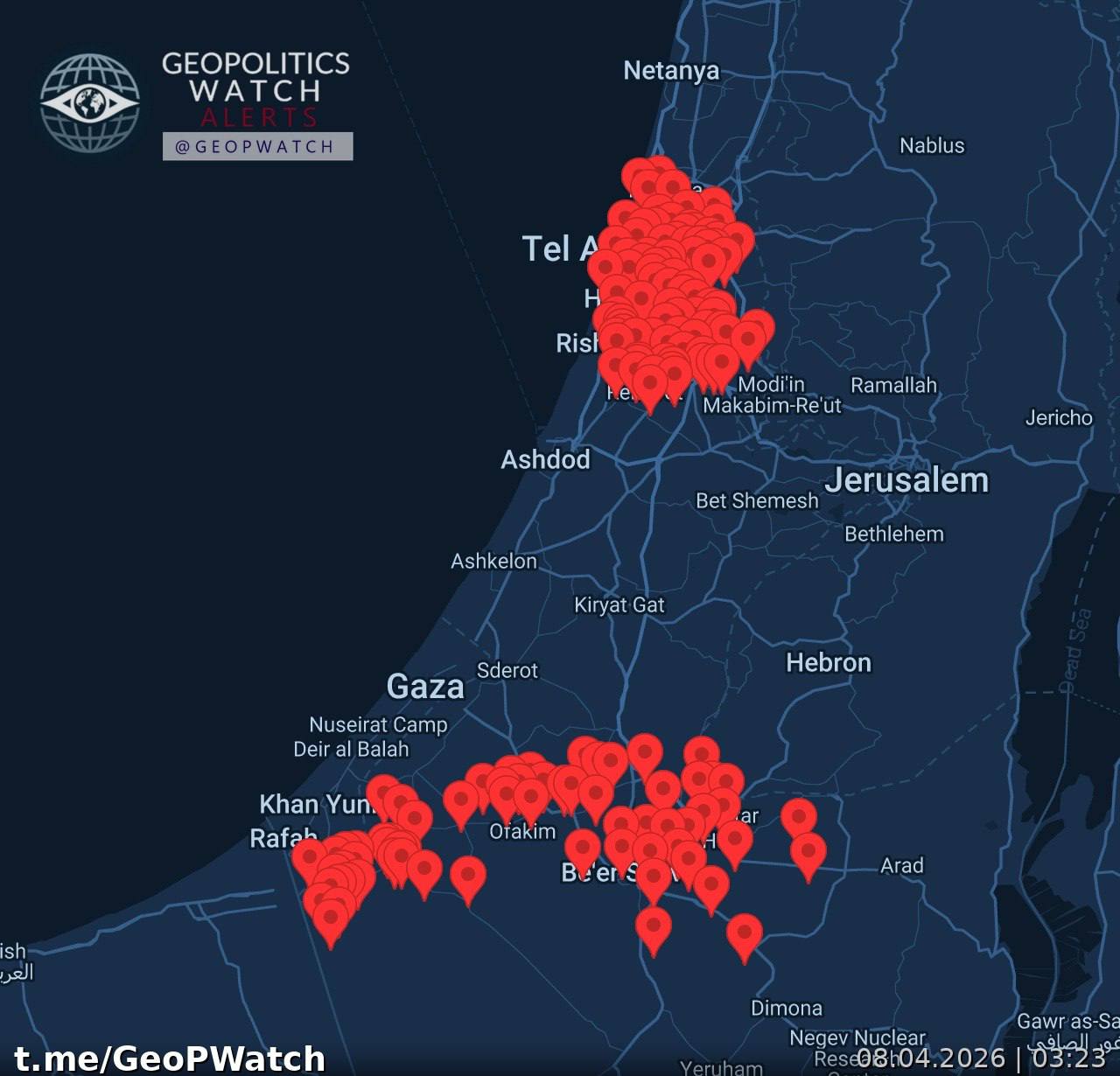
At 00:28:40 UTC, GeoPWatch reported an impact in Be’er Sheva without further detail. This was followed by a series of red‑alert notifications from the same source at 00:24:01 UTC for Tel Aviv and southern Israel, and at 00:23:03 UTC for southern Israel alone.
Concurrently, the civilian alert platform RocketAlert issued a broad rocket/missile alert at 00:26:45 UTC, listing multiple locations—including Yarkon, Matityahu, Neve Tzuf, Kfar Aviv, and Nir Galim—under potential threat. The alert referenced a “Rocket/Missile alert 2026‑04‑08 03:24:59,” suggesting a coordinated warning system across the country.
Weapon Types and Attribution
All documented incidents involved cluster‑type munitions, either explicitly identified as “cluster warhead” (Petah Tikva) or described generically as “cluster munition” (Be’er Sheva and Tel Aviv). The attribution to Iran is present in the source metadata for each event, indicating that the munitions are believed to have originated from Iranian stockpiles or were supplied by Iranian actors. No conventional rockets or missiles were confirmed to have struck the ground; the alerts primarily concerned potential trajectories.
Geographic Distribution
The affected locations span a north‑south corridor of Israel’s densely populated regions:
- Be’er Sheva – Southern Israel, site of two small impacts.
- Tel Aviv – Central coastal metropolis, reported impact and red alert.
- Petah Tikva – Central Israel, confirmed sub‑munition strike.
- Additional alert zones – Yarkon, Matityahu, Neve Tzuf, Kfar Aviv, Nir Galim, indicating a wide‑area warning radius.
The concentration of events in central Israel aligns with the historical trajectory of rockets launched from the Gaza Strip, though the specific use of cluster munitions suggests a shift in payload composition.
Operational Response
Israeli civil defense agencies activated red alerts in the affected municipalities, prompting residents to seek shelter in reinforced rooms. The Israel Home Front Command coordinated with local municipalities to disseminate real‑time warnings via sirens, mobile alerts, and public broadcast systems. No injuries or fatalities were reported, and emergency services confirmed that the impacts caused only minor property damage.
Military intelligence units are reportedly analyzing radar and satellite data to trace the launch vectors of the cluster munitions. Preliminary assessments suggest a launch window consistent with short‑range artillery or mortar systems, though the exact launch site remains unverified.
Source Attribution
“Two small cluster munition impacts were reported in Be’er Sheva and Tel Aviv, with no direct impacts.” – rnintel, 01:13:54 UTC, source
“A submunition from an Iranian cluster warhead hit Petah Tikva in central Israel.” – intelslava, 00:34:40 UTC, source
All source channels are open‑source Telegram feeds that aggregate field reports, photographs, and official statements. The consistency across multiple independent feeds strengthens the credibility of the reported events.
Implications
The deployment of cluster munitions against civilian areas raises legal and humanitarian concerns under international law, particularly the Convention on Cluster Munitions, to which Israel is not a party. The incidents also underscore the evolving tactics of hostile actors, who appear to be integrating sub‑munition technology into short‑range attacks to increase area coverage while attempting to evade detection.
Israel’s rapid alert system and civil defense preparedness mitigated potential casualties. However, the repeated use of cluster‑type weapons may prompt a reassessment of missile defense protocols, including the potential need for enhanced detection of sub‑munition dispersal patterns.