On 7 April 2026 a series of kinetic events unfolded across the Middle East and adjacent regions, marking one of the most intense days of military activity recorded this year. The incidents ranged from large‑scale air defense engagements to strategic airstrikes, missile launches, and a nationwide cyber outage, underscoring the multi‑domain nature of the current escalation.
Saudi Drone Intercept Over Riyadh
At 05:50 UTC, Saudi Arabia’s integrated air‑defense system engaged and shot down at least 18 attack drones approaching the capital, Riyadh. The drones were identified as hostile, though the originating state was not confirmed in the initial report. The interception was documented by the monitoring channel monitor_the_situation and accompanied by video evidence (source: Telegram post). A representative statement read:
"Saudi defenses successfully downed at least 18 incoming attack drones"
The successful defense highlights the heightened alert status of Saudi air assets amid rising Iranian rhetoric and broader regional volatility.
Israeli Airstrike in Southern Lebanon
Just minutes earlier, at 05:45 UTC, the Israel Defense Forces (IDF) conducted airstrikes in southern Lebanon, resulting in five fatalities. The targets were not publicly disclosed, but the operation was reported by the same monitoring channel and corroborated by a video posted on X (formerly Twitter) by @AJENews (source link). The strike adds to a pattern of cross‑border engagements between Israel and Hezbollah‑aligned forces.
Iranian Missile and Drone Campaign Across the Gulf
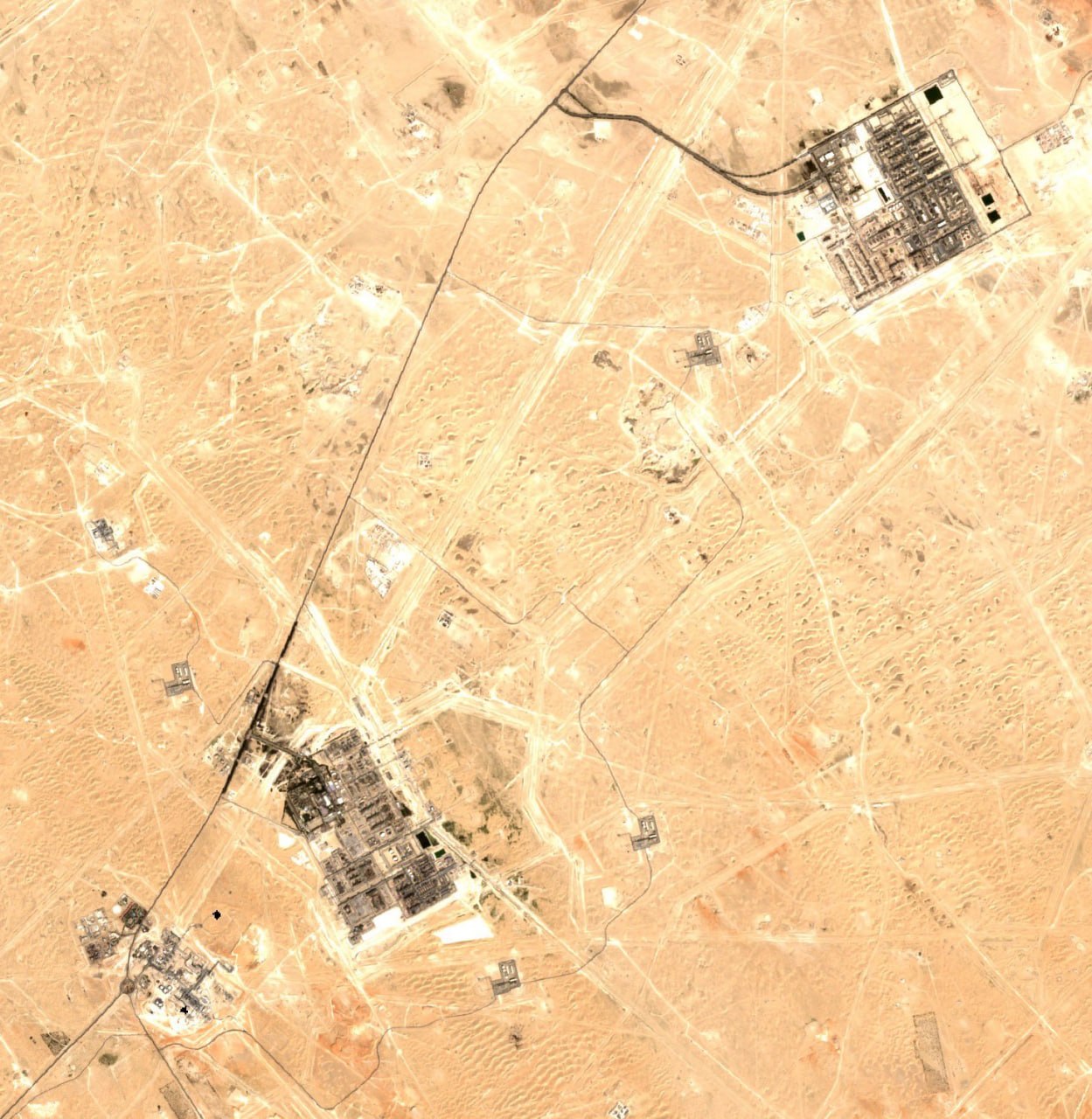
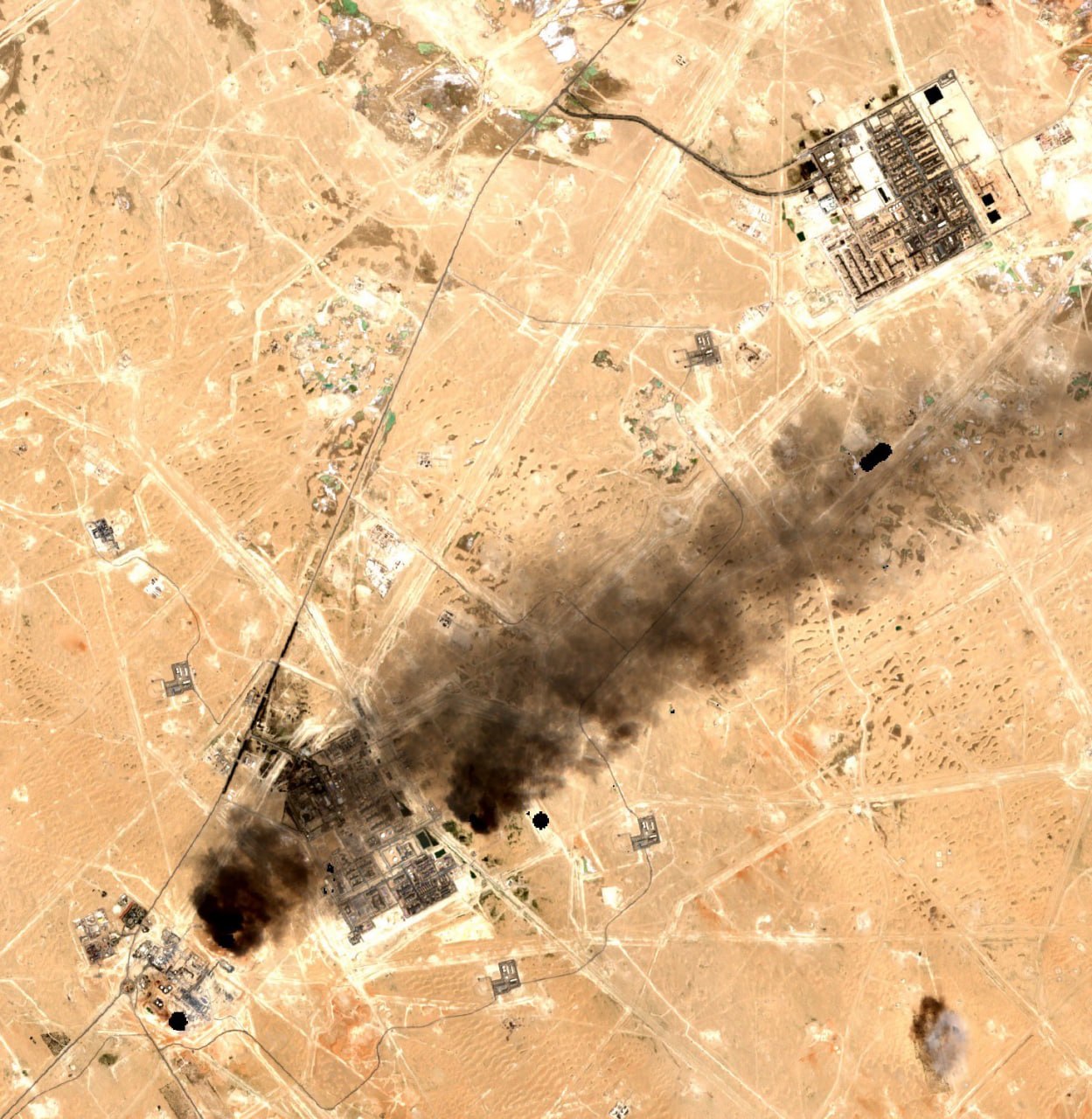
Iran launched a coordinated missile and drone barrage targeting multiple Gulf states. At 01:19 UTC, ballistic missiles and one‑way attack drones were fired toward Bahrain, Saudi Arabia and the United Arab Emirates, triggering civil defense sirens in all three countries (monitor_the_situation). Later, at 04:27 UTC, Iran struck the Saudi petrochemical hub of Al‑Jubail with ballistic missiles and kamikaze drones, damaging facilities that process a significant share of the kingdom’s oil‑derived products (intelslava). The same day, a ballistic missile hit the SABIC plant in Yanbu, igniting a large fire and threatening critical industrial capacity (monitor_the_situation).
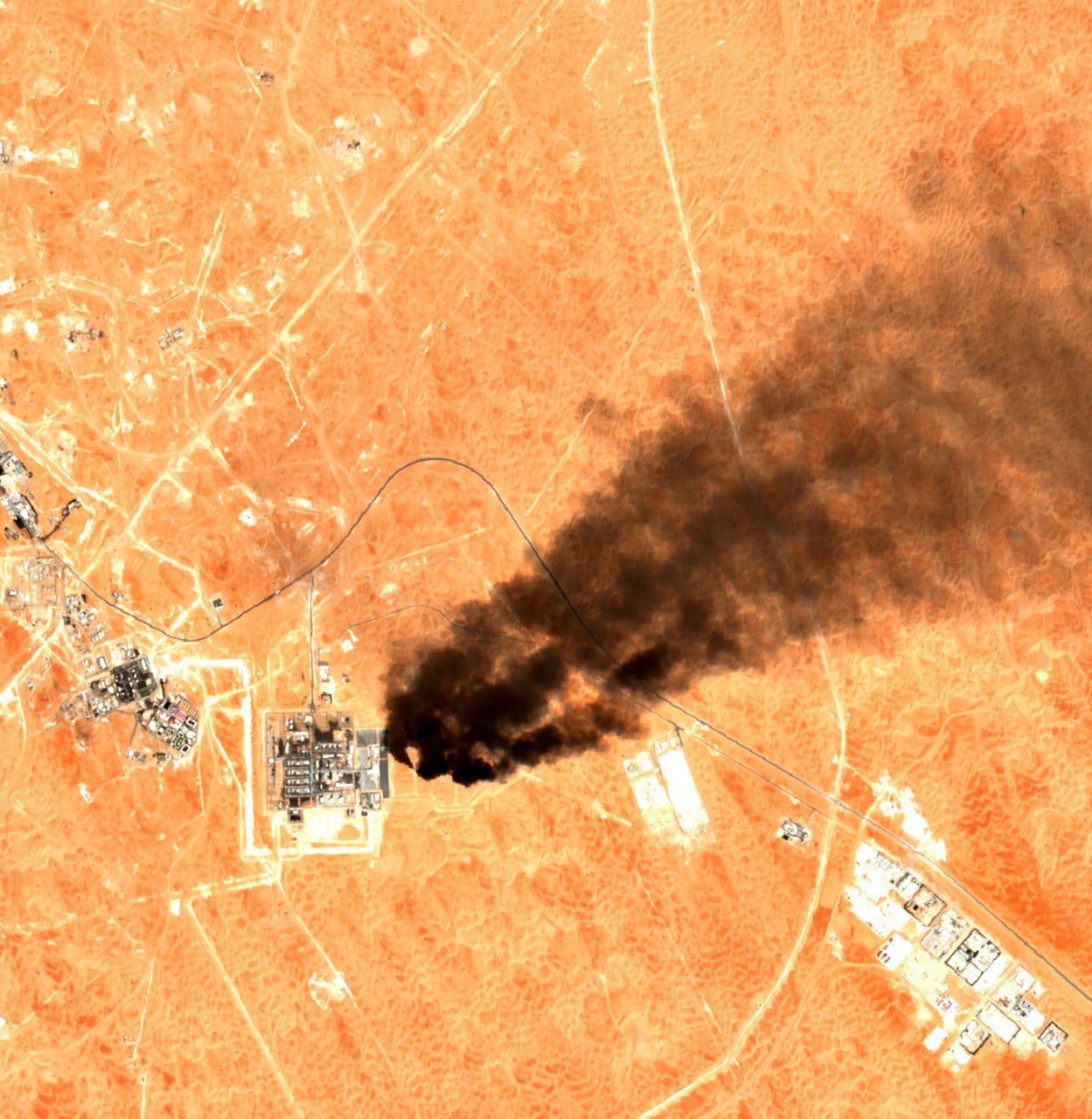
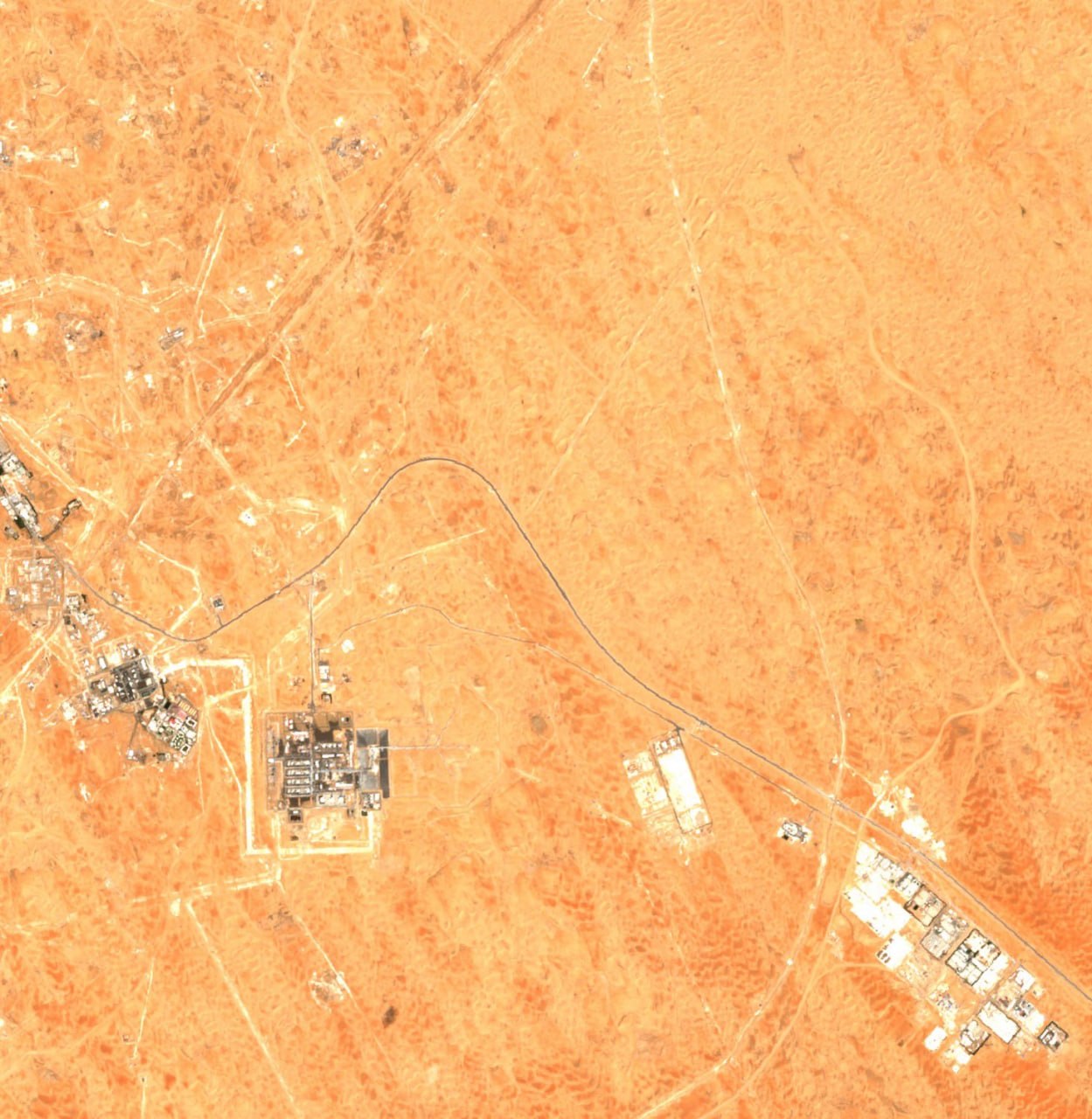
In the United Arab Emirates, satellite imagery confirmed Iranian projectiles striking both the Asab and Habshan oil fields, employing missiles and drones (rnintel; rnintel). The attacks disrupted production and raised concerns about regional energy security.
Ukrainian Strike on Russian Oil Export Port
At 04:58 UTC, Ukrainian forces attacked the Ust‑Luga oil export terminal in Russia’s Leningrad Oblast. The port is a key conduit for Russian crude exports to Europe and Asia. While casualty figures were not released, the strike was reported by monitor_the_situation and accompanied by video footage (source). The operation aligns with Ukraine’s broader strategy of targeting Russian energy infrastructure.
US Strategic Movements and Air Operations
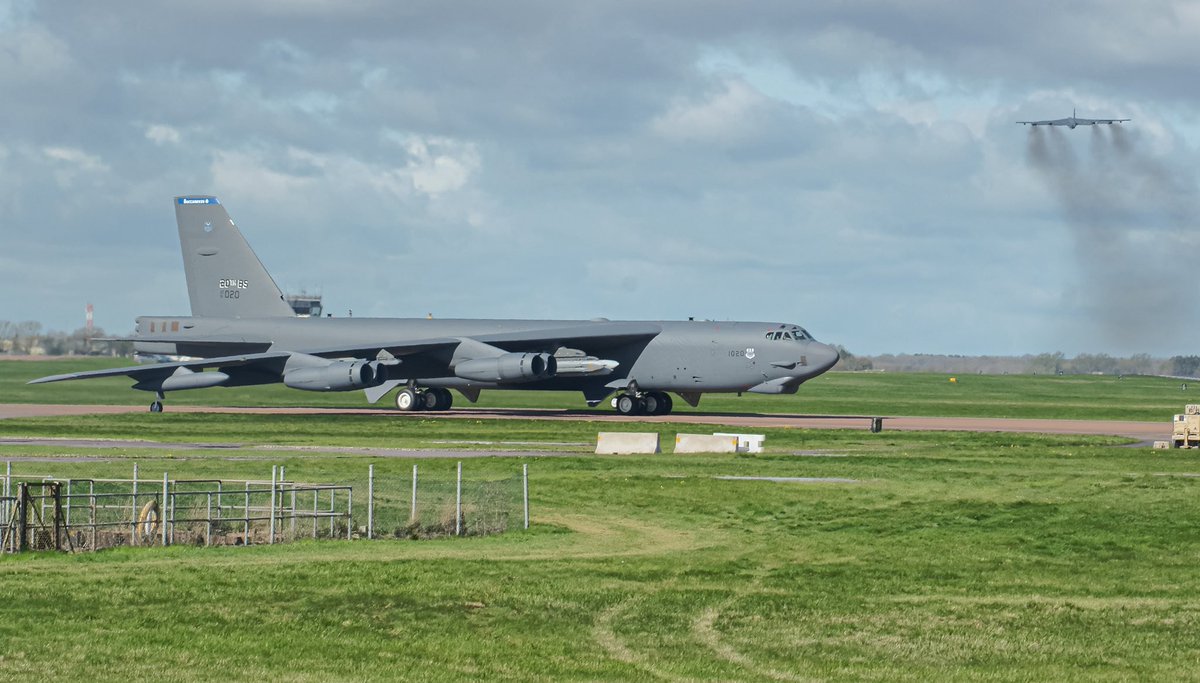
The United States escalated its presence in the region on two fronts. First, at 05:19 UTC, B‑52 bombers departed from bases in England carrying AGM‑158 JASSM cruise missiles en route to a strike mission against Iran (monitor_the_situation). Second, the US Army’s 142nd Field Artillery Brigade began deploying HIMARS rocket systems to the Middle East, enhancing rapid‑fire capabilities against potential Iranian targets (monitor_the_situation). These moves were noted alongside a statement from US Defense Secretary Pete Hegseth that the United States was conducting its highest daily number of strikes on Iran (Al Jazeera).
Regional Rocket Alerts and Air Defense Engagements
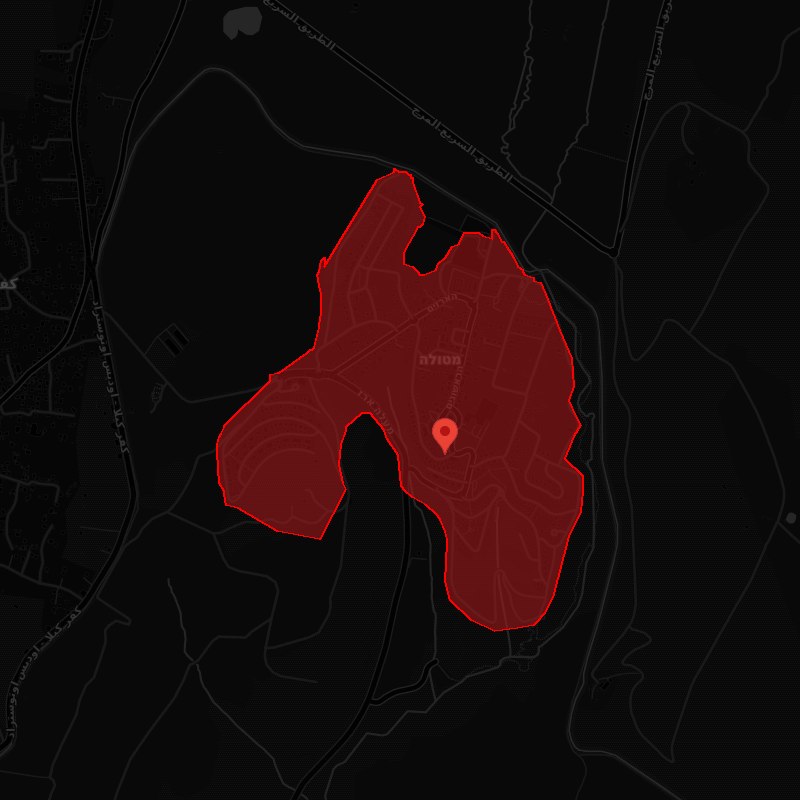
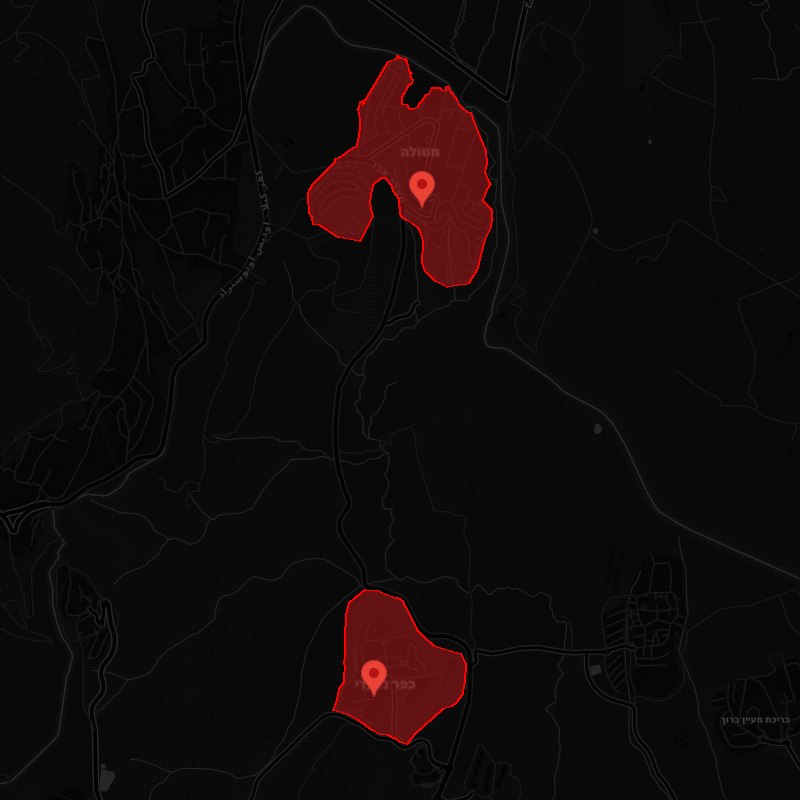
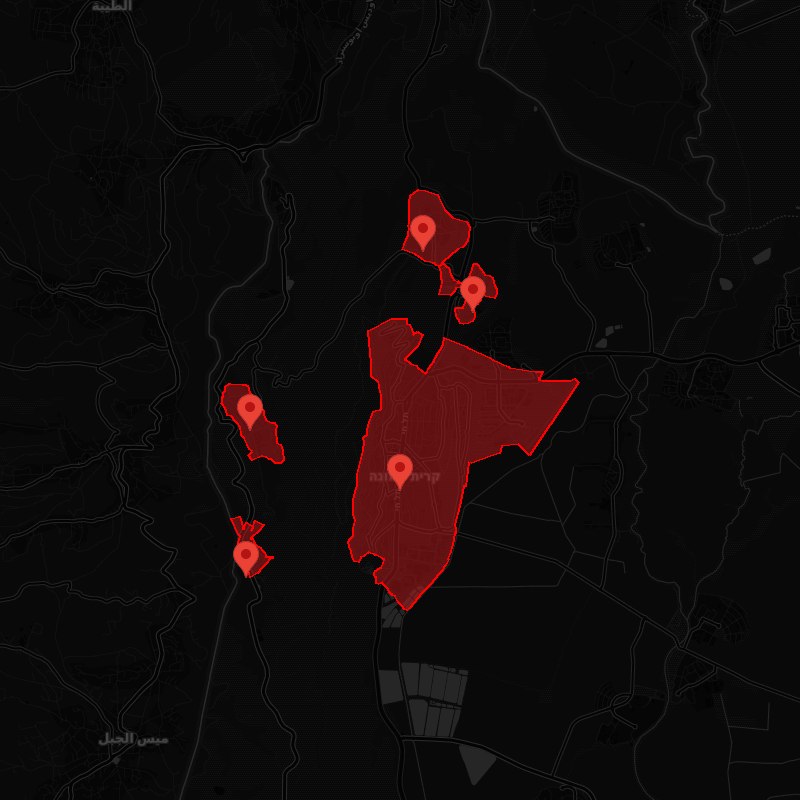
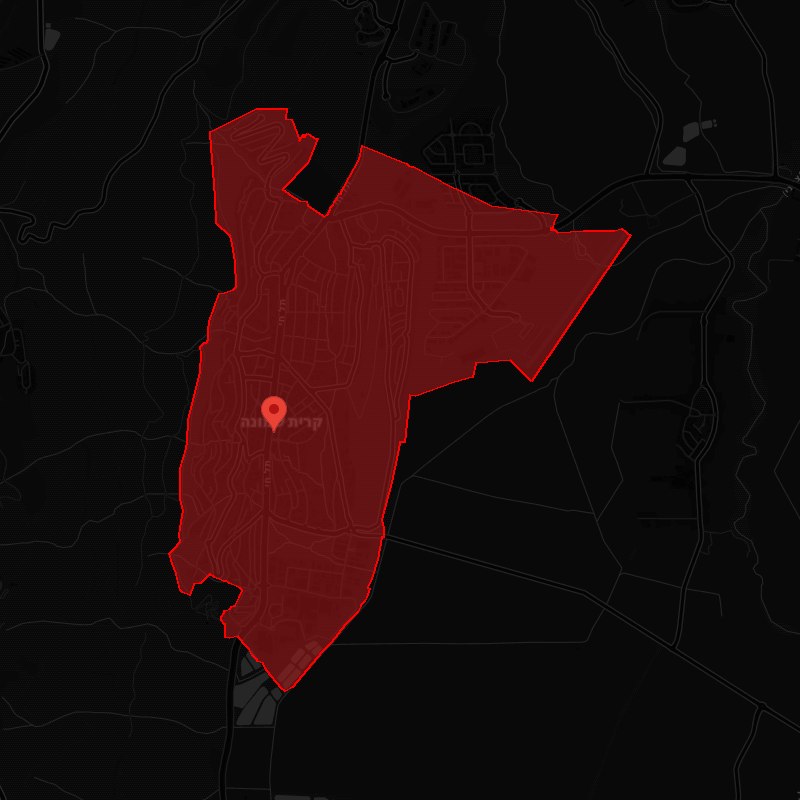
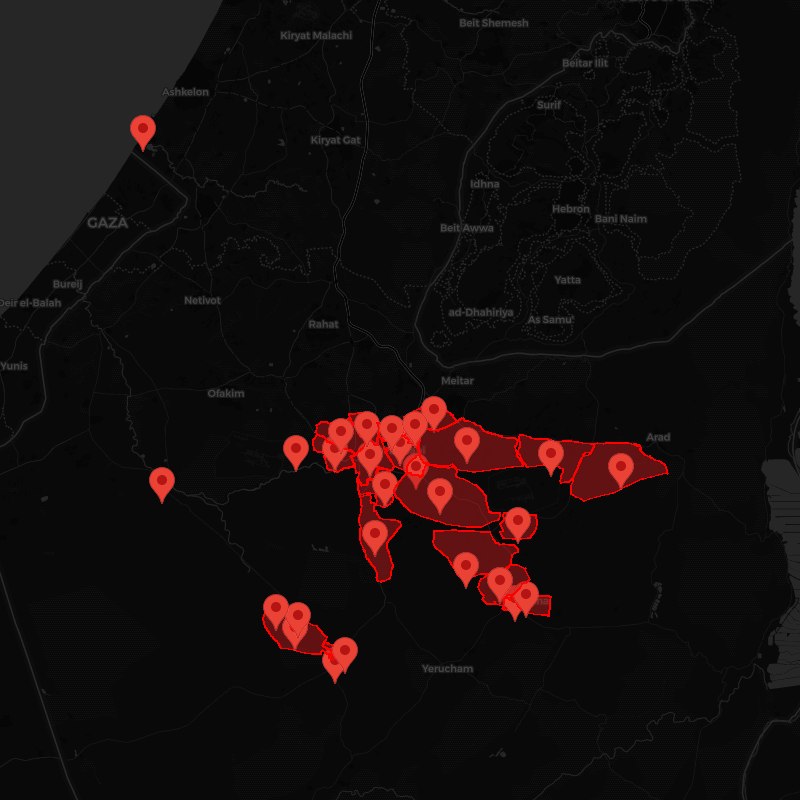
Multiple rocket alerts were recorded across northern Israel, with RocketAlert.live issuing warnings for the Metulla, Kfar Giladi, and Southern Negev sectors between 03:55 UTC and 05:41 UTC. Although no impact reports were confirmed, the alerts illustrate the persistent low‑level threat environment along the Israel‑Lebanon border.
In Erbil, Iraq, air defenses intercepted several hostile drones at 02:25 UTC, as reported by local media and shared on monitor_the_situation (source). The engagement underscores Iraq’s exposure to spillover from the Iran‑Israel confrontation.
Cyber Outage in Russia
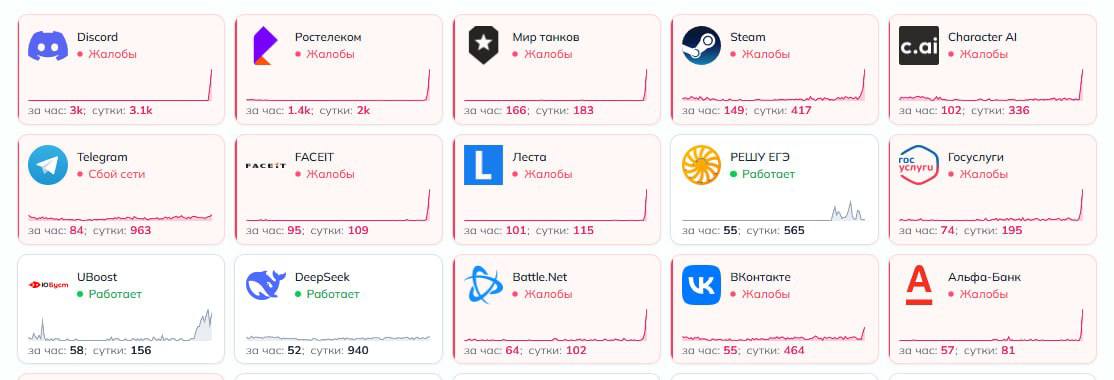
At approximately 23:00 UTC on 6 April, Russia experienced a nationwide internet outage that persisted into 7 April, affecting banks, social media platforms, gaming services and other critical online infrastructure (BellumActaNews). The cause remains unidentified, but the disruption adds a non‑kinetic dimension to the broader regional instability.
Key Developments
Additional notable incidents include:
- US airstrikes on the 13th PMF Brigade positions in Al‑Qaim, Iraq (three strikes, no casualty data reported).
- A massive fire at the Al Jubail Petrochemical refinery following explosions in a heat exchanger and a hydrotreater, confirmed by NASA’s FIRMS satellite fire detection system.
- Israeli statements announcing a wave of airstrikes against Iranian regime infrastructure across multiple undisclosed locations.
Collectively, these events illustrate a rapid escalation across kinetic, cyber and strategic domains, with multiple state and non‑state actors engaging in simultaneous operations.