On 7 April 2026, a series of high‑intensity kinetic events unfolded across the Middle East, marking one of the most severe escalations in recent years. The day began with a critical Israeli airstrike on Lebanon that, according to Lebanese officials, resulted in more than 1,500 fatalities. The strike, reported by the Telegram channel rnintel, underscores a dramatic surge in lethal force and sets the context for a cascade of subsequent military actions.
Lebanese Airstrike: Casualties Reach 1,500
The Israeli operation, timestamped 14:14:29 UTC, targeted undisclosed sites within Lebanon. Lebanese authorities confirmed the death toll at “over 1,500 people,” a figure that far exceeds previous single‑event casualties in the region. No specific weapons were listed, and the source did not identify the responsible Israeli unit. The full report is available at rnintel/58565.
"Israeli strikes on Lebanon have caused over 1500 deaths, per the latest official report from Lebanese authorities." – rnintel
Cross‑Border Ground Clashes Injure Israeli Soldiers
At 12:00:39 UTC, Israeli forces reported 36 soldiers wounded during intense engagements with Hezbollah militants along the Lebanon‑Israel frontier. The report, posted by monitor_the_situation, noted that the injuries occurred over a 48‑hour window and contributed to a cumulative war toll of 411 Israeli casualties. Video evidence accompanied the claim (monitor_the_situation/8693).
Iran‑Hezbollah Rocket Barrage Hospitalizes 133 Israelis
Between 10:00 and 10:57 UTC, coordinated missile and rocket attacks launched by Iran and Hezbollah struck multiple locations within Israel, resulting in 133 hospitalizations. The attacks employed a mix of missiles and rockets, as detailed by monitor_the_situation. The channel provided video documentation (monitor_the_situation/8658).
"133 Israelis Hospitalized from Iran and Hezbollah Attacks" – monitor_the_situation
Iranian Missile Launches and IRGC Ballistic Activity
Iran’s Islamic Revolutionary Guard Corps (IRGC) Aerospace Force released footage at 17:45:09 UTC showing the launch of three medium‑range ballistic missiles—Kheibar Shekan, Ghadr and Emad—toward unspecified regional targets. The video, posted by intelslava, illustrates Iran’s capability to field advanced MRBMs (intelslava/86153).
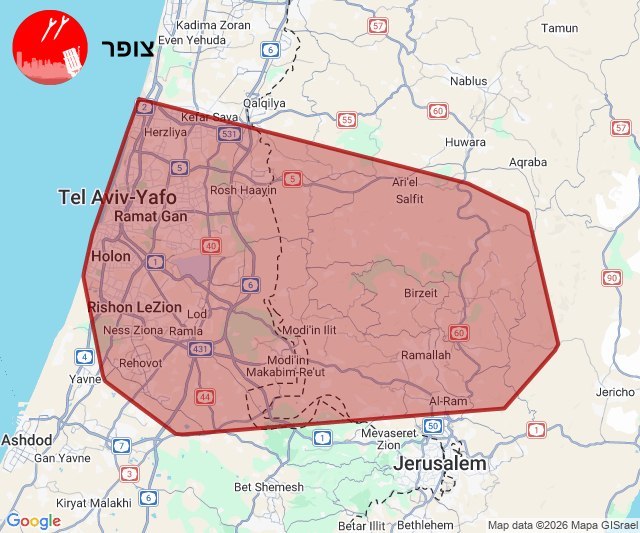
Additional ballistic missile launches from Iran toward Israel were reported throughout the day by multiple sources, including rnintel (14:41:43, 15:14:52, 15:37:18, 15:41:12, 15:57:18, 16:01:33, 16:01:10) and RocketAlert. While casualty figures for these launches remain unconfirmed, the frequency of launches signals a sustained missile campaign.
Israeli Air Campaign Against Iranian Infrastructure
Israel conducted a series of extensive airstrikes targeting Iranian railway lines, bridges, and air‑defense installations. Notable operations include:
- 13:38:38 UTC – Airstrikes on Iranian railway infrastructure (monitor_the_situation/8722).
- 07:36:59 UTC – Destruction of over 130 Iranian air‑defense systems nationwide (monitor_the_situation/8635).
- 10:33:07 UTC – Strikes on Iranian air‑defense systems (monitor_the_situation/8666).
- Multiple reports from CIG_telegram and BellumActaNews confirmed attacks on eight bridges and several key bridges across Iran (CIG_telegram/73403, BellumActaNews/170497).
These strikes aim to disrupt the IRGC’s logistics and weapons transfer capabilities, as stated by Israeli officials.
Missile and Drone Interceptions
Both Iranian and Israeli missile launches were met with defensive interceptions. At 15:56:49 UTC, rnintel reported a successful missile interception, though details on the system used were not disclosed (rnintel/58578). Later, at 13:26:41 UTC, another interception was logged (rnintel/58563).
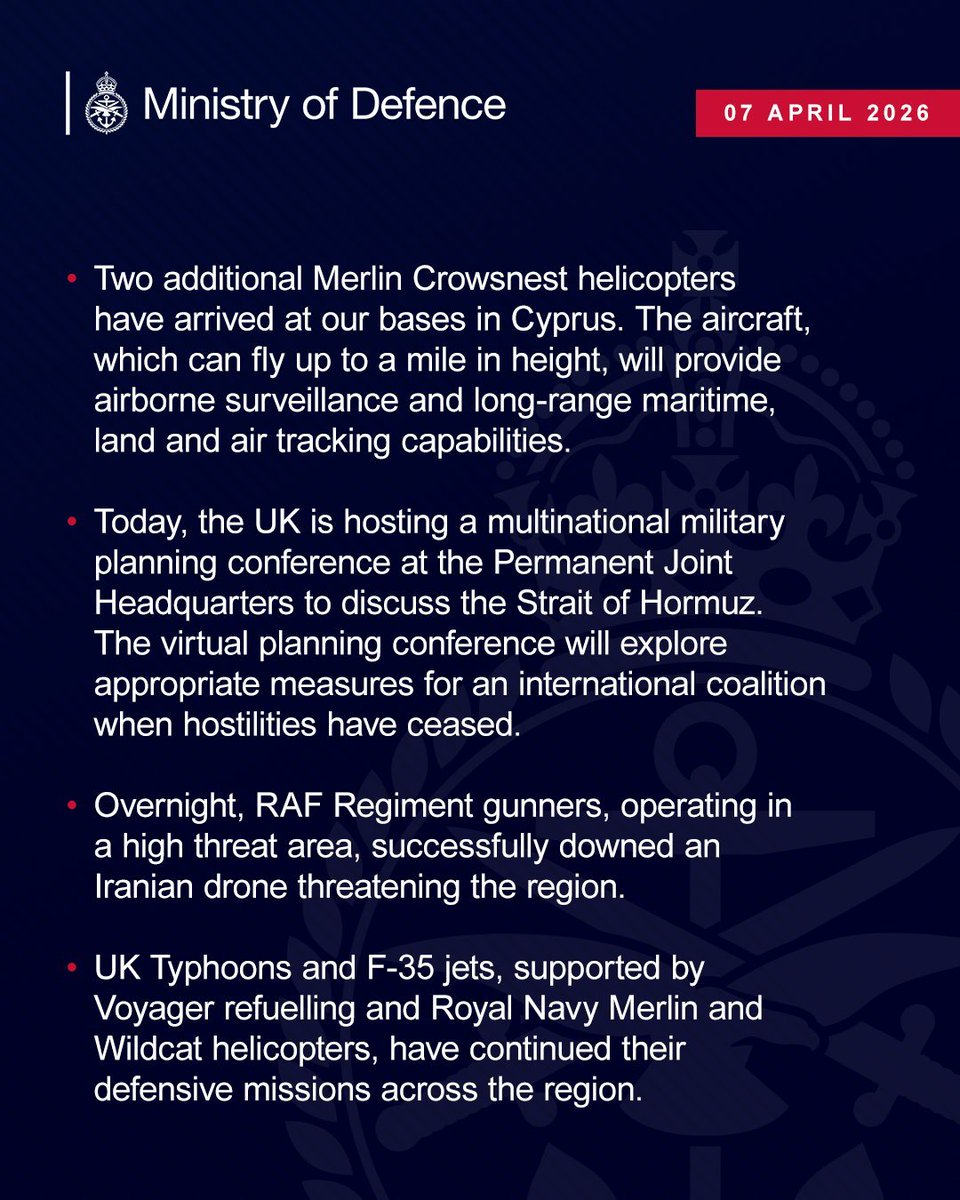
International actors also engaged: the United Kingdom’s Ministry of Defence confirmed the downing of an Iranian drone near a Cypriot base at 16:18:17 UTC, deploying Merlin helicopters for surveillance (monitor_the_situation/8769). The United States suffered the loss of an MQ‑9 Reaper drone to Iranian air‑defense fire at 14:59:25 UTC (intelslava/86106).
UAV Activity Across Multiple Fronts
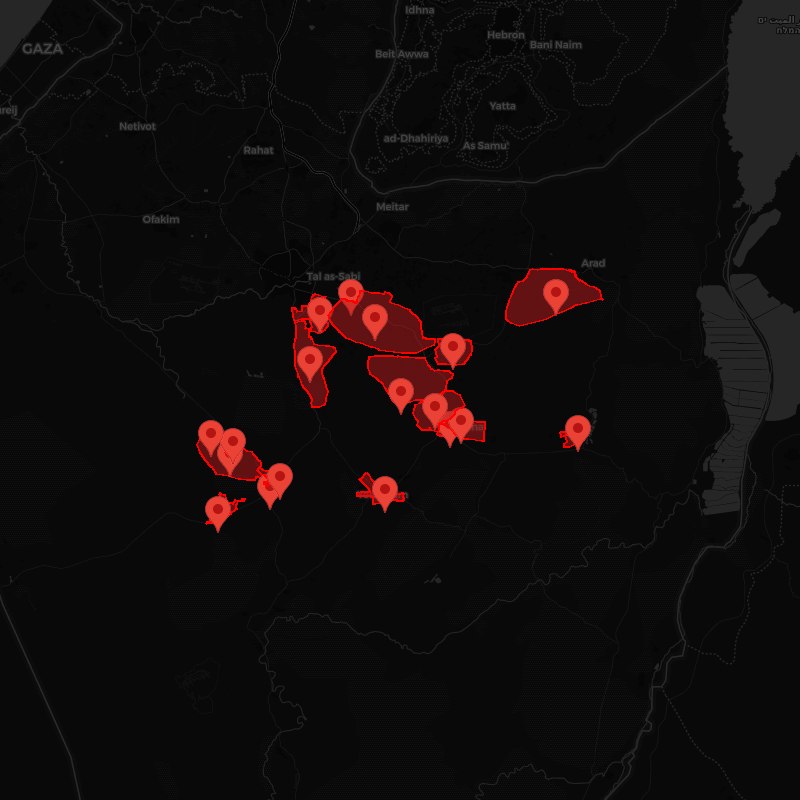
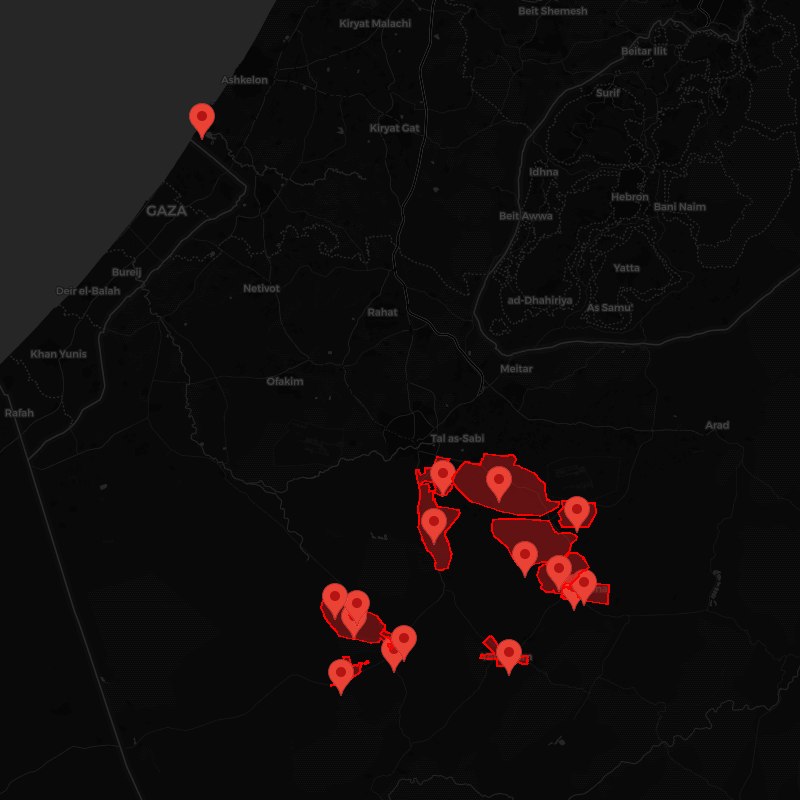
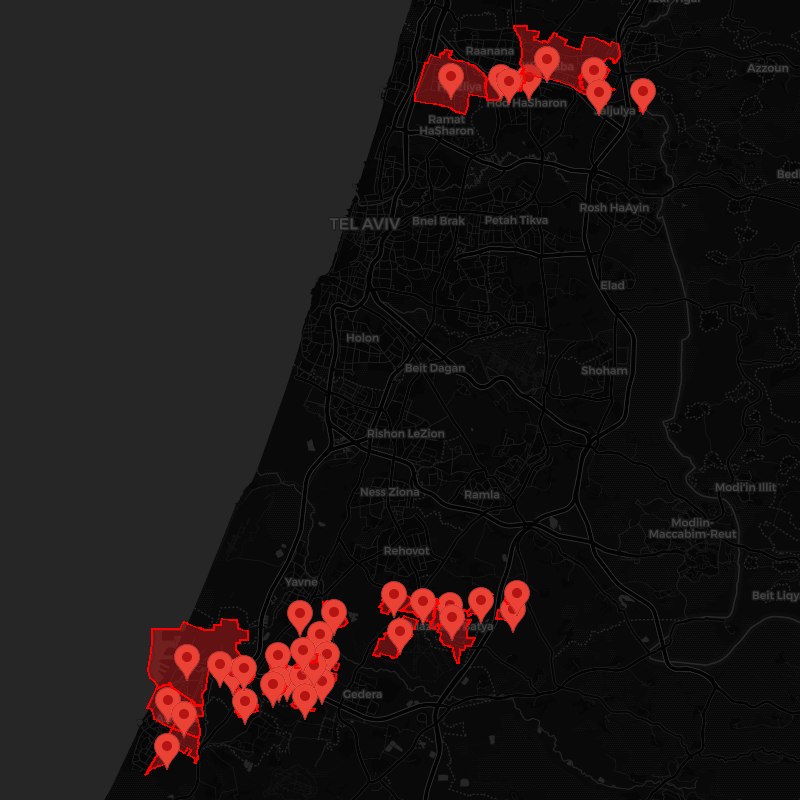
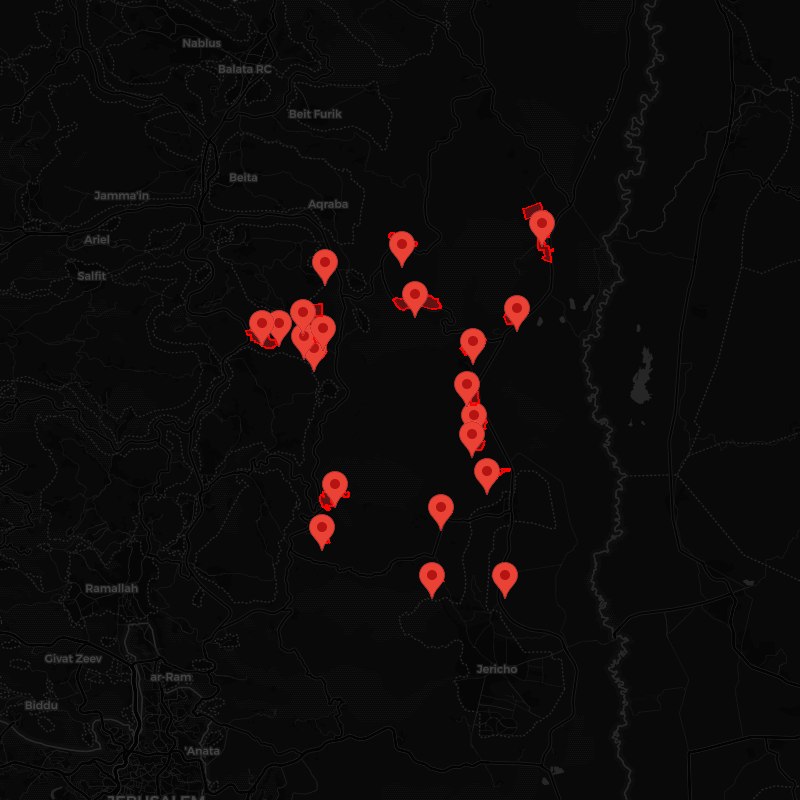
Hostile UAV alerts proliferated throughout the day, primarily over Israeli territory. Channels RocketAlert and monitor_the_situation logged more than twenty separate UAV incidents, ranging from hostile drone alerts in the Upper Galilee to FPV drone strikes within Palestinian areas (rnintel/58521). Israeli police also reported cluster munition impacts at ten locations at 06:40:10 UTC (rnintel/58520).
Broader Regional Context
While the primary focus remains on the Israel‑Lebanon‑Iran nexus, parallel kinetic events unfolded elsewhere. Ukrainian drones struck Russia’s Nizhny Novgorod refinery, prompting potential fuel shortages (monitor_the_situation/8770), and Ukrainian UAVs attacked the Ust‑Luga port, with Russian defenses claiming over 20 UAVs shot down (monitor_the_situation/8633).
Domestically, the United States faced internal debate over nuclear policy, with public statements from former officials and media outlets warning against a potential nuclear strike on Iran (Al Jazeera, CIG_telegram).
Assessment
The cascade of kinetic events on 7 April 2026 reflects a rapid escalation of conventional and missile warfare across the Middle East. The unprecedented casualty figure from the Lebanese airstrike, combined with sustained missile launches from Iran and a broad Israeli air campaign against Iranian infrastructure, indicates a widening of the conflict beyond bilateral engagements. Interceptions by regional and extra‑regional forces demonstrate heightened air‑defense postures, while the proliferation of UAV activity suggests an expanding role for unmanned systems in both offensive and defensive operations.
Continued monitoring of casualty reports, missile trajectories, and air‑strike verification will be essential to gauge whether these kinetic actions transition into a broader strategic confrontation or remain confined to the current cycle of retaliation.