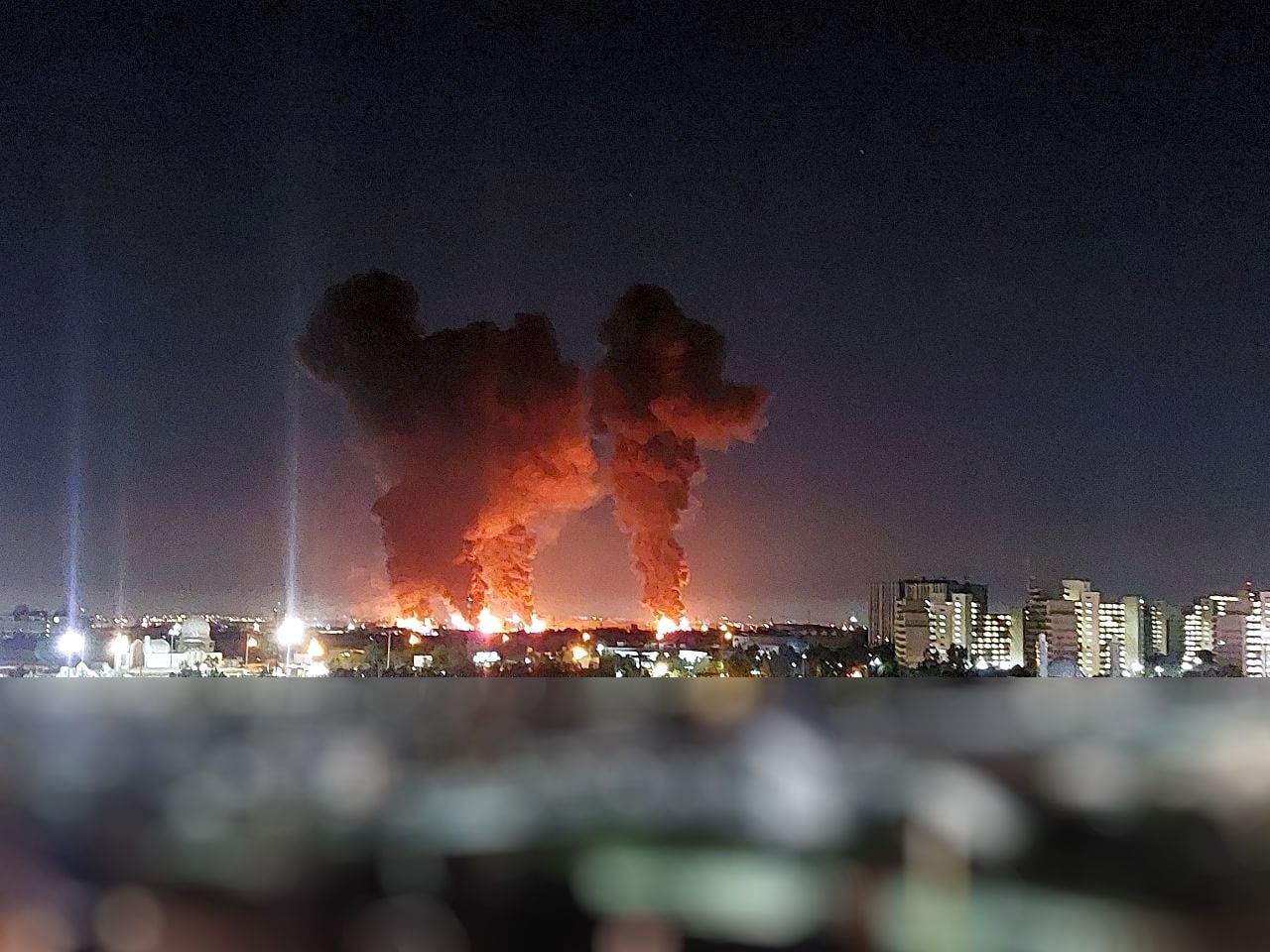
At 05:27 local time on 7 April 2026, a coordinated US‑Israel airstrike struck a synagogue in Tehran, causing extensive structural damage and scattering Hebrew books across the interior. Video footage released by Iran’s Mehr News Agency, and subsequently shared by the monitoring channel monitor_the_situation, shows the building’s façade reduced to rubble and emergency crews battling fires amid a heavy security presence. No casualty figures have been confirmed, but the incident underscores a marked escalation in kinetic operations targeting both symbolic and strategic sites within Iran.
Synagogue Strike in Tehran
The attack on the Tehran synagogue represents the most visible manifestation of the joint operation, combining intelligence, precision targeting, and psychological impact. While the weapon system employed was not disclosed, the rapid response of civil‑defence units and the presence of both US and Israeli symbols in the aftermath suggest a high‑level coordination between the two militaries. The source channel monitor_the_situation provided the primary video evidence, noting that the strike was part of a broader campaign against Iranian regime infrastructure.
"A joint US‑Israel airstrike hit a synagogue in Tehran, scattering Hebrew books amid rubble as shown in footage from Iran's Mehr News Agency," – monitor_the_situation, 07‑Apr‑2026
Underground IRGC Headquarters Targeted in Jamran Mountains
Earlier in the day, at 04:28, the intelslava channel reported that US B‑2A Spirit strategic bombers struck the Islamic Revolutionary Guard Corps (IRGC) underground headquarters in the Jamran district of Tehran Province. Satellite imagery released by the channel pinpoints the target at coordinates 35.827991 N, 51.446823 E, revealing a communications node and multiple tunnel entrances. The B‑2A’s stealth capabilities enable deep‑penetration strikes, and the operation aligns with previous US‑led attacks on IRGC command facilities.
"Presumably, the underground headquarters of the IRGC, which was attacked by B‑2A Spirit strategic bombers on April 3rd, could have been located in the mountains of the Jamran district," – intelslava, 07‑Apr‑2026
Israeli Air Force Bombardment of Pardis City Housing Project
At approximately 03:00 local time, the Israeli Air Force (IAF) bombed a residential building within Phase 4 of the Mehr Housing Project in Pardis City, Tehran Province. Video shared by BellumActaNews shows extensive damage to the structure, with debris and smoke visible from nearby streets. The IAF has not publicly confirmed the strike, but the timing coincides with the broader wave of attacks across the capital.
"Around 3 am local time, the Israeli Air Force targeted a building inside Phase 4 of Pardis City, part of the broader 'Mehr Housing Project'," – BellumActaNews, 07‑Apr‑2026
Coordinated Strikes on Mehrabad Airport
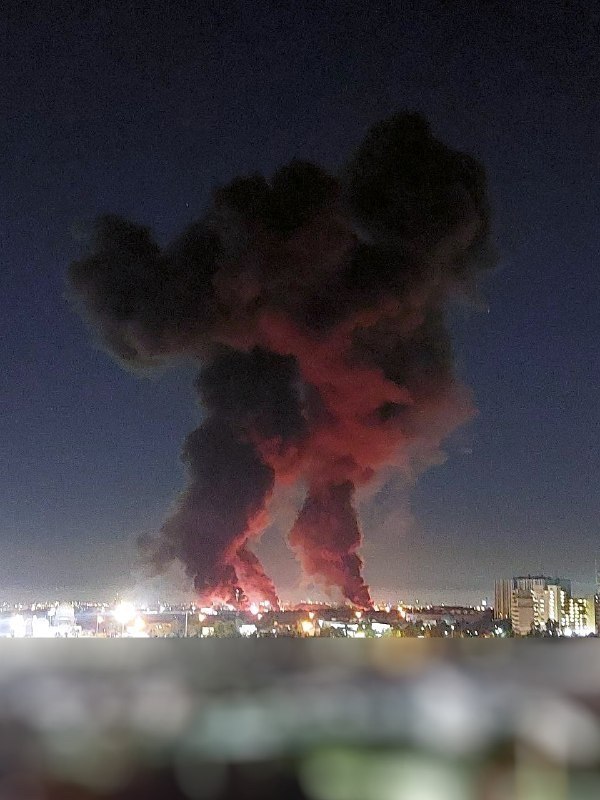
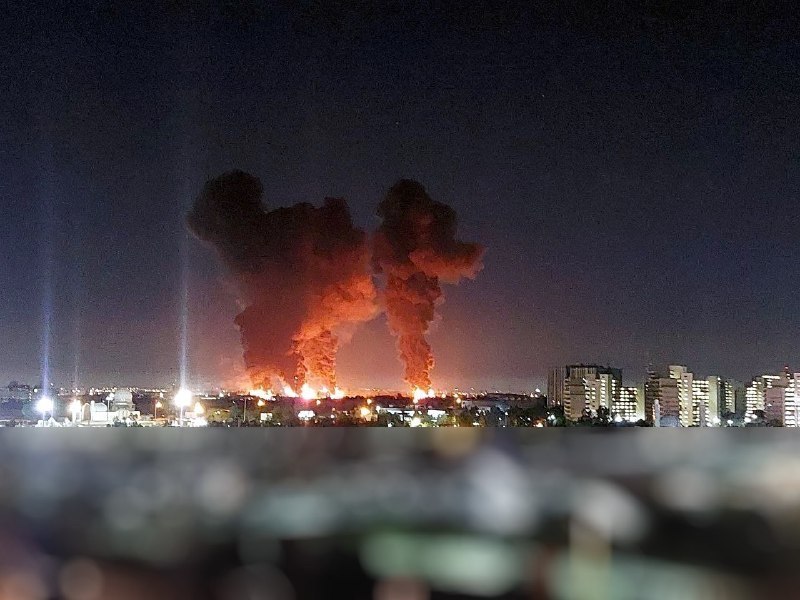
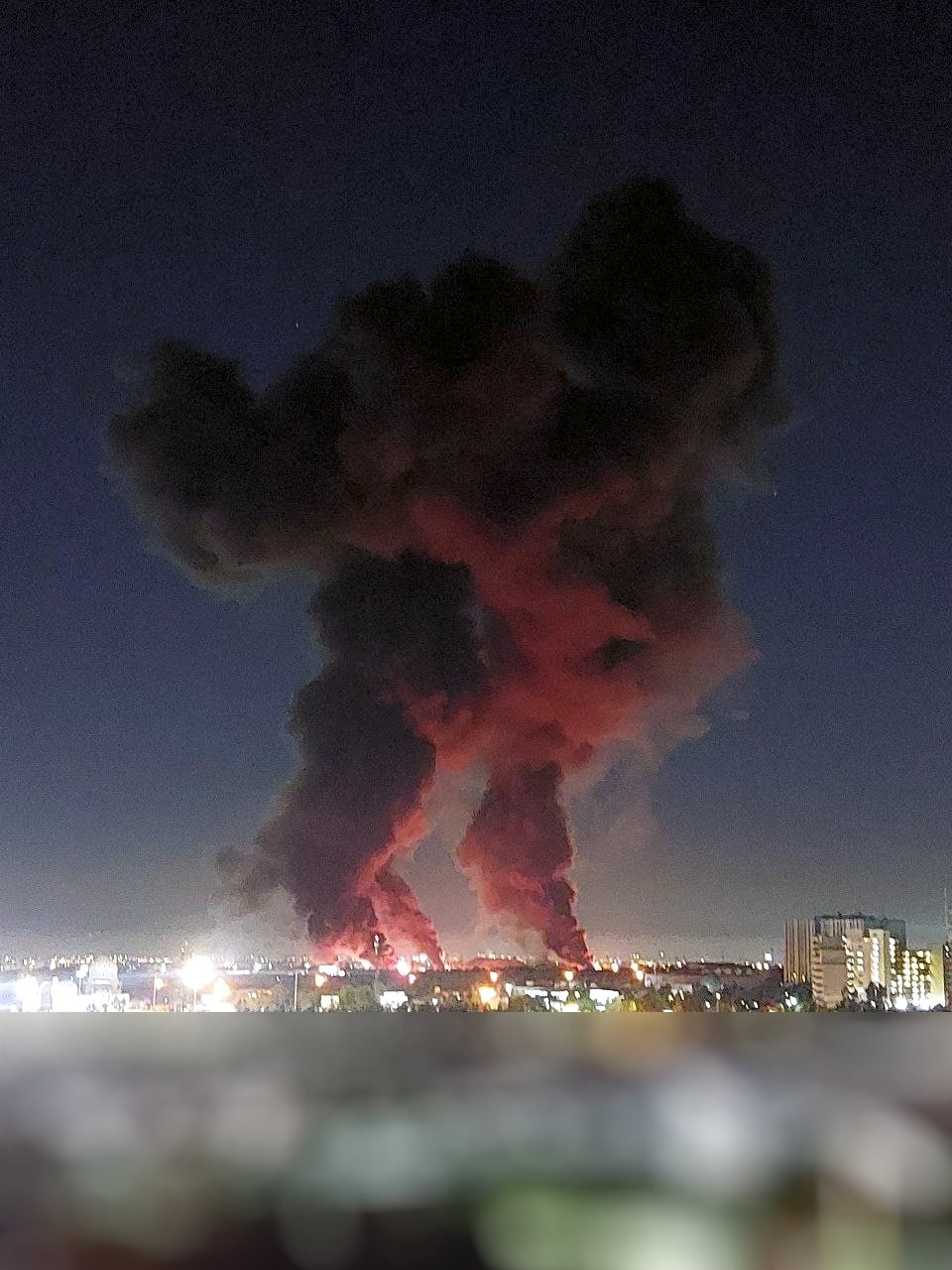
Multiple airstrikes converged on Tehran’s Mehrabad Airport between 01:56 and 03:00. The first reported incident at 01:56 involved explosions in Yazd, but by 02:14, both Israeli and US air forces were observed delivering munitions over Mehrabad, generating columns of flame and thick smoke. BellumActaNews posted three media items—photos and video—showing the airport’s runway ablaze and emergency services attempting to contain the fires.
"Columns of flames and smokes are seen rising over Mehrabad Airport in Tehran Province following another salvo of IAF/USAF strikes," – BellumActaNews, 07‑Apr‑2026
Later, at 00:19, the channel CIG_telegram confirmed that US and Israeli aircraft struck the western perimeter of Tehran near Mehrabad, reinforcing the pattern of simultaneous multi‑national strikes on the same strategic node.
"US/Israeli airstrikes targeted western Tehran, in the area of Mehrabad Airport, causing massive fires," – CIG_telegram, 07‑Apr‑2026
USAF Overnight Bombardment of Isfahan
At 02:21, BellumActaNews released a video documenting overnight United States Air Force (USAF) strikes over Isfahan, a major industrial hub in central Iran. While the specific targets were not identified, the footage shows multiple flash events consistent with precision‑guided munitions. No immediate casualty reports have emerged, but the strike adds to the cumulative pressure on Iran’s critical infrastructure.
"Video from earlier shows the overnight airstrikes by USAF in Isfahan," – BellumActaNews, 07‑Apr‑2026
Explosions Reported in Yazd and Kashan Airports
In central Iran, residents of Yazd reported loud explosions at 01:56, attributed by monitor_the_situation to ongoing Israeli air operations targeting regime infrastructure. Simultaneously, the Israeli Defense Forces (IDF) claimed responsibility for strikes on three Iranian airports, including Kashan Airport, as reported by the JPost. The IDF’s statement framed the attacks as targeting “terror infrastructure” linked to the Iranian Air Force and IRGC Air Force.
"IDF strikes terror infrastructure across Iran, attack reported on Kashan airport," – JPost, 07‑Apr‑2026
Targeted Assassination in Karaj
At 02:42, a separate incident unfolded in Karaj, Alborz Province, where a targeted assassination was reported by BellumActaNews. The channel provided a single photograph of the scene but did not disclose the victim’s identity, the weapon used, or the responsible party. The timing of the assassination, occurring within hours of the major airstrikes, suggests a coordinated effort to destabilize security structures beyond conventional kinetic attacks.
"A targeted assassination took place in Karaj, Alborz Province, Northern Iran," – BellumActaNews, 07‑Apr‑2026
Operational Overview and Strategic Implications
The series of kinetic events on 7 April 2026 reflects a synchronized, multi‑theater campaign by United States and Israeli forces against a spectrum of Iranian assets: religious sites, underground command facilities, civilian housing, major transportation hubs, and industrial centers. The use of strategic bombers (B‑2A), stealth fighters, and possibly cruise missiles indicates a high level of operational planning and intelligence sharing. While casualty figures remain limited in open sources, the physical damage to infrastructure and the psychological impact of striking a synagogue in the capital are significant.
All reported incidents were disseminated through open‑source Telegram channels, each providing video or photographic evidence that corroborates the timing and location of the strikes. The reliance on these channels underscores the importance of real‑time social‑media monitoring for conflict analysts tracking kinetic actions in Iran.