On 7 April 2026 Israel faced its most concentrated kinetic assault of the year, with Iranian ballistic missiles traversing its airspace and Hezbollah deploying Scud‑B rockets against northern installations. The events, documented by open‑source channels such as intelslava, rnintel, and GeoPWatch, illustrate a rapid escalation in both range and payload of projectiles targeting civilian and military sites.
Iranian ballistic missile overflight and strikes
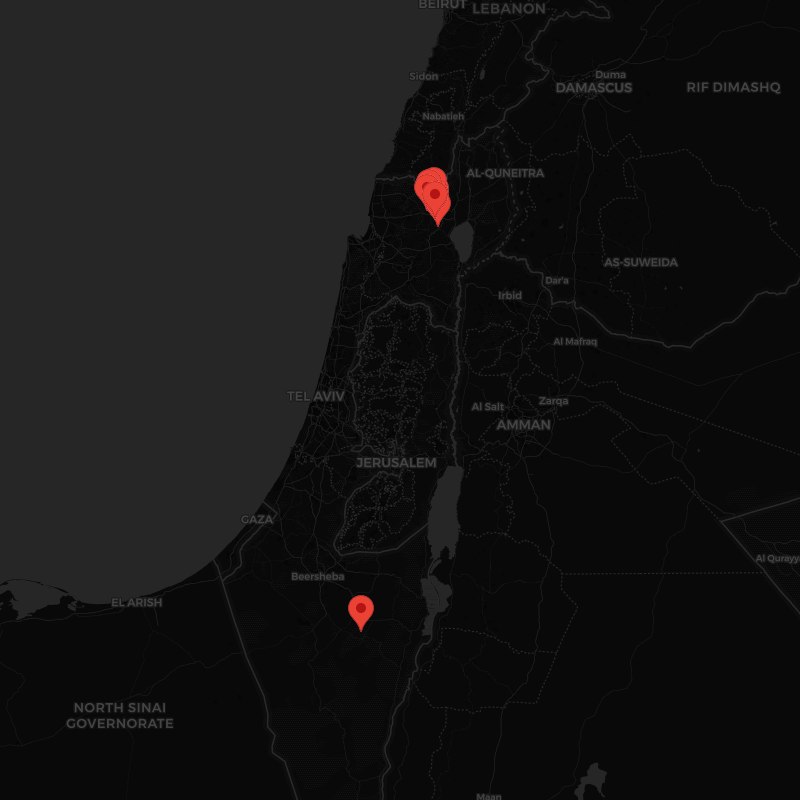
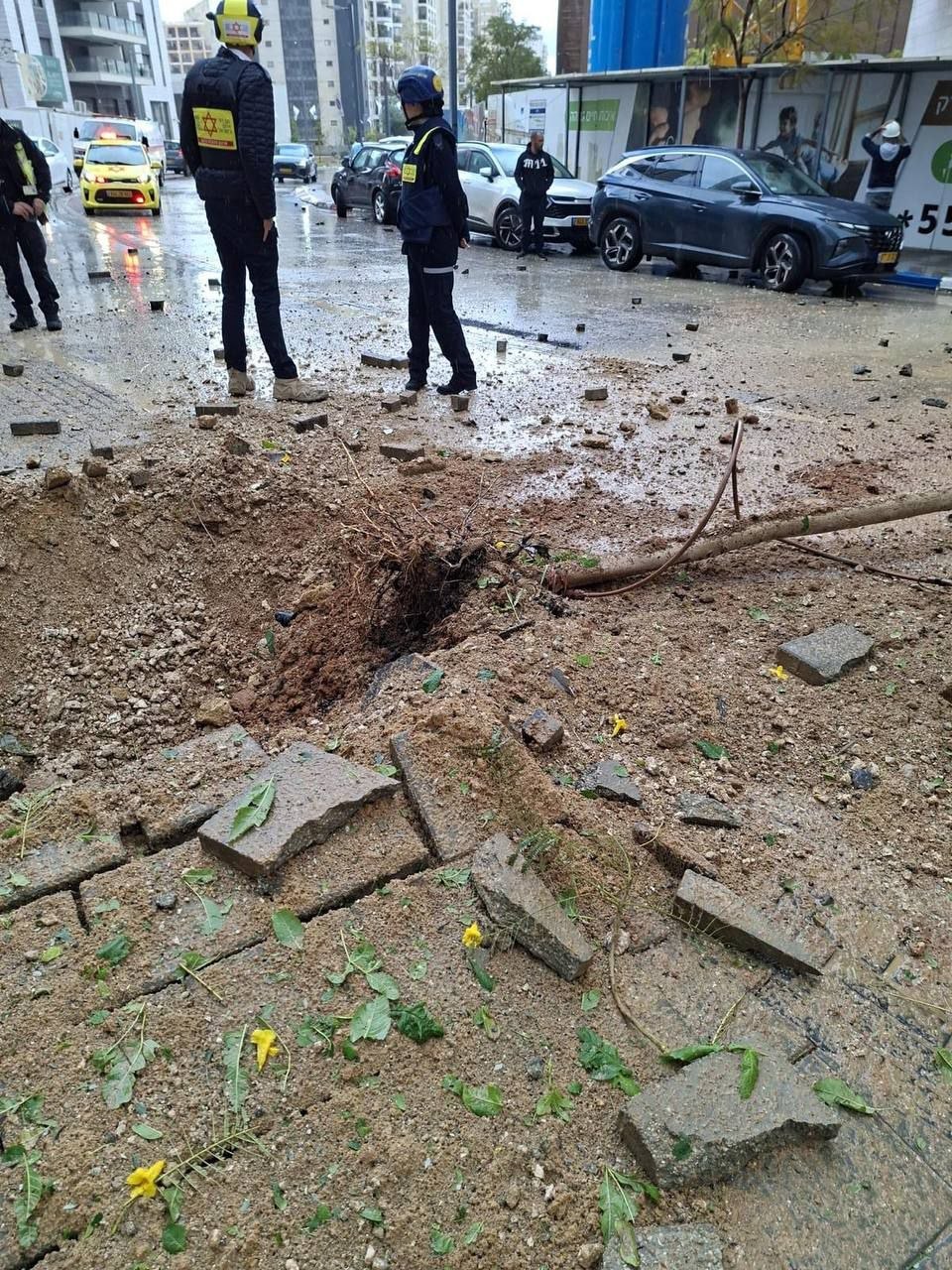
At 17:48 UTC, a video posted by intelslava captured an Iranian ballistic missile flying over Dimona in Israel’s Negev desert. The footage, shared on Telegram (https://t.me/intelslava/86155), shows the missile’s trajectory at high altitude before disappearing from view. Earlier, at 17:35 UTC, rnintel reported a launch detection from Iran directed toward southern Israel (https://t.me/rnintel/58584). The same day, Iranian missiles impacted central locations: Ramat Hasharon suffered damage to sidewalks and a overturned vehicle (monitor_the_situation, https://t.me/monitor_the_situation/8664), while cluster‑munitions warheads were reported in Petah Tikva and Bnei Brak (rnintel, https://t.me/rnintel/58576). No civilian fatalities were confirmed in these incidents, but infrastructure damage and the psychological effect of repeated sirens were evident.
"Footage captures an Iranian ballistic missile flying over Dimona in southern Israel." – intelslava
Israeli air‑defense systems intercepted a ballistic missile west of the Dead Sea at 13:36 UTC (monitor_the_situation, https://t.me/monitor_the_situation/8720), demonstrating a functional, though strained, missile‑defence posture. The interception prevented potential casualties in the densely populated Judean region.
Hezbollah’s Scud‑B deployment against the north
Hezbollah released two separate pieces of evidence confirming the use of R‑17 Elbrus (Scud‑B) tactical ballistic missiles against Israeli targets. The first, posted by intelslava at 16:10 UTC, showed a Scud‑B striking an IDF installation in the Krayot area north of Haifa (https://t.me/intelslava/86129). The second, from GeoPWatch, referenced a similar strike on 31 March, reinforcing the pattern of long‑range attacks from Lebanese territory (https://t.me/GeoPWatch/30766). These missiles, originally transferred from Syria to Hezbollah in the late 2000s, had not been previously confirmed in operational use, marking a notable escalation in the group’s strike capability.
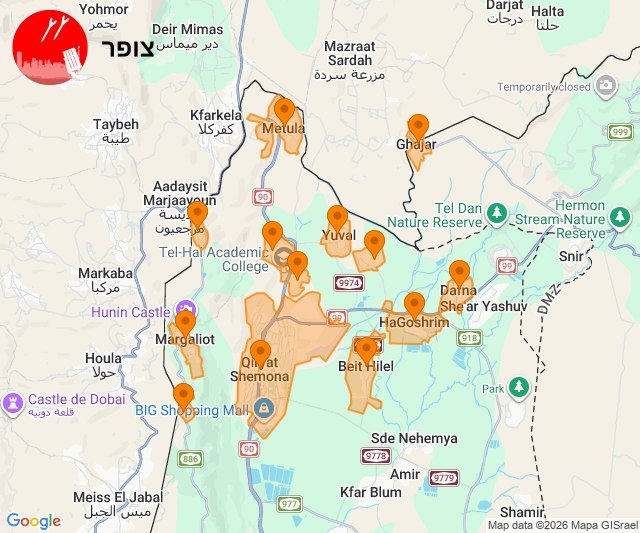
Hezbollah’s rocket launches continued throughout the day, with a video at 08:50 UTC documenting strikes on northern Israeli towns (monitor_the_situation, https://t.me/monitor_the_situation/8647). While casualty figures remain unreported, the attacks prompted immediate civil‑defence alerts across the Haifa district.
Cluster munition impacts across central Israel
Multiple cluster‑munition impacts were recorded in central Israel between 06:24 UTC and 10:27 UTC. Sources including rnintel, BellumActaNews, and JPost documented impacts in Petah Tikva, Bnei Brak, Ramat Hasharon, Rosh HaAyin, and Ramat Gan. Video evidence showed craters and unexploded sub‑munitions, but no injuries were reported (rnintel, BellumActaNews, JPost). The use of cluster munitions, a prohibited weapon under the Convention on Cluster Munitions for signatory states, underscores the unconventional payloads attached to Iranian missile deliveries.
Air‑defence performance and civilian alerts
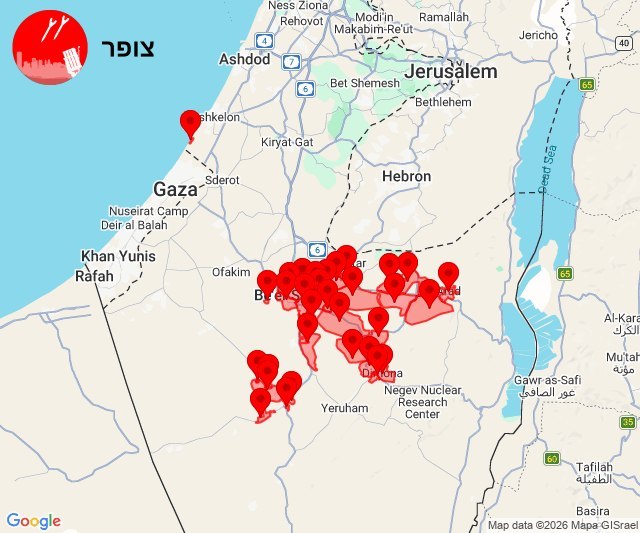
Israel’s integrated air‑defence network activated sirens in multiple districts: southern Israel (Beersheba, 13:15 UTC, rnintel), central Israel (Ramat Hasharon, 06:26 UTC, rnintel), and the Tel Aviv metropolitan area (06:41 UTC, BellumActaNews). The alerts coincided with a second wave of attacks at 06:10 UTC, indicating a coordinated barrage of rockets and missiles. Despite the high volume of alerts, casualty reports remained low, suggesting effective early‑warning and sheltering procedures.
Additional kinetic activity and unexplained explosions
Beyond missile and rocket strikes, isolated incidents added to the day's volatility. At 06:16 UTC, residents in Jerusalem reported loud explosions without accompanying sirens (BellumActaNews, https://t.me/BellumActaNews/170444). In the Yarkon and Gush Dan areas, MDA CEO Eli Ben confirmed damage from rocket impacts but no fatalities (idkunim_il, https://t.me/idkunim_il/57941). A hostile UAV alert in northern Israel at 12:54 UTC prompted further sirens, reflecting the multi‑domain nature of the threat environment (monitor_the_situation, https://t.me/monitor_the_situation/8707).
Analytical assessment
The concentration of kinetic events on 7 April demonstrates a synchronized campaign by state and non‑state actors to pressure Israel on multiple fronts. Iranian ballistic missile launches, combined with Hezbollah’s newly verified Scud‑B capability, extend the strike envelope beyond traditional rocket fire. The deployment of cluster munitions indicates a willingness to employ area‑effect weapons despite international prohibitions, raising the risk of civilian harm.
Israel’s air‑defence interceptions, while successful in preventing direct hits in some cases, were challenged by the sheer volume and diversity of projectiles. The rapid activation of civil‑defence sirens across the country mitigated casualties but also strained public resilience. Continued monitoring of missile trajectories, launch sites, and supply chains—particularly the flow of Syrian‑origin Scud missiles to Hezbollah—will be critical for anticipating future kinetic escalations.