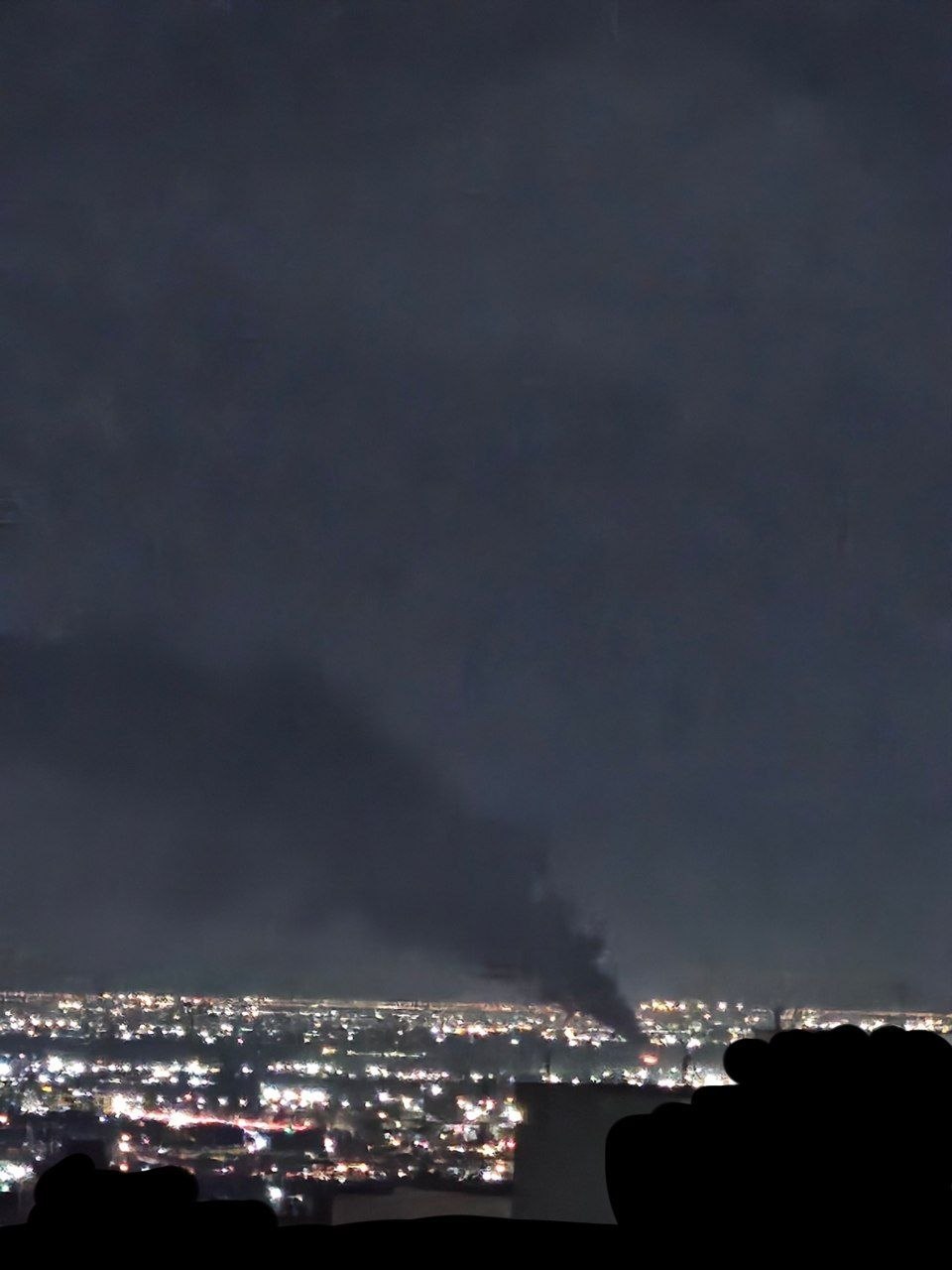
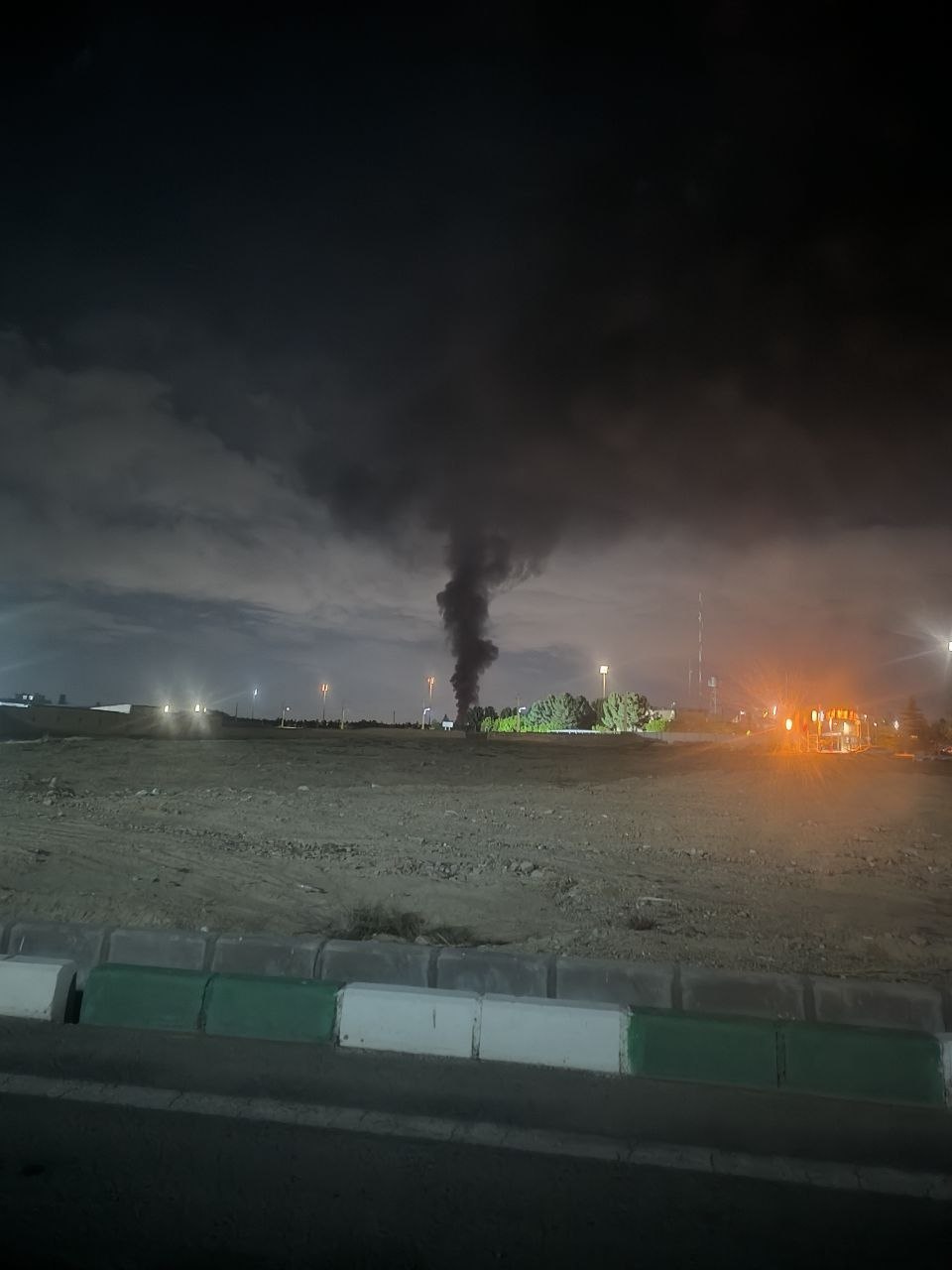
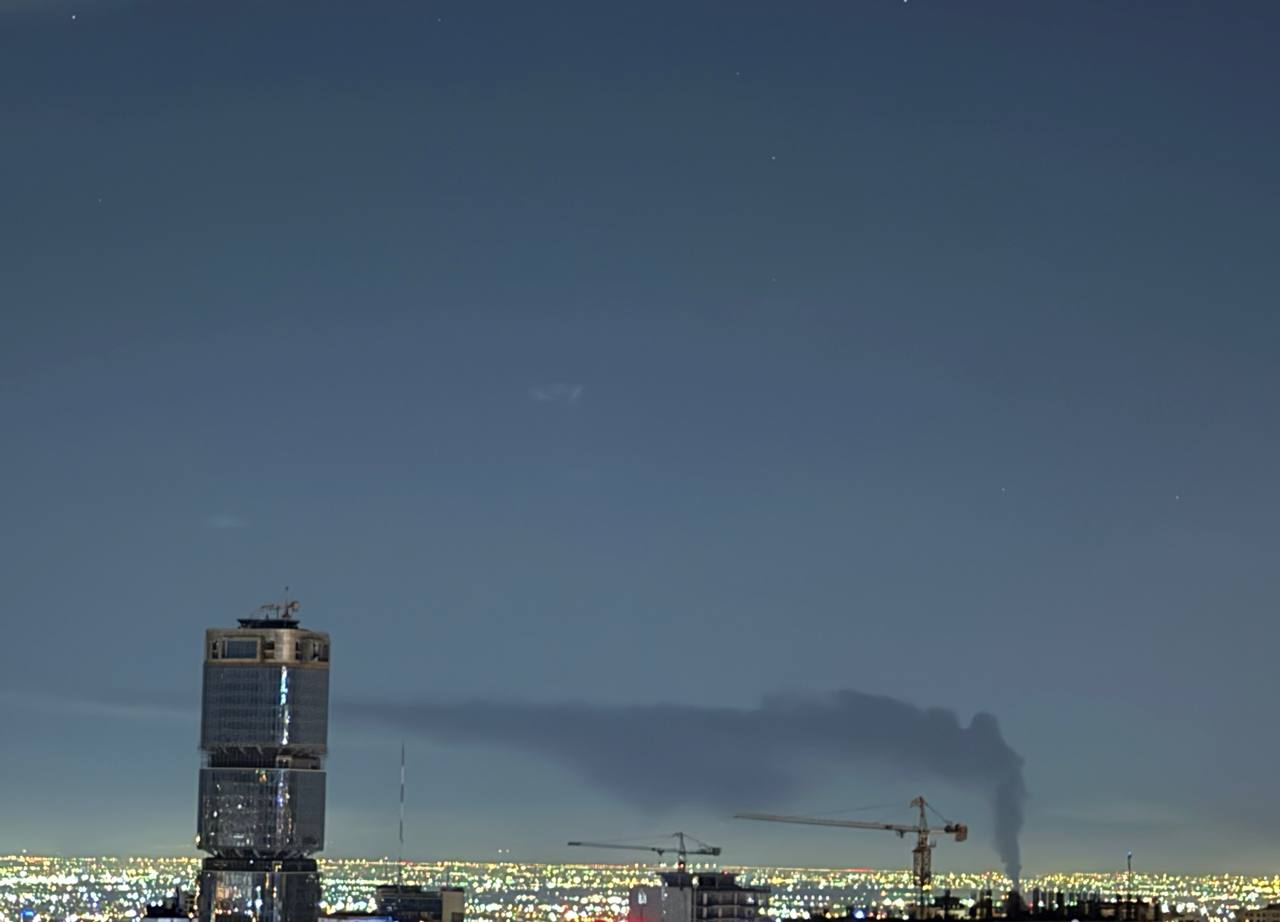
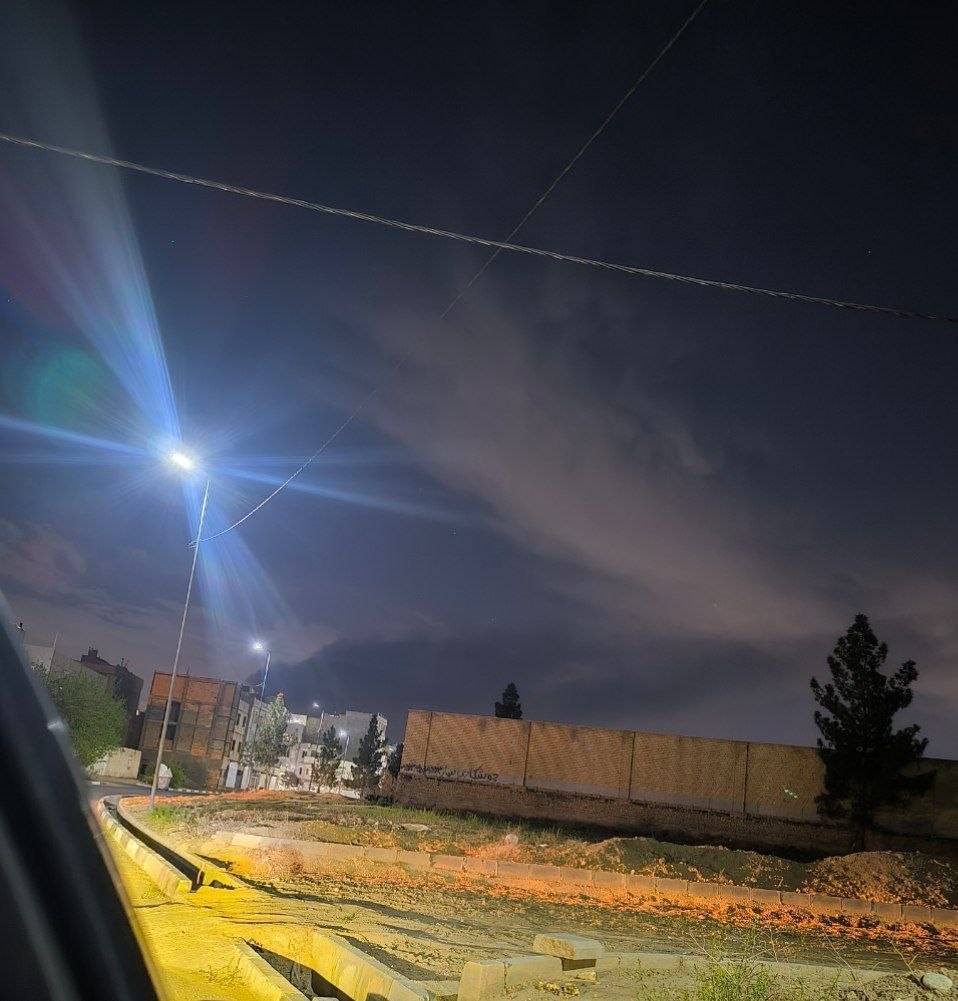
The most consequential kinetic event on 7 April 2026 was a coordinated US‑Israeli air campaign that delivered more than fifty airstrikes on Tehran and several other Iranian cities. The strikes targeted a petrochemical plant in Shiraz, a senior‑regime officials’ gathering in Karaj, multiple railway bridges, and a synagogue in Tehran that was reported to have killed approximately fifteen people. The scale and intensity of the operation represent the deepest direct kinetic engagement against Iranian territory since the conflict began earlier this year.
Air Campaign Overview
According to intelslava, the United States and Israel conducted “powerful strikes on Tehran and other cities in Iran, with more than 50 airstrikes, including the targeting of a petrochemical plant in Shiraz” (source: https://t.me/intelslava/86077). Al Jazeera confirmed that a synagogue in Tehran was “completely destroyed” and that “about 15” people were killed (source: https://www.aljazeera.com/news/2026/4/7/synagogue-in-tehran-destroyed-in-us-israeli-strikes-on-iran?traffic_source=rss). The attacks were executed with a mix of fighter‑jet strikes, cruise missiles, and precision‑guided munitions, including reported use of BGM‑109E Tomahawk missiles over Tehran (https://t.me/intelslava/86093).
"The attacks by the United States and Israel today were among the strongest ever carried out, even consisting of several consecutive explosions, in which numerous public properties, universities, airports, stations, railways and bridges were targeted." – intelslava, 09:04 UTC
Key Infrastructure Targets
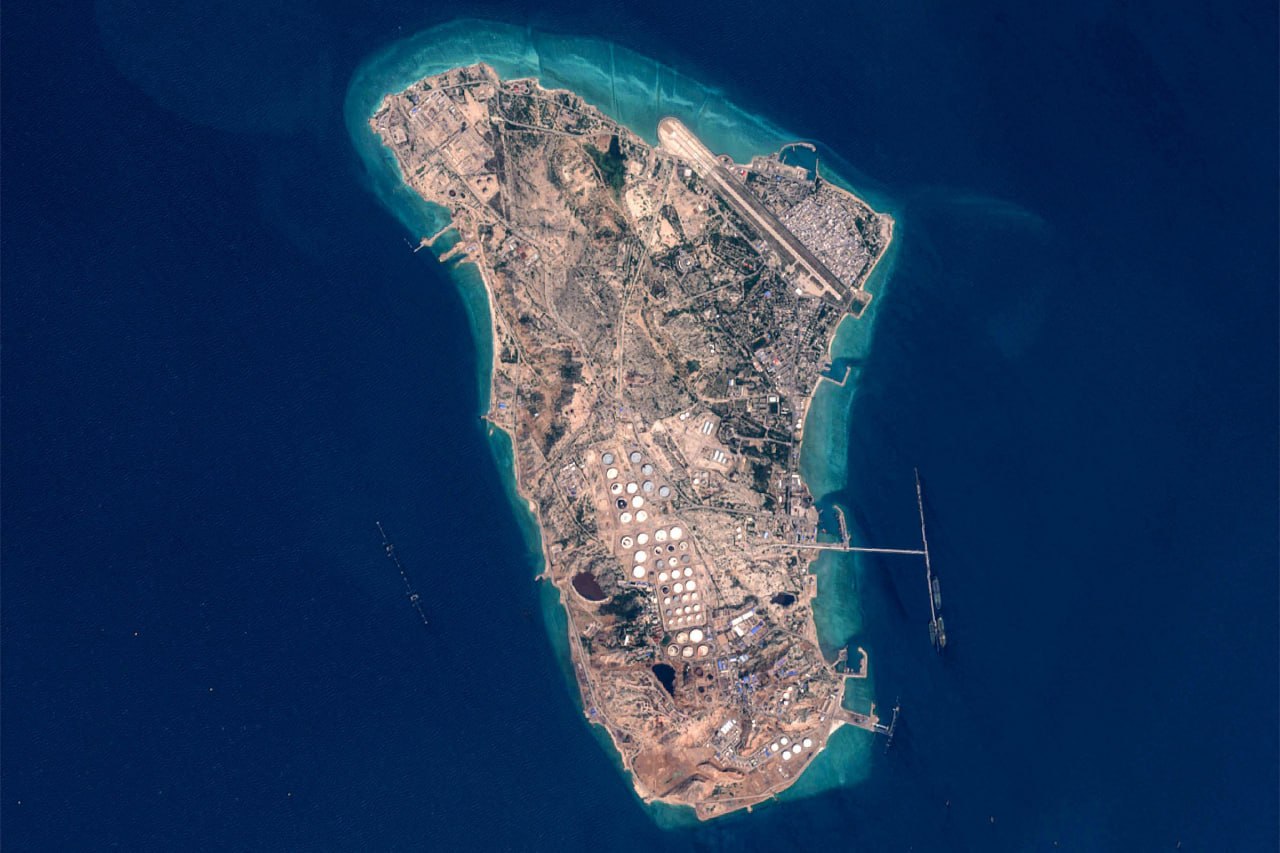
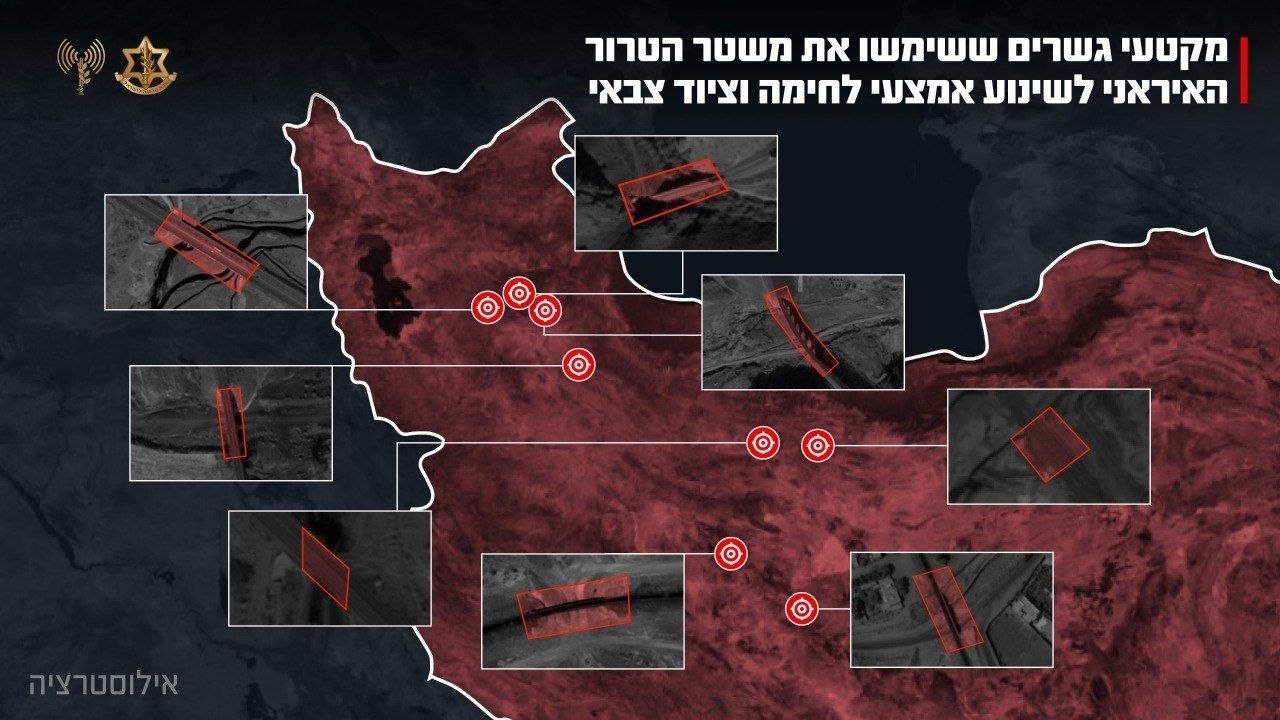
The air campaign focused on crippling Iran’s logistical and industrial capacity. Rail bridges in six cities—including Isfahan, Zanjan, Kashan, Mianeh, Qom, and Tabriz—were bombed by the Israeli Defense Forces (IDF), as detailed by intelslava (source: https://t.me/intelslava/86132). Simultaneous US strikes hit bunkers, a radar station, and ammunition depots on Kharg Island, a strategic oil export terminal (source: https://t.me/intelslava/86084).
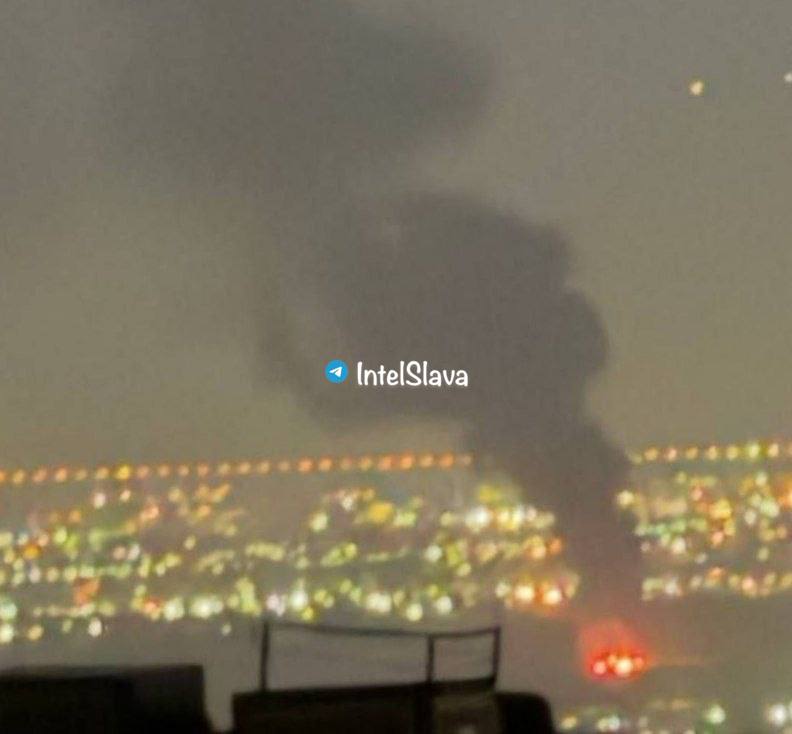
In addition to rail targets, the IDF reported destroying a petrochemical facility in Shiraz that it said produced missile‑related chemicals (https://t.me/CIG_telegram/73395). The same facility was referenced in an earlier Al Jazeera report describing “petrochemical plant in Shiraz” as a strike objective (https://www.aljazeera.com/video/newsfeed/2026/4/7/us-israeli-strikes-destroy-buildings-in-northern-iran?traffic_source=rss).
Regional Spillover and Counter‑Actions
Iran‑linked militias continued to employ drones and missiles beyond Iran’s borders. A drone attack in northern Iraq killed a Kurdish couple, marking “another strike by Iran‑backed militias in the Kurdistan region” (https://www.jpost.com/middle-east/article-892319). In Saudi Arabia, Iran launched missile strikes on the Jubail industrial complex and the Kharg Island oil terminal, causing extensive refinery damage as shown by NASA satellite imagery (https://t.me/intelslava/86138).
UAE and Saudi air defenses responded to a barrage of Iranian drones and ballistic missiles. The United Arab Emirates intercepted eleven Iranian drones and one ballistic missile over 24 hours (https://t.me/monitor_the_situation/8789), while Saudi Arabia shot down seven ballistic missiles targeting its Eastern Province (https://t.me/OSINTdefender/18480).
Casualties and Humanitarian Impact
Casualty figures from the Iranian theater remain fragmented. The Tehran synagogue strike resulted in approximately fifteen deaths, while a separate overnight strike in Tehran killed at least fifteen people (https://t.me/monitor_the_situation/8620). An Alborz Province attack killed eighteen civilians, including two children (https://t.me/monitor_the_situation/8644). In Shahriar, an Israeli airstrike killed nine civilians (https://t.me/monitor_the_situation/8617).
Beyond immediate fatalities, the destruction of universities, airports, and rail networks threatens broader civilian mobility and access to essential services. The United Nations has reported that Israeli gunfire and a Hezbollah device killed three UNIFIL peacekeepers in southern Lebanon, underscoring the widening humanitarian toll (https://t.me/rnintel/58585).
Strategic Analysis
The intensity of the 7 April air campaign signals a shift from limited retaliation to a sustained strategic effort to degrade Iran’s war‑fighting capacity. By striking both civilian infrastructure and military assets, the United States and Israel appear to be applying pressure to force a reopening of the Strait of Hormuz and to compel Tehran to curtail its regional proxy operations.
Financially, the conflict has already cost the United States roughly $30 billion, with thirteen American servicemen killed and over three hundred wounded, according to intelslava (https://t.me/intelslava/86146). The high operational tempo suggests that further expenditures and casualties are likely if the kinetic phase continues.
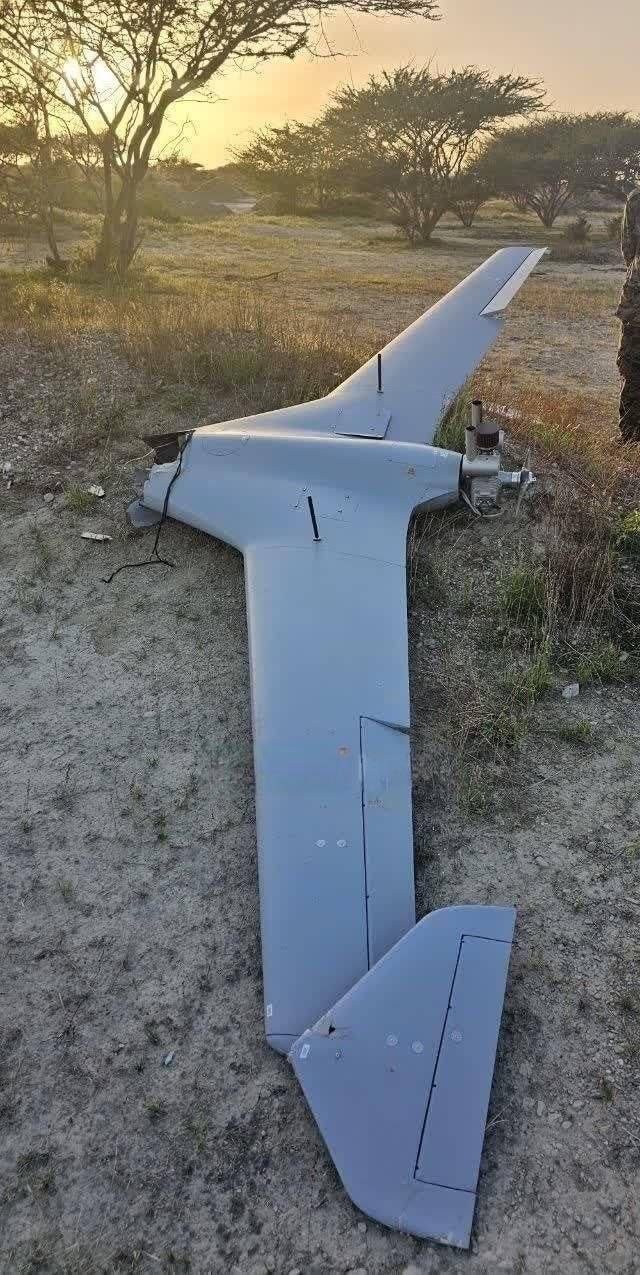
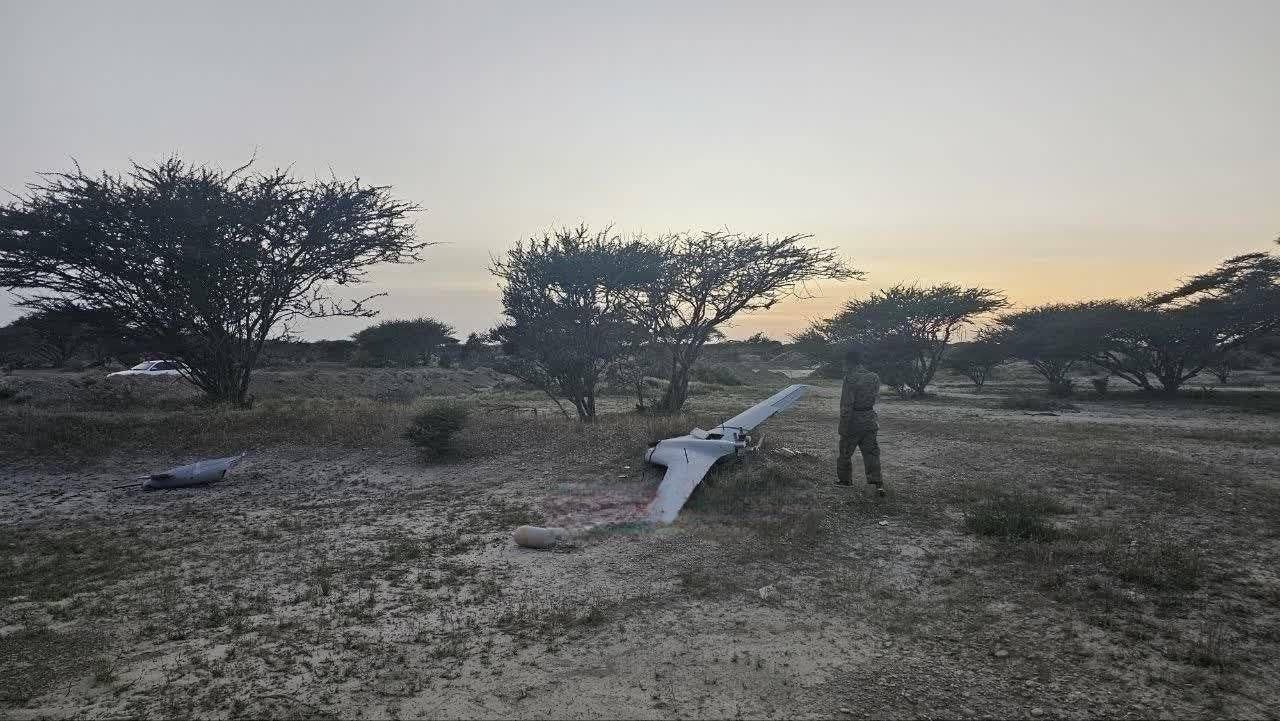
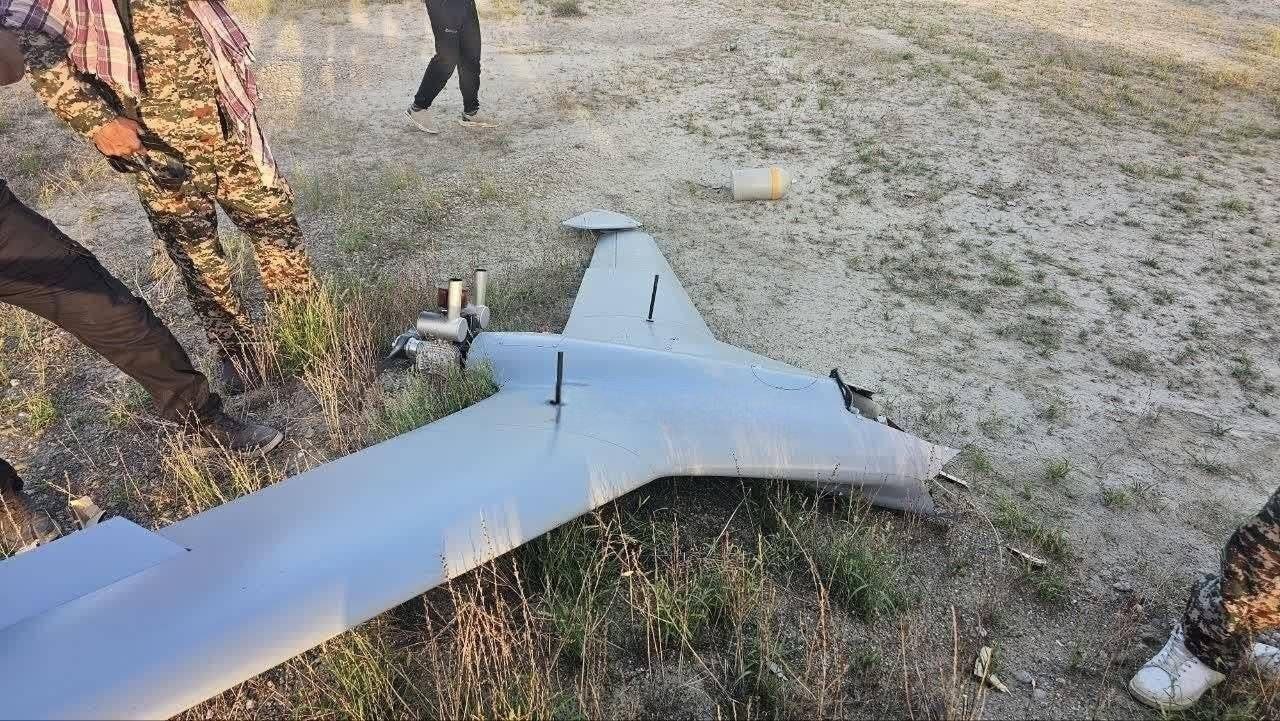
Iran’s response has been multifaceted: direct missile and drone attacks on Saudi and UAE targets, interception of US and allied UAVs, and the continued use of proxy militias in Iraq and the Kurdish region. The pattern indicates a willingness to absorb significant damage while maintaining a capacity for asymmetric retaliation.
Overall, the events of 7 April illustrate an escalating kinetic confrontation that has moved beyond isolated strikes to a coordinated, multi‑theater air campaign. The continued targeting of critical infrastructure, combined with the high civilian toll, raises the risk of broader regional destabilization.