On April 6, 2026, U.S. President Donald Trump announced that the United States had struck more than 13,000 targets inside Iran as part of an expanding campaign against Iranian military and strategic assets. The statement, posted on the Telegram channel monitor_the_situation, marks the most extensive single‑day tally of strikes reported in the current U.S.–Iran confrontation.
"We have now hit over 13,000 Iranian targets, degrading their ability to wage war and protecting our allies," President Trump said in a televised briefing.
U.S. Strategic Air Campaign
The announcement follows a series of coordinated operations. At 16:27 UTC, a U.S. Air Force B‑1B Lancer bomber departed from a Royal Air Force base in England for a strike mission targeting Iranian facilities, as reported by monitor_the_situation (video source). Later, U.S. Central Command confirmed ongoing strikes against Iranian military installations, though specific locations were not disclosed.
Israeli Strikes on Iranian Energy Infrastructure
Israel’s Defense Forces (IDF) intensified the pressure on Iran’s petrochemical sector. According to the Jerusalem Post, the IDF destroyed Iran’s largest petrochemical plant, rendering it inoperable and marking the second major facility hit within two days. The combined effect, according to Israeli officials, has crippled roughly 85% of Iran’s petroleum production capacity.
Iranian Missile Launches Toward Israel
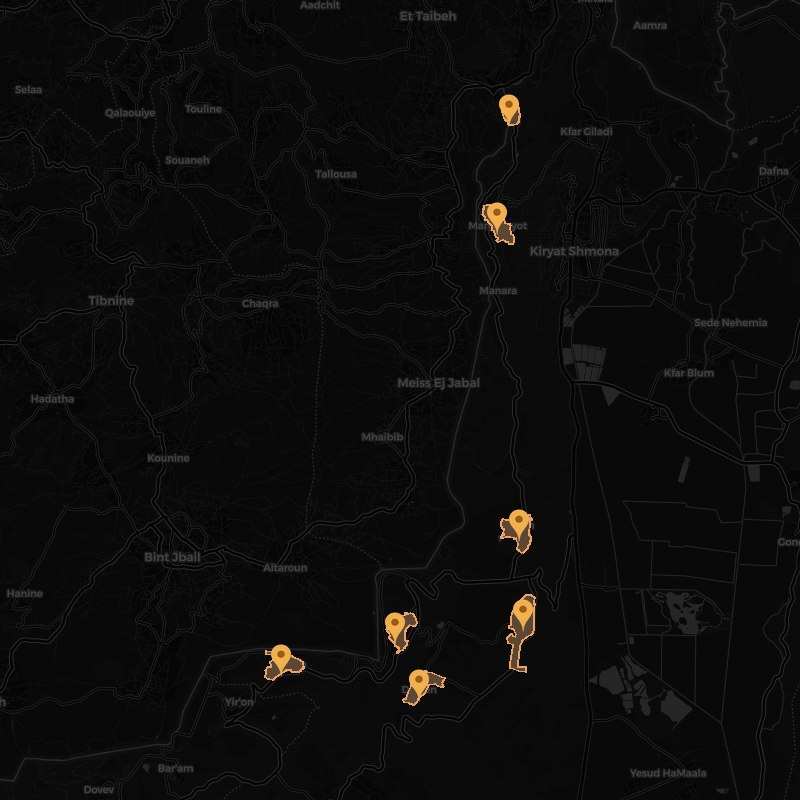
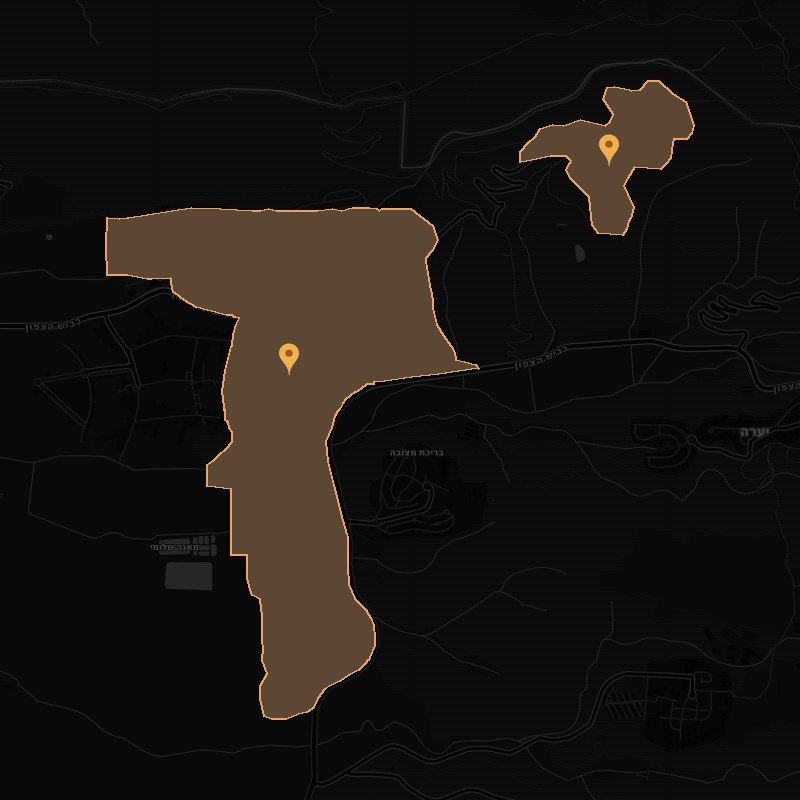
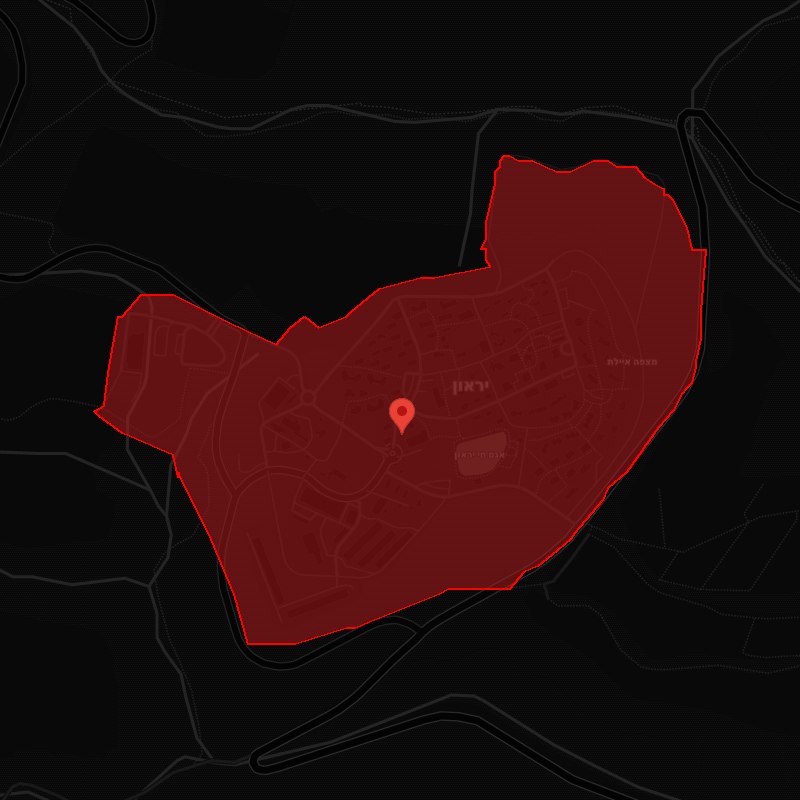
Multiple ballistic missile launches were detected from Iranian territory throughout the day. Sources rnintel and RocketAlert reported at least four separate launch events between 12:41 and 15:40 UTC, targeting locations in northern and southern Israel, including the Yir'on and Golan Heights regions. One missile reportedly failed and crashed before reaching its intended target.
Coordinated Rocket Assaults
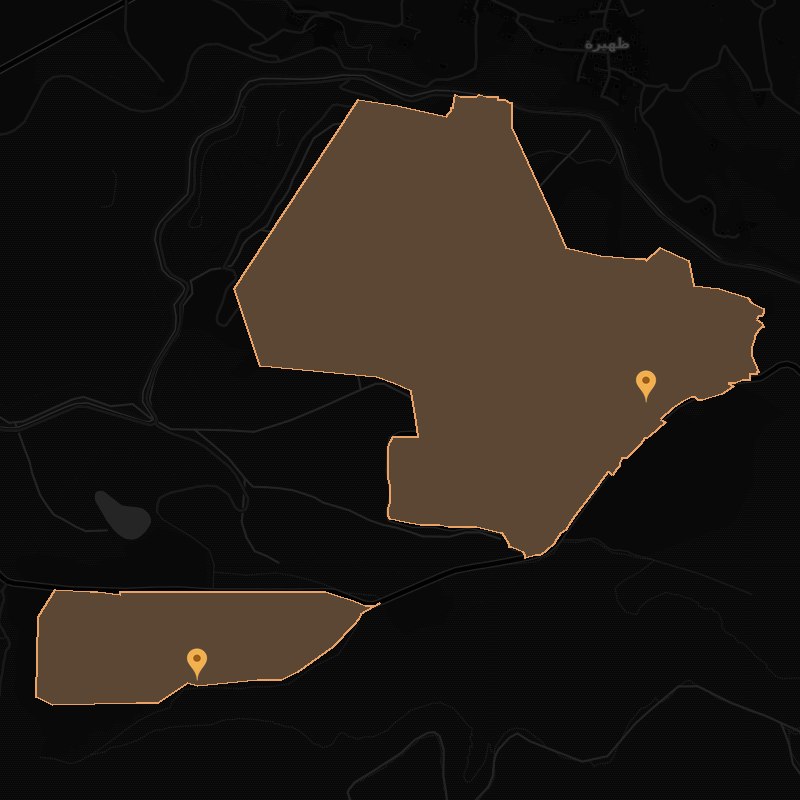
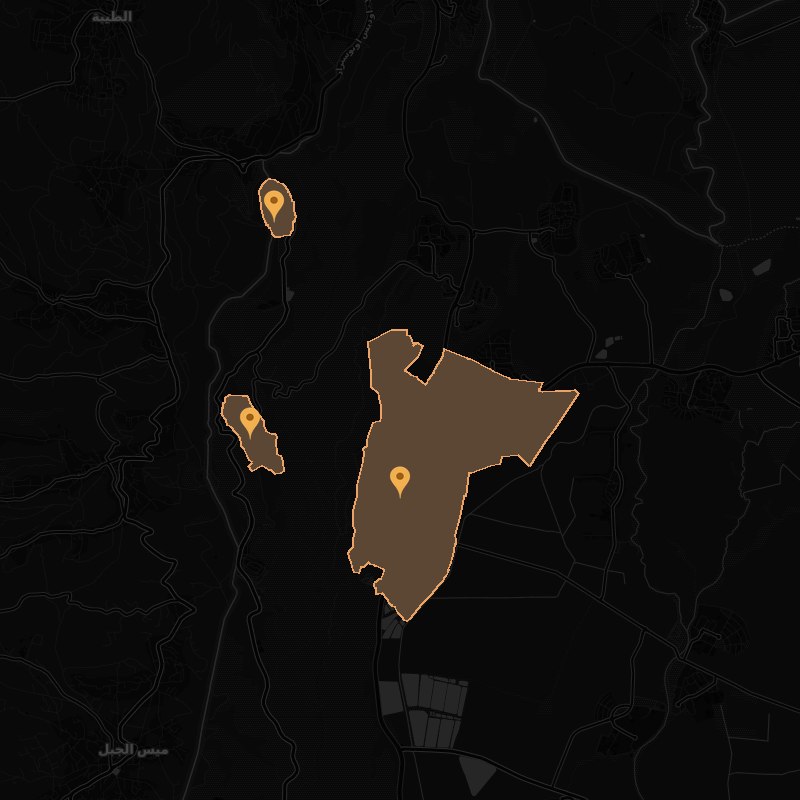
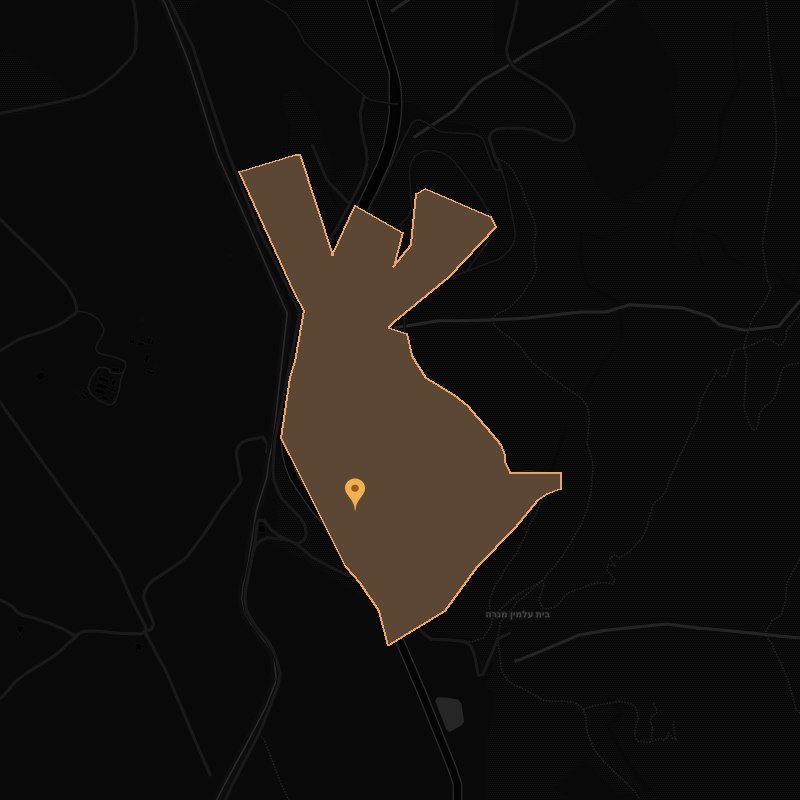
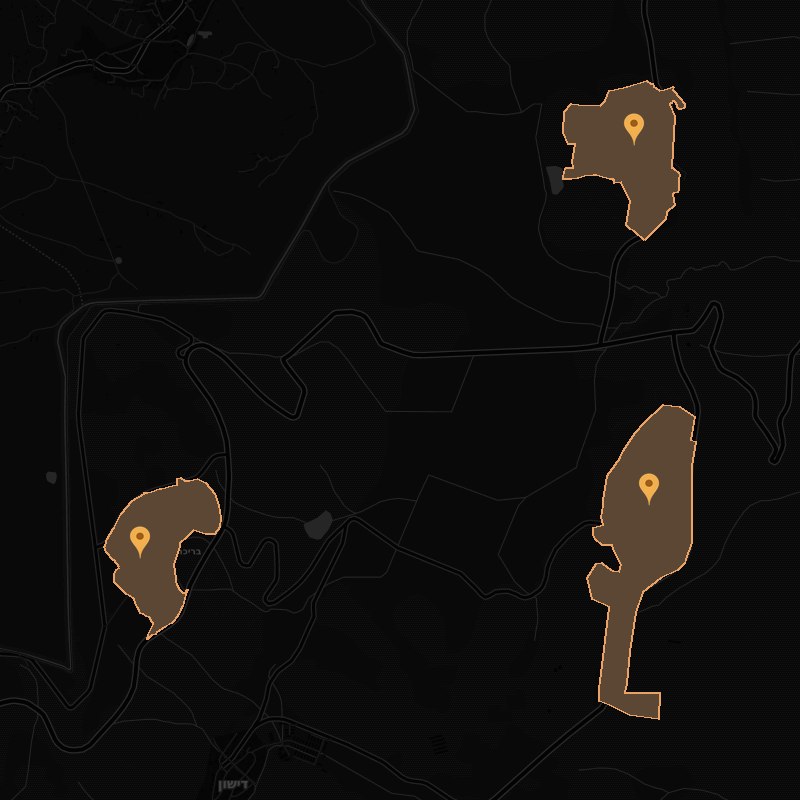
At 13:11 UTC, a joint rocket barrage was launched by Iran’s Islamic Revolutionary Guard Corps (IRGC), Hezbollah, and the Houthi movement, striking multiple points across Israel. The attack, documented by GeoPWatch, involved rockets aimed at northern, central, and southern sectors, underscoring the expanding coalition of Iran‑aligned militias.
Targeted Assassinations
The day also saw high‑profile killings. The IDF reported the elimination of two senior IRGC Quds Force officers—Kamil Melhem, artillery chief of the Imam Hussein Division, and Asghar Bagheri, head of Unit 840—in separate strikes, as detailed by the Jerusalem Post.
Conversely, Iran’s Revolutionary Guard confirmed the death of its own intelligence chief, while the IRGC announced that its intelligence chief Majid Khademi was killed in a U.S.–Israeli airstrike, according to GeoPWatch.
Naval Engagement in the Arabian Sea
In a separate theater, the IRGC Navy claimed to have targeted the U.S. amphibious assault ship USS Tripoli (LHA‑7), forcing the vessel to withdraw to the Indian Ocean. The claim was posted by GeoPWatch and reflects the widening scope of the conflict beyond the Iranian mainland.
Joint U.S.–Israeli Rescue Operation
At 10:00 UTC, Israeli elite units Saldag and Sayeret Matkal assisted U.S. commandos in rescuing a downed F‑15E weapons systems officer deep inside Iran. The operation, reported by monitor_the_situation, demonstrates a high level of coordination between U.S. and Israeli special forces amid the broader war footing.
Regional UAV and Rocket Alerts
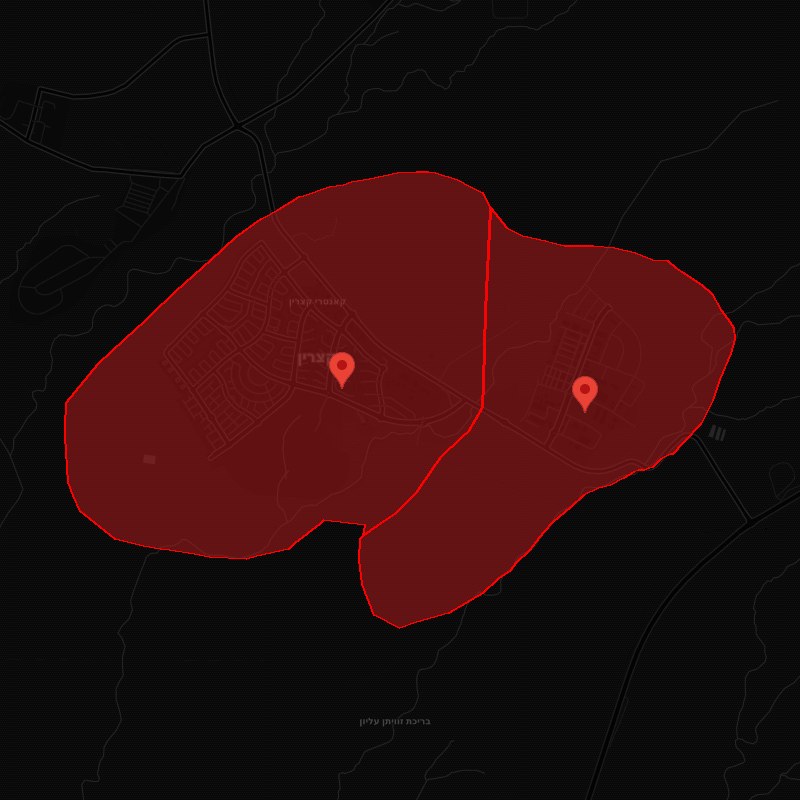
Throughout the day, the Israeli domestic alert network RocketAlert issued numerous hostile UAV and rocket warnings across the northern border, including the Yir'on, Katzrin, and Eilat regions. While no casualties were reported, the frequency of alerts highlights the heightened state of alert on the Israeli home front.
Broader Conflict Context
Parallel to the Middle East flare‑up, Ukraine reported significant drone activity against Russian targets, with 114 of 141 Russian drones intercepted and Ukrainian UAV strikes on energy facilities in Kstovo and Nizhny Novgorod. Although outside the primary theater, these actions illustrate the global dimension of aerial warfare in 2026.
Collectively, the events of April 6 underscore a rapid escalation in kinetic operations across multiple domains—air, missile, naval, and special‑operations—driven by a coalition of state and non‑state actors. The convergence of U.S., Israeli, Iranian, and allied militia activities suggests a deepening of the conflict that could expand further if diplomatic channels remain closed.